Researchers from the Wellcome Sanger Institute and their international collaborators have uncovered the precise evolutionary timeline of chronic myeloid leukemia (CML), revealing that the cancer-driving genetic fusion typically occurs between three and 14 years before a clinical diagnosis is made. The study, published in the journal Nature, highlights an unprecedented "explosive" growth rate in cancerous cells that far exceeds the progression speeds observed in most other forms of cancer. By utilizing advanced whole genome sequencing and phylogenetic analysis, the team has provided a new window into the early development of this blood and bone marrow malignancy, offering potential explanations for why some patients fail to respond to standard therapies.
Chronic myeloid leukemia is a relatively rare but significant form of cancer characterized by the overproduction of white blood cells. For decades, it has served as a primary model for understanding the genetic basis of cancer. This latest research identifies the BCR::ABL1 fusion gene—often referred to as the Philadelphia chromosome—as a uniquely potent driver of disease. Unlike many solid tumors or other blood cancers that require the accumulation of multiple genetic mutations over several decades to trigger malignancy, CML appears to be driven by this single, devastating genetic event, which then fuels a rapid expansion of tumor clones.
The Genetic Architecture of the Philadelphia Chromosome
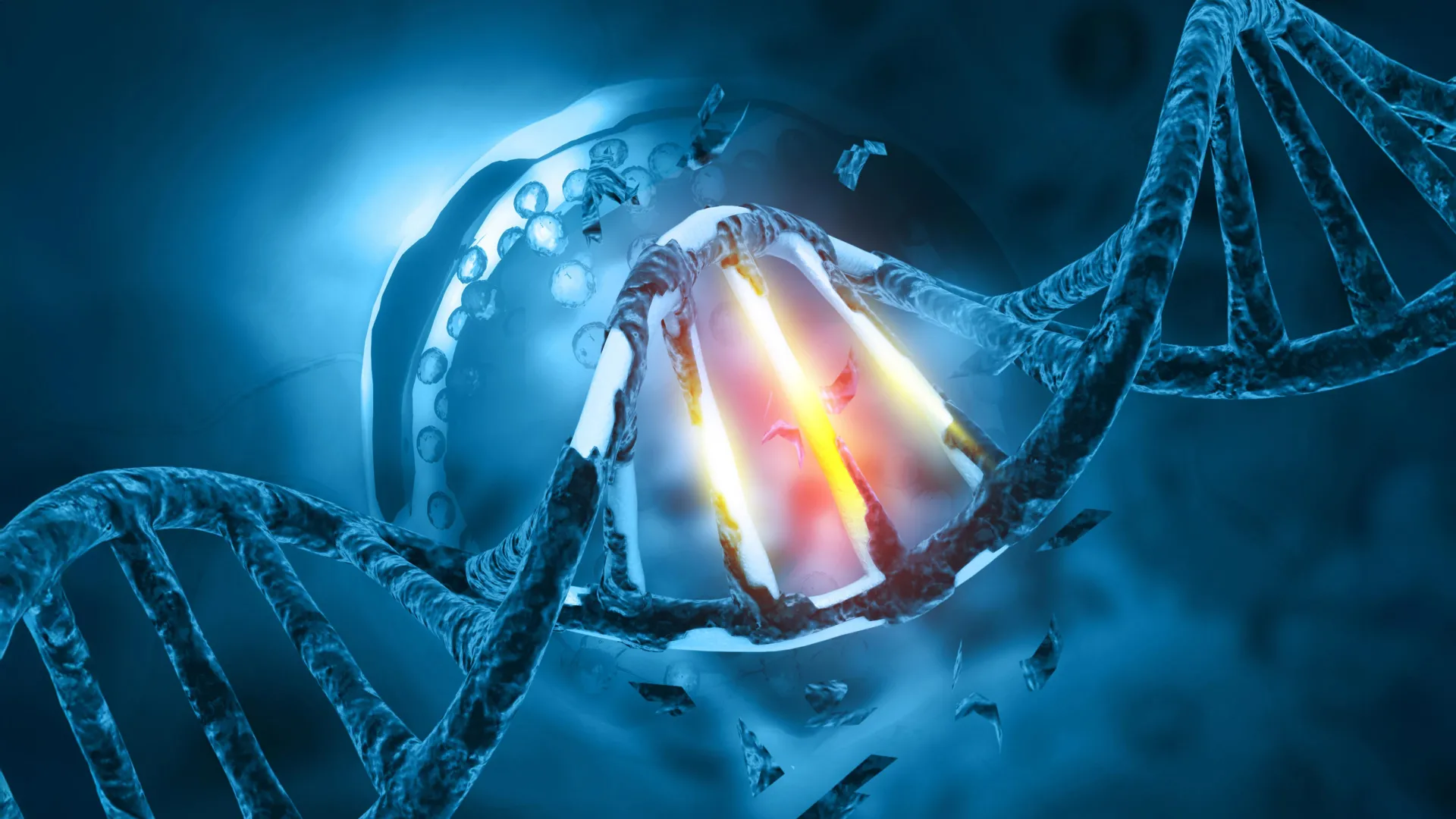
To understand the findings, it is essential to consider the biological foundation of CML. The disease is defined by a specific reciprocal translocation between chromosome 9 and chromosome 22. In this event, the ABL1 gene on chromosome 9 breaks off and attaches to the BCR gene on chromosome 22. This fusion creates the BCR::ABL1 gene, which encodes a constitutively active tyrosine kinase protein. This protein acts as a permanent "on" switch, signaling the bone marrow to produce an uncontrolled number of abnormal white blood cells.
Historically, the discovery of this chromosome in 1960 by Peter Nowell and David Hungerford marked the first time a specific genetic abnormality was linked to a human cancer. In the early 2000s, the development of Tyrosine Kinase Inhibitors (TKIs), such as imatinib (Gleevec), revolutionized treatment, turning a once-fatal disease into a manageable chronic condition for many. However, despite these clinical advancements, the early "silent" phase of the disease—the period between the initial genetic fusion and the onset of symptoms—remained a biological mystery until now.
Methodology: Reconstructing the Cellular Family Tree
The research team at the Wellcome Sanger Institute employed a sophisticated methodology to look back in time at the history of cancer development. They performed whole genome sequencing on over 1,000 single blood cells obtained from nine patients diagnosed with CML. These patients spanned a broad demographic, ranging in age from 22 to 81 years.
By analyzing the somatic mutations present in these individual cells, the researchers were able to construct "phylogenetic trees." Similar to a genealogical family tree, these models allow scientists to trace the ancestry of cells back to a common progenitor. By identifying when the BCR::ABL1 fusion first appeared in the lineage, the team could calculate the exact interval between the birth of the first leukemic cell and the clinical diagnosis of the patient.
The results were startling. In the nine patients studied, the BCR::ABL1 fusion gene appeared between three and 14 years prior to diagnosis. This suggests a significant latency period where the cancer is present but undetectable by standard clinical means.
Explosive Growth: A Cancer Outlier
The most striking revelation of the study was the sheer speed at which the leukemic cells multiplied once the BCR::ABL1 fusion occurred. In some instances, the tumor clones exhibited annual growth rates exceeding 100,000 percent. This level of proliferation is virtually unseen in other cancer types.
Most cancers, including common solid tumors like lung or colon cancer and other blood malignancies like acute myeloid leukemia (AML), typically evolve over 20 to 40 years. These cancers generally require a slow accumulation of five to ten "driver" mutations, each providing a small incremental growth advantage. In contrast, CML appears to reach a critical mass driven by just one single genetic change.
"What our study suggests is that chronic myeloid leukemia is an outlier compared to other cancers," said Dr. Jyoti Nangalia, senior author of the study and a hematologist at the University of Cambridge. "We have shown that CML cells undergo incredibly rapid growth within a few years to a decade before diagnosis. This work paves the way to understanding how we might optimize treatment for those patients that currently respond poorly to treatment."
The Impact of Age and Treatment Resistance
The study further explored why clinical outcomes vary so significantly among patients. While TKIs are highly effective for roughly 80 percent of CML patients, the remaining 20 percent do not respond well to treatment, often facing disease progression or the need for more aggressive interventions like bone marrow transplants.
The researchers discovered a clear correlation between the rate of cell growth and the patient’s age. Younger patients in the study exhibited much higher rates of cancerous cell multiplication compared to older patients. This finding challenges previous assumptions about the progression of the disease in different age groups and suggests that the biological vigor of the tumor may be tied to the underlying fitness of the bone marrow environment in younger individuals.
Furthermore, the data indicated that patients with the fastest-growing CML clones were the least likely to respond effectively to TKI therapy. This suggests that the inherent "growth velocity" of the cancer at the time of its inception may be a primary determinant of treatment success. If the growth rate is too high, the standard dosage or type of TKI may be insufficient to keep the disease in check.
Validating Findings via the "All of Us" Cohort
To ensure the findings were not limited to a small sample size, the researchers turned to the "All of Us" Research Program, a massive USA-based database containing health records and genomic data from over 200,000 participants. The team investigated whether individuals could harbor the BCR::ABL1 fusion gene as a "benign" or dormant clone without ever progressing to leukemia.
The analysis revealed that the presence of the BCR::ABL1 fusion is almost always a precursor to clinical disease. Unlike some other genetic mutations associated with "clonal hematopoiesis of indeterminate potential" (CHIP)—where individuals may carry mutated blood cells for decades without developing cancer—the BCR::ABL1 fusion appears to be so potent that it inevitably leads to a blood disorder or leukemia. This reinforces the idea that the fusion gene is a "high-penetrance" mutation that demands clinical attention once it arises.
Clinical Implications and Future Perspectives
The findings have significant implications for how CML might be monitored and treated in the future. Currently, clinicians use reverse transcription polymerase chain reaction (RT-PCR) tests to monitor the levels of the BCR::ABL1 transcript in the blood during treatment. While effective for tracking the current state of the disease, these tests do not provide information about the historical growth rate or the genetic "aggression" of the clones at the DNA level.
Dr. Aleksandra Kamizela, co-first author of the study and a resident doctor at the Lister Hospital, noted the gap between current clinical practice and the new genomic insights. "In a clinical setting, healthcare professionals are not able to routinely see differences in the genetic cause of CML in patients at the DNA level, which we have been able to highlight in our study," she explained. "Our findings provide a rationale to look at the rate of cancer growth more closely in future studies in order to understand if we can use such information in a clinical setting."
Integrating growth-rate analysis into the diagnostic workup could allow doctors to identify "high-risk" patients immediately upon diagnosis. For a patient whose phylogenetic tree suggests a 100,000 percent annual growth rate, a more aggressive or second-generation TKI might be prescribed as a first-line treatment, rather than waiting to see if standard therapy fails.
Conclusion
The Wellcome Sanger Institute’s study fundamentally rewrites the biography of chronic myeloid leukemia. By demonstrating that the disease begins years before symptoms appear and progresses with a velocity that dwarfs other cancers, the research provides a new framework for understanding oncogenesis.
As genomic sequencing becomes more accessible and integrated into standard medical care, the ability to reconstruct the "evolutionary past" of a patient’s cancer could become a cornerstone of precision oncology. For CML, a disease that has already served as a pioneer for targeted therapy, these insights into its explosive origins may lead to the next generation of life-saving clinical strategies, ensuring that the 20 percent of patients currently underserved by standard treatments have a better chance at long-term remission.