


In a significant breakthrough for reproductive biology, a Yale-led research team has successfully mapped the molecular architecture of a naturally occurring biological mechanism that prevents fertilization in mammals. By uncovering how a specific antibody blocks the interaction between sperm and egg cells, the study provides a foundational blueprint for addressing certain types of infertility and designing next-generation, non-hormonal contraceptives. The findings, published in the Proceedings of the National Academy of Sciences, mark the first time scientists have visualized the high-resolution structure of an anti-sperm antibody-antigen complex, solving a mystery that has persisted in the scientific community for four decades.
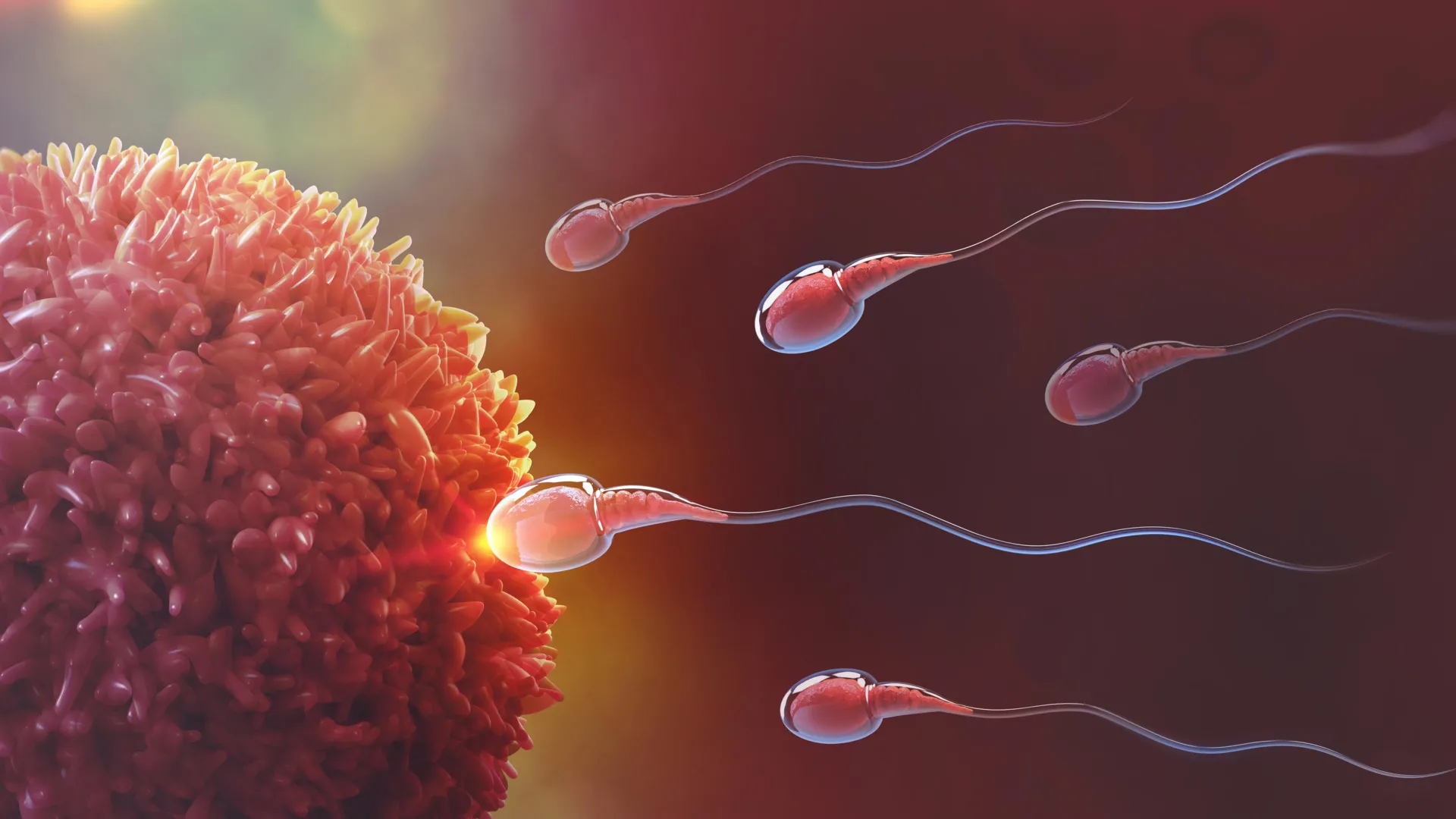
The research, headed by Steven Tang, an assistant professor of molecular biophysics and biochemistry at Yale University’s Faculty of Arts and Sciences, focuses on the delicate "handshake" required for life to begin. At the heart of this process are two proteins: IZUMO1, located on the surface of the sperm cell, and JUNO, a receptor located on the egg’s membrane. For fertilization to occur, these two must recognize one another and bind securely. The Yale team has demonstrated how a specific antibody, known as OBF13, physically obstructs this connection, effectively "locking" the sperm out and preventing fusion with the egg.
The Molecular Mechanics of Fertilization
To understand the magnitude of this discovery, one must look at the specific proteins involved in the early stages of mammalian reproduction. For decades, the exact molecular triggers for sperm-egg fusion remained elusive. It was not until 2005 that researchers identified IZUMO1—named after a Japanese shrine dedicated to marriage—as the essential protein on the sperm cell. Its counterpart on the egg, the JUNO receptor (named after the Roman goddess of fertility and childbirth), was not identified until 2014.
The interaction between IZUMO1 and JUNO is the primary gatekeeper of fertilization. When a sperm cell reaches the egg, IZUMO1 must bind to JUNO to initiate the fusion of the two cell membranes. If this binding is disrupted, fertilization becomes impossible. The Yale study reveals that the OBF13 antibody acts as a physical barrier. By attaching itself to IZUMO1, OBF13 reconfigures the protein’s surface or occupies the specific site intended for JUNO, preventing the "handshake" from ever taking place.
"This will have direct implications for infertility and contraception research, especially immuno-infertility and immuno-contraception," explained Steven Tang, the study’s corresponding author. By providing high-resolution information on this interaction, the team has opened new avenues for regulating IZUMO1 through drug design and clinical intervention.
A Forty-Year Cold Case in Reproductive Science
The OBF13 antibody is not a new discovery, but its mechanism of action has been a "black box" for scientists since the 1980s. Originally identified 40 years ago by researchers at Osaka University in Japan, OBF13 was known to be a potent inhibitor of fertilization. It was categorized as an anti-sperm antibody (ASA), a type of immune system protein that mistakenly identifies sperm as foreign invaders and seeks to neutralize them.
While clinicians have long known that the presence of these antibodies in either the male or female reproductive tract can lead to "immuno-infertility," the lack of structural data meant that they could not see how the antibody was stopping the process. The Yale-led team utilized advanced X-ray crystallography at the SLAC National Accelerator Laboratory in California to finally visualize the OBF13-IZUMO1 complex.
This imaging allowed the researchers to identify a high-affinity variant of OBF13. This "super-binder" variant attaches to the sperm protein with such tenacity that it completely blocks any possibility of JUNO recognition. Conversely, the study also identified specific amino acid sites on the JUNO receptor that are essential for binding. Interestingly, the researchers found that when these sites are properly accessed, the sperm and egg can still bind even in the presence of interference, suggesting a potential pathway for "overcoming" the antibody’s blocking effect in infertile patients.
Addressing the Crisis of Infertility
The clinical implications of this research are vast, particularly for the millions of people worldwide struggling to conceive. According to data from the Centers for Disease Control and Prevention (CDC), approximately 9% of men and 11% of women of reproductive age in the United States experience fertility problems. A significant portion of these cases involves "unexplained infertility," where standard tests show no obvious physiological blockages or hormonal imbalances.
In many of these unexplained cases, the culprit is the immune system. Anti-sperm antibodies can be produced by the male body (attacking its own sperm) or by the female body (attacking the partner’s sperm). When these antibodies coat the sperm, they can cause the cells to clump together, lose motility, or, as the Yale study shows, fail to recognize the egg entirely.
By understanding the exact amino acid sequences where OBF13 binds to IZUMO1, researchers can now look for ways to shield these sites or develop "decoy" molecules that distract the antibodies. This could lead to new treatments for immuno-infertility that are less invasive than current options like in vitro fertilization (IVF) or intracytoplasmic sperm injection (ICSI).
The Future of Non-Hormonal Contraception
While the study offers hope for those wanting to conceive, it simultaneously provides a roadmap for those seeking to prevent pregnancy. The global contraceptive market is currently dominated by hormonal methods, such as the pill, patches, and intrauterine devices (IUDs). While effective, these methods can cause a range of side effects, including mood swings, weight gain, and increased risk of blood clots. Furthermore, there are currently very few contraceptive options for men beyond condoms and vasectomies.
The discovery of the OBF13-IZUMO1 interaction opens the door for "immuno-contraception." This approach involves using the body’s own immune mechanisms—or synthetic versions of them—to temporarily and reversibly block fertilization at the molecular level.
Because the IZUMO1-JUNO interaction is highly specific to reproductive cells and does not involve the endocrine system, a contraceptive based on this mechanism would theoretically have no hormonal side effects. The Yale team’s identification of a high-affinity OBF13 variant is particularly promising for this application. A drug or topical agent that mimics the binding action of this variant could provide a highly effective, targeted method of preventing pregnancy.
"We provide high-resolution information that will… guide antibody and small-molecule inhibitor design, and support drug screening for contraceptive development," Tang noted. The ability to design a small molecule that fits into the IZUMO1 binding pocket like a key in a lock could lead to a daily pill for men or a long-acting non-hormonal option for women.
Collaborative Research and Methodology
The study was a massive international effort, highlighting the collaborative nature of modern structural biology. The first author, Yonggang Lu, and co-author Masahito Ikawa both hail from Osaka University, bridging the gap between the original discovery of the antibody in Japan and the cutting-edge imaging techniques available at Yale and the SLAC National Accelerator Laboratory.
The researchers used X-ray crystallography, a technique where biological molecules are crystallized and then bombarded with high-energy X-ray beams. The way the beams scatter allows scientists to calculate the positions of every atom within the molecule. This level of detail is necessary to see the "contact points" between the antibody and the protein.
The project received significant backing from major scientific institutions, including:
- The National Institutes of Health (NIH)
- The David Sokal Innovation Award of the Male Contraception Initiative
- The Japan Society for the Promotion of Science
- The Japan Agency for Medical Research and Development
- The Takeda Science Foundation
The involvement of the Male Contraception Initiative underscores the specific interest in the research as a vehicle for expanding reproductive choices for men.
Timeline of Discovery: From 1984 to 2024
To appreciate the context of this breakthrough, one can look at the chronology of fertilization research over the last half-century:
- 1984: Researchers at Osaka University discover the OBF13 antibody and note its ability to inhibit fertilization in rodent models.
- 2005: The IZUMO1 protein is identified on the surface of sperm. It is confirmed as essential for fusion, but its "partner" on the egg remains unknown.
- 2014: The JUNO receptor is discovered on the egg cell. Scientists finally have both halves of the "handshake" identified.
- 2016-2022: Various studies attempt to map the IZUMO1-JUNO complex, but the influence of naturally occurring antibodies remains poorly understood.
- 2024: The Yale-led team publishes the first structural analysis of the OBF13-IZUMO1 complex, revealing the physical mechanism of fertilization blockade.
Analysis of Broader Implications
The findings by Tang and his colleagues represent a shift in how we view reproductive health—moving from a focus on systemic hormones to a focus on specific molecular interactions. This "precision medicine" approach to reproduction could redefine the standard of care for fertility clinics.
Moreover, the study has implications for the field of evolutionary biology. The specificity of the IZUMO1-JUNO interaction is one of the primary reasons why different species cannot interbreed. By studying how antibodies like OBF13 evolve to disrupt this process, scientists may gain insights into the very mechanisms that drive speciation and biological diversity.
In the immediate future, the Yale team expects their data to be used by pharmaceutical researchers to begin "virtual screening" of millions of chemical compounds. By using the crystal structure as a template, computers can predict which molecules will most effectively bind to IZUMO1, accelerating the timeline for drug discovery.
While human clinical trials are still years away, the mapping of the OBF13-IZUMO1 complex provides the essential "GPS" needed to navigate the complex landscape of the human reproductive system. Whether the goal is to help a couple conceive or to provide a woman or man with a side-effect-free contraceptive, the path forward is now much clearer.
The work stands as a testament to the power of combining historical biological observations with modern technological prowess. Forty years after OBF13 was first noticed in a lab in Japan, its secrets have finally been laid bare in the halls of Yale, promising a new era of reproductive freedom and clinical success.












Leave a Reply