

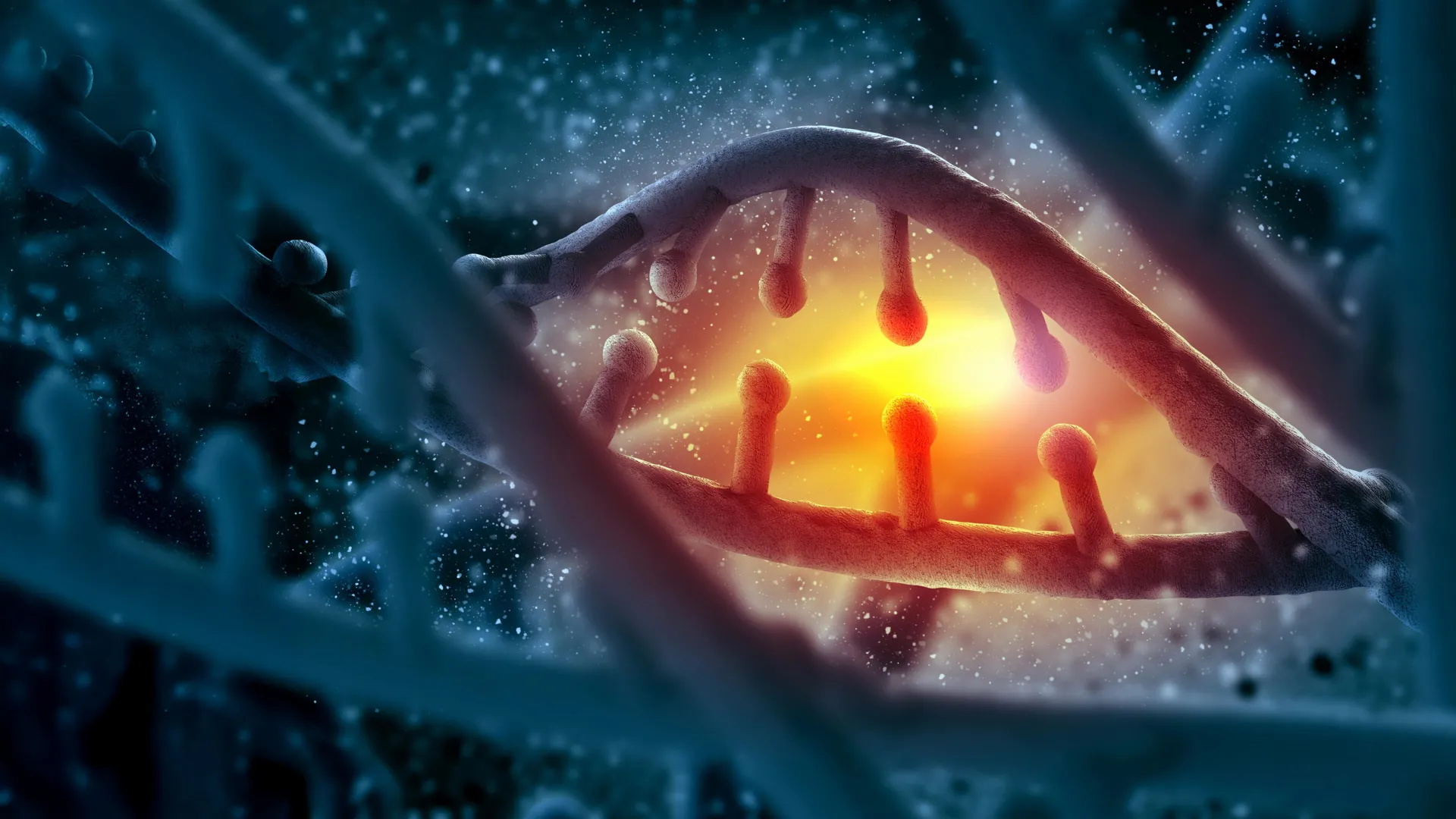
Researchers have identified a powerful genetic mechanism, dubbed "flipped" DNA segments, that may unlock the secrets behind the surprisingly rapid evolution of certain species. These significant chromosomal rearrangements, known as inversions, appear to act as potent evolutionary accelerators, particularly in cichlid fish populations, facilitating swift adaptation to novel environments and even driving the divergence into entirely new species. The findings, published in the esteemed journal Science, offer a compelling explanation for the extraordinary biodiversity observed in ecosystems like Lake Malawi, where hundreds of cichlid species have emerged from a single ancestral lineage in a remarkably short geological timeframe.
The Enigma of Explosive Diversification: Lake Malawi’s Cichlid Success Story
One of the most enduring questions in biology is how the Earth came to be populated by such an astonishing array of life forms. The cichlid fish of Lake Malawi in East Africa present a particularly captivating case study. This single, vast freshwater lake, situated in the Great Rift Valley, harbors an estimated 800 distinct species of cichlids, all descended from a common ancestor that colonized the lake an estimated one million years ago. This rate of diversification is staggering, far outpacing evolutionary divergences seen in other groups, including the separation of humans and chimpanzees, which took millions of years.
What makes this evolutionary explosion even more remarkable is its confinement within a single geographical and hydrological unit. Within the confines of Lake Malawi, cichlids have diversified into an incredible array of ecological niches. Some have evolved into formidable predators, while others have specialized in grazing on algae, meticulously sifting through sand for food, or consuming plankton suspended in the water column. Each species has carved out its unique role, coexisting with numerous others despite their close evolutionary proximity. Understanding the genetic underpinnings of such rapid and extensive speciation has long been a significant challenge for evolutionary biologists.
The Breakthrough Discovery: Chromosomal Inversions as Evolutionary "Toolboxes"
To unravel this evolutionary puzzle, a collaborative team of scientists from the Universities of Cambridge and Antwerp embarked on an extensive genetic investigation. Their primary objective was to pinpoint genetic features that could account for the unprecedented speed at which cichlid species have proliferated in Lake Malawi. The researchers meticulously analyzed the DNA of over 1,300 cichlid individuals, representing a broad spectrum of species inhabiting the lake.
The pivotal discovery emerged from this comprehensive genomic analysis: in several cichlid species, large segments of DNA on five distinct chromosomes are "flipped" – a type of mutation known as a chromosomal inversion. These inversions represent significant structural alterations in the genome, where a section of a chromosome is reversed end-to-end.
"We discovered that, in some species, large chunks of DNA on five chromosomes are flipped – a type of mutation called a chromosomal inversion," stated senior author Hennes Svardal from the University of Antwerp. This finding was crucial, as chromosomal inversions have a profound impact on the process of genetic recombination.
How Inversions Preserve and Accelerate Evolution: The "Supergene" Concept
Under typical biological circumstances, during sexual reproduction, the DNA from both parents undergoes a process called recombination. This shuffling of genetic material allows for the mixing of alleles, leading to novel combinations of traits in offspring. However, within the inverted regions of chromosomes, this recombination process is significantly hindered or completely blocked.
This blockage has a crucial evolutionary consequence: it effectively locks together groups of genes that are located within the inverted segment. These linked genes are then inherited as a single unit, or block, from one generation to the next. This phenomenon is particularly advantageous when specific combinations of genes confer a survival or reproductive advantage in a particular environment. Instead of being broken apart by recombination, these beneficial gene combinations are preserved, allowing for more efficient adaptation.
"It’s sort of like a toolbox where all the most useful tools are stuck together, preserving winning genetic combinations that help fish adapt to different environments," explained first author Moritz Blumer from Cambridge’s Department of Genetics. These tightly linked clusters of genes have been informally termed ‘supergenes’ by researchers, highlighting their collective impact on an organism’s traits.
The Role of "Supergenes" in Shaping Species Identity
In cichlid fish, these supergenes, orchestrated by chromosomal inversions, appear to be central to the development of distinct species characteristics. Even though different cichlid species within Lake Malawi can still interbreed, the presence of these inversions limits the extent to which their genomes can mix. This genetic barrier, imposed by the inversions, helps maintain the unique sets of traits that define each species.
This mechanism is especially vital in environments like the open, sandy regions of Lake Malawi, where distinct habitats are not demarcated by physical barriers such as rocky outcrops or dense vegetation. In such landscapes, genetic divergence driven by supergenes plays a crucial role in preventing the complete homogenization of populations.
The genes contained within these supergenes often govern traits that are fundamental to survival and reproduction. These include adaptations related to vision, crucial for navigating varying light conditions; hearing, important for communication and predator detection; and complex behaviors, such as feeding strategies and mating rituals. For instance, cichlids inhabiting the deep zones of the lake, reaching depths of up to 200 meters, face vastly different environmental pressures – including low light, high hydrostatic pressure, and unique food sources – compared to their counterparts in shallower waters. The supergenes within these deep-dwelling species are instrumental in preserving the precise genetic adaptations required to thrive under these specific conditions.
"When different cichlid species interbred, entire inversions can be passed between them – bringing along key survival traits, like adaptations to specific environments, speeding up the process of evolution," Blumer elaborated, underscoring the efficient transfer of adaptive genetic packages.
Beyond Trait Preservation: Inversions and the Genesis of New Species
The evolutionary influence of chromosomal inversions extends beyond merely preserving advantageous gene combinations. They can also play a critical role in the very process of speciation by acting as nascent sex chromosomes. In many species, sex determination is controlled by dedicated sex chromosomes (like the X and Y chromosomes in humans). However, in some instances, chromosomal inversions can evolve to exert a similar influence, affecting whether an individual develops as male or female.
The establishment of a system of sex determination is a crucial step in reproductive isolation, a prerequisite for the formation of new species. If an inversion becomes strongly associated with one sex, it can limit gene flow between populations that carry different versions of the inversion. This further reinforces reproductive isolation and can accelerate the divergence of populations into distinct species.
A Universal Mechanism: Implications for Broader Evolutionary Biology
While the study meticulously details the role of chromosomal inversions in cichlid speciation, the researchers emphasize that this mechanism is not unique to these African fish. Chromosomal inversions are widespread throughout the animal kingdom and are increasingly recognized as significant drivers of evolutionary change and biodiversity across diverse taxa.
"While our study focused on cichlids, chromosomal inversions aren’t unique to them," affirmed co-senior author Professor Richard Durbin, from Cambridge’s Department of Genetics. "They’re also found in many other animals – including humans – and are increasingly seen as a key factor in evolution and biodiversity." The presence of inversions in humans, for example, has been linked to various genetic disorders and evolutionary adaptations.
The implications of these findings are far-reaching. They provide a tangible genetic mechanism that can help address a fundamental question that has puzzled scientists for generations: how life on Earth has diversified so rapidly and extensively under specific environmental conditions. The discovery of these "evolutionary accelerators" offers a clearer picture of the genetic architecture that underpins rapid adaptation and the formation of new species.
"We have been studying the process of speciation for a long time," concluded Svardal. "Now, by understanding how these supergenes evolve and spread, we’re getting closer to answering one of science’s big questions: how life on Earth becomes so rich and varied." This research opens new avenues for investigating evolutionary dynamics in other rapidly diversifying groups and highlights the remarkable plasticity of the genome in responding to environmental challenges and driving the engine of life’s diversity. The intricate interplay between chromosomal rearrangements and adaptive evolution, as exemplified by the cichlids of Lake Malawi, continues to be a fertile ground for scientific exploration.













Leave a Reply