

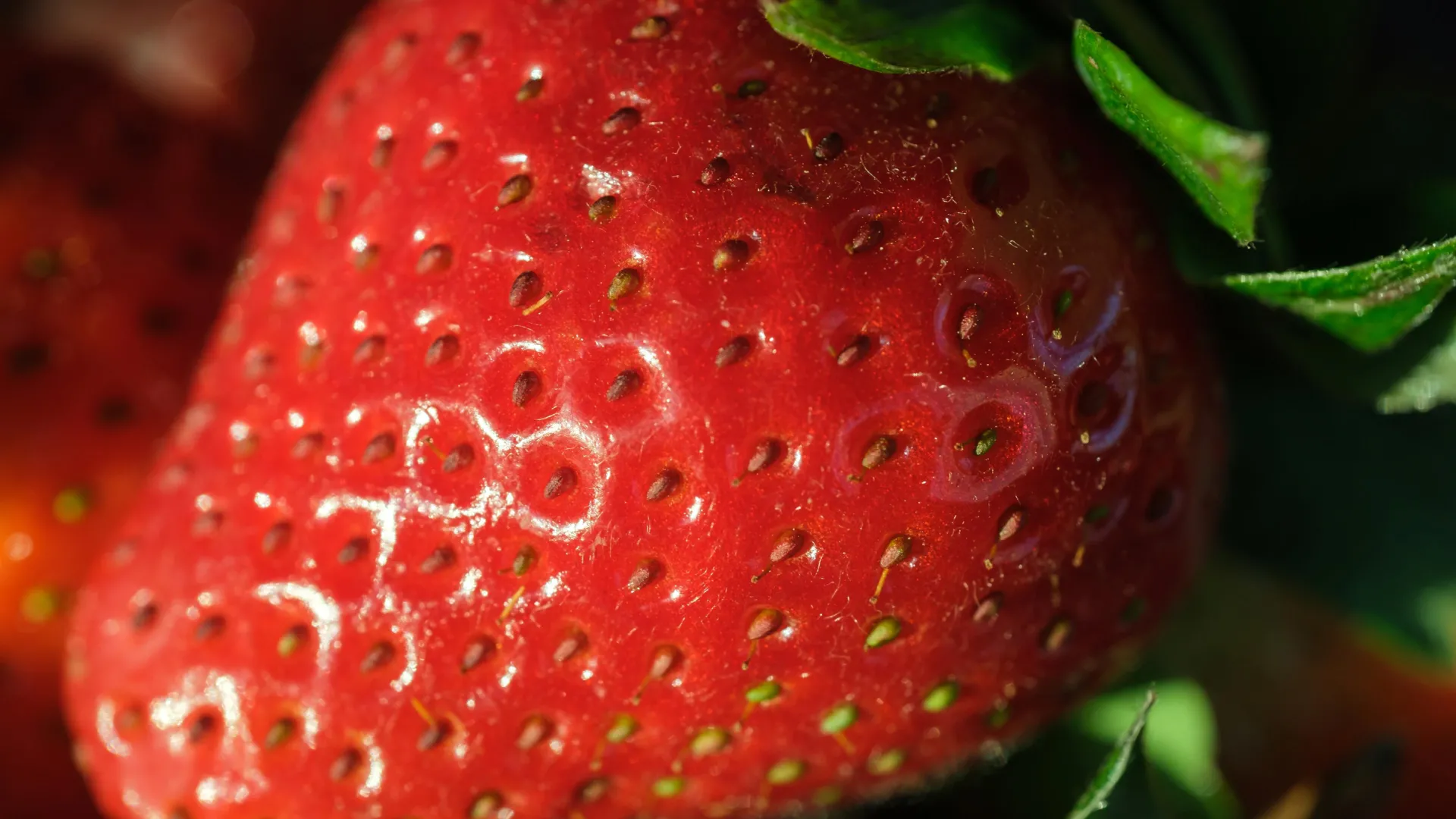
The pursuit of superior fruit quality—brighter colors, more enticing aromas, and richer nutritional profiles—has long been a cornerstone of agricultural innovation. Yet, this quest has frequently been fraught with a significant challenge: improving these desirable traits often comes at the cost of normal plant development, leading to stunted growth, reduced yields, or altered fruit size. A groundbreaking new study, however, suggests that achieving this delicate balance may be more attainable than previously imagined. Scientists have uncovered a conserved "housekeeping" gene, typically associated with fundamental cellular maintenance, that can significantly enhance both the nutritional value and sensory appeal of fruit without negatively impacting plant growth or productivity.
The research, published in the esteemed journal Horticulture Research, meticulously details how increasing the activity of a specific gene linked to transfer RNA (tRNA) modification can boost the levels of vital compounds like anthocyanins and terpenoids. These compounds are the architects of a fruit’s vibrant color, captivating aroma, and potent antioxidant properties. Crucially, these enhancements were achieved without any observable detrimental effects on plant development, fruit size, or sugar content, challenging long-held assumptions about the limited roles of genes involved in basic cellular functions.
The Complex Interplay of Plant Hormones and Fruit Development
For decades, agricultural scientists have grappled with the intricate relationship between plant hormones and the development of high-quality fruit. Compounds such as anthocyanins, which impart the characteristic red, blue, and purple hues to many fruits, and terpenoids, responsible for their diverse aromas and flavors, are essential for consumer appeal and nutritional value. However, direct interventions aimed at increasing the production of these secondary metabolites have often been met with undesirable consequences.
This complexity arises because the metabolic pathways responsible for producing these compounds are tightly regulated by plant hormones. Cytokinins, a class of plant hormones, play a dual role: they are critical regulators of cell division and differentiation, thus governing overall plant growth and architecture, and they also influence secondary metabolism, which includes the synthesis of anthocyanins and terpenoids. Consequently, attempts to manipulate cytokinin levels to boost fruit quality could inadvertently lead to significant alterations in plant structure, growth patterns, and even flowering times, potentially compromising yield. This intricate hormonal network meant that targeting common pathways for metabolic enhancement often resulted in a trade-off between quality and quantity.
Unveiling the Potential of tRNA-Type Isopentenyl Transferases
Within this hormonal regulatory landscape, a lesser-examined group of genes, known as tRNA-type isopentenyl transferases (IPTs), has largely been relegated to the background. These enzymes are primarily involved in the biosynthesis of cytokinins and have traditionally been considered to perform routine cellular maintenance functions. Their role in actively regulating plant traits, particularly fruit quality, remained poorly understood. The prevailing scientific consensus was that these "housekeeping" genes were essential for basic cellular operations but lacked the capacity to drive significant changes in complex developmental or metabolic pathways.
This lack of focused investigation made tRNA-type IPT genes an intriguing, yet largely overlooked, target for research aimed at improving fruit quality without the typical growth penalties. The question remained: could these seemingly mundane genes possess a hidden talent for enhancing desirable fruit characteristics?
A Breakthrough in Woodland Strawberries: The FveIPT2 Gene
A team of researchers from Nanjing Agricultural University in China and the University of Connecticut in the United States embarked on a mission to answer this very question. Their investigation centered on woodland strawberries (Fragaria vesca), a model organism widely used in fruit research due to its relatively simple genetic makeup and rapid life cycle. The scientists specifically focused on a conserved housekeeping gene identified as FveIPT2. This gene plays a crucial role in tRNA modification, a fundamental process for protein synthesis, and is linked to the production of cis-zeatin, a specific type of cytokinin.
Through advanced genetic engineering techniques, the researchers developed modified woodland strawberry plants designed to overexpress FveIPT2. The aim was to determine if boosting the activity of this gene could lead to enhanced fruit quality without disrupting normal plant development. The experimental timeline, from gene modification to fruit harvest and analysis, spanned several months, allowing for the observation of both plant growth and fruit maturation characteristics.
Remarkable Fruit Quality Enhancements with No Growth Penalties
The results of their experiment were striking. The engineered strawberry plants exhibited a significant and measurable improvement in fruit quality. Ripe fruits from these modified plants displayed substantially higher levels of anthocyanins and terpenoids compared to their wild-type counterparts. This translated into visually richer colors and more pronounced aromas.
Crucially, this enhancement in fruit chemistry was achieved without any discernible negative impact on the plants’ overall growth and development. The modified plants showed no significant differences in height, leaf development, or flowering time. Furthermore, the fruit itself remained unaffected in terms of size, weight, and sugar content. This finding directly contradicted the long-held paradigm that improving secondary metabolites inevitably came at the expense of primary growth. The researchers meticulously documented these findings, noting that multiple independent lines of engineered plants all exhibited the same desirable traits, reinforcing the robustness of their discovery.
A Deeper Dive into the Molecular Mechanisms
To understand how FveIPT2 exerted its beneficial effects without disrupting hormonal balance, the researchers delved deeper into the molecular mechanisms at play. They observed that while FveIPT2 is indeed involved in cytokinin biosynthesis, its overexpression led to only minor fluctuations in the overall levels of active cytokinins within the plant. This is a critical distinction. Unlike other cytokinin-related genes that, when upregulated, cause dramatic shifts in plant hormone ratios and consequently impact growth, FveIPT2‘s influence on the broader hormonal network appears to be more nuanced and targeted.
The engineering of FveIPT2 activity did not trigger the characteristic growth abnormalities often associated with manipulating cytokinin pathways. The plants developed normally, producing flowers and fruit as expected, with no visible signs of stress or malformation. This suggests that the gene’s role in tRNA modification allows it to indirectly influence the production of specific compounds without hijacking the plant’s fundamental growth machinery.
The Chemical Symphony of Enhanced Fruit
The impact of increased FveIPT2 activity on the fruit’s chemical composition was profound and multifaceted. The levels of anthocyanins, flavonoids, and other phenolic compounds surged, imbuing the strawberries with a deeper, more vibrant red hue. Detailed biochemical analyses revealed significant increases in nine specific anthocyanins, including cyanidin and pelargonidin derivatives, which are well-known for their potent antioxidant capabilities. This enhancement in antioxidant content directly contributes to the fruit’s perceived health benefits.
Simultaneously, the study found that nearly half of the detected terpenoid compounds were elevated. This broad increase in terpenoids contributed to a more complex and appealing aromatic profile. The findings indicated not only an increase in the quantity of these compounds but also a shift in their specific types, favoring those associated with desirable sensory attributes.
Refining the Aroma Profile: From Pleasant to Potent
The improvements extended beyond visual appeal and nutritional value to encompass the fruit’s aroma. Aromatic compounds known for their pleasant floral notes, such as linalool, became significantly more abundant in the engineered strawberries. Conversely, compounds associated with less desirable, harsher, or resin-like odors saw a reduction in their presence. This selective enhancement of aroma compounds suggests a sophisticated modulation of metabolic pathways rather than a generalized increase in all volatile compounds.
To confirm these observations, the researchers conducted extensive gene expression studies. These analyses revealed that key genes involved in the biosynthesis and transport of both anthocyanins and terpenoids were demonstrably more active in the modified plants. This provided a molecular explanation for the observed chemical changes, underscoring the targeted nature of FveIPT2‘s influence. The study effectively demonstrated that FveIPT2 could selectively fine-tune fruit chemistry, enhancing desirable traits without triggering the widespread, hormone-driven changes that typically disrupt normal growth.
Re-evaluating the Role of "Housekeeping" Genes
The implications of this research extend far beyond the realm of strawberry cultivation. The study’s lead authors, in their commentary, highlighted the transformative potential of their findings: "This study shows that genes we usually think of as ‘housekeeping’ can have surprisingly specific and valuable effects," they noted. "By targeting a tRNA-type gene rather than classical hormone regulators, we were able to improve fruit color, aroma, and nutritional compounds without the growth penalties that often accompany metabolic engineering. These findings suggest that basic cellular pathways may quietly shape fruit quality, offering breeders new tools that are both effective and biologically gentle."
This sentiment underscores a significant paradigm shift in how scientists might approach crop improvement. The traditional view of housekeeping genes as mere facilitators of essential cellular functions is being challenged. This research suggests that these genes, embedded within fundamental biological processes, can exert surprisingly precise control over complex metabolic outputs, offering a more elegant and less disruptive route to enhancing desirable traits.
A New Horizon for Agricultural Innovation
The identification of FveIPT2 as a potent enhancer of fruit quality without compromising plant vigor positions it as a highly promising target for future agricultural applications. The ability to boost beneficial pigments and aroma compounds while simultaneously maintaining or even improving yield is a significant advantage. This approach could be particularly valuable for the development of high-value, premium produce that commands a premium price in the market.
Beyond strawberries, the principles uncovered in this study hold potential for a wide range of other fruit crops. The conserved nature of the FveIPT2 gene and its associated pathways across different plant species suggests that similar strategies could be employed to enhance the quality of apples, berries, grapes, and many other fruits. This could lead to a new generation of crops with improved nutritional profiles, enhanced sensory appeal, and greater resilience to the challenges of modern agriculture.
More broadly, this research contributes to a growing body of evidence that is reshaping our understanding of gene function in plants. It challenges the simplistic dichotomy between genes involved in basic cellular processes and those governing complex traits. By revealing the subtle yet powerful influence of housekeeping genes on secondary metabolism, the study opens new avenues for crop enhancement strategies. These strategies are not only more effective but also more biologically compatible, promising a future where improved crop quality and sustainable agricultural practices go hand in hand. The meticulous work on woodland strawberries has, in essence, provided a blueprint for a gentler, yet more potent, form of agricultural innovation.















Leave a Reply