

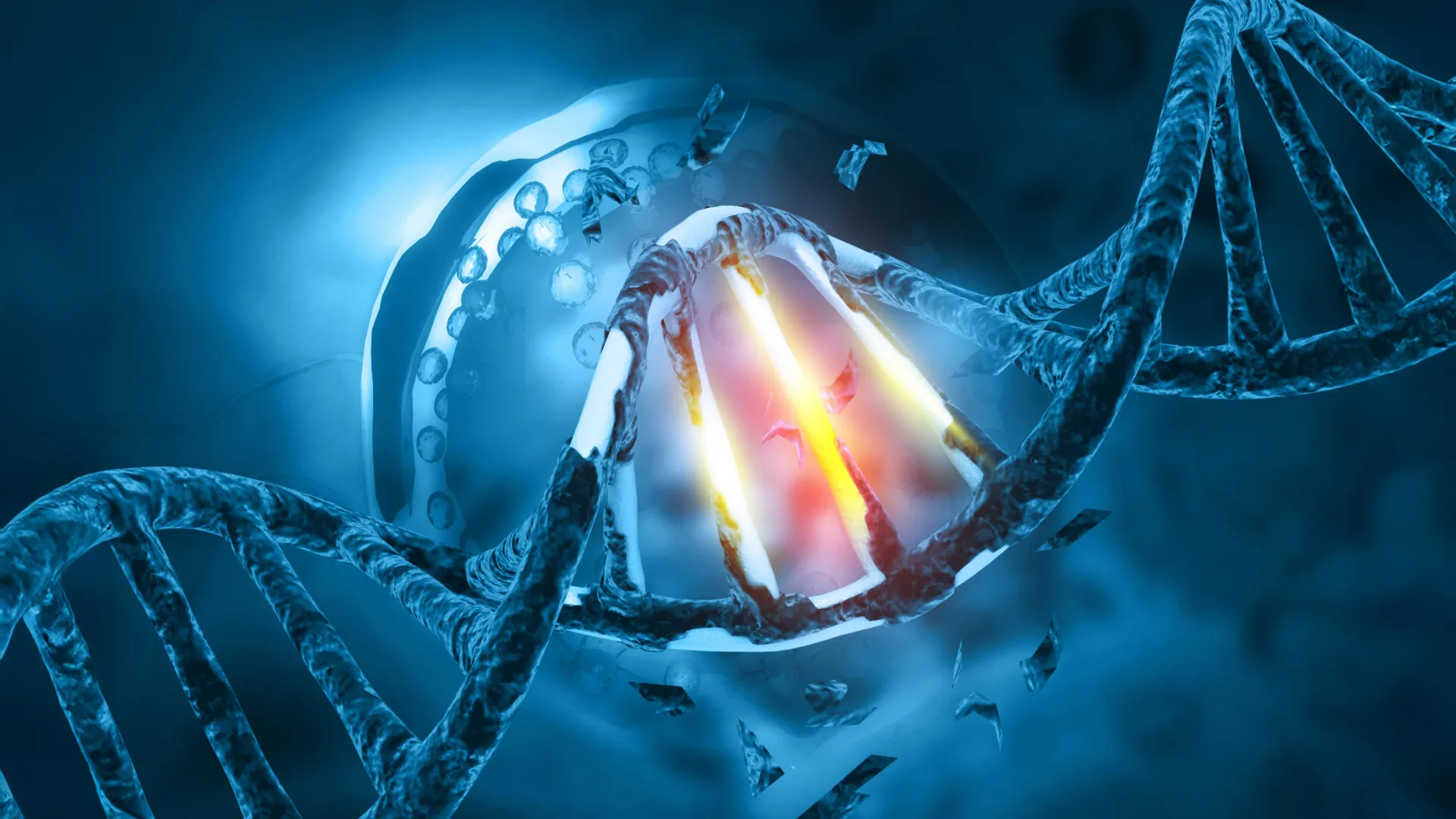
The long-held scientific assumption that the male germline is a static repository of genetic information has been fundamentally challenged by new research revealing that the testes are a site of intense, internal natural selection. According to a landmark study published in the journal Nature on October 8, 2024, genetic mutations that cause serious diseases become significantly more prevalent in sperm as men age, not merely because of random errors, but because these specific mutations grant sperm-producing cells a competitive advantage. This phenomenon, known as clonal expansion, allows cells carrying harmful DNA changes to outcompete healthy cells within the testes, leading to a "hidden" genetic risk for children born to older fathers.
The research, led by the Wellcome Sanger Institute in collaboration with King’s College London and Harvard Medical School, utilized cutting-edge genomic sequencing to map how mutations accumulate across the entire sperm genome. The findings provide the most detailed look to date at the "paternal age effect," a biological trend that has long linked older fatherhood with an increased risk of rare developmental disorders such as achondroplasia and Noonan syndrome. By shifting the focus from random mutation to active selection, the study provides a new framework for understanding reproductive health and the evolution of the human genome.
The Biological Mechanism: Selection Over Randomness
In most tissues of the human body, such as the skin or the lining of the gut, cells are constantly renewing. During this process, mutations naturally occur. While many of these mutations are neutral or harmful to the cell, some provide a "fitness advantage," allowing the mutated cell to grow and divide faster than its neighbors. In the context of cancer, this process is well-understood: a mutation allows a cell to bypass normal growth controls, leading to a tumor.
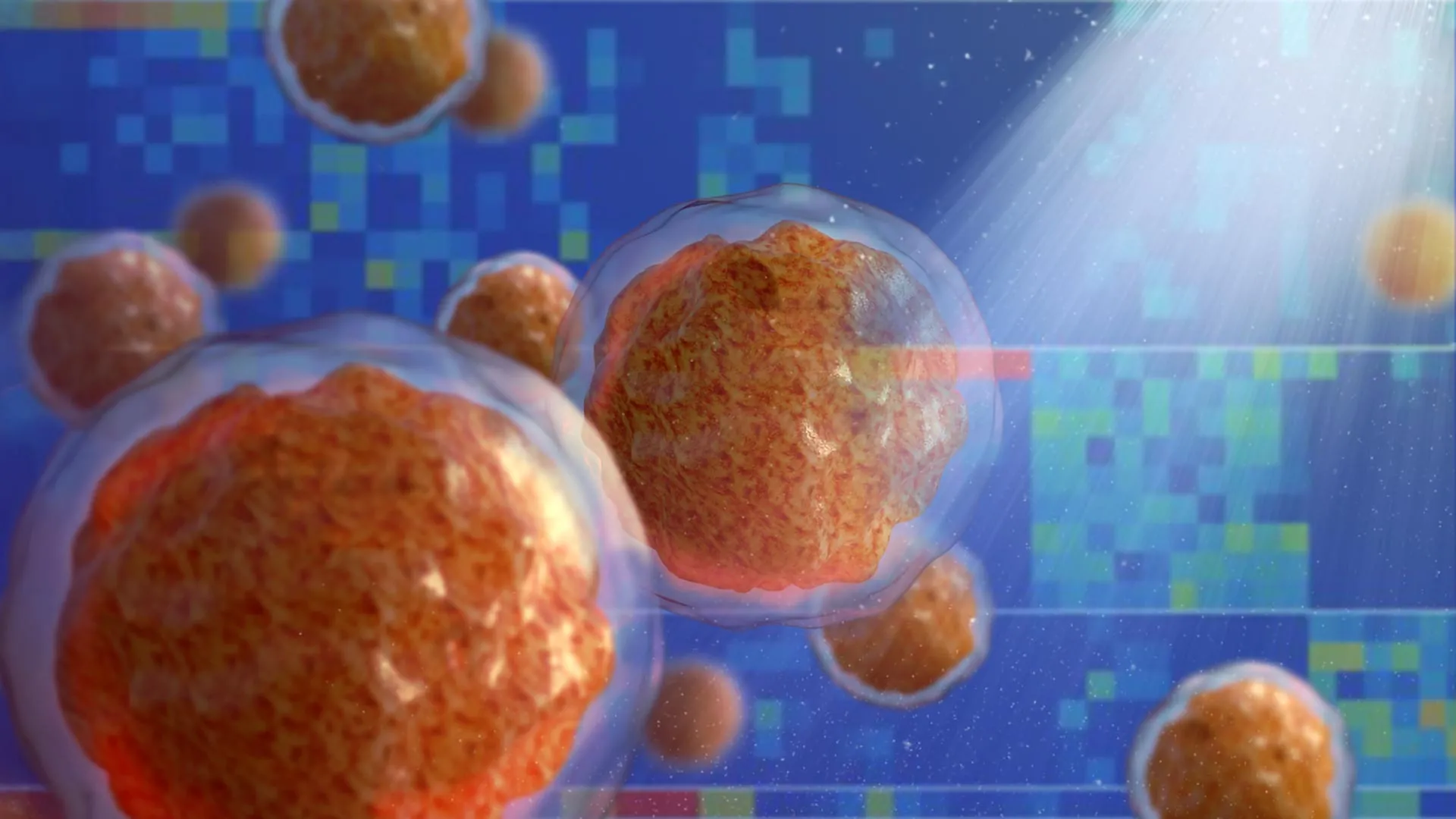
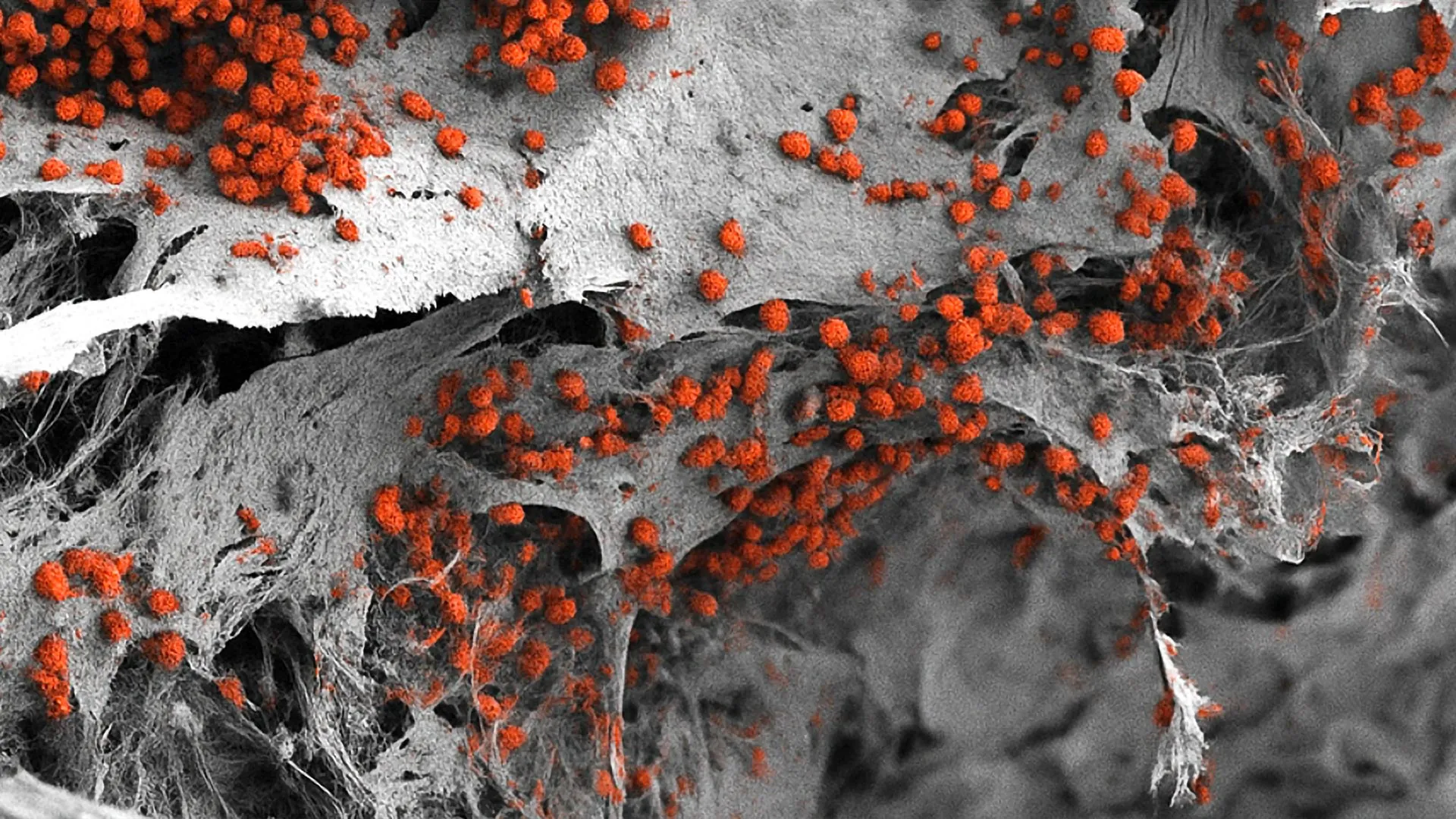
However, the new research demonstrates that a similar process occurs within the seminiferous tubules of the testes, where sperm are produced. Spermatogonial stem cells (SSCs) undergo continuous division throughout a man’s life to maintain sperm production. The study found that certain mutations in these stem cells actually make the cells more efficient at reproducing themselves. Consequently, these "selfish" cells expand into large clusters, or clones, which then produce a disproportionately high volume of sperm carrying the mutation.
While these mutations are "beneficial" for the survival and expansion of the stem cell within the testis, they are often "deleterious" or harmful for the resulting offspring. This creates a biological paradox where the very traits that allow a cell to thrive in the father’s body increase the risk of disease in the child.
Methodology: NanoSeq and the TwinsUK Cohort
To achieve the resolution necessary to see these rare mutations, researchers turned to a proprietary technology known as NanoSeq. Traditional DNA sequencing often struggles with "noise"—errors introduced by the sequencing process itself that can look like real mutations. NanoSeq is a duplex sequencing method that is significantly more accurate, capable of detecting a single mutation among billions of healthy DNA base pairs. This precision allowed the team to study the "ultra-rare" mutations present in sperm that would have been invisible to previous generations of scientists.
The study analyzed sperm samples from 81 healthy men aged 24 to 75. These participants were drawn from the TwinsUK cohort, the United Kingdom’s largest adult twin registry. By using this well-documented population, researchers were able to account for a wide variety of health and genetic backgrounds, ensuring that the findings were representative of the general population.
The data revealed a striking correlation between age and the frequency of harmful mutations. In men in their early 30s, approximately 2 percent of sperm carried mutations associated with known genetic diseases. By the time men reached their 40s and through their 70s, this proportion rose to between 3 and 5 percent. Specifically, among 70-year-old participants, the researchers found that 4.5 percent of their sperm contained these "selected" harmful mutations.
Identifying the Genetic Culprits
The research identified 40 specific genes that appear to benefit from clonal expansion in the testes. Of these, 13 had been previously identified in smaller, more targeted studies, but 27 were entirely new discoveries. Many of these genes are critical regulators of cell signaling pathways, such as the RAS-MAPK pathway, which controls how cells grow and divide.
When these genes mutate, they can lead to a variety of "paternal age effect" (PAE) disorders in children. These include:
- Neurodevelopmental Disorders: Conditions such as autism spectrum disorder, schizophrenia, and certain forms of intellectual disability.
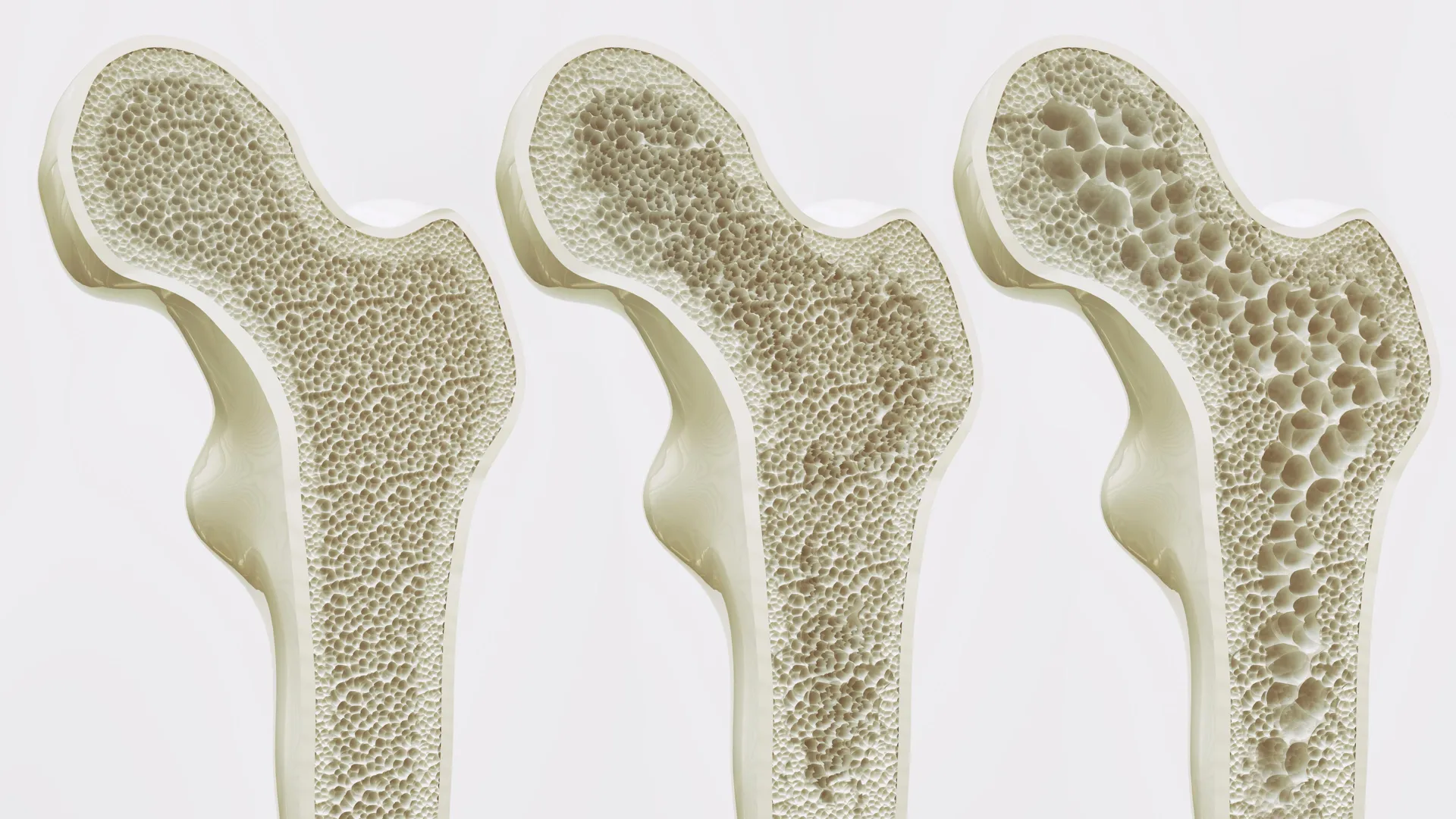
- Skeletal Dysplasias: Conditions like achondroplasia (the most common form of dwarfism).
- Congenital Heart Defects: Often linked to syndromes like Noonan syndrome.
- Cancer Predisposition: Some mutations increase the risk of pediatric cancers or early-onset malignancies in the next generation.
Crucially, the study noted that because these mutations are favored within the testes, they can increase the mutation rate in sperm by as much as 500-fold compared to the background rate of mutation in other parts of the genome. This explains why certain rare genetic disorders appear in children even when neither parent carries the mutation in their blood or saliva DNA.
Parallel Evidence from Parent-Child Trios
In a complementary study also published in Nature, researchers from Harvard Medical School and the Sanger Institute took an "outcome-based" approach. Rather than looking at sperm directly, they analyzed the DNA of over 54,000 parent-child trios (mother, father, and child) and 800,000 healthy individuals.
This massive data set allowed the team to observe which mutations were actually being passed on to the next generation. They found a significant overlap between the genes favored in sperm and the mutations appearing in children with rare developmental disorders. This dual-pronged approach—measuring the "input" in sperm and the "output" in children—confirms that the selective pressure in the testes is a primary driver of new (de novo) mutations in the human population.
One fascinating finding from the Harvard-led study is that some genes might appear to be linked to diseases in genetic databases as "false positives." Because these genes have such a high mutation rate due to selection in the testes, they appear frequently in genetic tests of sick children. However, researchers cautioned that in some cases, the high frequency might be a result of the "selfish" mutation process rather than the gene being the sole cause of the specific clinical symptoms observed.
Perspectives from the Research Team
The scientists involved in the study emphasized that while the findings are significant, they should be interpreted with care. Dr. Matthew Neville, the first author of the study from the Wellcome Sanger Institute, expressed surprise at the magnitude of the effect. "We expected to find some evidence of selection shaping mutations in sperm," Dr. Neville stated. "What surprised us was just how much it drives up the number of sperm carrying mutations linked to serious diseases."
Professor Matt Hurles, Director of the Wellcome Sanger Institute and a co-author of the paper, highlighted the implications for older fathers. "Our findings reveal a hidden genetic risk that increases with paternal age," Hurles said. "Some changes in DNA not only survive but thrive within the testes, meaning that fathers who conceive later in life may unknowingly have a higher risk of passing on a harmful mutation to their children."
Professor Kerrin Small, Scientific Director of the TwinsUK study, noted the importance of longitudinal data. "By working with the TwinsUK cohort, we could include valuable samples linked to rich health and genetic information, allowing us to explore how mutations accumulate and evolve with age in healthy individuals," Small explained.
Historical Context and Evolutionary Implications
The concept of "Selfish Spermatogonial Selection" was first proposed decades ago to explain why certain conditions, like Apert syndrome, occurred much more frequently than random mutation rates would suggest. However, until the advent of NanoSeq and large-scale trio analysis, proving this theory across the entire genome was impossible.
From an evolutionary standpoint, this process represents a conflict between different levels of selection. At the cellular level, the mutation is "good" because it helps the stem cell survive and replicate. At the organismal level (the child), the mutation is "bad" because it causes disease. At the species level, this process introduces significant genetic diversity, but at a high cost to individual health.
This research arrives at a time when the average age of fatherhood is rising globally. In many developed nations, the average age of first-time fathers has shifted into the early 30s, with a significant increase in men fathering children in their 40s and 50s. Understanding the precise genetic risks associated with this demographic shift is becoming a priority for public health and reproductive medicine.
Broader Impact and Future Directions
The implications of these studies extend into clinical practice, particularly in the fields of In Vitro Fertilization (IVF) and prenatal screening. Current prenatal tests often focus on chromosomal abnormalities (like Down syndrome) which are more commonly linked to maternal age. These new findings suggest that more sophisticated screening for single-gene mutations (de novo mutations) may be warranted for older fathers.
Furthermore, the research opens the door to studying how lifestyle and environmental factors—such as diet, smoking, or exposure to pollutants—might accelerate the clonal expansion of harmful mutations. If certain environments favor "selfish" cells even more strongly, the risk to future generations could be higher than age alone would suggest.
Dr. Raheleh Rahbari, senior author and Group Leader at the Wellcome Sanger Institute, concluded by challenging the notion of the "protected" germline. "There’s a common assumption that because the germline has a low mutation rate, it is well protected. But in reality, the male germline is a dynamic environment where natural selection can favor harmful mutations, sometimes with consequences for the next generation."
As genomic technology continues to advance, researchers hope to develop more refined risk assessment tools. For now, the study serves as a definitive map of the hidden evolutionary forces at work within the human body, providing a clearer understanding of how the health of future generations is shaped long before conception occurs.










Leave a Reply