


In a significant advancement for hematological oncology, researchers from Ludwig Cancer Research have identified a promising new therapeutic strategy to combat acute myelogenous leukemia (AML), one of the most aggressive and difficult-to-treat forms of blood cancer. The study, published in the journal Nature, details a dual-inhibitor approach that effectively dismantles the biological barriers preventing cancer cells from maturing into healthy blood cells. This discovery offers a potential lifeline for patients diagnosed with a disease where the median survival time currently stands at a sobering 8.5 months.
The research was a collaborative effort led by Yang Shi and Amir Hosseini of Ludwig Oxford, alongside Abhinav Dhall at Harvard Medical School and partners from the University of Pennsylvania and the University of Helsinki. By focusing on the fundamental "differentiation block" that defines AML, the team has identified a synergistic drug combination that could redefine the standard of care for various AML subtypes.
The Challenge of Acute Myelogenous Leukemia
Acute myelogenous leukemia is characterized by the rapid growth of abnormal white blood cells that build up in the bone marrow and interfere with the production of normal blood cells. While AML is recognized as a genetically heterogeneous disease—meaning it manifests through various mutations across different patients—it maintains a singular, devastating hallmark: the impaired differentiation of myeloid progenitor cells.
Under normal conditions, these progenitor cells in the bone marrow undergo a precise developmental journey to become mature, functional blood cells such as monocytes or granulocytes. In AML patients, this journey is halted. The resulting "differentiation block" leads to a massive accumulation of immature leukemic blasts. These cells are unable to perform essential biological functions and eventually crowd out healthy cells, leading to bone marrow failure, anemia, infection, and hemorrhage.
Current treatments for AML have historically relied on intensive chemotherapy, often referred to as the "7+3" regimen. While this can induce remission, many patients—particularly older adults—suffer from high rates of relapse and severe toxicity. The 8.5-month median survival rate underscores the urgent need for therapies that target the underlying molecular mechanisms of the disease rather than simply attempting to kill all rapidly dividing cells.
The Promise of Differentiation Therapy
The concept of "differentiation therapy" is not entirely new to oncology, but its application has been limited. The strategy involves using pharmacological agents to force leukemic cells to resume their maturation process, effectively turning malignant cells into harmless, mature cells that eventually die off naturally.
The most notable success in this field is the treatment of acute promyelocytic leukemia (APL), a specific subtype of AML. Through a combination of all-trans retinoic acid (ATRA) and arsenic trioxide, clinicians have achieved a cure rate of approximately 95%. This success served as a blueprint for the Ludwig researchers, who sought to replicate this "differentiation push" in other, more resistant subtypes of AML.
"The drug combination we have identified works by activating genes that drive cell differentiation while suppressing genes that promote cell proliferation and cancer growth," explained Yang Shi, a professor in the Nuffield Department of Medicine at the University of Oxford and a key figure in the study.
The Role of Epigenetics: LSD1 and the Search for Synergy
The researchers focused on epigenetic enzymes—proteins that modify DNA or its surrounding histone packaging to turn genes on or off without changing the underlying genetic code. In 2004, Yang Shi discovered the enzyme LSD1 (lysine-specific demethylase 1), which plays a critical role in this process by removing methyl groups from histones.
LSD1 is frequently overexpressed in AML and is known to help maintain the "stemness" of leukemic cells, keeping them in an immature, rapidly dividing state. While pharmaceutical companies have developed LSD1 inhibitors, their clinical utility as a monotherapy has been hampered by dose-limiting toxicities. When used at the high levels required to overcome the differentiation block, these drugs can cause significant side effects in patients.
"While LSD1 inhibitors have been developed and shown to induce differentiation in AML stem cells, they’ve had limited success in clinical studies owing to their toxicity when used alone," noted Amir Hosseini. "To limit that toxicity, we thought we’d try to identify other drugs that could synergize with LSD1 inhibitors."
Experimental Chronology and Methodology
The team began their investigation by screening a wide array of small-molecule inhibitors to find a partner for LSD1. Using mouse leukemic cell models, they conducted high-throughput screenings to observe which combinations could trigger differentiation at lower, safer doses.
The search led them to inhibitors of GSK3α/β (glycogen synthase kinase 3). GSK3 is an enzyme involved in several vital signaling pathways, including the WNT pathway, which is often hijacked by cancer cells to promote self-renewal and survival. Unlike experimental drugs, GSK3 inhibitors have already undergone significant clinical evaluation for other indications and have demonstrated a manageable safety profile in human subjects.
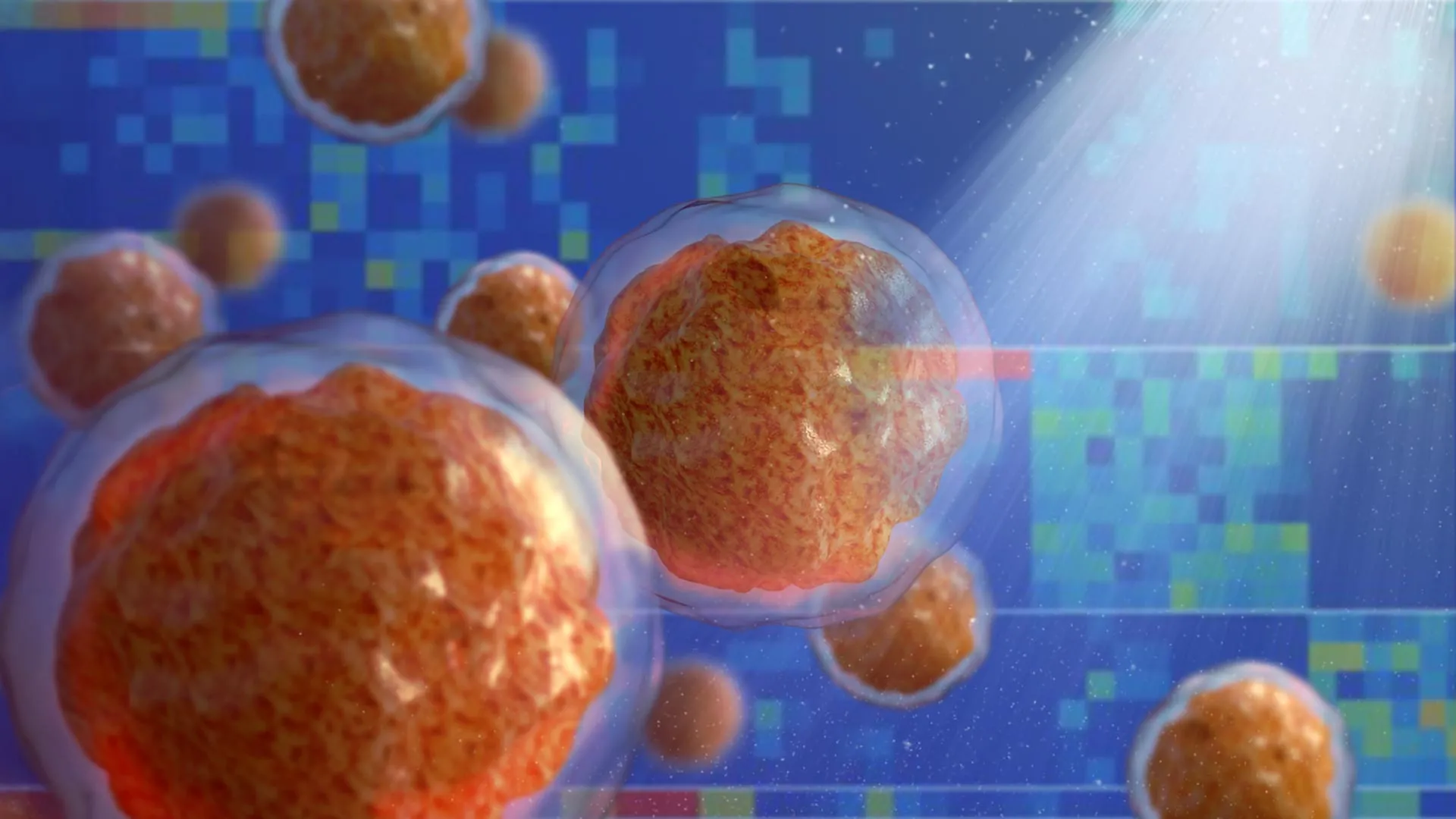
The researchers observed that when a low dose of an LSD1 inhibitor was paired with a GSK3 inhibitor, the effect was transformative. In laboratory cultures representing multiple AML subtypes, the combination successfully bypassed the differentiation arrest. The cells began to exhibit the characteristics of mature myeloid cells, and their rate of proliferation plummeted.
Validating Results in Preclinical Models
To confirm the efficacy of the combination in a more complex biological environment, the researchers moved from cell cultures to in vivo studies. They utilized "xenograft" models, where human AML cells were transplanted into mice.
The results were compelling:
- Survival Extension: Mice treated with the combination therapy lived significantly longer than those in control groups or those receiving only one of the two drugs.
- Selective Toxicity: Crucially, the treatment appeared to selectively target the leukemic cells. Healthy hematopoietic stem cells—the "mother cells" of normal blood—remained largely unaffected. This selectivity is the "holy grail" of cancer treatment, as it suggests the therapy could be administered to patients with fewer side effects than traditional chemotherapy.
- Gene Expression Signature: The researchers analyzed the gene expression changes induced by the therapy. They found that the "signature" of genes activated by the LSD1/GSK3 combination correlated with the gene expression profiles of AML patients who naturally experience longer survival times.
Molecular Mechanisms and Broader Implications
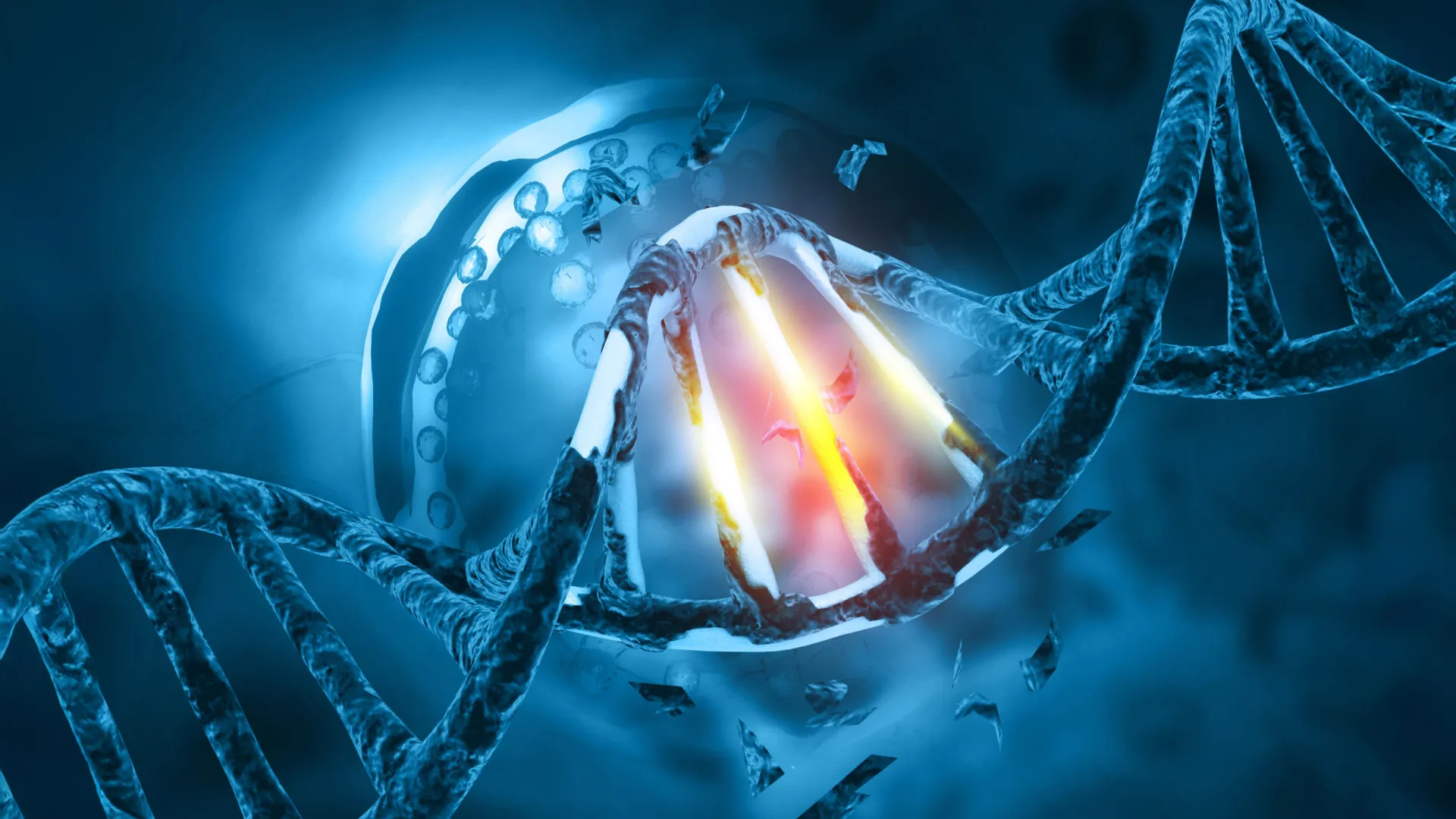
The study provides a detailed map of how these two drugs interact at the molecular level. By inhibiting LSD1, the researchers "prime" the chromatin (the material that makes up chromosomes), making specific genes accessible for activation. The GSK3 inhibitor then triggers the signaling pathways necessary to actually turn those genes on, specifically those related to cell maturation.
This "one-two punch" re-wires the leukemic cell’s internal programming. It forces the cell to abandon its stem-cell-like traits—which drive the cancer’s growth and resistance—and embrace a differentiated state.
The implications of this research extend beyond AML. The WNT signaling pathway, which is influenced by GSK3, is implicated in a wide range of solid tumors and other blood cancers. The success of this combination therapy suggests that similar epigenetic-priming strategies could be used to treat other cancers driven by the overactivation of self-renewal pathways.
Clinical Outlook and Expert Consensus
The fact that both LSD1 and GSK3 inhibitors are already in clinical development for other uses significantly shortens the timeline for potential patient access. Because the safety profiles of these individual agents are already being documented, moving to a Phase I or II clinical trial for the combination therapy is a much lower hurdle than starting with entirely new chemical entities.
"Our findings provide compelling evidence to support the testing of this combination therapy in AML patients," said Shi. "Both of the inhibitors involved are not only available but have been developed for human use and are currently being evaluated in clinical trials."
The oncology community has reacted with cautious optimism. While preclinical success does not always translate to human cures, the mechanistic clarity of this study and the use of existing drug classes provide a strong foundation. Medical analysts suggest that if human trials mirror the mouse model results, this could represent the first major shift in AML differentiation therapy since the introduction of ATRA for APL decades ago.
Funding and Institutional Support
The multi-year study was supported by a robust network of international research organizations, reflecting the global importance of the findings. Funding was provided by Ludwig Cancer Research, the National Institutes of Health (NIH), the Research Council of Finland, the Cancer Foundation Finland, the Sigrid Jusélius Foundation, and the National Institute for Health Research. Additional support came from the Oxford Biomedical Research Centre and Cancer Research UK.
As the research moves toward the clinical trial phase, the focus will shift to identifying the specific cohorts of AML patients—based on their genetic markers—who are most likely to respond to this dual-inhibitor approach. Given the high mortality rate of the disease, the medical community is watching closely to see if this "barrier-dismantling" strategy can finally turn the tide against acute myelogenous leukemia.













Leave a Reply