

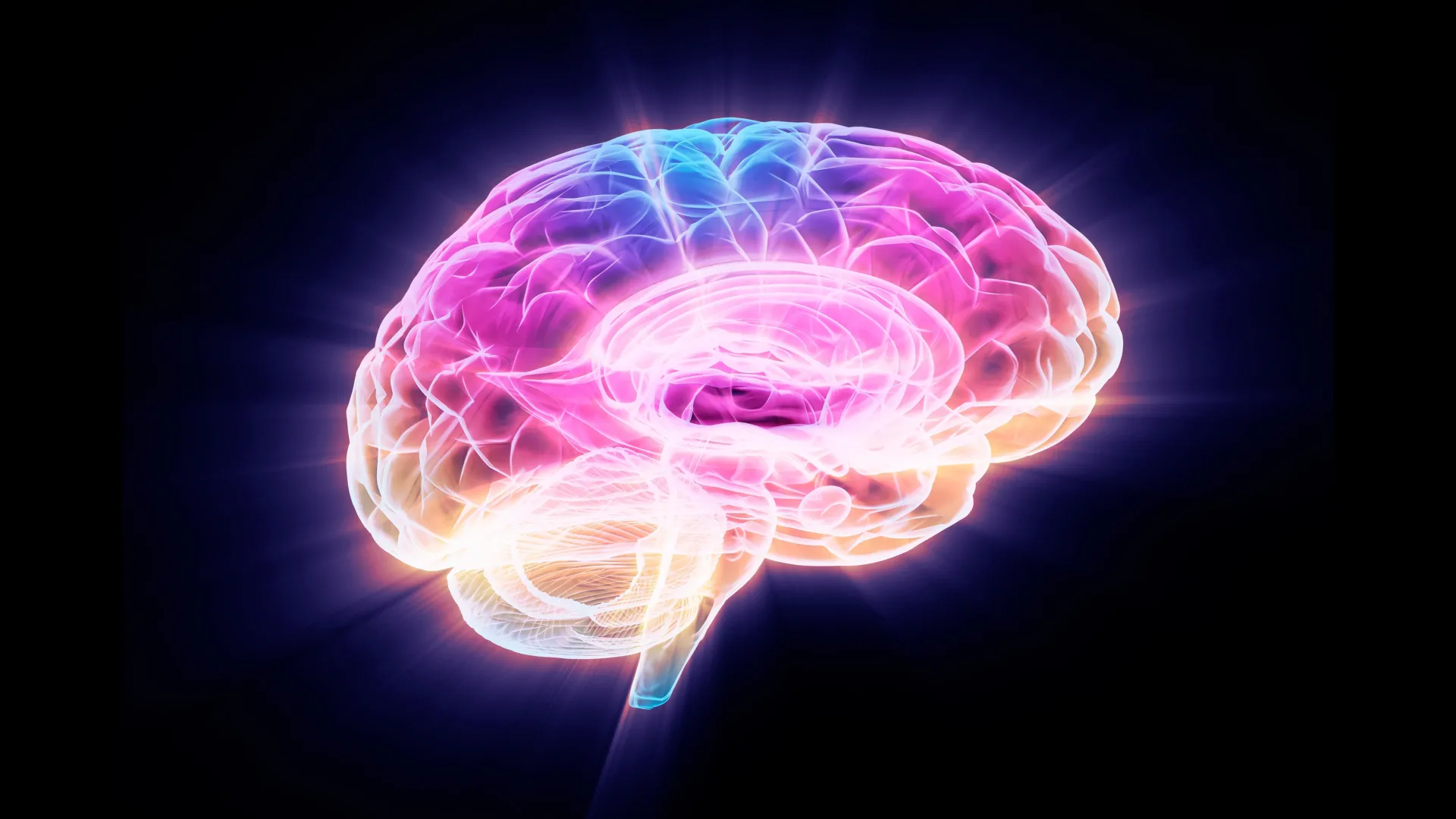
The aging process has long been recognized as the primary risk factor for a wide array of neurodegenerative conditions, with the hippocampus—a critical region of the brain responsible for learning, navigation, and the formation of complex memories—bearing the brunt of this biological decline. Researchers at the University of California, San Francisco (UCSF) have recently published a landmark study in the journal Nature Aging that identifies a specific protein, Ferritin Light Chain (FTL1), as a central driver of this age-related cognitive deterioration. By isolating this protein and demonstrating its influence on neuronal architecture and cellular metabolism, the UCSF team has not only pinpointed a biomarker for brain aging but has also successfully reversed cognitive impairments in laboratory models, opening a significant new chapter in the quest for anti-aging therapies.
The Discovery of FTL1: A Proteomic Breakthrough
To identify the molecular triggers of brain aging, the research team, led by senior author Saul Villeda, PhD, associate director of the UCSF Bakar Aging Research Institute, conducted a comprehensive longitudinal analysis of the hippocampus in mice. The study utilized advanced proteomic and genomic screening techniques to track fluctuations in thousands of proteins and gene expressions as the subjects progressed from youth to old age.
While the aging brain typically exhibits a complex mosaic of molecular changes, the researchers found that FTL1 stood out with singular consistency. In every experimental cohort, FTL1 levels were significantly elevated in the hippocampi of older mice compared to their younger counterparts. This elevation was not merely a passive byproduct of aging; it correlated precisely with a measurable decline in cognitive function and a reduction in the density of synaptic connections—the vital junctions where neurons communicate.
The identification of FTL1 is particularly noteworthy because ferritin is traditionally known for its role in iron storage. However, the UCSF study suggests that in the context of the aging hippocampus, an overabundance of the light chain component of this protein triggers a cascade of negative effects that extend far beyond simple iron management, fundamentally altering the structural integrity and energetic efficiency of brain cells.
Mapping the Impact: Neuronal Simplification and Cognitive Decline
The research team employed a "gain-of-function" approach to verify whether FTL1 was a direct cause of aging symptoms rather than a coincidental marker. By artificially boosting FTL1 levels in young, healthy mice, the scientists were able to replicate the cognitive and physiological profile of aged animals.
The results were immediate and visible at the cellular level. Nerve cells engineered to overexpress FTL1 underwent a process described as "neuronal simplification." In a healthy brain, neurons feature elaborate, branching structures known as dendritic trees, which allow them to receive and process information from thousands of neighboring cells. Under the influence of high FTL1 levels, these complex networks withered, leaving neurons with short, single extensions. This loss of structural complexity directly correlates with a reduced capacity for synaptic plasticity—the brain’s ability to strengthen or weaken connections in response to new information.
Behaviorally, the young mice with elevated FTL1 performed significantly worse on standardized memory tests, such as the Morris Water Maze and novel object recognition tasks. Their ability to navigate spatial environments and retain information was compromised, effectively "aging" their cognitive performance by several months in a matter of weeks.
Reversing the Clock: The Success of FTL1 Reduction
Perhaps the most consequential finding of the UCSF study lies in the "loss-of-function" experiments conducted on older mice. While many aging studies focus on prevention or the slowing of decline, Villeda’s team sought to determine if the damage already done by FTL1 could be undone.
When the researchers used molecular tools to reduce FTL1 levels in the hippocampi of aged mice, they observed a remarkable recovery of function. The dendritic branches of the neurons began to regrow, increasing the number of available connections between brain cells. More importantly, these physiological improvements translated into behavioral success. The older mice, which had previously struggled with memory-based tasks, showed a restored ability to learn and recall information, performing at levels comparable to much younger animals.
"It is truly a reversal of impairments," said Dr. Villeda. "It’s much more than merely delaying or preventing symptoms. We are seeing that the brain retains a degree of plasticity that allows it to recover once the inhibitory influence of FTL1 is removed."
The Metabolic Connection: Energy Depletion in the Aging Brain
To understand how FTL1 causes such profound damage, the researchers investigated the metabolic health of the hippocampal cells. They discovered that high levels of FTL1 act as a metabolic brake, slowing down the cellular machinery that produces energy. In the aging brain, mitochondria—the powerhouses of the cell—often become less efficient, but the UCSF study found that FTL1 directly exacerbated this trend.
The slowed metabolism leads to a state of chronic energy deficiency, making it impossible for neurons to maintain their complex branching structures or sustain the high-energy demands of synaptic transmission. To confirm this link, the researchers treated FTL1-heavy cells with a compound designed to boost cellular metabolism. This intervention effectively neutralized the negative structural effects of the protein, suggesting that FTL1’s primary mechanism of injury is the starvation of the cell’s energy resources.
This metabolic insight provides a dual pathway for future drug development: one that targets the reduction of FTL1 directly, and another that bolsters the metabolic resilience of neurons to withstand the protein’s presence.
Chronology of the Research and Scientific Context
The UCSF study is the culmination of years of investigation into the systemic factors of aging. Dr. Saul Villeda has long been a pioneer in this field, previously gaining international recognition for research into "parabiosis"—the study of how factors in young blood can rejuvenate old tissues.
- Phase 1 (Discovery): The team began with a broad-spectrum proteomic screen of the mouse hippocampus, identifying FTL1 as the most consistently upregulated protein across aging populations.
- Phase 2 (Validation): Researchers manipulated FTL1 levels in young mice to confirm its role as a driver of cognitive decline and neuronal simplification.
- Phase 3 (Mechanistic Study): Lab experiments on engineered nerve cells revealed the link between FTL1 and impaired cellular metabolism.
- Phase 4 (Intervention): The final stage involved the successful reversal of memory loss in aged mice through the targeted reduction of FTL1 and the use of metabolic boosters.
This discovery fits into a broader scientific timeline where researchers are moving away from treating individual "diseases of aging" (like Alzheimer’s or Parkinson’s) and toward addressing the underlying biological processes of aging itself. By targeting the fundamental drivers of hippocampal decline, scientists hope to provide a "tide that lifts all boats," improving cognitive health across the board for the elderly.
Broader Implications and Future Therapeutic Development
The implications of identifying FTL1 as a key driver of brain aging are vast. For the millions of individuals experiencing age-related memory loss—often referred to as "senior moments" or mild cognitive impairment—this research offers a tangible target for medical intervention. Unlike many previous attempts to treat dementia which focused on clearing amyloid plaques, targeting FTL1 addresses the structural and metabolic health of the neurons themselves.
The study also suggests that FTL1 could serve as a vital biomarker. If FTL1 levels can be accurately measured in humans through blood tests or advanced neuroimaging, clinicians might be able to predict cognitive decline years before symptoms manifest, allowing for earlier and more effective intervention.
However, the transition from mouse models to human therapies involves significant hurdles. While the biology of the hippocampus is highly conserved across mammalian species, human brain aging is influenced by a wider array of genetic, environmental, and lifestyle factors. The next steps for the UCSF team will involve validating these findings in human tissue samples and developing small-molecule inhibitors or gene therapies that can safely lower FTL1 levels in the human brain without disrupting the essential role that iron storage plays in general physiology.
Conclusion and Institutional Support
The UCSF study represents a significant leap forward in our understanding of why the brain loses its edge with age. By demonstrating that the cognitive "clock" can be turned back, the research provides a powerful antidote to the long-held belief that brain aging is an irreversible, one-way street.
"We’re seeing more opportunities to alleviate the worst consequences of old age," Dr. Villeda remarked. "It’s a hopeful time to be working on the biology of aging."
The research was a collaborative effort involving a diverse team of scientists from UCSF, including Laura Remesal, PhD, Juliana Sucharov-Costa, and several others across departments of anatomy and pharmaceutical chemistry. The work was supported by an extensive network of funding, including the Simons Foundation, the Bakar Family Foundation, the National Science Foundation, and several grants from the National Institutes of Health (NIH). This robust financial backing underscores the scientific community’s commitment to solving the challenges of an aging global population.
As the global demographic shifts toward an older average age, the discovery of FTL1’s role in the hippocampus may prove to be one of the most critical breakthroughs in 21st-century neuroscience, potentially transforming the final decades of life from a period of inevitable decline into one of sustained cognitive vitality.










Leave a Reply