

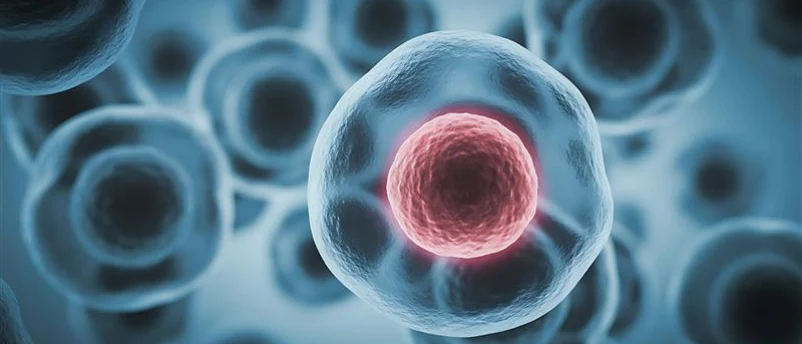
The scientific community is abuzz with the potential of a groundbreaking advancement in cellular analysis, as Takara Bio introduces its Trekker Single-Cell Spatial Mapping Kits. These innovative kits are poised to revolutionize single-cell research by seamlessly integrating the rich molecular detail of single-cell genomics with the crucial contextual information of a cell’s precise location within its native tissue environment. This development addresses a long-standing challenge in biology: understanding not just what individual cells are doing, but where they are doing it, and how their interactions within complex tissues dictate biological processes and disease progression.
The Evolving Landscape of Single-Cell Genomics
For over a decade, single-cell genomics has been heralded as a transformative force in biological research. Technologies such as single-cell RNA sequencing (scRNA-seq) have enabled researchers to dissect the heterogeneity of cell populations within complex tissues, identifying novel cell types, charting developmental trajectories, and uncovering subtle transcriptional changes in disease states. Prior to the advent of single-cell methods, bulk sequencing approaches provided an average molecular profile across millions of cells, obscuring the unique contributions of individual cellular components. The ability to profile gene expression at the resolution of a single cell has dramatically reshaped our understanding of immunology, neuroscience, developmental biology, and oncology, leading to an explosion of discoveries and a deeper appreciation for cellular diversity.
The impact of single-cell genomics is evident in the exponential growth of scientific publications utilizing these techniques. From a handful of papers in the early 2010s, the number surged to thousands annually by the late 2010s, with platforms like 10x Genomics’ Chromium system democratizing access and accelerating adoption. This paradigm shift has enabled researchers to meticulously characterize cellular landscapes, for instance, identifying rare immune cell subsets in tumors or charting the developmental lineage of neurons from progenitor cells.
However, despite these profound advancements, a critical piece of the biological puzzle remained elusive: the spatial organization of these cells. While scRNA-seq could reveal the molecular identity of myriad cell types within a tissue, it necessitated the dissociation of the tissue into individual cells, thereby destroying the invaluable information about their original physical arrangement. This loss of spatial context presented a significant limitation, particularly in fields where cell-to-cell communication, microenvironmental cues, and architectural integrity are paramount to function, such as in the intricate wiring of the brain, the complex immune microenvironment of tumors, or the precise layering of cells during organ development. Researchers could identify a rare cell type, for instance, but couldn’t definitively know if it was located at the tumor periphery, deep within the stroma, or adjacent to a specific blood vessel – information that is often critical for understanding its role and potential therapeutic targeting.
The Imperative of Spatial Biology
The recognition of this "missing component" spurred the rapid emergence of spatial biology, a new frontier in omics research focused on mapping molecular activity directly within intact tissue sections. The fundamental premise of spatial biology is that a cell’s function is inextricably linked to its neighborhood. For example, in cancer research, the spatial arrangement of immune cells, tumor cells, and stromal cells within the tumor microenvironment (TME) is a key determinant of disease progression, metastasis, and response to immunotherapy. Similarly, in neurodegenerative diseases, understanding the precise location of pathological protein aggregates relative to specific neuronal subtypes is crucial for deciphering disease mechanisms.
Early forays into spatial transcriptomics involved technologies that could map gene expression to broad regions of a tissue. While these methods provided valuable insights into tissue-level organization, they often lacked the single-cell resolution required to fully appreciate cellular heterogeneity and fine-grained interactions. The challenge has been to develop technologies that not only provide spatial information but also maintain the high molecular sensitivity and cellular resolution characteristic of state-of-the-art single-cell genomics. This dual requirement ensures that researchers can simultaneously identify rare cell populations and precisely map their positions, without compromising the depth of molecular discovery they have come to expect from single-cell techniques. The ability to detect low-abundance transcripts, for example, is vital for characterizing quiescent cells, early-stage disease markers, or subtle changes in gene expression that differentiate closely related cell states.
Takara Bio’s Innovation: The Trekker Solution
Takara Bio, a global leader in life science research tools, has stepped forward to address this critical need with its Trekker Single-Cell Spatial Mapping Kits. These kits represent a significant leap forward by transforming standard single-cell genomics data into spatially resolved information, effectively bridging the gap between molecular depth and anatomical context. The core innovation of Trekker technology lies in its ability to tag each nucleus within its native tissue environment with unique spatial barcodes. This process occurs in situ, meaning the tissue remains intact throughout the critical tagging phase, preserving the cellular architecture.
The mechanism behind Trekker technology involves a sophisticated interplay of molecular biology and imaging. Before tissue dissociation for standard single-cell sequencing, the Trekker workflow introduces unique molecular tags directly into the nuclei of cells within a fixed tissue section. These tags are designed to encode precise spatial coordinates. Once tagged, the tissue can then be processed using conventional single-cell genomics workflows, such as nuclear isolation and single-nucleus RNA sequencing (snRNA-seq). Crucially, when the sequencing data is generated, each read carries not only the gene expression information from an individual nucleus but also its unique spatial barcode. This allows researchers to computationally reconstruct the original spatial map of all profiled nuclei, placing each cell’s comprehensive molecular profile back into its exact location within the tissue.
A key advantage highlighted by Takara Bio is the preservation of "high molecular sensitivity." This refers to the technology’s ability to detect a broad range of transcripts, including those expressed at low levels, which is crucial for identifying subtle cellular states or rare cell populations. By integrating directly with established single-cell genomics protocols, Trekker minimizes the technical hurdles often associated with adopting entirely new platforms, allowing researchers to leverage their existing expertise and equipment while gaining a new dimension of data. This approach is particularly beneficial for laboratories already invested in single-nucleus sequencing infrastructure, as it provides an immediate pathway to spatial data without extensive additional investment in new hardware.

Technical Specifications and Advantages
The Trekker Single-Cell Spatial Mapping Kits are designed for compatibility and ease of use, aiming to integrate seamlessly into existing laboratory workflows. The kits are optimized for fixed tissue samples, a common preparation method in many research settings and crucial for preserving tissue morphology, further broadening their applicability. The precision of the spatial barcoding ensures high-resolution mapping, typically at the single-cell or single-nucleus level, allowing for detailed analysis of cellular neighborhoods and interactions.
Specific advantages of the Trekker technology include:
- Unparalleled Integration: Unlike some spatial technologies that require specialized instruments or complex optical setups, Trekker leverages standard single-nucleus RNA sequencing workflows, making it accessible to a wider range of laboratories already performing single-cell genomics. This reduces the barrier to entry for spatial analysis.
- High Molecular Sensitivity: By utilizing established single-nucleus sequencing chemistries, Trekker ensures that the comprehensive gene expression profiles of individual cells are maintained, allowing for the detection of thousands of genes per cell, including those with low abundance. This is critical for robust cell type identification and functional characterization, especially for rare cell populations or transient cellular states.
- Precise Spatial Resolution: The unique spatial barcoding strategy provides accurate positional information for each profiled nucleus, enabling researchers to reconstruct intricate tissue maps and study cell-cell interactions within their native context with granular detail. This can resolve interactions between adjacent cells that might be missed by lower-resolution methods.
- Scalability: The ability to process multiple samples concurrently and integrate with high-throughput sequencing platforms makes Trekker suitable for larger-scale studies, allowing for comprehensive spatial analyses across cohorts or conditions. This is essential for translational research involving numerous patient samples.
- Preservation of Tissue Architecture: The in situ barcoding step ensures that the delicate spatial relationships between cells are preserved until the point of data acquisition, a crucial factor for accurate contextual analysis. This minimizes artifacts that can arise from tissue manipulation.
According to Dr. Elizabeth Jones, Senior Product Manager for Spatial Biology at Takara Bio, "The Trekker Single-Cell Spatial Mapping Kits represent a pivotal step in democratizing spatial biology. We recognized the immense value of single-cell data but also its inherent limitation when stripped of context. Trekker was developed to empower researchers to effortlessly layer spatial information onto their existing single-cell genomics data, unlocking unprecedented insights into tissue architecture, disease progression, and therapeutic response. Our goal is to provide tools that accelerate discovery without compromising data quality or ease of use, ensuring that the critical high molecular sensitivity that single-cell genomics offers is preserved in a spatial context."
Applications and Broader Implications
The introduction of the Trekker Kits holds profound implications across numerous biological and medical disciplines:
- Cancer Research: Understanding the spatial organization of tumor cells, immune cells, and stromal cells within the tumor microenvironment is critical for identifying mechanisms of immune evasion, resistance to therapy, and predicting patient outcomes. Trekker can help map the precise location of specific immune cell subsets relative to tumor cells, offering targets for novel immunotherapies and providing insights into the dynamics of metastatic spread.
- Neuroscience: The brain’s complexity stems from the precise arrangement and connectivity of its myriad neuronal and glial cell types. Trekker can aid in mapping neuronal circuits, identifying spatially restricted gene expression patterns associated with neurological disorders like Alzheimer’s or Parkinson’s, and understanding developmental processes. This could reveal how disease pathologies propagate through specific neural pathways.
- Developmental Biology: During embryonic development, cells undergo orchestrated movements and differentiations that are highly dependent on their spatial cues and interactions. Trekker can provide a dynamic view of gene expression patterns across developing tissues, illuminating the regulatory networks that govern organogenesis and tissue patterning, from early gastrulation to organ formation.
- Immunology: The spatial organization of immune cells within lymphoid organs, sites of infection, or inflammatory lesions is crucial for mounting effective immune responses. Trekker can help decipher the spatial dynamics of immune cell infiltration, activation, and interaction in various disease models, offering new perspectives on autoimmune diseases and host-pathogen interactions.
- Drug Discovery and Development: By providing a clearer picture of cellular pathology in its native context, Trekker can facilitate the identification of novel therapeutic targets, enable the characterization of drug penetration and efficacy at a cellular level, and aid in the discovery of spatial biomarkers for patient stratification. The ability to spatially resolve drug effects can significantly refine preclinical and clinical studies, potentially reducing failure rates and accelerating the development of precision medicines.
The market for spatial omics technologies is experiencing rapid growth, driven by the increasing recognition of spatial context’s importance. Projections indicate this market will reach several billion dollars in the coming years. While several platforms exist, including those based on in situ sequencing, imaging, or micro-dissection, they often come with trade-offs regarding resolution, throughput, or integration complexity. Trekker’s unique position lies in its ability to leverage the established infrastructure and expertise of single-cell genomics, offering a high-resolution, high-sensitivity spatial solution that is both accessible and powerful. This positions Takara Bio as a key player in accelerating the adoption of spatial biology across diverse research landscapes.
A Chronology of Omics Integration
The journey to spatial single-cell analysis can be seen as a natural progression in omics technologies, each building upon the capabilities of its predecessors:
- Early 2000s: The completion of the Human Genome Project catalyzed the era of bulk genomics, providing foundational information about genes and their sequences. This period was marked by the rapid development of microarrays and early sequencing technologies.
- Mid-2000s – Early 2010s: The rise of next-generation sequencing (NGS) dramatically increased sequencing throughput and reduced costs, making large-scale genomic and transcriptomic studies feasible. This led to comprehensive atlases of gene expression across various tissues and conditions.
- Mid-2010s: Single-cell RNA sequencing (scRNA-seq) emerges as a transformative technology, allowing for cellular heterogeneity to be studied at unprecedented resolution, moving beyond bulk averages. Key technologies like Drop-seq and 10x Genomics’ Chromium system rapidly democratized scRNA-seq, leading to the identification of thousands of novel cell types and states.
- Late 2010s – Early 2020s: The critical need for spatial context becomes widely recognized. Early spatial transcriptomics methods (e.g., Visium by 10x Genomics, MERFISH, seqFISH, Xenium, and various imaging-based approaches) begin to emerge, offering varying degrees of resolution and throughput. These technologies confirmed the immense value of positional information.
- Present Day: Technologies like Takara Bio’s Trekker Kits represent the next evolution, aiming to combine the best of both worlds – the molecular depth of single-cell genomics with the precise spatial localization of cells within intact tissues, thereby offering a truly comprehensive view of biological systems. This integration signifies a maturity in omics technologies, moving towards multi-dimensional data acquisition that mirrors biological reality more closely.
Supporting Data and Future Outlook
The data generated by Trekker Kits are exceptionally rich, consisting of millions of individual gene expression profiles, each meticulously linked to a precise spatial coordinate within the original tissue. This enables researchers to perform sophisticated analyses, such as identifying spatially defined cell niches, charting gradients of gene expression, and constructing interaction maps between neighboring cells. The high molecular sensitivity ensures that even subtle changes in gene expression, indicative of specific cellular states or responses, are captured and localized. For example, researchers can now precisely map the expression of specific immune checkpoint genes within the TME, correlating expression levels with the spatial proximity of immune cells and tumor cells.
Looking ahead, the integration of spatial context with single-cell genomics is poised to unlock entirely new avenues of discovery. Researchers will be able to build comprehensive "atlases" of tissues and organs, detailing not only every cell type and its molecular state but also its exact position and interactions. This will pave the way for a more holistic understanding of health and disease, driving personalized medicine initiatives and accelerating the development of targeted therapies. The potential for multi-omic spatial profiling—combining transcriptomics with proteomics or epigenomics—also looms large, promising even deeper insights into cellular function and interaction within tissue contexts. Takara Bio’s commitment to innovation, as demonstrated by the Trekker Kits, signals a future where the complexities of biological systems can be explored with unprecedented clarity and depth.
Researchers interested in leveraging this innovative technology can access detailed information and product notes directly from Takara Bio’s official channels. The company encourages interested parties to complete a dedicated form to discover more about preserving the high molecular sensitivity of single-cell data while gaining invaluable spatial insights. This initiative underscores Takara Bio’s dedication to equipping the scientific community with advanced tools that push the boundaries of biological understanding and accelerate critical research.
This post was supported by Takara Bio.

















Leave a Reply