


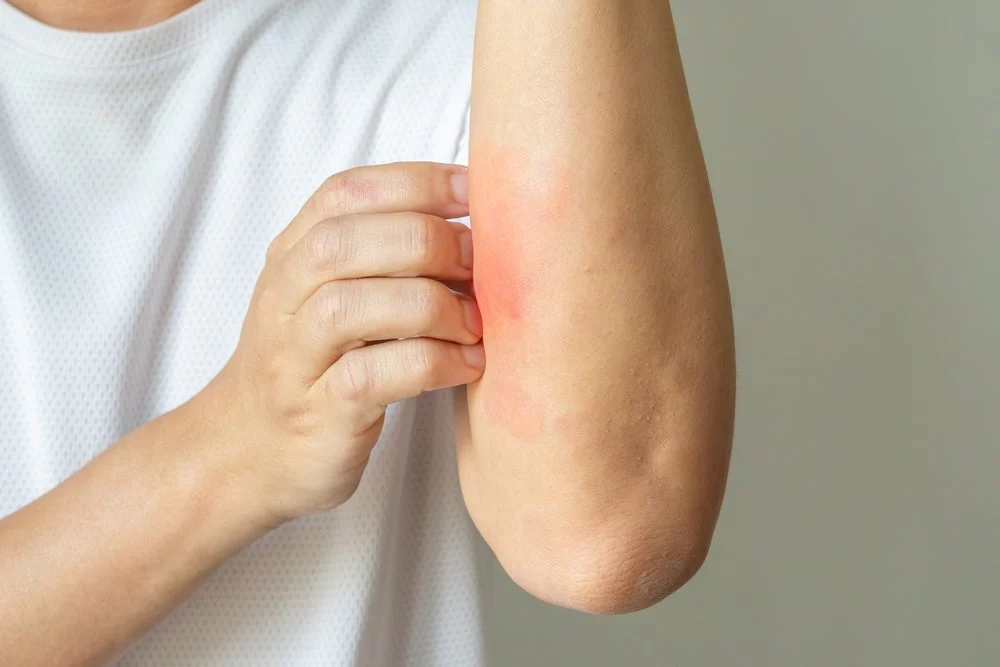
Scientists have identified a critical biological "off-switch" for scratching behavior, a discovery that could revolutionize the treatment of chronic itch conditions such as eczema and psoriasis. Presented at the 70th Biophysical Society Annual Meeting, the research conducted by Dr. Roberta Gualdani and her team at the University of Louvain in Brussels reveals that a specific molecule known as TRPV4 acts as a regulator within the nervous system to signal when scratching has provided sufficient relief. By uncovering this hidden feedback loop, researchers have provided a potential answer to one of dermatology’s most persistent questions: why some individuals cannot stop scratching even after skin damage has occurred.
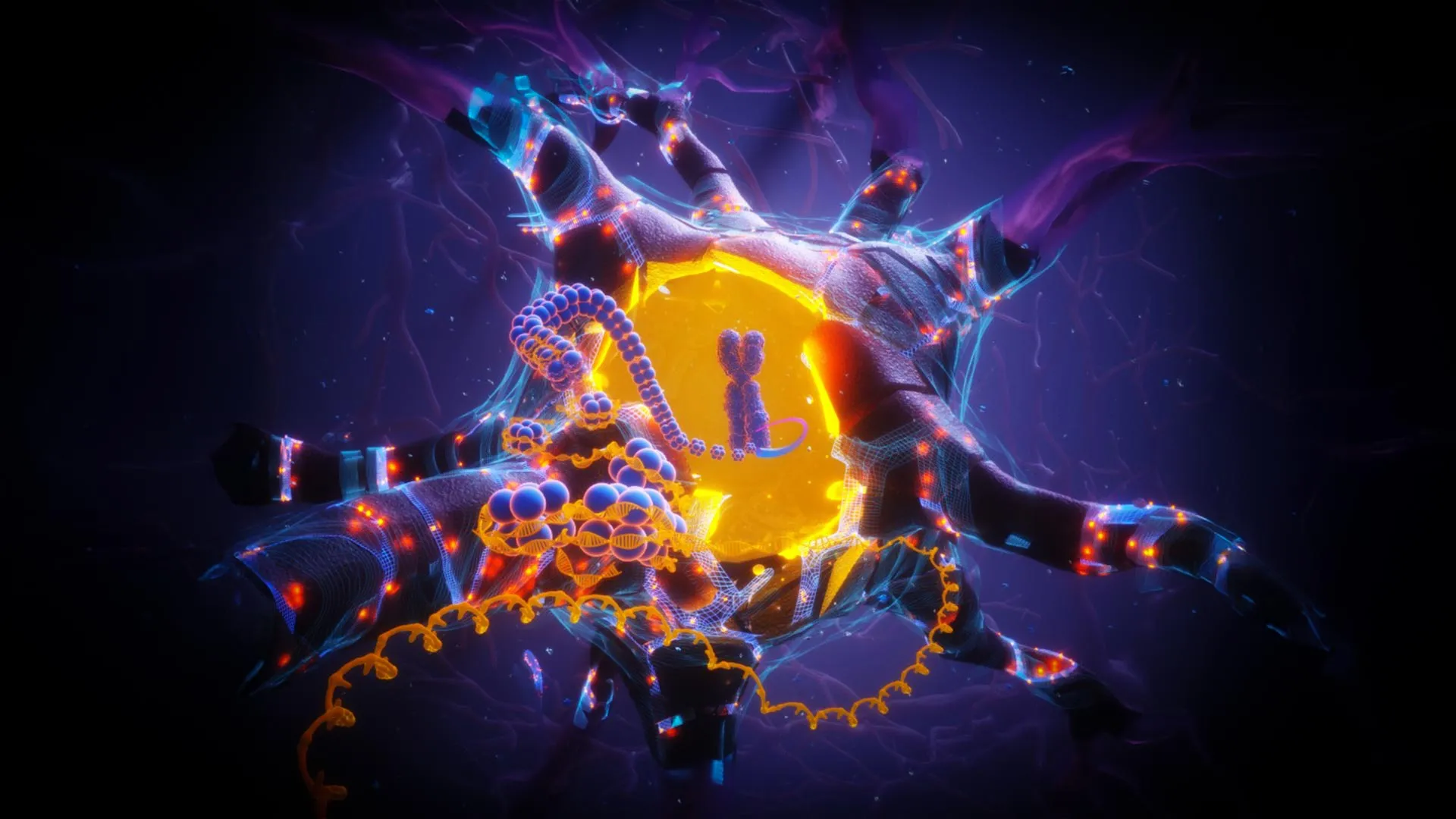
The study centers on the Transient Receptor Potential Vanilloid 4 (TRPV4) molecule, an ion channel that has long been a subject of interest in sensory biology. Ion channels function as microscopic gateways within the membranes of nerve cells, opening and closing in response to external stimuli to allow charged particles to enter the cell. This process generates the electrical signals that the brain interprets as touch, temperature, or pain. While TRPV4 was previously known for its role in detecting mechanical pressure and osmotic changes, its specific involvement in the "satisfaction" or termination phase of scratching remained a mystery until this breakthrough.
The Evolution of the Research: From Pain to Pruritus
The discovery was born out of an unexpected turn in laboratory results. Dr. Gualdani’s team was initially investigating TRPV4 for its potential role in pain sensation. In the hierarchy of sensory research, pain and itch (clinically known as pruritus) are closely linked but distinct pathways. For decades, scientists believed that itch was simply a low-level form of pain, but modern neuroscience has established that they utilize different, albeit overlapping, neural circuits.
During their initial observations, the researchers noted that while the absence of TRPV4 did not significantly alter the mice’s perception of acute pain, it profoundly impacted their scratching habits. "We were initially studying TRPV4 in the context of pain," Gualdani stated during her presentation. "But instead of a pain phenotype, what emerged very clearly was a disruption of itch, specifically, how scratching behavior is regulated." This shift in focus led the team to explore the mechanics of mechanical stimulation—the physical act of scratching—and how the body recognizes when the sensation of an itch has been successfully neutralized.
Investigating the Neural Circuitry of Scratching
To isolate the effects of TRPV4, the Louvain researchers employed sophisticated genetic engineering techniques. Previous studies into TRPV4 had utilized "global knockout" models, where the molecule was removed from every cell in the animal’s body. However, because TRPV4 is present in the skin, the vascular system, and the brain, these earlier studies produced conflicting results that were difficult to interpret.
In this new study, the team created conditional knockout mice where TRPV4 was deleted exclusively from sensory neurons. This allowed the researchers to distinguish between the molecule’s role in the skin (the peripheral layer) and its role in the nervous system (the signaling layer). By using a combination of genetic analysis and calcium imaging—a technique that allows scientists to watch neurons fire in real-time by tracking the flow of calcium ions—the team mapped the location of TRPV4.
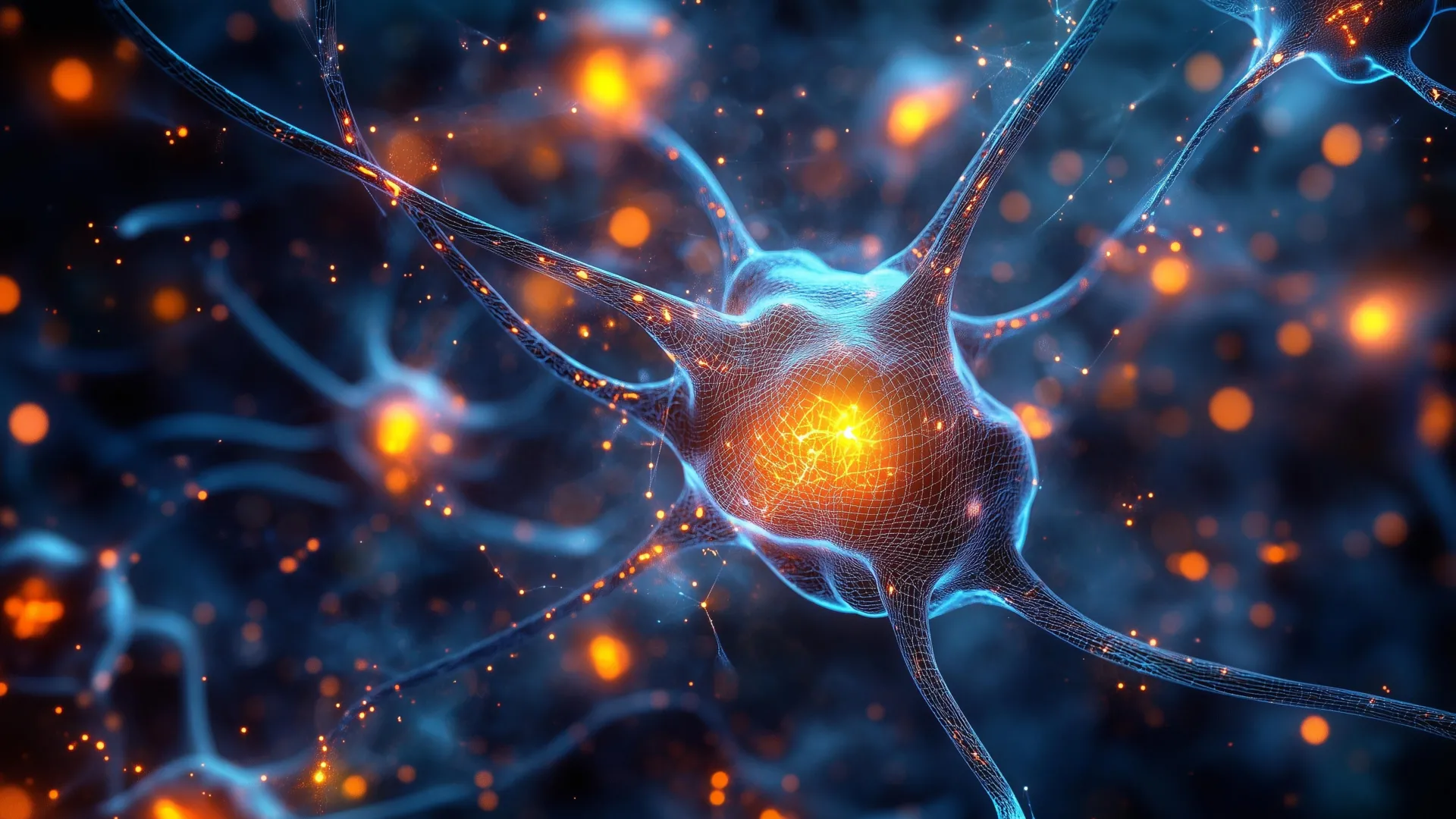
They found the molecule in two specific types of neurons: Aβ low-threshold mechanoreceptors (Aβ-LTMRs), which are responsible for detecting light touch and mechanical pressure, and certain nociceptors (pain-sensing neurons) that express TRPV1, a well-known marker for heat and chemical itch. The presence of TRPV4 in these specific pathways suggested it was perfectly positioned to monitor the physical force of a fingernail against the skin and relay that information to the central nervous system.
The Paradox of the Perpetual Scratch
The most striking data emerged when the researchers induced a chronic itch condition in the mice, designed to mimic the symptoms of atopic dermatitis (eczema). In normal mice, an itch leads to a series of short, vigorous scratching episodes. Once the "itch signal" is dampened by the counter-irritation of the scratch, the mouse stops.
In the mice lacking neuronal TRPV4, the behavior changed in a way that initially seemed contradictory. These mice initiated scratching episodes less frequently than their healthy counterparts. However, once they started scratching, they could not stop. Each individual scratching bout lasted significantly longer, and the mice appeared unable to reach a state of "scratch satisfaction."
"At first glance, that seems paradoxical," Gualdani explained. "But it actually reveals something very important about how itch is regulated." The researchers concluded that TRPV4 is not the primary driver of the itch itself, but rather the mediator of the negative feedback signal. In a healthy system, the act of scratching activates TRPV4 in the mechanoreceptors. This activation sends a signal to the spinal cord that says, "the area has been stimulated; the itch is addressed." Without TRPV4, this "stop" signal is never sent, leaving the brain in a state of sensory limbo where the urge to scratch persists indefinitely.
Scientific Analysis: The Dual Role of TRPV4
The findings highlight a complex biological duality that has significant implications for future pharmacology. It appears that TRPV4 plays two opposing roles depending on its location:
- In Skin Cells (Keratinocytes): TRPV4 likely contributes to the initiation of the itch signal. When the skin is irritated, TRPV4 in the skin cells may help release the chemicals that trigger the "itch" sensation in the first place.
- In Sensory Neurons: TRPV4 acts as the regulator that terminates the scratching response by providing feedback to the brain.
This distinction is vital for drug developers. If a pharmaceutical company were to create a "broad-spectrum" TRPV4 blocker to treat eczema, they might successfully reduce the initial urge to itch. However, they would simultaneously destroy the patient’s ability to feel relief from scratching, potentially leading to prolonged scratching episodes that cause severe skin trauma, infections, and "itch-scratch cycles" that are harder to break.
Supporting Data and Broader Implications
Chronic itch is more than a minor annoyance; it is a debilitating medical condition. According to data from the National Eczema Association, over 31 million people in the United States alone suffer from some form of dermatitis. Furthermore, chronic pruritus is a common symptom of systemic issues, including chronic kidney disease (CKD), liver failure, and certain lymphomas. In these cases, the itch is not caused by a skin rash but by a malfunction in the nervous system’s signaling.
The discovery of the TRPV4 feedback loop provides a concrete target for "neuromodulatory" therapies. Instead of merely treating the skin with topical steroids—which can thin the skin and have systemic side effects—future treatments could focus on enhancing the TRPV4 signal in neurons to help patients achieve relief more quickly and with less physical force.
Industry experts who reviewed the findings at the Biophysical Society meeting noted that this research aligns with the "Gate Control Theory" of sensory perception. This theory suggests that non-painful input (like scratching or rubbing) "closes the gates" to painful or itchy input, preventing the sensation from traveling to the central nervous system. TRPV4 appears to be a primary molecular component of that "gate."
Chronology of Future Development
The timeline for translating this laboratory discovery into a clinical treatment involves several stages:
- Phase 1 (Current): Further validation of the TRPV4 mechanism in human tissue samples to ensure the mouse model accurately reflects human neurobiology.
- Phase 2 (2–3 Years): Development of site-specific agonists or antagonists. Researchers will need to find a way to target neuronal TRPV4 without affecting the molecule’s role in other vital organs like the lungs or bladder.
- Phase 3 (5+ Years): Clinical trials for patients with treatment-resistant chronic itch, such as those with prurigo nodularis or uremic pruritus.
Dr. Gualdani’s research suggests that the future of dermatology may lie in precision medicine. "This means that broadly blocking TRPV4 may not be the solution," she noted. "Future therapies may need to be much more targeted—perhaps acting only in the skin, without interfering with the neuronal mechanisms that tell us when to stop scratching."
As the scientific community continues to peel back the layers of the human sensory system, the role of ion channels like TRPV4 stands as a testament to the complexity of the body’s internal communication. For millions of people worldwide, the prospect of a treatment that finally allows them to feel "satisfied" and stop scratching represents a significant hope for an improved quality of life. The study from the University of Louvain has moved that hope one step closer to reality by identifying the very gateway through which relief is found.










Leave a Reply