

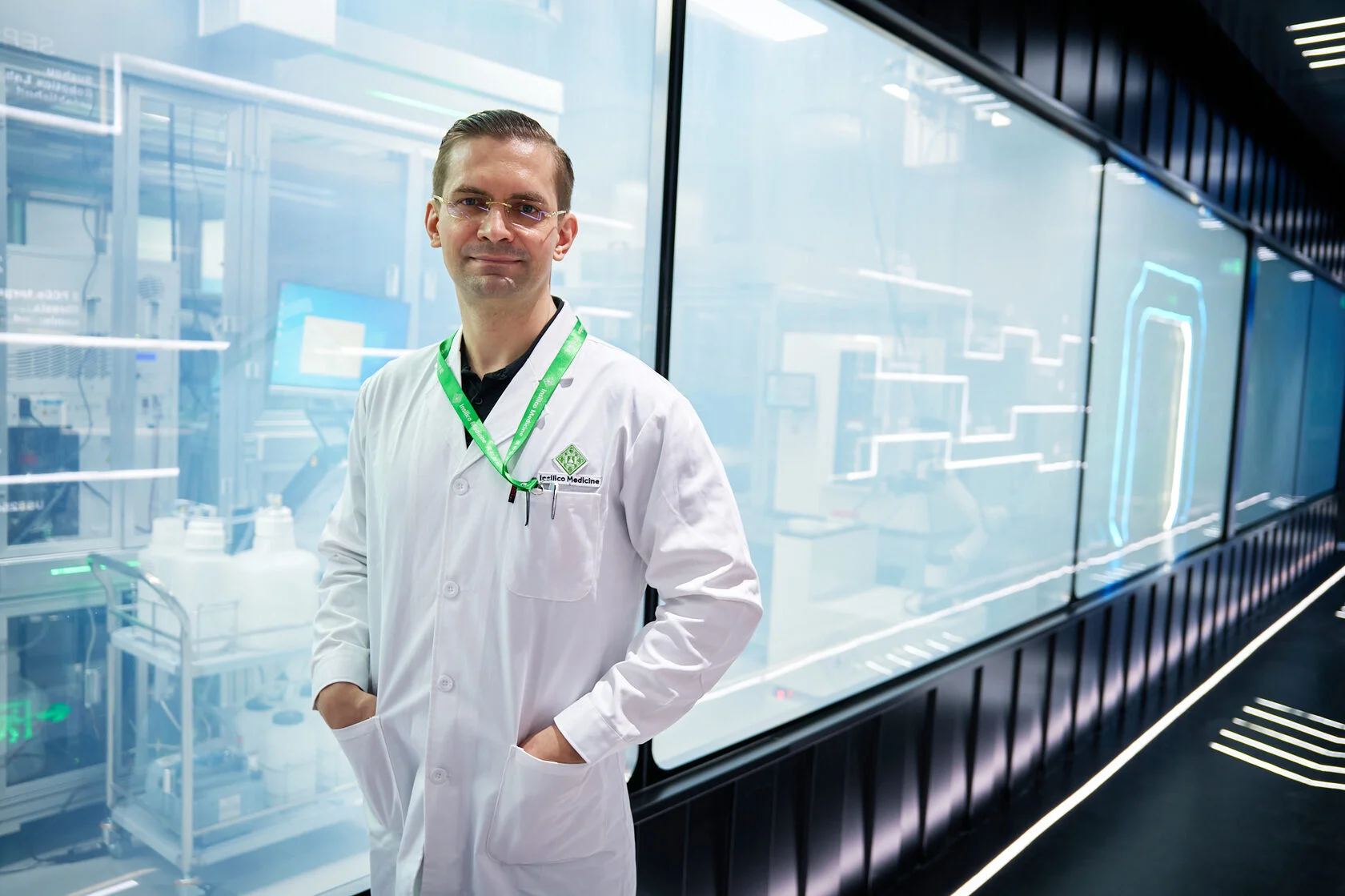
In a landmark move poised to reshape the landscape of pharmaceutical innovation, Insilico Medicine, a pioneer in artificial intelligence (AI)-driven drug discovery, announced a significant global research and development collaboration with pharmaceutical giant Eli Lilly. The deal, publicly disclosed on March 29, grants Eli Lilly an exclusive worldwide license to a comprehensive portfolio of preclinical oral therapeutics developed using Insilico’s cutting-edge AI platforms. This ambitious partnership also establishes joint R&D programs spanning a diverse range of therapeutic areas, marking a substantial step forward in integrating AI-native pipelines into mainstream drug development.
The financial terms of the agreement underscore its immense potential and strategic importance. Insilico Medicine is set to receive an upfront payment of $115 million, a substantial sum reflecting the perceived value of its AI-generated assets and technological prowess. Beyond this initial investment, the collaboration features a robust milestone structure that could see the deal’s total value soar to approximately $2.75 billion, contingent upon the successful achievement of various development and commercialization benchmarks. Furthermore, Insilico stands to gain tiered royalties on future sales of any products that emerge from this partnership, ensuring a long-term stake in their success.
A Maturing Relationship: A Chronology of Trust
This extensive collaboration is not an overnight development but rather the culmination of a meticulously built relationship between the two entities, characterized by increasing levels of trust and validation. The journey began in 2023, when Eli Lilly initially licensed Insilico’s proprietary software. This foundational step allowed Lilly to integrate Insilico’s AI tools into its existing research workflows, providing an opportunity to evaluate the technology’s capabilities firsthand and understand its potential to accelerate drug discovery processes.
Two years later, in 2025, the relationship deepened significantly with the establishment of a dedicated research collaboration. This phase moved beyond mere software licensing, involving joint efforts on specific research initiatives. It served as a critical period for both companies to assess operational synergies, evaluate the efficacy of Insilico’s AI platforms in practical application, and build confidence in the generated therapeutic hypotheses. This progressive engagement, from software integration to collaborative research, laid the groundwork for the comprehensive commercialization deal announced on March 29. The staged approach allowed Lilly to incrementally validate Insilico’s "AI-native" approach, ensuring that the assets and methodologies met its stringent scientific and commercial criteria before committing to such a large-scale agreement. This progression highlights a broader industry trend where pharmaceutical companies are moving beyond experimental AI applications to embrace fully integrated, AI-driven pipelines as reliable sources of novel therapeutics.
The AI-Native Paradigm Shift in Drug Discovery
Alex Zhavoronkov, Ph.D., founder and CEO of Insilico Medicine, articulated the profound significance of this partnership in an interview, stating, "The industry is moving from AI-assisted science to AI-native pipelines, and this partnership reflects that shift." This statement encapsulates the core philosophy driving Insilico’s innovation and the strategic vision behind the collaboration with Lilly. Zhavoronkov further emphasized that the deal is "not just about partnering assets; it’s about validating a new model for drug discovery, where AI systems generate, refine, and scale therapeutic programs in collaboration with pharma."
The shift from "AI-assisted" to "AI-native" is fundamental. Traditional drug discovery often involves human scientists leveraging AI tools to support specific tasks, such as data analysis or compound screening. An "AI-native" pipeline, conversely, positions AI as the primary driver throughout the entire discovery process, from target identification to molecule design and preclinical validation. This approach aims to dramatically reduce the time, cost, and failure rates historically associated with drug development.
Insilico’s "end-to-end AI engine" is powered by several proprietary platforms. At the initial stage of target discovery, the company employs PandaOmics, an AI-driven system designed to uncover novel and "multi-purpose" biological targets that might be overlooked by conventional methods. Zhavoronkov refers to these as elements of "biological dark matter," highlighting the platform’s ability to identify previously unrecognized therapeutic opportunities. Once targets are identified, the generative design phase is led by Chemistry42, Insilico’s AI-powered small molecule drug discovery platform. This system is engineered to rapidly generate and optimize novel molecular structures, significantly accelerating the process of identifying potential drug candidates.
The goal is ambitious: to achieve a Preclinical Candidate (PCC) in a remarkably short timeframe, typically 12 to 18 months, with Insilico’s fastest recorded achievement being just 9 months. This accelerated timeline stands in stark contrast to the industry average, which can often stretch to several years for preclinical development. This rapid iteration is supported by a "closed-loop validation system," dubbed the "From Prompt to Drug" framework. In this system, AI-driven hypotheses are immediately tested in Insilico’s automated robotics labs, such as those in Suzhou, China. This integrated approach ensures rapid, high-fidelity iteration, where AI models learn and improve based on real-world experimental feedback, creating a continuous learning cycle.
The Division of Labor: Fusing Superintelligence and Clinical Excellence
In this collaborative model, Zhavoronkov succinctly describes the roles: "We are essentially providing the ‘Superintelligence’ for discovery, while Lilly provides the ‘Clinical Excellence’ to bring these drugs to the finish line." This division of labor is designed to leverage the distinct strengths of each partner.
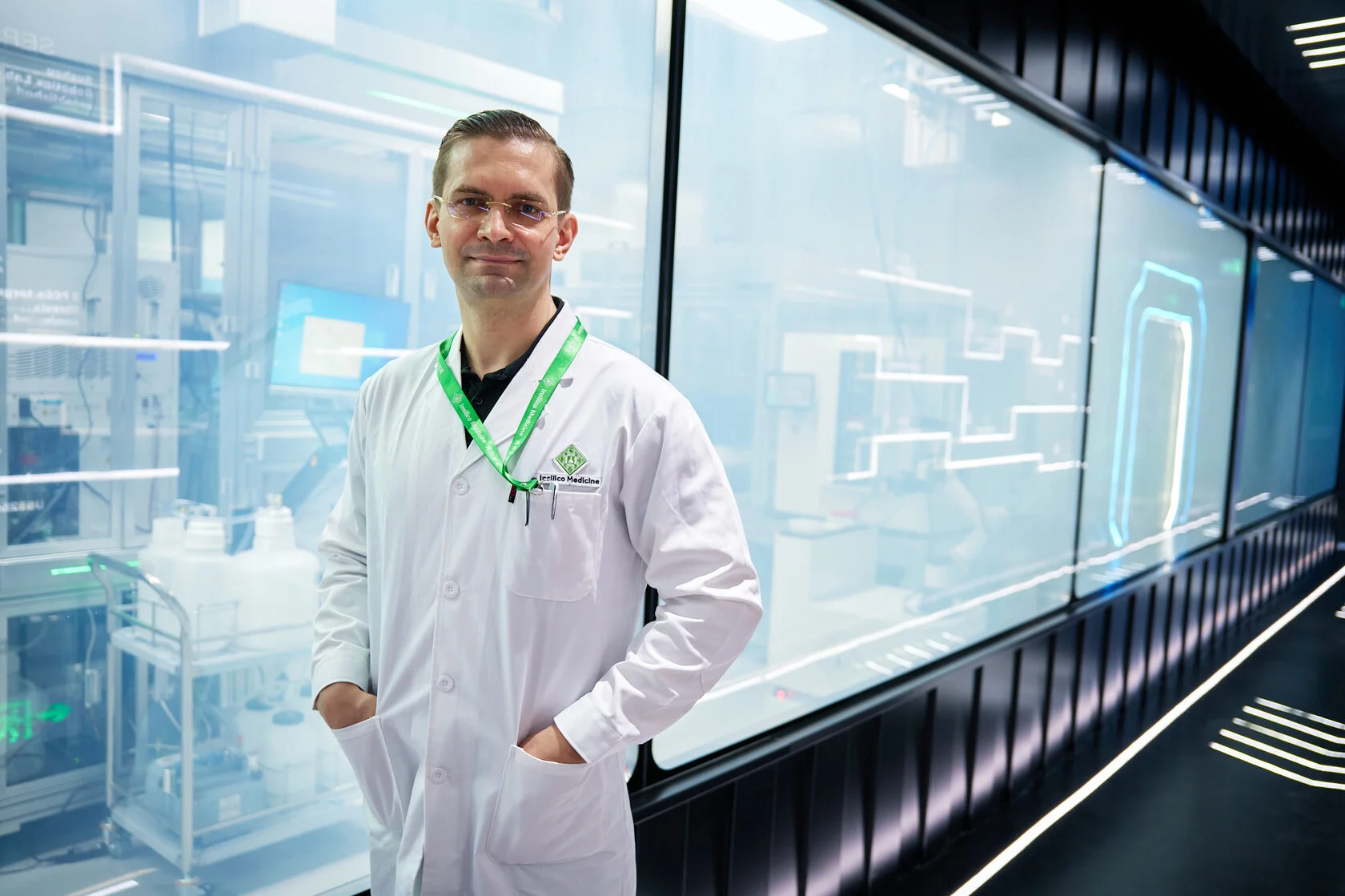
Once Eli Lilly identifies a therapeutic area of interest, Insilico utilizes PandaOmics to pinpoint novel targets. Insilico then spearheads the generative design phase using Chemistry42, with the objective of delivering preclinical candidates with unprecedented speed. The "From Prompt to Drug" framework ensures that these AI-driven hypotheses are rigorously validated in Insilico’s automated laboratories. As a promising asset transitions into the clinical development phase, Lilly assumes primary responsibility for global development and commercialization. However, Insilico continues to provide strategic support through its InClinico platform, aiming to maximize the probability of clinical success. This synergy represents a powerful combination: Insilico’s advanced AI capabilities for rapid discovery integrated with Lilly’s extensive infrastructure, deep clinical development expertise, and global commercial reach.
The portfolio licensed to Lilly is intentionally defined at the level of therapeutic hypotheses rather than individual molecules. This strategic flexibility allows Lilly to explore multiple preclinical programs while still benefiting from Insilico’s strong biological and chemical starting points. Insilico retains internal platform learnings and model improvements, ensuring that its core AI capabilities continue to advance. This allows the company to redeploy similar AI-driven approaches across adjacent targets and disease areas, consistent with its strategy of monetizing specific assets while continuously compounding its underlying AI prowess.
Strategic Implications for Insilico’s Pipeline
For Insilico Medicine, a deal of this magnitude significantly reshapes its strategic balance between out-licensing partnerships and advancing its wholly-owned pipeline assets. Zhavoronkov notes, "A deal of this scale allows us to do both more and better." The substantial upfront payment and potential milestones provide a robust financial foundation, effectively funding the continued scaling of Insilico’s AI platform and internal innovation efforts. This allows the company to focus its internal resources on high-conviction, potentially first-in-class programs that it chooses to retain.
Insilico categorizes its pipeline into three buckets: (1) Programs retained for internal development due to high strategic value or first-in-class potential; (2) Programs designated for out-licensing to larger pharmaceutical partners like Lilly, which can provide the extensive resources for clinical development and commercialization; and (3) Platform-enabling projects that further enhance Insilico’s AI capabilities across the board. The decision to partner versus retain an asset is driven by several factors, including the therapeutic area’s strategic alignment with Insilico’s core strengths, the potential for a first-in-class or best-in-class profile, the estimated development costs and timelines, and the broader market landscape. This flexible strategy allows Insilico to leverage its AI engine for both internal pipeline progression and external collaborations, maximizing the value generated from its technological advancements.
Broader Industry Impact: A New Business Model for Drug Discovery
This partnership is not merely a transaction between two companies; it represents a powerful validation of AI-designed assets in the eyes of the broader pharmaceutical industry and signals a significant shift in business models for drug discovery. For years, AI in pharma was viewed primarily as an "assistive technology," a tool to help human researchers. This deal firmly positions AI as an "asset generator," capable of initiating and driving entire therapeutic programs.
The progression of Lilly’s engagement—from software licensing to research collaboration to a full commercialization deal—serves as a compelling case study for other pharmaceutical companies. It demonstrates that deep, incremental engagement and validation are key to building trust in AI-driven pipelines. The ultimate success of this collaboration could catalyze wider adoption of similar AI-native models across the industry, fundamentally altering how new medicines are discovered and brought to market.
Zhavoronkov posited that this partnership reflects the "winning architecture for modern drug discovery," which integrates three critical components:
- Frontier Compute: Access to powerful computing infrastructure, including supercomputers and advanced AI models, to process vast datasets and run complex simulations.
- Proprietary Data: High-quality, curated, and diverse datasets, which are essential for training robust and accurate AI models.
- Novel Biology: The ability to identify and exploit new biological pathways and targets that translate effectively into clinical treatments.
He emphasized that "No single component is sufficient. Large models without good data fail. Data without strong models doesn’t scale. And neither matters without new biology that translates clinically." This holistic view highlights the necessity of a continuous learning system where models improve as new data is generated, and biological insights are explored with greater efficiency. This integrated approach promises to overcome the traditional bottlenecks of drug discovery, offering a pathway to develop life-saving medicines faster and more cost-effectively.
The global AI in drug discovery market is projected to grow substantially, with analysts forecasting it to reach tens of billions of dollars in the coming years. Partnerships like the one between Insilico and Lilly are central to this growth, driving innovation and demonstrating tangible returns on AI investments. For Eli Lilly, a company with a strong track record of innovation and a growing focus on leveraging advanced technologies—including operating its own AI supercomputer—this collaboration provides access to a cutting-edge pipeline and a validated AI engine, bolstering its competitive edge in a rapidly evolving scientific landscape. It mitigates some of the inherent risks and costs of early-stage drug discovery by leveraging Insilico’s specialized AI expertise, allowing Lilly to focus its extensive resources on later-stage development and commercialization.
In conclusion, the $2.75 billion collaboration between Insilico Medicine and Eli Lilly represents more than just a major financial deal; it signifies a pivotal moment in the pharmaceutical industry’s embrace of artificial intelligence. By "fusing Lilly’s clinical excellence with Insilico’s end-to-end AI engine," the partnership champions an "AI-native" approach that promises to accelerate the discovery of novel therapeutics and industrialize the process of bringing life-saving medicines to patients worldwide. This landmark agreement sets a new precedent for how frontier technology and established pharmaceutical powerhouses can collaborate to redefine the future of drug discovery.










Leave a Reply