

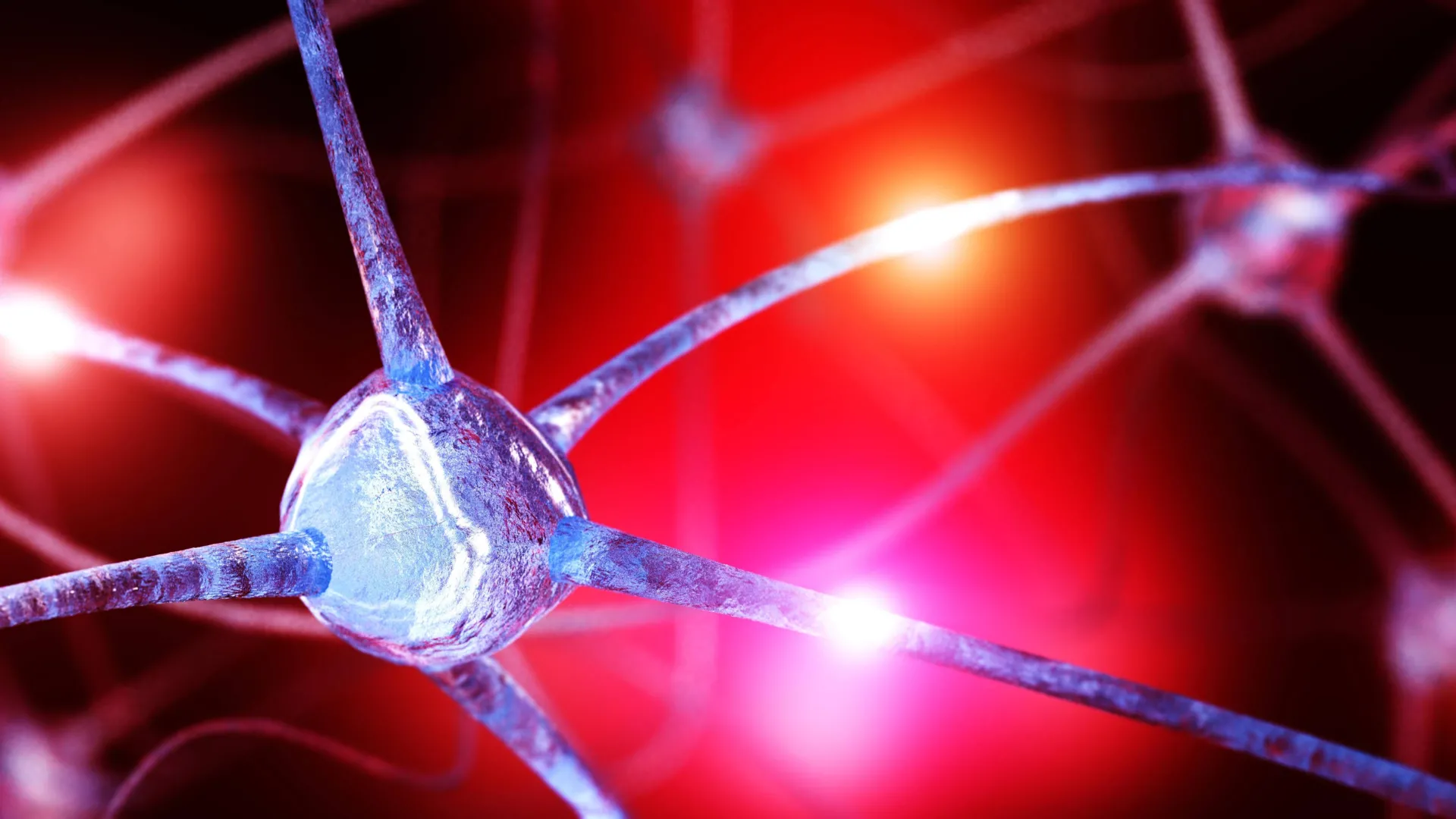
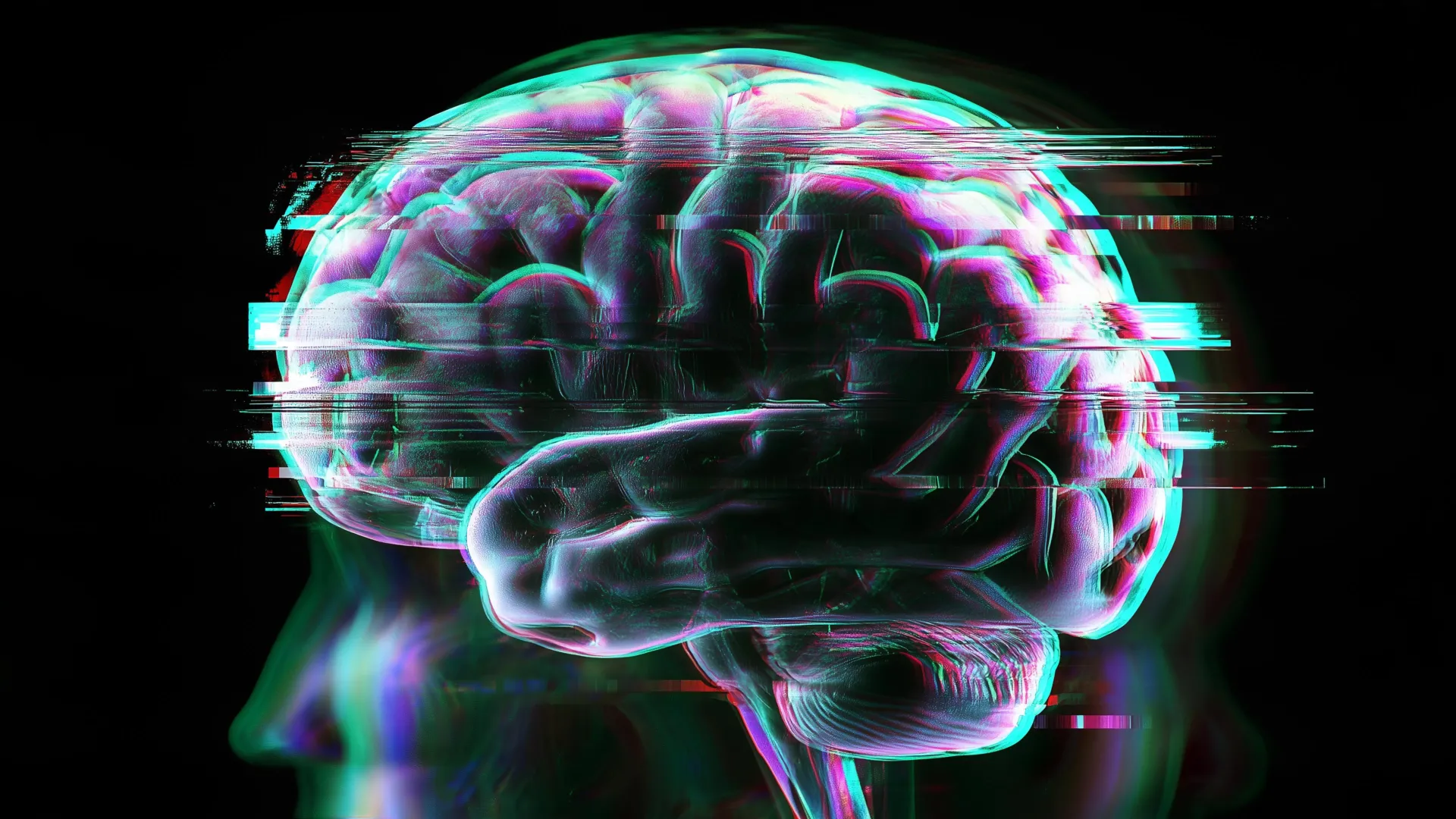
A groundbreaking meta-analysis led by researchers at UC Davis Health has identified a consistent chemical signature in the brains of individuals diagnosed with anxiety disorders, potentially opening new avenues for nutritional and pharmacological interventions. The study, published in the prestigious Nature journal Molecular Psychiatry, reveals that people suffering from various forms of anxiety exhibit significantly lower levels of choline—a vital nutrient essential for memory, mood regulation, and cellular integrity—within the prefrontal cortex. This discovery marks one of the first times scientists have been able to pinpoint a cross-diagnostic chemical marker for anxiety, a condition that has long been understood through behavioral symptoms but less so through its underlying metabolic foundations.
A New Frontier in Neurochemical Research
The research team, spearheaded by Jason Smucny, an assistant professor in the Department of Psychiatry and Behavioral Sciences, and Richard Maddock, a professor and psychiatrist at the UC Davis Imaging Research Center, sought to consolidate decades of disparate data. By reviewing 25 previous studies that utilized advanced neuroimaging techniques, the researchers analyzed the brain chemistry of 712 individuals—370 with diagnosed anxiety disorders and 342 healthy control subjects.
The standout finding of the meta-analysis was an approximately 8% reduction in choline levels among those with anxiety disorders. While an 8% difference might appear modest in a general biological context, neuroscientists emphasize that such a shift in brain chemistry is highly significant. The reduction was most pronounced in the prefrontal cortex, the executive center of the brain responsible for complex cognitive behavior, decision-making, and the regulation of emotions.
Choline, a nutrient often grouped with the B-vitamin complex, is a precursor to acetylcholine, a neurotransmitter that plays a fundamental role in arousal, attention, and motivation. It is also a critical component of phospholipids, which make up the structural framework of cell membranes. Because the human body produces only trace amounts of choline, it must be primarily acquired through dietary sources. The UC Davis findings suggest that for individuals with anxiety, the brain’s demand for this nutrient may outpace its supply, leading to a state of metabolic insufficiency.
The Evolution of Anxiety Research: A Chronology of Discovery
The journey toward identifying choline as a key player in anxiety began decades ago. In the late 20th century, psychiatric research focused heavily on monoamine neurotransmitters like serotonin and norepinephrine. While medications targeting these systems—such as Selective Serotonin Reuptake Inhibitors (SSRIs)—provided relief for many, they did not address the full spectrum of neurochemical imbalances present in the anxious brain.
In the early 2000s, the advent of proton magnetic resonance spectroscopy (1H-MRS) allowed researchers to look beyond standard neurotransmitters and examine "neurometabolites," the chemicals involved in the brain’s energy production and structural maintenance. Richard Maddock was a pioneer in this field, conducting early studies that observed low choline levels specifically in patients with panic disorder.
By 2010, various independent labs began reporting similar chemical anomalies across different anxiety diagnoses, including Generalized Anxiety Disorder (GAD) and Social Anxiety Disorder (SAD). However, these studies often featured small sample sizes, leading to inconsistent conclusions. The 2024 UC Davis meta-analysis serves as the culmination of this timeline, synthesizing years of fragmented data into a cohesive biological narrative that confirms choline’s central role in the pathology of anxiety.
Methodology: The Precision of Magnetic Resonance Spectroscopy
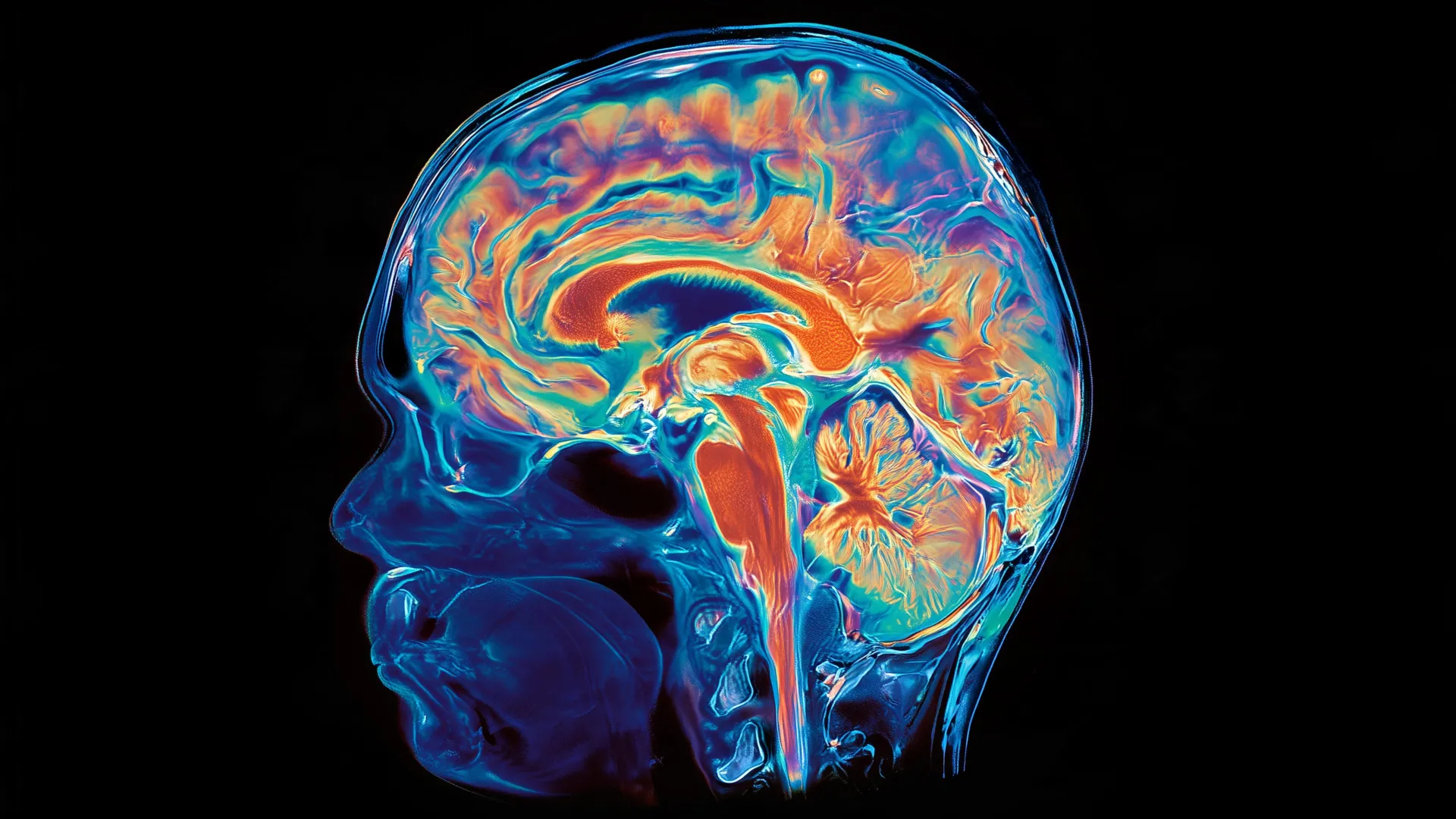
The researchers utilized data derived from 1H-MRS, a noninvasive imaging technique that functions as a "virtual biopsy" of the brain. Unlike a standard MRI, which provides high-resolution images of brain structure (the "hardware"), 1H-MRS uses magnetic fields and radio waves to detect the concentration of specific molecules (the "software").
By measuring the radio frequency signals emitted by hydrogen nuclei in different chemical environments, scientists can quantify levels of choline-containing compounds, N-acetylaspartate (NAA), and glutamate. In addition to the choline findings, the UC Davis team noted a reduction in NAA—a marker of neuronal health—across certain brain regions. However, the choline signal remained the most consistent and statistically robust indicator across the various studies reviewed, suggesting that it is a core feature of the anxious brain’s metabolic profile.
The Biological Mechanism: Stress, Norepinephrine, and Choline Depletion
The link between anxiety and low choline levels may be rooted in the body’s physiological response to chronic stress. Anxiety disorders are characterized by a persistent state of hyperarousal, often referred to as the "fight-or-flight" response. This state is driven by the release of norepinephrine, a hormone and neurotransmitter that prepares the body for action.
The researchers hypothesize that heightened levels of norepinephrine increase the metabolic demand on the brain. When the prefrontal cortex is constantly working to regulate fear signals from the amygdala—the brain’s emotional alarm system—it consumes nutrients at a higher rate. Choline is required to maintain the integrity of the rapidly firing neurons and to synthesize the neurotransmitters needed to modulate this stress.
"We think that chronic fight-or-flight activity may raise the brain’s need for choline," the researchers noted in their analysis. "If the brain cannot take in enough to meet that demand, choline levels may drop, potentially impairing the prefrontal cortex’s ability to dampen anxiety and regulate emotional responses." This creates a "vicious cycle" where the chemical deficiency makes it harder for the brain to manage the very stress that is causing the deficiency.
The Public Health Context: A Nation Under Pressure
The implications of this study are particularly relevant in the United States, where anxiety disorders are the most prevalent mental health condition. According to data from the National Institute of Mental Health (NIMH), nearly 31% of U.S. adults will experience an anxiety disorder at some point in their lives. Despite their prevalence, treatment outcomes remain inconsistent, with many patients failing to respond to traditional therapy or medication.
Professor Richard Maddock emphasized the gravity of the situation: "Anxiety disorders can be debilitating, and many people do not receive adequate treatment. Identifying a measurable chemical change provides hope for more targeted therapies."
Furthermore, nutritional data from the National Health and Nutrition Examination Survey (NHANES) indicates that approximately 90% of the American population does not meet the adequate intake (AI) levels for choline. The AI for choline is 550 mg per day for men and 425 mg per day for women. If the general population is already choline-deficient, individuals with anxiety—who may have a higher biological requirement for the nutrient—are at a significant disadvantage.
Dietary Implications and Sources of Choline
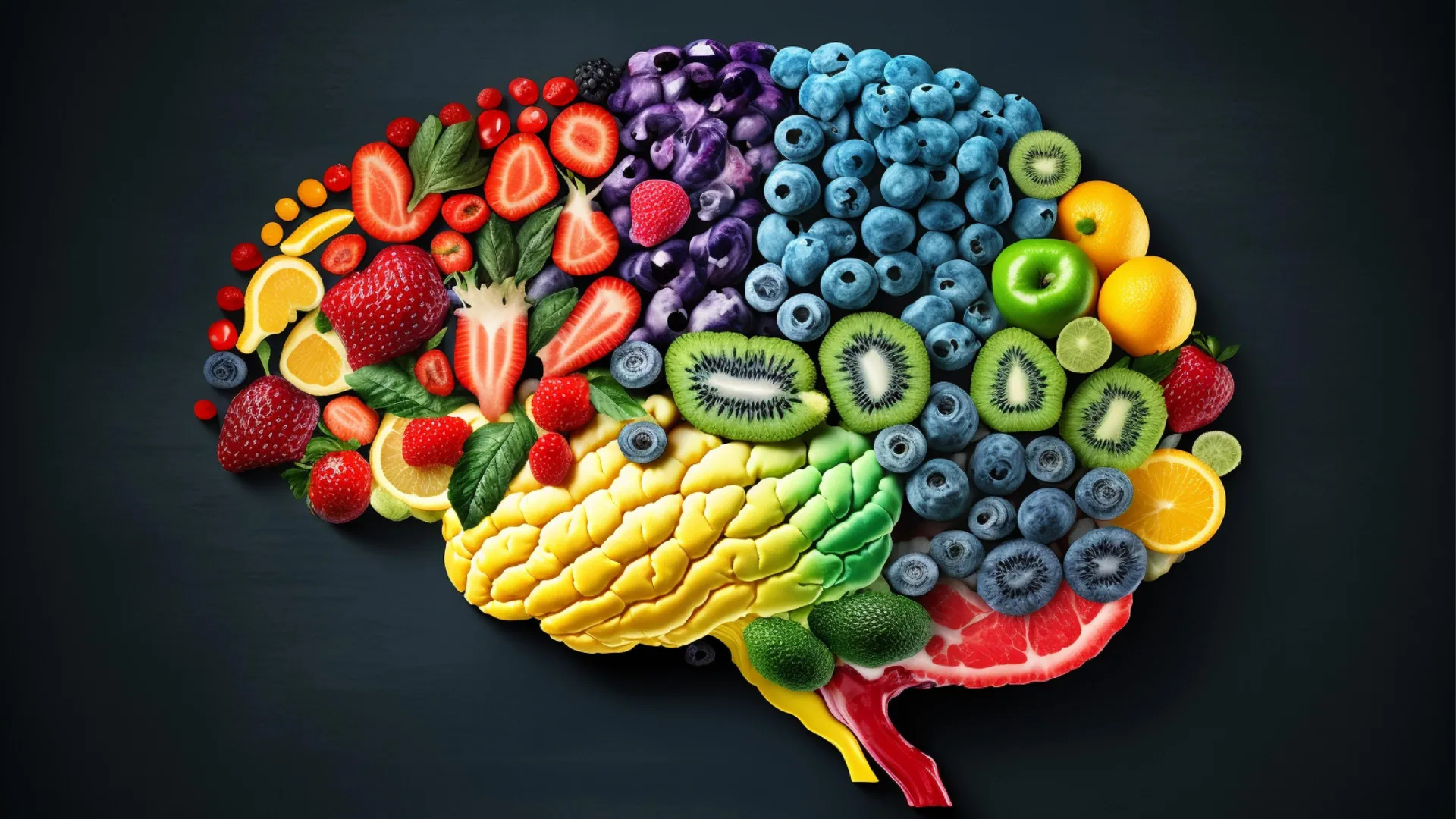
While the study does not suggest that supplements are a "cure" for anxiety, it highlights the importance of nutritional awareness. Choline is found in a variety of animal and plant-based foods, though concentrations vary significantly.
- Animal Sources: Beef liver is the most concentrated source of choline. Eggs, particularly the yolks, are also highly bioavailable sources. Other options include lean beef, chicken breast, and dairy products like milk and yogurt.
- Seafood: Salmon and cod provide significant amounts of choline. Researchers noted that certain omega-3 fatty acids found in fish might also aid in the transport of choline across the blood-brain barrier.
- Plant Sources: Soybeans, roasted soybeans, and soy lecithin are excellent plant-based sources. Cruciferous vegetables like broccoli and Brussels sprouts also contribute to daily intake, though in smaller amounts than animal proteins.
Analysis of Implications: Toward Nutritional Psychiatry
The UC Davis study adds momentum to the emerging field of "Nutritional Psychiatry." For decades, the medical community viewed nutrition and mental health as separate domains. However, this research suggests that the two are inextricably linked.
If future controlled clinical trials confirm that choline supplementation can restore brain chemistry and alleviate anxiety symptoms, it could revolutionize the standard of care. Such a shift would move psychiatry toward a more integrative model, where blood tests or neuroimaging could lead to personalized "nutrient prescriptions" alongside traditional psychotherapy.
However, experts urge caution. The study shows a correlation, not necessarily a direct cause-and-effect relationship. It is not yet clear whether low choline causes anxiety, or if the physiological state of anxiety causes the brain to deplete its choline stores. Professor Maddock warned against self-medicating with high-dose supplements, noting that excessive choline intake can lead to side effects such as low blood pressure, liver toxicity, and a fishy body odor.
Future Directions and Research Gaps
The next phase of research will likely involve double-blind, placebo-controlled trials to determine if increasing choline intake—either through diet or supplementation—actually raises choline levels in the prefrontal cortex and results in a reduction of clinical anxiety symptoms.
Additionally, scientists need to investigate the role of genetics. Some individuals may have genetic variations that affect how their bodies process and transport choline, making them more susceptible to deficiencies even if their dietary intake is adequate. Understanding these "nutrigenomic" factors will be essential for developing precise interventions.
The UC Davis Health study stands as a vital piece of the puzzle in understanding the biological underpinnings of mental illness. By identifying a clear, measurable chemical target, researchers have moved the conversation from abstract symptoms to concrete metabolic processes. For the millions of people living with anxiety, this research offers more than just data—it offers the possibility of a future where mental health is supported by a deep understanding of the nutrients the brain needs to remain resilient.








Leave a Reply