Naked mole rats, despite their unassuming appearance – small, wrinkled rodents often described as rather unattractive – are revolutionizing aging research. Their remarkable biology defies typical mammalian aging trajectories, exhibiting exceptional longevity, a near-complete immunity to cancer, and an unusual resilience against many age-related diseases. Now, groundbreaking research emanating from the University of Rochester has demonstrated that a key component of this subterranean mammal’s biological advantage can be successfully transplanted into another species, offering a tantalizing glimpse into the future of human healthspan.
A Gene Transfer Triumph: Enhancing Mouse Health and Lifespan
In a landmark study published in the prestigious journal Nature in 2023, a team of scientists at the University of Rochester revealed a significant advancement: the transfer of a gene responsible for naked mole rats’ exceptionally high levels of high molecular weight hyaluronic acid (HMW-HA). This genetic intervention not only boosted the health of laboratory mice but also modestly extended their median lifespan. The genetically modified mice exhibited improved overall health, a notable reduction in inflammation as they aged, and a statistically significant increase in their median lifespan of approximately 4.4 percent compared to their unmodified counterparts.
This pioneering work provides a compelling "proof of principle" that the unique longevity mechanisms evolved by long-lived animals may not be confined to their species of origin. "Our study provides a proof of principle that unique longevity mechanisms that evolved in long-lived mammalian species can be exported to improve the lifespans of other mammals," stated Vera Gorbunova, the Doris Johns Cherry Professor of Biology and Medicine at the University of Rochester, who led the research. This finding suggests a paradigm shift in our understanding of aging, moving from a focus on slowing down decline to potentially importing enhanced biological resilience.
The Naked Mole Rat: A Biological Enigma in Aging Research
The fascination with naked mole rats among aging scientists is rooted in their extraordinary life history. While comparable in size to laboratory mice, these rodents boast lifespans that are nearly ten times longer, with individuals documented to live up to 41 years. This remarkable longevity is not merely a numerical curiosity; it is accompanied by an almost complete absence of common age-related ailments that plague most mammals. Neurodegeneration, cardiovascular disease, arthritis, and cancer – conditions that typically emerge and progress with age – appear to have minimal impact on naked mole rat populations.
For decades, researchers like Gorbunova and Andrei Seluanov, a professor of biology at Rochester, have been meticulously investigating the biological underpinnings of this resilience. Their investigations have consistently pointed to high molecular weight hyaluronic acid (HMW-HA) as a critical factor. Naked mole rats possess HMW-HA concentrations roughly ten times greater than those found in mice and humans. Crucially, previous research by Gorbunova’s lab had established a direct link between HMW-HA and cancer resistance: when HMW-HA was experimentally removed from naked mole rat cells, these cells exhibited a significantly increased propensity to form tumors. This observation ignited a pivotal question: could the same protective mechanisms that evolved in naked mole rats be harnessed to benefit other species?
Unraveling the Hyaluronan Synthase 2 Gene
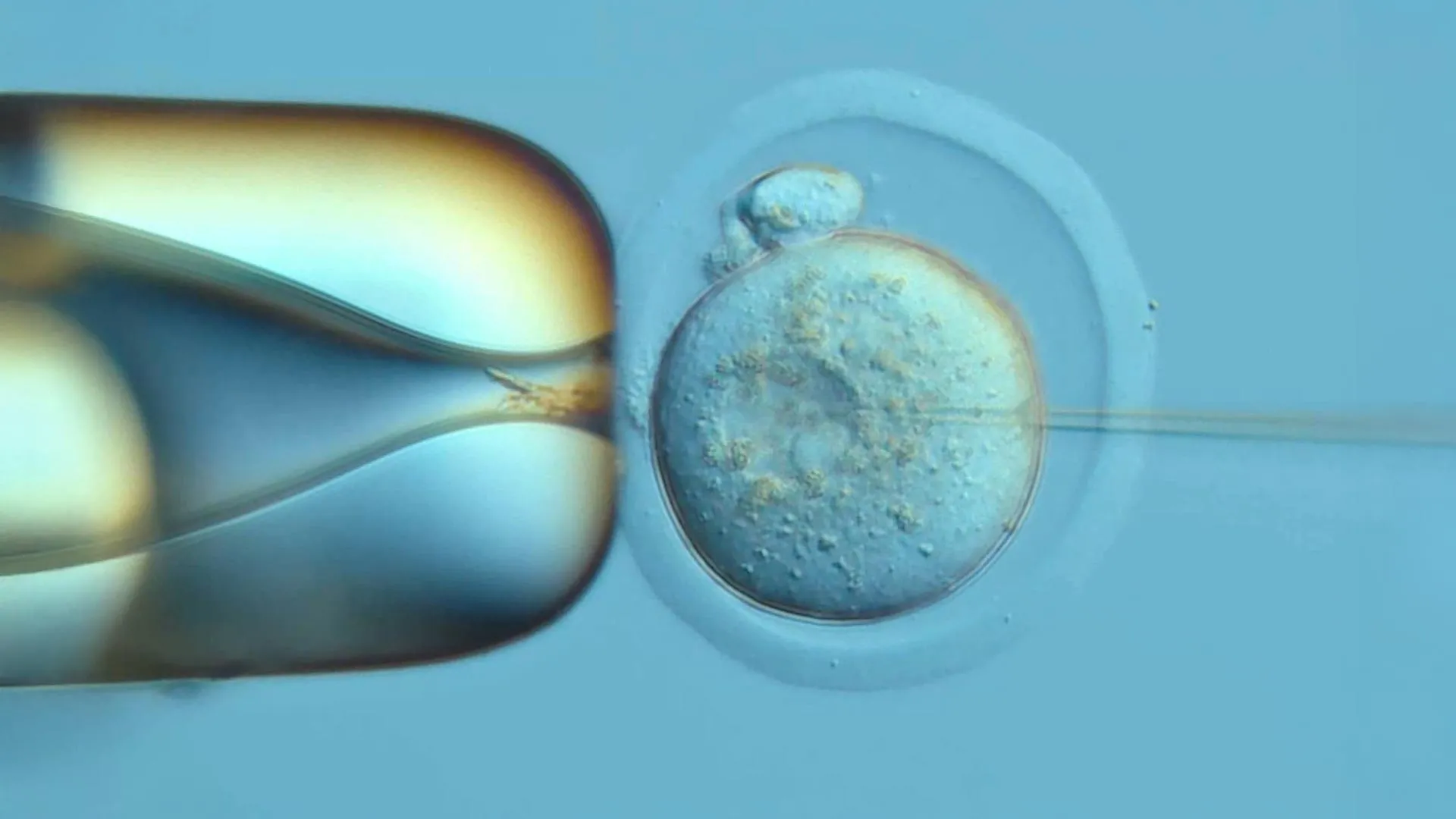
To address this question, the Rochester team focused on the gene responsible for synthesizing HMW-HA: hyaluronan synthase 2 (HAS2). While all mammals possess a HAS2 gene, the naked mole rat’s version appears to possess a unique characteristic: enhanced activity. The researchers engineered mice to express the naked mole rat variant of the HAS2 gene. This genetic modification resulted in demonstrably higher levels of hyaluronan, the precursor molecule to HMW-HA, across various tissues in the genetically altered mice.
The implications of this genetic upregulation were profound. The modified mice displayed significantly improved protection against both spontaneous tumor development and chemically induced skin cancer. However, the benefits of the naked mole rat gene extended far beyond cancer resistance. These mice exhibited enhanced overall health, maintained better gut integrity, and crucially, experienced substantially less inflammation in multiple tissues as they aged.
The Significance of Reduced Inflammation
Chronic inflammation is widely recognized as a major driver of the aging process, contributing to a cascade of cellular damage and functional decline. The observed reduction in inflammation in the genetically modified mice is therefore a particularly significant finding. While the precise mechanisms by which HMW-HA exerts its broad protective effects are still under investigation, researchers hypothesize that it may play a direct role in modulating the immune system. Further research is ongoing to fully elucidate these complex interactions.
A Modest Lifespan Increase with Monumental Implications
The 4.4 percent increase in median lifespan observed in the genetically modified mice, while statistically significant, might seem modest at first glance. However, the true import of this research lies not in the magnitude of the lifespan extension but in the successful transfer of a complex biological mechanism conferring longevity and healthspan from one mammalian species to another. This achievement transcends a simple study of a single gene in mice; it validates the principle that the evolutionary innovations of long-lived species hold valuable biological tools that can be studied, adapted, and potentially applied to enhance health and longevity in other animals, including humans.
"It took us 10 years from the discovery of HMW-HA in the naked mole rat to showing that HMW-HA improves health in mice," explained Gorbunova. "Our next goal is to transfer this benefit to humans." The research team envisions two primary avenues for translating these findings to human health: either by developing strategies to slow the degradation of HMW-HA in the human body or by finding ways to increase its endogenous production.
Pre-Clinical Trials and Future Directions
Seluanov confirmed that the research is already progressing towards these goals. "We already have identified molecules that slow down hyaluronan degradation and are testing them in pre-clinical trials," he stated. The hope is that this work will serve as a foundational example, paving the way for future endeavors to adapt longevity adaptations from exceptionally long-lived species for the benefit of human health and extended lifespan.
Emerging Clues from the Naked Mole Rat’s Genome
The ongoing exploration of naked mole rat biology continues to yield fascinating insights. Since the 2023 Nature study, a 2025 investigation published in Science has identified another potential longevity mechanism involving the protein cGAS. While cGAS is primarily known for its role in immune defense in humans and mice, where it can sometimes interfere with DNA repair processes, the naked mole rat’s version appears to be significantly more adept at facilitating DNA repair. Specific alterations in the naked mole rat cGAS protein have been shown to enhance genome stability and delay signs of aging in experimental models.
This newer discovery does not diminish the importance of the HMW-HA research; rather, it reinforces a broader narrative. The exceptional longevity and health of naked mole rats are likely the result of a sophisticated interplay of multiple defense mechanisms, including robust cancer resistance, effective inflammation control, superior DNA repair capabilities, and enhanced tissue protection.
Broader Impact on Human Aging Research
For the field of human aging research, these findings are profoundly encouraging. It is improbable that a single "fountain of youth" molecule will be discovered. However, each new revelation from the naked mole rat, and similar long-lived species, provides scientists with an additional target for intervention, offering new pathways to address the biological processes that underlie age-related diseases.
The 2023 gene transfer study remains a powerful demonstration of concept. A survival strategy honed over evolutionary time in one of nature’s most peculiar mammals has proven capable of bestowing enhanced disease resistance, smoother aging, and extended lifespans upon mice. The next significant scientific hurdle will be to determine if these remarkable biological tricks can be safely and effectively adapted to improve human healthspan. The journey from understanding the humble naked mole rat to potentially enhancing human longevity has taken a significant leap forward.