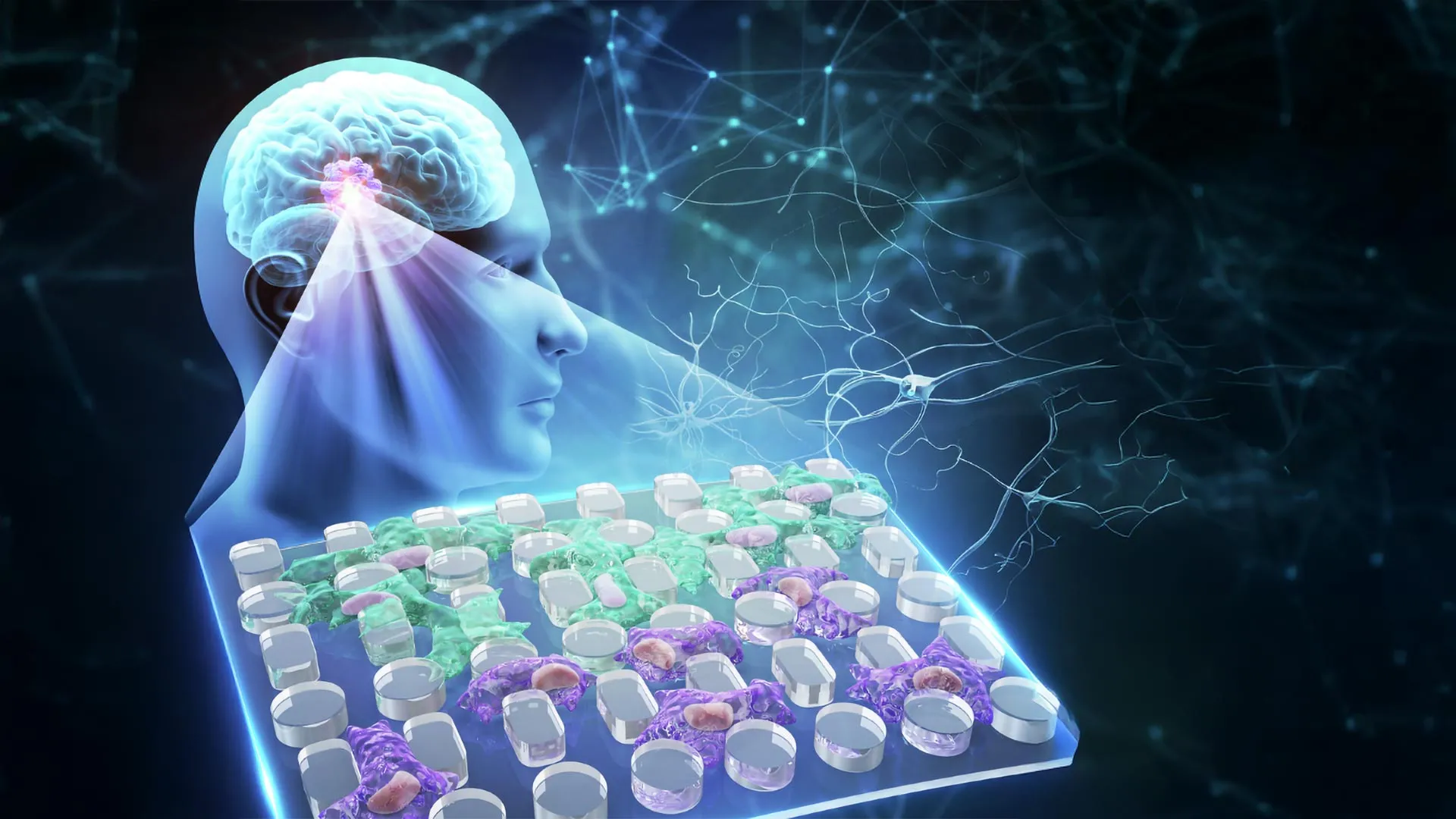
A landmark study published in The Journals of Gerontology, Series A: Biological Sciences and Medical Sciences has unveiled a significant correlation between the biological aging of specific white blood cells and the presence of non-somatic depression symptoms. Led by researchers at the NYU Rory Meyers College of Nursing, the study suggests that "epigenetic clocks"—tools designed to measure biological age through DNA analysis—could eventually serve as an objective diagnostic tool for mental health disorders. By focusing on monocytes, a type of immune cell, scientists have identified a biological signature that corresponds to emotional and cognitive struggles, such as hopelessness and anhedonia, rather than physical symptoms like fatigue or sleep disturbances.
This research represents a pivotal shift in the field of psychiatry, which has historically relied on subjective patient self-reporting for diagnosis. With nearly one in five adults in the United States living with some form of depression, the search for a reliable biomarker has become a priority for the National Institute of Mental Health (NIMH). The findings indicate that the immune system’s "biological clock" may hold the key to distinguishing between the varied presentations of depressive disorders, particularly in high-risk populations.
The Diagnostic Challenge: Moving Beyond Subjectivity
For decades, the diagnosis of Major Depressive Disorder (MDD) has been guided by the Diagnostic and Statistical Manual of Mental Disorders (DSM). Under current protocols, a clinician evaluates a patient based on a checklist of symptoms reported during a clinical interview. While effective to a degree, this method is inherently subjective and prone to variability. Patients may underreport symptoms due to stigma, or physical symptoms may be misattributed to co-existing medical conditions.
The NYU-led study highlights the "one-size-fits-all" limitation of current diagnostics. Depression is a heterogeneous disorder; two patients can receive the same diagnosis while sharing almost no overlapping symptoms. One may suffer from "somatic" symptoms—physical manifestations such as lethargy, changes in appetite, and chronic pain. Another may experience "non-somatic" or cognitive-emotional symptoms, including a loss of interest in activities (anhedonia), feelings of worthlessness, and difficulty concentrating.
Nicole Beaulieu Perez, an assistant professor at NYU Rory Meyers College of Nursing and the study’s lead author, emphasizes that these broad categories often obscure the underlying biological reality. By identifying a specific immune-based marker for the emotional and cognitive components of depression, the research provides a framework for "precision mental health," where treatments can be tailored to the specific biological profile of the patient.
Understanding the Epigenetic Clock and Monocyte Aging
At the heart of this research is the concept of biological age versus chronological age. While chronological age is simply the number of years a person has lived, biological age reflects the wear and tear on the body’s systems. This is measured using epigenetic clocks, which analyze DNA methylation—a process where small chemical groups (methyl groups) are added to the DNA molecule. These changes do not alter the genetic code itself but act as "switches" that turn genes on or off, often in response to environmental stressors, lifestyle, and disease.
The study utilized two distinct types of epigenetic clocks to analyze blood samples. The first was a pan-tissue clock, which provides a general overview of aging across multiple cell types. The second was a specialized clock focused on monocytes. Monocytes are a critical component of the innate immune system; they circulate in the blood before migrating into tissues to become macrophages, where they play a central role in inflammation and the body’s response to infection.
The researchers discovered that while the general pan-tissue clock showed no significant link to depression, the monocyte-specific clock revealed a clear association. Specifically, accelerated aging in monocytes was linked to higher scores of non-somatic depression. This suggests that the immune system’s aging process is not uniform and that specific cell lines may be more sensitive to the physiological impact of mental health struggles.
The Intersection of HIV and Mental Health
The study’s cohort was drawn from the Women’s Interagency HIV Study (WIHS), a long-term multicenter prospective study established in 1993 to investigate the impact of HIV on women in the United States. The researchers examined data from 440 women: 261 living with HIV and 179 who were HIV-negative.
The inclusion of women living with HIV is significant because this population faces a disproportionately high risk of depression. The intersection of chronic viral infection and mental health is complex. HIV induces chronic inflammation, which is known to accelerate biological aging. Furthermore, women living with HIV often navigate significant social stressors, including systemic stigma, economic instability, and the burden of managing a chronic illness.
In this population, depression is more than a quality-of-life issue; it is a critical factor in clinical outcomes. Depressive symptoms are strongly associated with decreased adherence to antiretroviral therapy (ART), which can lead to viral rebound, increased transmission risk, and a decline in overall immune function. By identifying monocyte aging as a marker for depression, clinicians may eventually be able to catch mental health declines early, ensuring that patients remain engaged in their HIV care.
Analyzing the Data: Somatic vs. Non-Somatic Symptoms
To measure depression, the researchers used the Center for Epidemiologic Studies Depression Scale (CES-D). This 20-item questionnaire is a standard tool in psychiatric research, designed to gauge the frequency of symptoms over the past week. The researchers divided the CES-D scores into two sub-categories:
- Somatic Symptoms: Physical issues such as "I felt that everything I did was an effort," "My sleep was restless," and "I did not feel like eating."
- Non-Somatic Symptoms: Cognitive and emotional issues such as "I felt that I was a failure," "I felt hopeful about the future" (reverse-scored), and "I could not get ‘going’."
The findings were striking. Among both women with and without HIV, accelerated monocyte aging was exclusively associated with the non-somatic, emotional symptoms. This is a crucial distinction. In patients with chronic illnesses like HIV, physical symptoms like fatigue are often dismissed as side effects of medication or the illness itself. However, the monocyte clock "flipped the script," as Perez noted, by showing that the biological markers of aging were tied directly to the "mind-based" symptoms of the disorder.
Chronology of the Research and Institutional Support
The study represents a culmination of years of collaborative effort across multiple top-tier American research institutions. The WIHS cohort provided a rich, longitudinal dataset that allowed researchers to look at biological samples alongside detailed psychological assessments.
The research team included experts from:
- NYU Rory Meyers College of Nursing
- Yale University
- Johns Hopkins University
- Albert Einstein College of Medicine
- University of Miami Miller School of Medicine
- Stroger Hospital of Cook County Health System
- University of Alabama at Birmingham
- UNC Chapel Hill
- Downstate Health Sciences University
- Georgetown University
- Emory University
Funding for the study was provided by the National Institute of Mental Health (NIMH) and the National Institute on Minority Health and Health Disparities (NIMHD). This multi-institutional backing underscores the scientific community’s commitment to finding objective biological solutions for mental health challenges that disproportionately affect marginalized populations.
Broader Implications for Precision Mental Health
The ability to identify depression through a blood test could revolutionize how the medical community approaches psychiatric care. If validated in larger, more diverse populations, this monocyte-based epigenetic marker could lead to several transformative changes in clinical practice.
First, it offers the potential for early detection. Currently, many individuals do not seek help for depression until their symptoms are severe. A biological screen during routine blood work could alert physicians to accelerated immune aging, prompting a mental health intervention before a crisis occurs.
Second, it paves the way for personalized treatment. Depression treatment is currently characterized by a "trial and error" approach with antidepressants and therapy. If a patient’s depression is clearly linked to specific immune-aging pathways, clinicians might one day choose medications that target inflammation or immune regulation in conjunction with traditional psychiatric drugs.
Third, it provides a tool for monitoring treatment efficacy. Instead of relying solely on a patient saying they "feel better," doctors could measure whether the biological age of their immune cells is stabilizing or reversing in response to treatment.
Future Research and Limitations
Despite the promising results, the researchers cautioned that this is not yet a diagnostic test available in clinics. The study focused on a specific demographic—women, many of whom are living with HIV. To generalize these findings, future studies must include men, non-binary individuals, and people from a wider range of ethnic and socioeconomic backgrounds.
Additionally, the researchers need to determine if the relationship is causal. Does the emotional toll of depression cause monocytes to age faster, or does the accelerated aging of the immune system create a physiological environment that leads to depression? Understanding this "chicken-and-egg" scenario will be vital for developing preventive strategies.
Conclusion: A Step Toward Objective Mental Health Care
The NYU study adds to a growing body of evidence that mental health is inextricably linked to the body’s fundamental biological processes. By demonstrating that the "soul-crushing" symptoms of depression—hopelessness and the inability to feel pleasure—leave a measurable mark on our white blood cells, the research validates the lived experience of millions through the lens of hard science.
As Nicole Beaulieu Perez observed, "What gets measured gets managed." By bringing the objective precision of a blood test to the subjective world of mental health, the medical community is moving closer to a future where depression is treated with the same biological rigor as heart disease or diabetes. This study is a significant milestone in the journey toward a more compassionate, accurate, and effective mental health care system.