

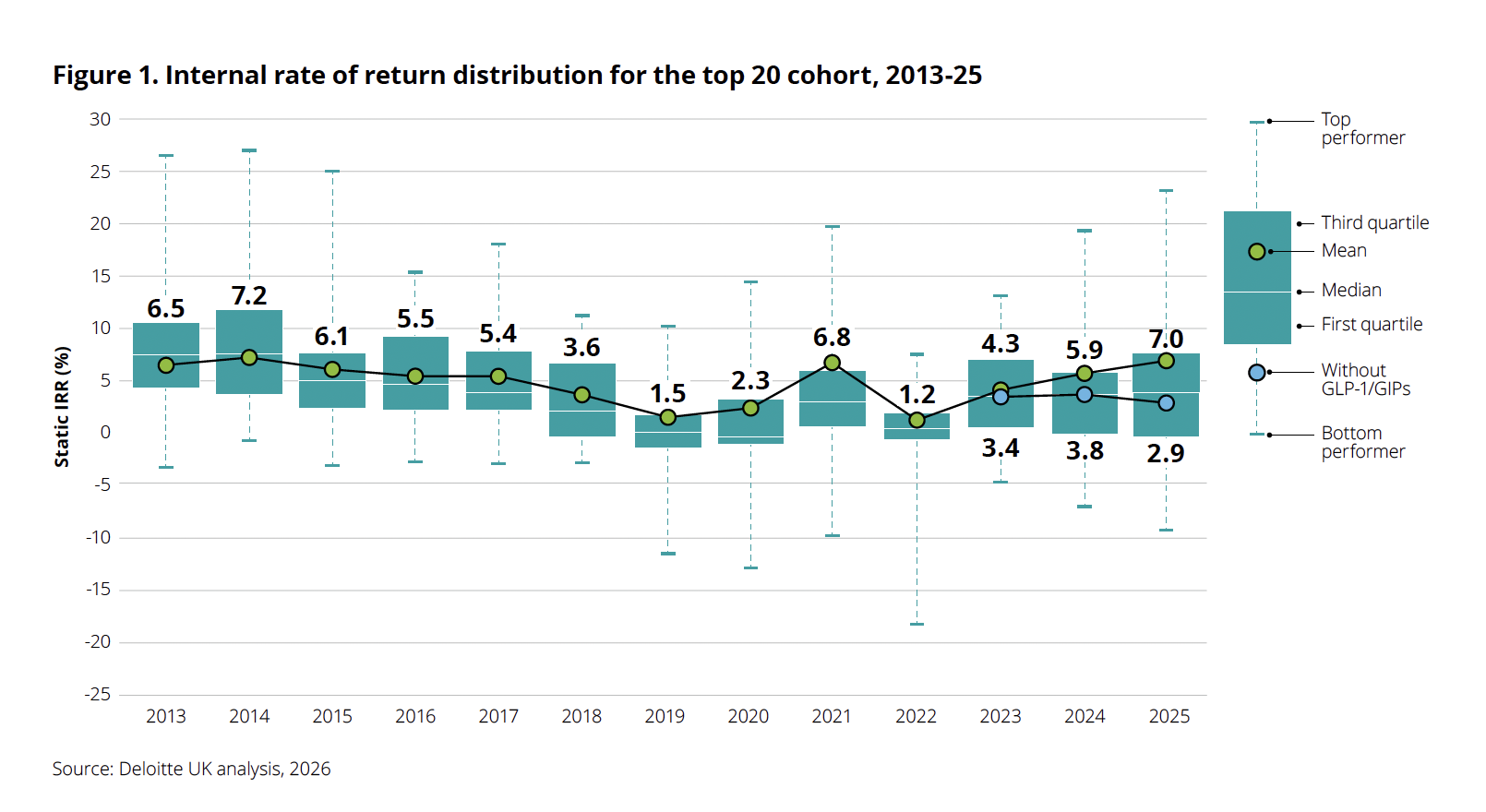
The pharmaceutical industry, after a period characterized by uneven growth and post-pandemic recalibration, is witnessing a significant upturn in R&D productivity, largely propelled by the explosive success of GLP-1/GIP therapies. According to the 16th annual edition of Deloitte’s influential "Measuring the Return from Pharmaceutical Innovation" report, tellingly titled "Navigating the GLP-1 boom," the projected internal rate of return (IRR) on late-stage pipeline assets has climbed for the third consecutive year, reaching 7.0% in 2025. This marks a notable improvement from 5.9% in the preceding year, signaling a potential shift from what some described as a prolonged "winter" for biopharma innovation. Kevin Dondarski, principal for life sciences strategy at Deloitte Consulting, underscored the significance of this trend, stating, "We went through a period of so many years where the returns kept declining, excluding the COVID impact in the middle. But the increase over the last few years is analytically unprecedented."
The GLP-1 Phenomenon: A Double-Edged Sword for Biopharma
While the headline figure of 7.0% IRR offers a promising outlook, a deeper dive into Deloitte’s findings reveals a critical nuance: the vast majority of this growth is attributable to a single class of drugs. Glucagon-like peptide-1 (GLP-1) and glucose-dependent insulinotropic polypeptide (GIP) receptor agonists, primarily targeting obesity and related metabolic conditions, are estimated to account for a staggering 38% of all projected commercial inflows from the 2025 late-stage pipeline. The sheer dominance of these therapies becomes starkly apparent when they are removed from the equation. Without GLP-1/GIP drugs, the overall headline IRR plummets from 7.0% to a mere 2.9% in 2025. For context, the IRR in 2024 stood at 5.9%, but without GLP-1/GIPs, it was 3.8%, indicating that while GLP-1s were impactful last year, their influence has grown even more pronounced.
This unprecedented concentration of value presents a dual narrative for the industry. Dondarski elaborated on this dichotomy: "There are two different messages here. One, it’s certainly attractive, because the market is valuing the potential impact that those therapies can have on the public, which is great. But at the same time, it raises the question of sustainability. As those programs progress, is there going to continue to be that opportunity through the next generation and the next? It will create a responsibility for these companies to find the right assets to replace in the pipeline." The report further highlights that this year marks the most dramatic instance in its 16-year history where removing a single drug class has so profoundly altered the direction of the headline IRR. While specific therapeutic areas often contribute significantly to overall value, the current impact of GLP-1s is unparalleled in its magnitude.
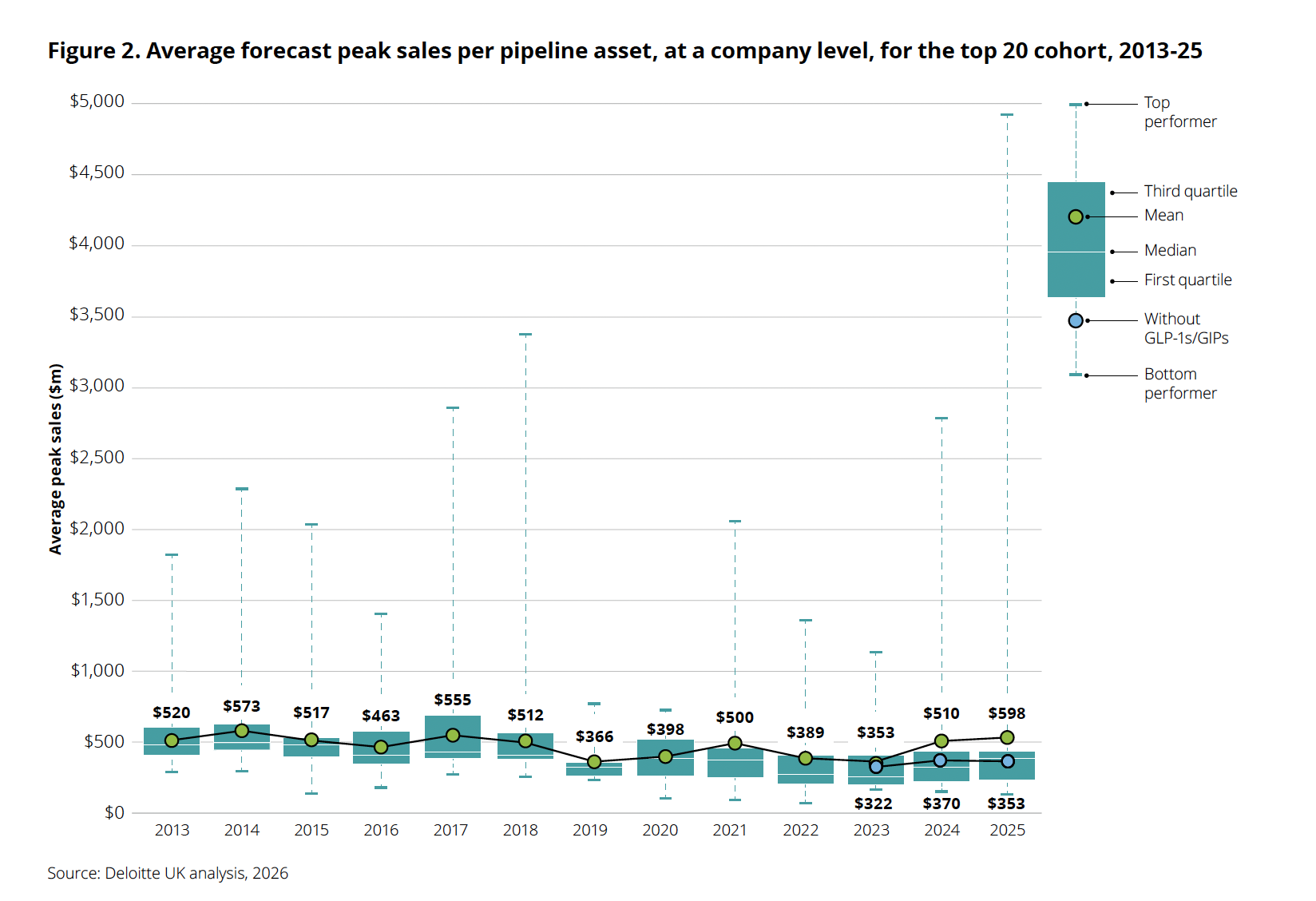
The average forecast peak sales per pipeline asset reflect this disparity. In 2025, this figure jumped to $598 million, a significant rise. However, the underlying data reveals a dramatic spread: the top-performing assets now approach an astonishing $5 billion in projected peak sales, almost entirely driven by GLP-1s. Conversely, the average forecast peak sales for assets without GLP-1/GIPs actually declined to $353 million, a figure lower than the previous year. This indicates that while the overall R&D productivity appears robust on the surface, the underlying health of the broader pharmaceutical pipeline, excluding these obesity blockbusters, is actually experiencing a decline. This trend underscores a growing reliance on a narrow set of highly lucrative therapies, posing strategic challenges for diversification and long-term innovation across other disease areas.
Industry Dynamics and Investor Sentiment Amidst the GLP-1 Gold Rush
The immense potential of GLP-1s has naturally attracted significant investor attention, yet the market has been sending mixed signals regarding the long-term durability of this boom. Companies at the forefront of the GLP-1 revolution, primarily Eli Lilly and Novo Nordisk, have experienced both unprecedented success and periods of considerable volatility.
Eli Lilly, the developer of tirzepatide (marketed as Zepbound for obesity and Mounjaro for diabetes), has seen its stock performance fluctuate, skidding roughly 10-13% year-to-date since the beginning of the year, despite consistently strong financial results. In April 2026, Lilly further expanded its GLP-1 portfolio with the launch of its oral GLP-1, orforglipron, marketed as Foundayo. The company’s first-quarter 2026 financial results highlighted the powerhouse performance of its GLP-1 assets. Lilly reported revenue of $19.8 billion, significantly exceeding expectations of $17.6 billion, representing a robust 56% year-over-year increase. This growth was primarily fueled by Mounjaro, which generated $8.7 billion (+125%), and Zepbound, contributing $4.1 billion (+79%). Buoyed by this performance, Lilly raised its full-year revenue guidance by $2 billion, projecting $82-$85 billion. However, a deeper analysis of Lilly’s growth revealed a 65% volume increase partially offset by a 13% decline in realized prices, suggesting early pressures on pricing dynamics even amidst soaring demand.
Novo Nordisk, another dominant player with its popular Wegovy and Ozempic, has also navigated a complex landscape. In a significant leadership change in November 2025, Lars Fruergaard Jorgensen, the long-serving CEO, was replaced by Maziar Mike Doustdar, amidst slowing momentum and share-price pressures. This period also saw seven board members step down at an extraordinary general meeting. The company subsequently announced ambitious plans to cut approximately 9,000 roles from its global workforce of 78,400 by late 2026, aiming to save $13 billion annually. Novo Nordisk’s Q1 2026 release indicated a workforce of about 67,900 employees, implying that roughly 10,500 fewer employees were on staff compared to when the restructuring was announced.
Adding to investor concerns, Novo Nordisk’s highly anticipated combination therapy, CagriSema (a blend of the amylin analogue cagrilintide and semaglutide), failed to meet its primary endpoint in the REDEFINE 4 Phase 3 head-to-head trial in February 2026. The drug, which had been hoped to drive future growth, delivered 23.0% weight loss, falling short of Lilly’s Zepbound, which achieved 25.5% weight loss. This non-inferiority outcome triggered another wave of investor disappointment and underscored the competitive intensity within the GLP-1 market.
Despite these challenges, strong demand for GLP-1s persists, particularly in the oral formulation segment. Novo Nordisk reported Q1 sales of DKK 96.8 billion ($15.2 billion), with its oral Wegovy pill, launched on January 5, generating DKK 2.26 billion in its inaugural quarter, nearly doubling analyst expectations of DKK 1.16 billion. However, similar to Lilly, Novo’s adjusted sales still fell 4% at constant exchange rates once a one-time $4.2 billion 340B provision reversal was excluded, highlighting ongoing pricing and rebate complexities in the U.S. market.
Further compounding the financial landscape, both Eli Lilly and Novo Nordisk have agreed to significant price reductions for GLP-1s within U.S. government programs. A November deal expanded Medicare and Medicaid coverage for weight-loss use for the first time, introducing $50 monthly copays for eligible beneficiaries. The "TrumpRx" site, a direct-to-consumer platform, now lists the Wegovy pill at $149 per month, the Wegovy pen at $199, Ozempic at $199, and Zepbound at $299. These pricing adjustments, while expanding access, inevitably place downward pressure on realized revenues, adding another layer of complexity to the GLP-1 market’s long-term financial projections.
The Spiraling Cost of R&D and Shifting Therapeutic Landscapes
Beyond the GLP-1 narrative, the Deloitte report also highlighted a worrying trend in the broader pharmaceutical R&D landscape: the escalating cost of bringing a new drug to market. In 2025, the average cost to develop a drug from discovery to launch surged to $2.67 billion, a significant increase from $2.23 billion the year prior. This rise was not an anomaly driven by a single outlier, as Dondarski noted, "We saw the cost increase for 17 out of the 20 companies, so it was a persistent theme."
Three primary factors converged to drive this persistent increase:
- R&D costs outstripping inflation: The intrinsic expenses associated with research and development continue to grow at a rate higher than general inflation, reflecting the increasing complexity of scientific endeavors and clinical trials.
- M&A inflating the R&D cost base: Large-scale mergers and acquisitions, a common strategy in the pharmaceutical sector, often lead to an inflated R&D cost base as acquiring companies absorb the development pipelines and associated expenses of their targets.
- Attrition shrinking late-stage programs: A reduction in the overall number of late-stage programs by approximately 4-5% means that the substantial R&D costs are spread across fewer successful candidates, effectively increasing the average cost per launched drug.
This upward trajectory in development costs underscores the critical need for efficiency gains and innovative approaches to R&D, especially as the industry grapples with the sustainability question surrounding GLP-1s.
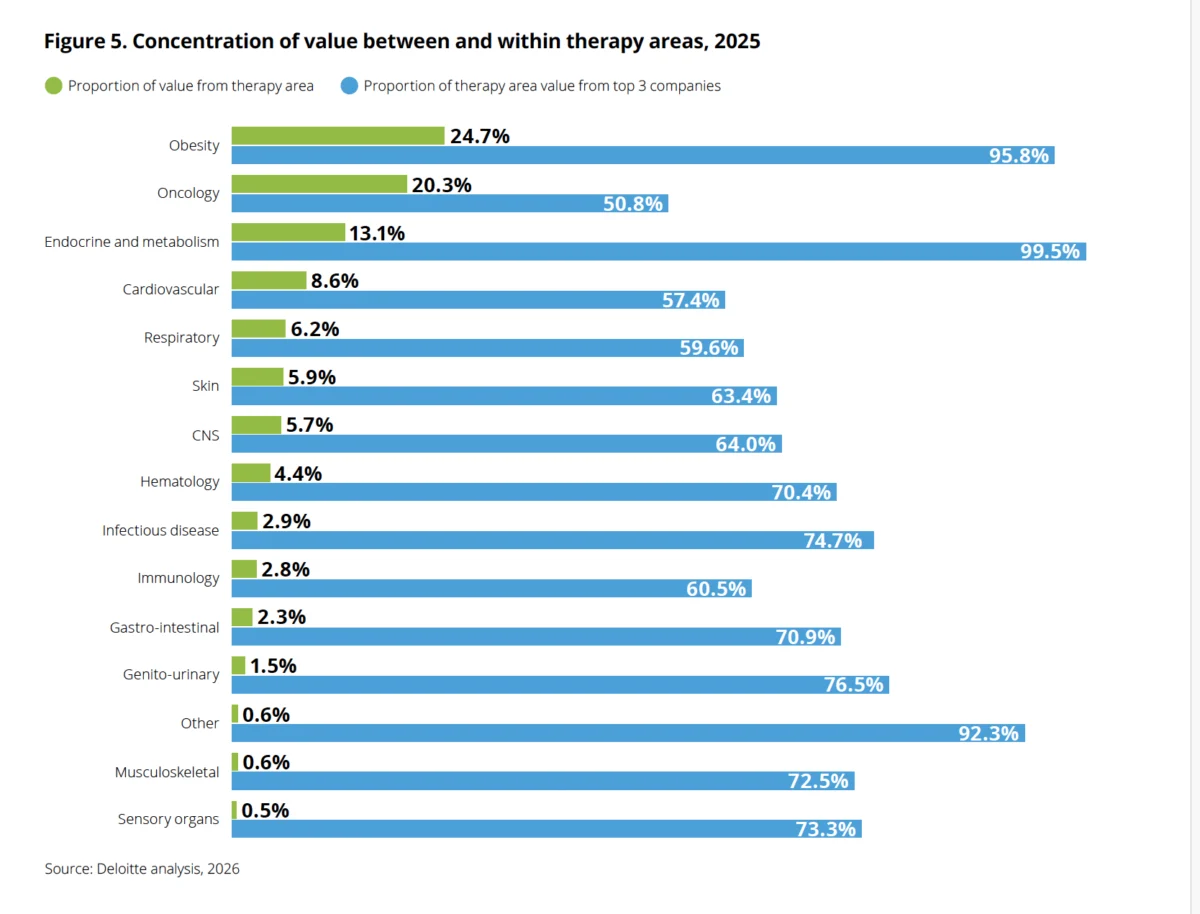
Meanwhile, the report also revealed a historic shift in therapeutic area prioritization. For the first time in the report’s 16-year history, obesity now commands the largest share of late-stage pipeline value, reaching 24.7%. This displaces oncology, which previously held the top spot, now at 20.3%. However, the concentration within the obesity pipeline is even more striking, with nearly 96% of that value sitting with just three companies—Eli Lilly and Novo Nordisk being the most prominent. This extreme concentration highlights both the lucrative nature of the obesity market and the significant risk of over-reliance on a limited number of players and drug classes within a specific therapeutic area.
AI: Still Waiting for Liftoff in Drug Development
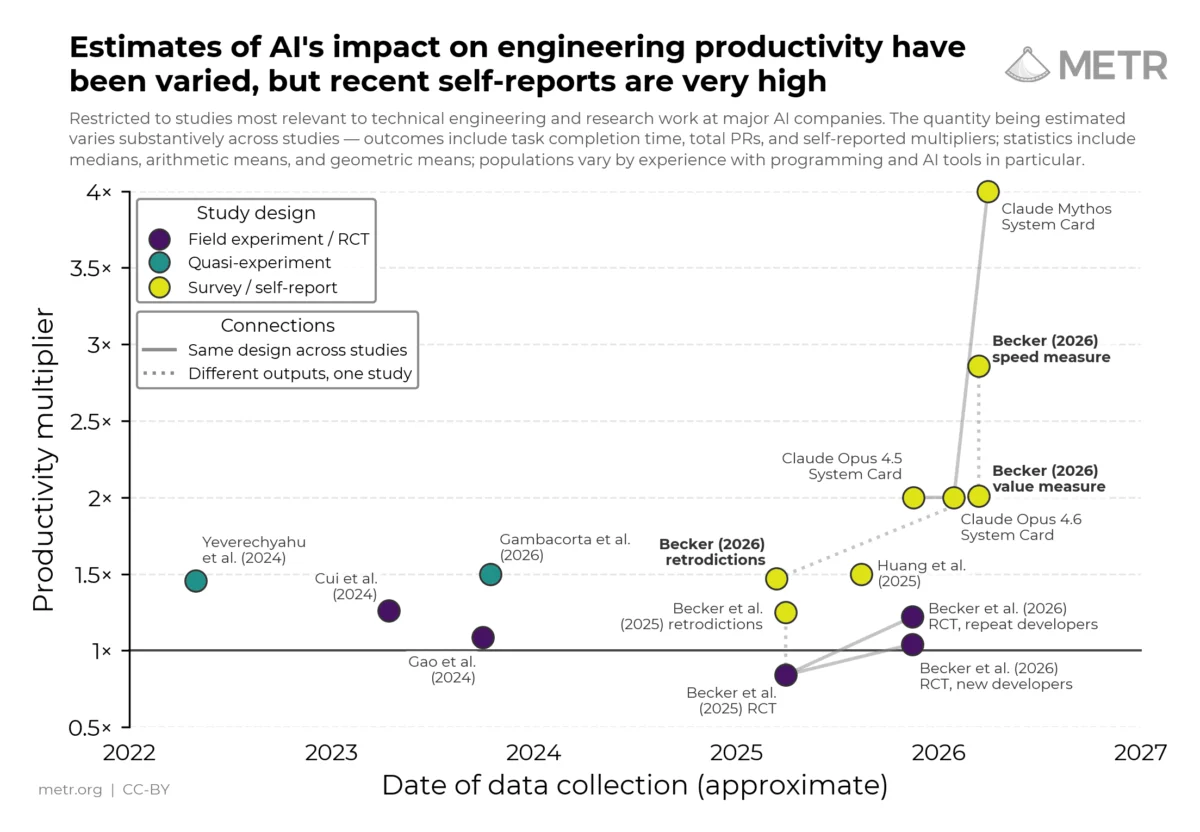
In previous editions, Deloitte reports have championed the transformative potential of artificial intelligence (AI) to revolutionize drug discovery and development. Last year’s report, "Be brave, be bold," specifically urged pharma companies to embrace AI-powered platforms, automation, and advanced analytics as a crucial pathway to reverse decades of declining R&D productivity. However, the 2025 data paints a picture of unrealized potential. Despite the fervent discussion and investment in AI, R&D costs continue their climb to a record $2.67 billion per asset, and clinical cycle times remain stubbornly long.
The report now concedes that AI’s promise to significantly reduce development time and costs "has not yet been realized at scale, largely due to a pilot-driven, function-by-function approach." This suggests that while individual companies and departments are experimenting with AI in isolated projects, a comprehensive, integrated strategy for leveraging AI across the entire drug development lifecycle is yet to materialize. The fragmented adoption prevents the realization of AI’s full potential for systemic efficiency gains.
Dondarski acknowledged the widespread engagement with AI within the industry: "Everybody’s actively focusing on AI, and everybody’s had some degree of success." However, he pointed to a crucial differentiator: "But from our vantage point, there’s a good amount of variability in the velocity at which organizations are scaling those efforts to maximize value creation." This indicates that merely implementing AI tools is insufficient; the true challenge lies in the strategic scaling and integration of these technologies to fundamentally transform R&D processes and unlock significant value.
Strategic Implications and Future Outlook
The Deloitte report serves as both a testament to the immense potential of groundbreaking innovation and a cautionary tale about the perils of over-reliance on a single therapeutic class. The "GLP-1 boom" has undeniably injected vitality into the pharmaceutical R&D landscape, driving headline returns to levels not seen in years. This surge in returns is a direct reflection of the significant unmet medical need in obesity and related metabolic conditions, and the market’s valuation of therapies that offer substantial patient benefits.
However, the dramatic divergence between the overall IRR and the IRR without GLP-1s underscores a critical strategic challenge for the pharmaceutical industry. The unprecedented concentration of value in GLP-1s raises serious questions about the sustainability of these high returns and the broader health of pharmaceutical innovation. Companies must now navigate the delicate balance between capitalizing on the current GLP-1 opportunity and diligently diversifying their pipelines to mitigate future risks. This includes investing in novel mechanisms of action for metabolic diseases, as well as exploring other high-impact therapeutic areas that can eventually replace the projected commercial inflows from the current GLP-1 generation.
The escalating cost of R&D further complicates this picture, demanding a renewed focus on efficiency and productivity across all stages of drug development. The slow adoption of AI at scale, despite its touted potential, represents a missed opportunity that pharmaceutical companies can no longer afford to ignore. Moving beyond pilot programs to enterprise-wide AI strategies will be crucial for bending the R&D cost curve and accelerating innovation.
In essence, the pharmaceutical industry finds itself at a pivotal juncture. While the GLP-1 boom offers a temporary reprieve and significant financial upside, it also illuminates underlying vulnerabilities in pipeline diversity and R&D efficiency. The path forward will require strategic foresight, disciplined investment in a broad range of therapeutic areas, and a resolute commitment to fully integrating transformative technologies like AI to ensure sustainable innovation and long-term growth beyond the current wave of blockbusters.











Leave a Reply