

The landscape of chronic pain management is facing a potential shift as researchers at the Duke University School of Medicine have identified a biological mechanism that could move treatment beyond symptom suppression toward actual cellular repair. For decades, the medical community has grappled with the limitations of traditional analgesics, which often fail to provide adequate relief for the millions of individuals suffering from debilitating nerve damage. New findings published in the journal Nature suggest that the secret to lasting relief may lie in the restoration of mitochondria—the microscopic powerhouses of the cell—within damaged neural pathways.
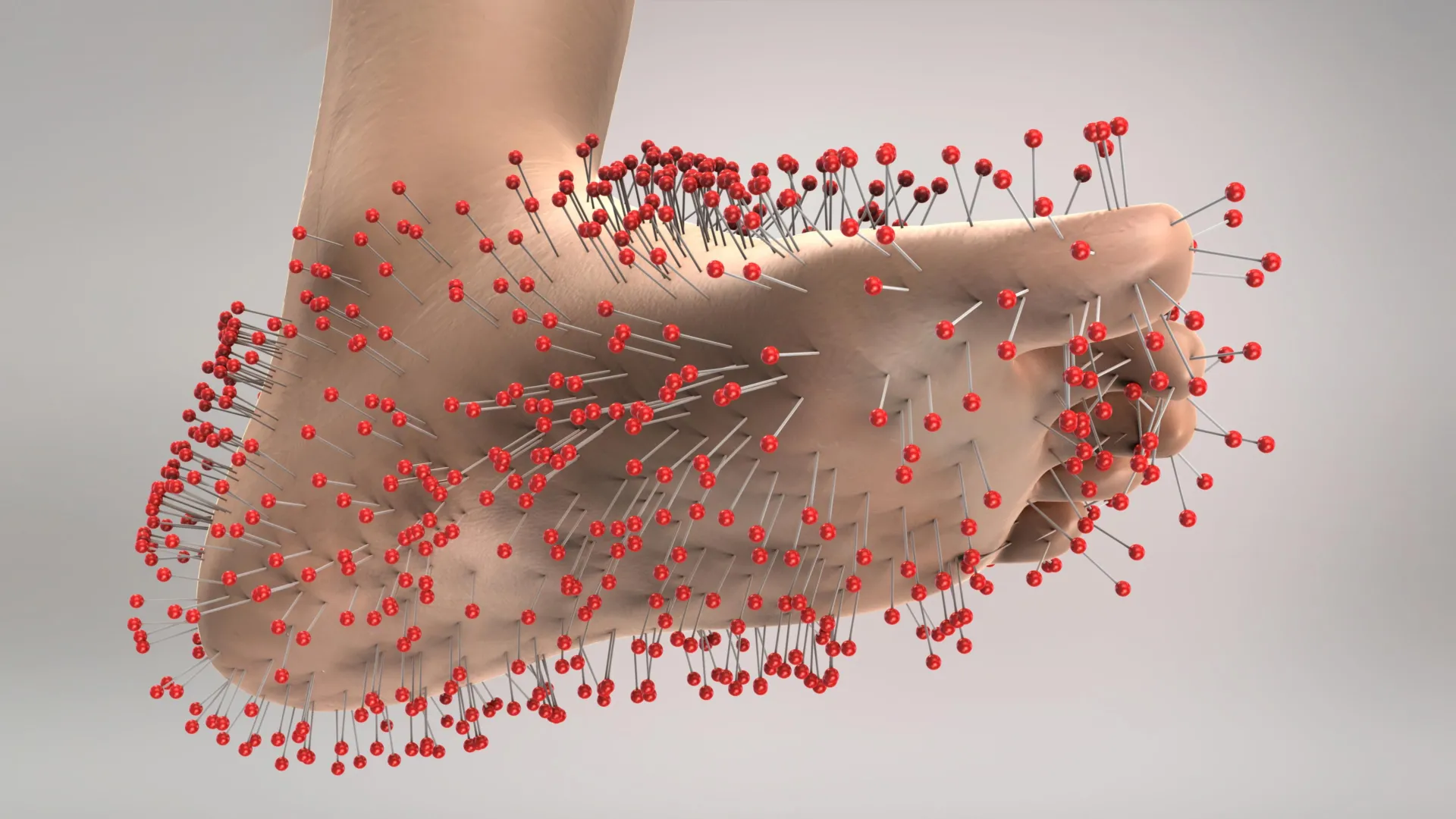
Chronic nerve pain, or neuropathy, is frequently characterized by "allodynia," a condition where even the gentlest touch, such as the brush of clothing or a light breeze, is perceived as agonizing. While previous theories focused primarily on the electrical signaling of nerves, the Duke team, led by Dr. Ru-Rong Ji, has demonstrated that the root of the problem may be a metabolic failure. When the energy supply within a nerve cell collapses due to mitochondrial dysfunction, the cell becomes hypersensitive and prone to sending erroneous pain signals to the brain. By replenishing these energy reserves, researchers were able to significantly reduce pain behaviors in animal models and human tissue samples, marking a significant milestone in translational pain medicine.
The Biological Mechanics of Nerve Pain and Energy Failure
To understand the significance of this discovery, one must look at the unique architecture of the human nervous system. Sensory neurons are among the most energy-demanding cells in the body. Some nerve fibers, such as those extending from the base of the spine to the tips of the toes, can be over three feet long. Maintaining the electrical gradient across these long distances requires a constant and robust supply of adenosine triphosphate (ATP), the chemical energy produced by mitochondria.
When nerves are damaged—whether through the high blood sugar levels associated with diabetes or the toxic effects of chemotherapy—mitochondria are often the first casualties. As these organelles fail, they leak reactive oxygen species, causing inflammation and further damaging the cell’s internal structures. This "bioenergetic crisis" leaves the neuron unable to maintain its normal resting state, leading to the spontaneous firing that patients experience as burning, tingling, or stabbing pain.
The Duke study focused on a previously underappreciated support system: satellite glial cells (SGCs). These cells wrap around the cell bodies of sensory neurons in the dorsal root ganglia. The researchers discovered that SGCs act as a metabolic reservoir, capable of "donating" healthy mitochondria to struggling neurons. This transfer occurs through microscopic bridges known as tunneling nanotubes (TNTs). When this natural support system is compromised, neuropathy takes hold; when it is bolstered, the pain recedes.
Methodology and Key Findings in the Duke Study
The research team employed a multi-faceted approach, utilizing both mouse models and human tissue to validate their hypotheses. The study specifically targeted two of the most common forms of chronic nerve pain: diabetic peripheral neuropathy and chemotherapy-induced peripheral neuropathy (CIPN).
In the experimental phase, researchers observed that mice exhibiting signs of advanced neuropathy had significantly fewer healthy mitochondria in their sensory neurons compared to healthy controls. To test the restorative potential of mitochondrial transfer, the team used two primary methods. First, they genetically up-regulated the transfer process between glial cells and neurons. Second, they performed direct injections of isolated, healthy mitochondria into the dorsal root ganglia.
The results were immediate and profound. In the mouse models, pain-related behaviors—such as sensitivity to mechanical pressure and heat—dropped by as much as 50% following the intervention. Furthermore, the researchers found that the quality of the mitochondria was the deciding factor. When they injected mitochondria sourced from healthy donors, the subjects showed marked improvement. Conversely, mitochondria harvested from subjects with chronic diabetes provided no relief, suggesting that the "cargo" itself must be functionally sound to effect a cure.
A crucial discovery within the study was the identification of the protein MYO10. This protein acts as a structural architect, responsible for building the tunneling nanotubes that allow mitochondria to travel between cells. The researchers found that by increasing the expression of MYO10, they could facilitate a more robust transfer of energy, effectively "recharging" the damaged nerves and allowing them to return to a homeostatic state.
Chronology of the Research and Scientific Context
The path to this discovery has been built over several years of inquiry into the "secret life" of glial cells. Traditionally, neurons were considered the primary actors in the nervous system, with glial cells relegated to a secondary, "glue-like" support role. However, the last decade of neuroscience has seen a dramatic re-evaluation of this hierarchy.
- 2010–2015: Early studies in oncology and stroke research began to suggest that cells could swap organelles. It was observed that some cancer cells could "hijack" mitochondria from surrounding healthy cells to fuel their rapid growth.
- 2018–2020: Dr. Ru-Rong Ji’s laboratory at Duke began investigating the specific interactions between satellite glial cells and sensory neurons, hypothesizing that a similar transfer might occur in the context of chronic pain.
- 2021–2023: The team identified the presence of tunneling nanotubes in the peripheral nervous system and began testing the role of MYO10 in regulating these structures.
- 2024: The publication of the findings in Nature provided the first definitive evidence that restoring mitochondrial health can reverse the behavioral symptoms of neuropathy in both diabetic and chemotherapy contexts.
This timeline reflects a broader shift in medical science toward "mitochondrial medicine," an emerging field that views various systemic diseases—from Alzheimer’s to heart failure—as various manifestations of mitochondrial decay.
Supporting Data: The Scale of the Neuropathy Crisis
The implications of the Duke study are underscored by the staggering statistics surrounding chronic pain. According to data from the Centers for Disease Control and Prevention (CDC), approximately 20.9% of U.S. adults (51.6 million people) live with chronic pain, with a significant portion suffering from neuropathic varieties.
The economic burden is equally immense. A study published in The Journal of Pain estimates that chronic pain costs the United States up to $635 billion annually in medical treatments and lost productivity—a figure that exceeds the costs of heart disease, cancer, and diabetes individually.
For diabetic patients, the situation is particularly acute. The American Diabetes Association notes that roughly 50% of adults with diabetes will develop peripheral neuropathy during their lifetime. Current treatments, such as gabapentinoids or antidepressants, only provide relief for about one in three patients, and often come with side effects like dizziness, fatigue, and cognitive fog. The Duke research offers a glimmer of hope for a more targeted, biological intervention that addresses the cellular cause rather than just the symptomatic effect.
Expert Reactions and the Move Away from Opioids
The medical community has reacted to the Duke findings with cautious optimism. Dr. Ru-Rong Ji emphasized that while the results are promising, the primary goal is to develop non-opioid alternatives for pain management. "This approach has the potential to ease pain in a completely new way," Ji stated. "By giving damaged nerves fresh mitochondria—or helping them make more of their own—we can reduce inflammation and support healing."
Independent analysts suggest that this research arrives at a critical juncture in the fight against the opioid epidemic. For years, the lack of effective treatments for nerve pain led to the over-prescription of opioid medications, which are often ineffective for neuropathic pain and carry high risks of addiction. A treatment that restores cellular function rather than dulling the central nervous system could provide a safer, more sustainable path for long-term pain management.
Dr. Cagla Eroglu, a collaborator on the study and a professor of cell biology at Duke, noted that the discovery of the glial-to-neuron transfer mechanism opens up new avenues for treating other neurological disorders. If glial cells can be "trained" or "boosted" to provide better metabolic support, the technique could theoretically be applied to neurodegenerative diseases where mitochondrial failure is a known factor.
Broader Impact and Future Implications
The long-term impact of this research could redefine the standard of care for neuropathy. If clinical trials can replicate the 48-hour relief window observed in animal models, researchers may look toward developing "mitochondrial boosters" or gene therapies that target the MYO10 protein to maintain healthy tunneling nanotubes in high-risk patients.
However, several hurdles remain. The delivery of isolated mitochondria to specific nerve clusters in humans is a complex task. While the Duke researchers used direct injections into the dorsal root ganglia, a more non-invasive method would be required for widespread clinical use. Additionally, high-resolution imaging in living human tissue is still needed to confirm exactly how these nanotubes function in real-time within the complex environment of the human body.
The study also raises intriguing questions about lifestyle interventions. If mitochondrial health is the key to preventing nerve pain, could dietary changes, specific exercise regimens, or metabolic supplements play a preventative role in neuropathy? While the study focused on direct cellular intervention, the link between metabolic health and pain sensitivity is now more evident than ever.
As the global population ages and the prevalence of diabetes continues to rise, the demand for innovative pain solutions will only grow. The work of Dr. Ji and his team at Duke University provides a sophisticated biological blueprint for the next generation of therapies—one where the focus is not on masking the pain, but on empowering the body’s own cells to heal from within. By bridging the gap between metabolism and neurology, this research offers a new sense of agency to millions who have long felt that their pain was an incurable part of their daily lives.















Leave a Reply