

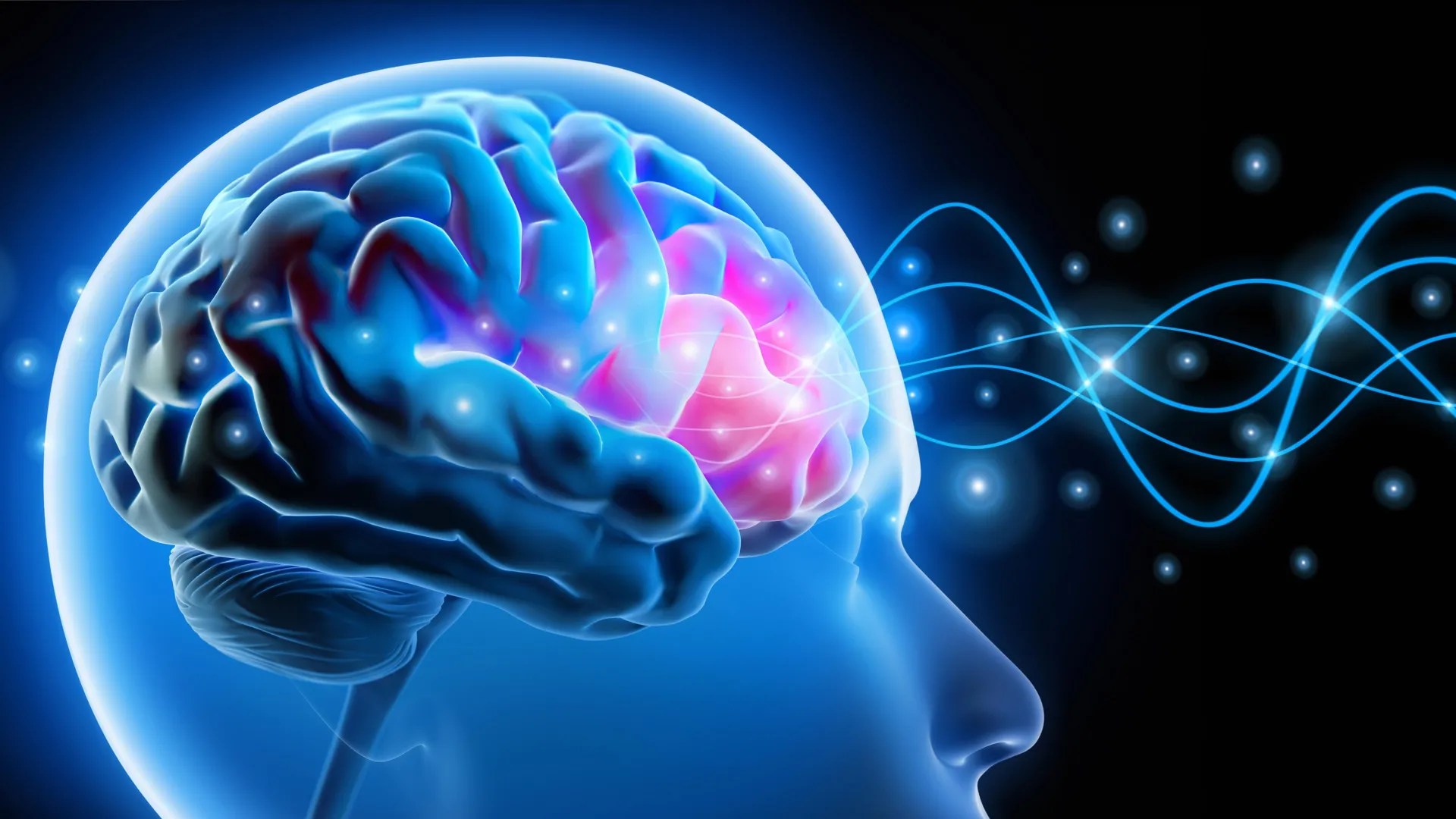
The complex architecture of the human brain has long hidden the precise mechanisms that govern emotional dysregulation, but a breakthrough study from the Institute for Neurosciences (IN) has brought researchers one step closer to understanding the biological roots of anxiety and depression. A team of scientists, led by Professor Juan Lerma, has identified a specific neural circuit within the amygdala that serves as a primary driver for anxiety-like behaviors and social withdrawal. By utilizing advanced genetic engineering and viral intervention, the researchers were able to restore equilibrium to this circuit, effectively reversing pathological behaviors in animal models. This discovery, published in the journal iScience, provides a foundational framework for the development of targeted therapies for a range of affective disorders that currently affect hundreds of millions of people worldwide.
The Biological Foundation: The Amygdala and the Grik4 Gene
At the heart of the study lies the amygdala, an almond-shaped cluster of nuclei located deep within the temporal lobes of the brain. Traditionally recognized as the "fear center," the amygdala is essential for processing emotions, particularly those related to survival, such as the fight-or-flight response. However, the amygdala is not a monolithic structure; it is composed of several sub-regions with distinct functions. The research team focused specifically on the basolateral amygdala (BLA), a region heavily involved in the interpretation of sensory information and the generation of emotional responses.
The catalyst for the study’s findings was the Grik4 gene. This gene encodes the GluK4 subunit of kainate-type glutamate receptors, which are responsible for excitatory signaling between neurons. In a healthy brain, glutamate signaling is carefully balanced by inhibitory signals, ensuring that neural activity remains within a functional range. When this balance is disrupted—a state known as an excitatory/inhibitory (E/I) imbalance—it can lead to neurological and psychiatric symptoms.
The researchers discovered that an overabundance of the Grik4 gene leads to an overproduction of GluK4 receptors, making neurons in the basolateral amygdala hyper-excitable. This hyper-excitability creates a cascade of "noise" within the brain’s emotional processing centers, manifesting as chronic anxiety and a marked decrease in social interaction. By isolating this specific genetic and regional interaction, the team successfully identified a "toggle switch" for emotional stability.
A Decade of Research: The Chronology of Discovery
The findings published in iScience are the culmination of nearly a decade of focused investigation at the Synaptic Physiology laboratory. The timeline of this discovery highlights the rigorous nature of modern neuroscience and the iterative process required to move from identifying a correlation to proving a causal mechanism.
In 2015, Juan Lerma’s team reached a significant milestone by developing a genetically engineered mouse model that mimicked the symptoms of certain human neurodevelopmental and psychiatric conditions. These mice were designed to overexpress the Grik4 gene, replicating a genetic duplication often observed in patients with autism spectrum disorder (ASD) and schizophrenia. The 2015 study confirmed that these mice displayed high levels of anxiety and a significant lack of interest in social stimuli, but the exact neural pathway responsible for these traits remained elusive.
Between 2016 and 2023, the laboratory focused on mapping the connectivity of the basolateral amygdala. They sought to determine which specific downstream targets were being affected by the BLA’s hyper-excitability. Through sophisticated electrophysiological recordings—which measure the electrical activity of individual neurons—the team identified a breakdown in communication between the BLA and the centrolateral amygdala (CeA). Specifically, they found that the hyper-excitable BLA neurons were overwhelming the "regular firing" inhibitory neurons in the CeA, effectively silencing the brain’s ability to regulate its own anxiety levels.
The 2024 study represents the final phase of this research cycle. Having identified the gene, the receptor, the region, and the circuit, the team moved to intervention. By using modified viruses to "deliver" a correction to the Grik4 levels specifically within the BLA, they were able to observe the real-time restoration of social behavior and a reduction in anxiety.
Methodology and Supporting Data: Quantifying Behavioral Change
To validate their findings, the research team employed a battery of standardized behavioral assessments designed to measure the intensity of anxiety and social deficits in rodents. These tests are essential for translating microscopic neural changes into macroscopic behavioral outcomes.
One of the primary tools used was the Elevated Plus Maze (EPM), a cross-shaped platform with two open arms and two enclosed arms. Naturally anxious mice tend to avoid the open arms, preferring the safety of the walls. Before the intervention, the Grik4-overexpressing mice spent almost no time in the open arms. However, following the normalization of gene activity in the BLA, these mice showed a significant increase in exploration, indicating a marked reduction in anxiety.
In social interaction tests, the researchers used a three-chambered apparatus. Typically, a mouse will show a preference for exploring a chamber containing an unfamiliar "stranger" mouse over an empty chamber. The Grik4 mice initially showed a profound social deficit, often ignoring the other mouse entirely. Post-treatment, their social curiosity was restored to levels comparable to healthy control mice.
The most compelling data point, however, came from the team’s experiment with "wild-type" or natural mice. The researchers identified individuals within a standard population that naturally exhibited higher-than-average anxiety levels. When they applied the same genetic correction to the BLA of these natural mice, their anxiety also decreased. This confirmed that the circuit is not just a quirk of a lab-created model, but a universal mechanism for emotional regulation in the mammalian brain.
Professional Analysis: Implications for Modern Psychiatry
The implications of this study are far-reaching, particularly given the current limitations of psychiatric medicine. For decades, the primary treatment for anxiety and depression has involved systemic medications, such as Selective Serotonin Reuptake Inhibitors (SSRIs) or benzodiazepines. While effective for many, these drugs act on the entire brain and body, often leading to a wide array of side effects, including lethargy, weight gain, and cognitive dulling. Furthermore, a significant percentage of patients remain "treatment-resistant," finding no relief from traditional pharmacology.
The work of Lerma and his team suggests a shift toward "circuit-based" or "precision" psychiatry. Instead of bathing the entire brain in a chemical, future therapies could involve targeting the specific neural pathways responsible for a patient’s symptoms.
"This research demonstrates that we can think of psychiatric disorders as ‘circuitopathies’—malfunctions in specific wiring," says Álvaro García, the study’s first author. "When we fixed the wiring in the amygdala, the behavior followed suit. It suggests that if we can develop tools to reach these circuits in humans, we could treat the root cause of the disorder rather than just managing the symptoms."
However, the study also provided a sobering reminder of the brain’s complexity. While anxiety and social deficits were reversed, the mice continued to struggle with object recognition memory. This suggests that the Grik4 overexpression affects multiple regions, such as the hippocampus, which was not targeted in this specific intervention. This finding underscores the fact that "mental health" is not a single entity but a collection of distinct cognitive and emotional functions governed by different parts of the brain.
Looking Ahead: The Future of Targeted Therapies
While the transition from mouse models to human clinical trials is a long and rigorous process, the success of this study opens several new avenues for medical development. The use of viral vectors for gene delivery is already being utilized in other fields of medicine, such as treating certain types of blindness and spinal muscular atrophy. The prospect of using similar techniques to "tune" the excitability of the amygdala in severe cases of treatment-resistant anxiety or PTSD is no longer purely theoretical.
The study was supported by a coalition of high-level scientific organizations, including the Spanish State Research Agency and the European Regional Development Fund. This level of institutional support reflects the global priority being placed on mental health research. According to the World Health Organization, anxiety disorders are the most common mental disorders globally, with an estimated 301 million people affected.
As the scientific community digests these findings, the focus will likely shift to identifying other genes that influence the BLA-CeA circuit and determining how environmental factors, such as chronic stress or trauma, might mimic the effects of Grik4 overexpression. By mapping the "emotional map" of the brain with such high resolution, Juan Lerma and his team have provided a new blueprint for the future of mental health treatment—one where the balance of the mind can be restored with surgical precision.


















Leave a Reply