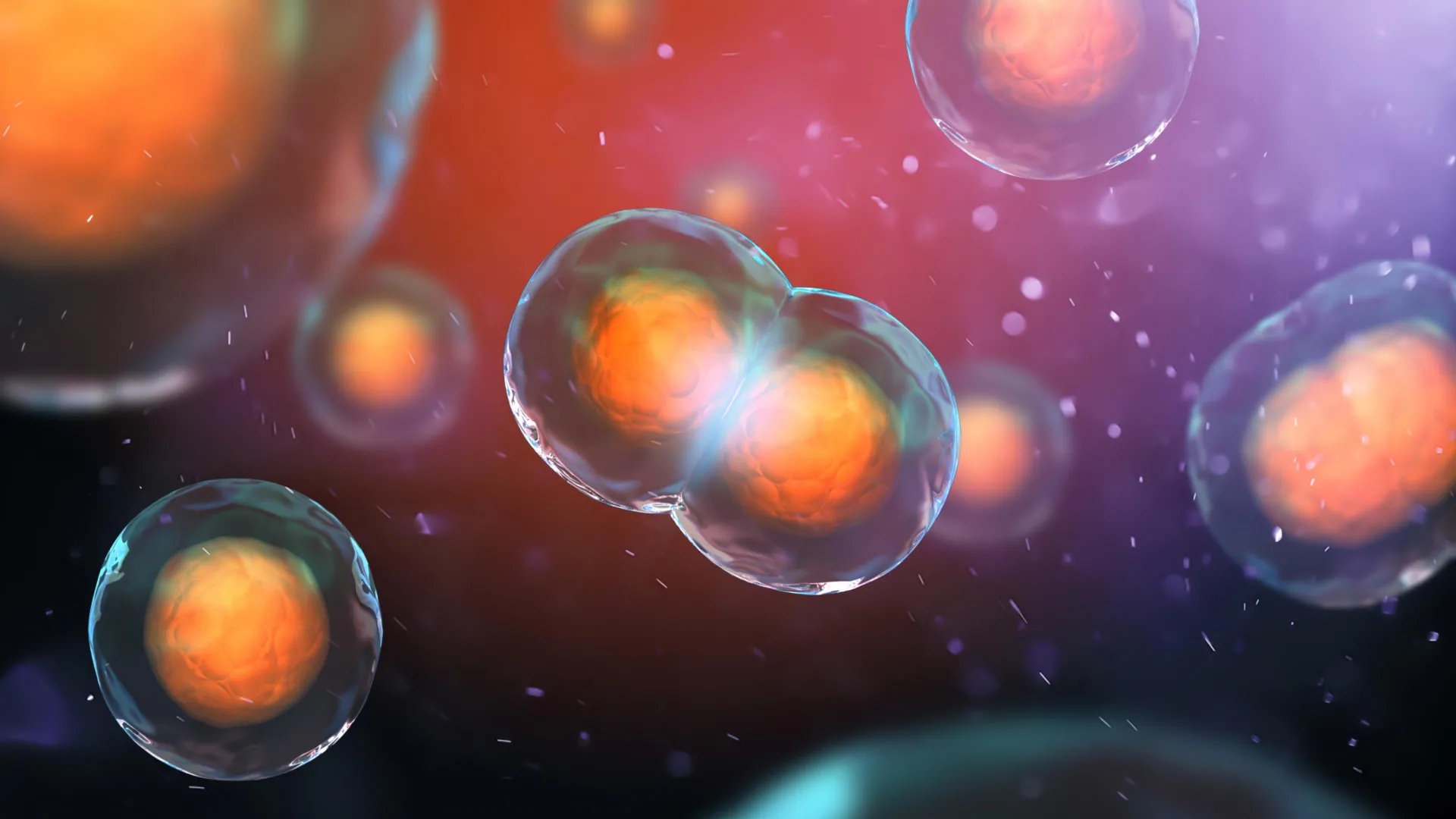
Every second, in a microscopic ballet of biological precision, countless cells within the human body undergo division, a fundamental process essential for growth, repair, and reproduction. This intricate dance relies on the synchronized action of thousands of molecular players, orchestrating the duplication and segregation of genetic material with remarkable accuracy. However, like any complex mechanism, the cell division machinery is not infallible. When this process falters, it can lead to unexpected and significant consequences, with the specific nature of the failure profoundly influencing the fate of the resulting cell.
The Paradox of Whole Genome Duplication: A Cellular Dilemma
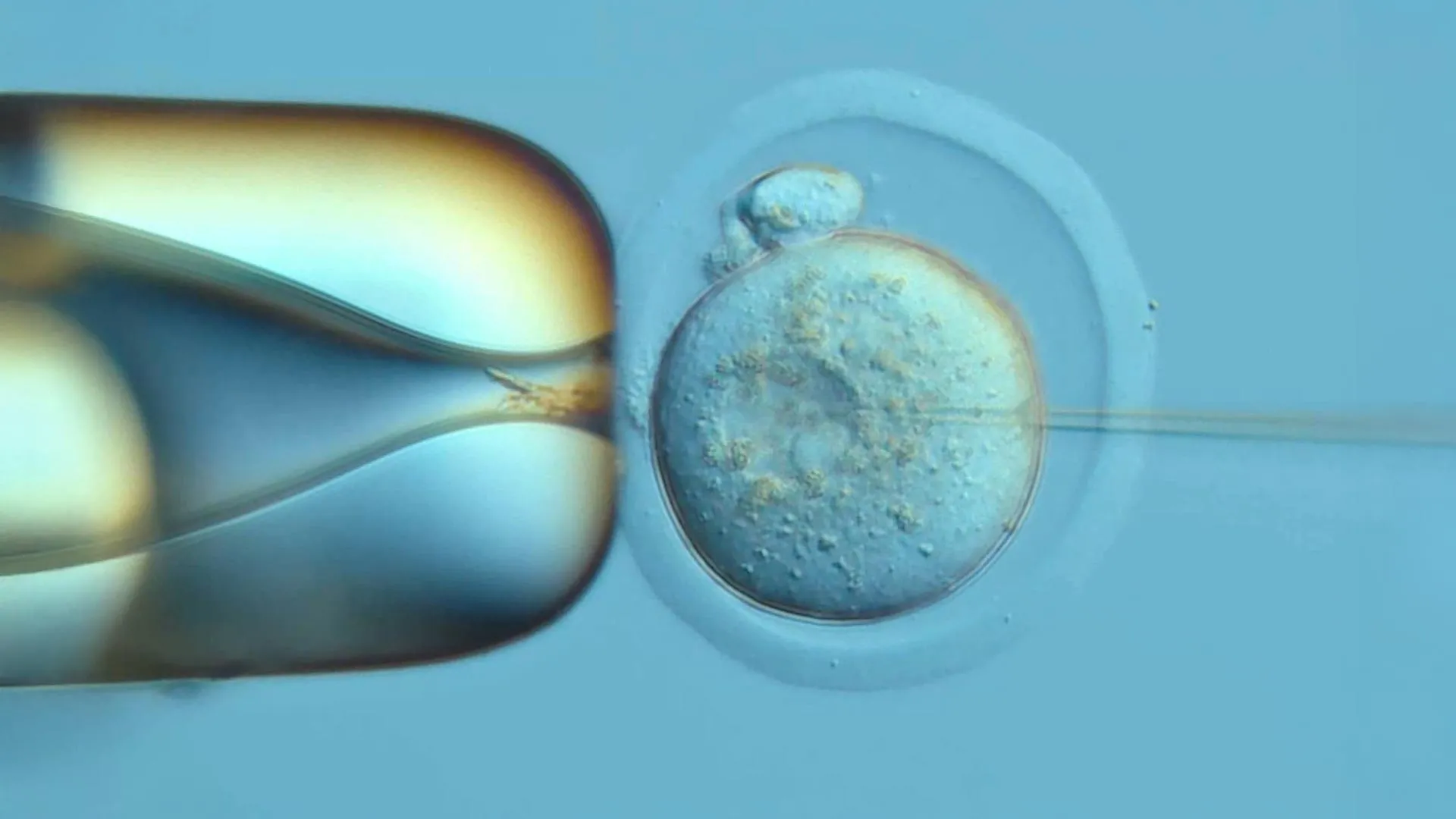
At the heart of cellular division lies the imperative to accurately replicate the entire genome. Before a cell can cleave into two daughter cells, it must meticulously copy its DNA, ensuring each new entity receives a complete and identical genetic blueprint. Yet, sometimes, this duplication occurs flawlessly, only for the subsequent physical separation of the cell to go awry. The outcome is a single cell harboring twice the normal complement of DNA, a phenomenon known as Whole Genome Duplication (WGD). This scenario can be analogized to meticulously photocopying a crucial document, only to inadvertently place both copies back into the same folder, rather than distributing them into separate, intended locations.
For decades, scientists have recognized that WGD is far from benign. Cells burdened with an excess of genetic material often deviate from their normal functional pathways. These supercharged cells may become quiescent, cease to function altogether, or even undergo a transformation into different cell types. Furthermore, WGD has been linked to accelerated aging processes and, more alarmingly, a significant contributor to the development and progression of various diseases, most notably cancer. The accumulation of aberrant genetic material can destabilize cellular function, paving the way for uncontrolled proliferation and the hallmarks of malignancy.
Unraveling the Mechanisms: Two Distinct Paths to Genetic Overload
While the end result of WGD – a cell with doubled DNA – is consistent, the precise molecular misstep leading to this state can vary. Researchers at Hokkaido University have recently shed critical light on this variability, investigating whether the specific pathway through which WGD occurs dictates the subsequent behavior and viability of these genetically altered cells. Their groundbreaking study, published in a leading scientific journal, meticulously dissected two primary mechanisms responsible for WGD: cytokinesis failure and mitotic slippage.
"While whole genome duplication occurs through multiple cellular processes, it has been unclear whether differences in the route affect the characteristics of the resulting cells," explained Associate Professor Ryota Uehara, the corresponding author of the study. This fundamental question drove the research, aiming to move beyond a generalized understanding of WGD to a nuanced appreciation of its mechanistic origins.
The research team meticulously defined the two failure modes:
-
Cytokinesis Failure: In this scenario, the cell successfully navigates the complex choreography of chromosome segregation during mitosis, completing nearly the entire division process. The critical error occurs at the final stage, the physical act of the cytoplasm dividing to form two distinct daughter cells. Instead of cleaving apart, the cell remains a single entity, now containing two complete sets of chromosomes.
-
Mitotic Slippage: This mechanism represents an earlier breakdown in the division process. Here, the cell initiates mitosis, but prematurely exits the cycle before its chromosomes have been properly aligned and segregated to opposite poles. This premature exit leads to the retention of all duplicated chromosomes within a single cellular compartment, resulting in WGD.
Although both cytokinesis failure and mitotic slippage ultimately lead to a cell with a doubled genome, the Hokkaido University researchers discovered that their downstream consequences are dramatically divergent, challenging a previously held, more monolithic view of WGD.
The Survival of the Doubly-Blessed (or Cursed): Chromosome Organization as the Deciding Factor
To elucidate these divergent outcomes, the scientists employed cutting-edge live-cell imaging techniques coupled with chromosome-specific labeling. These advanced methodologies allowed them to meticulously track the behavior and fate of cells in real-time as they underwent WGD via the two distinct pathways. The results painted a clear picture:
Cells that experienced WGD due to cytokinesis failure exhibited significantly greater stability and a markedly higher propensity for survival. These cells, despite their doubled DNA content, appeared to maintain a more organized internal architecture.
In stark contrast, cells arising from mitotic slippage displayed a more precarious existence. They were prone to uneven chromosome distribution, a chaotic arrangement of genetic material that severely compromised their viability and often led to their demise.
The pivotal factor underpinning these disparate survival rates, the study revealed, was the organization of chromosomes.
In the context of mitotic slippage, the premature exit from mitosis frequently resulted in chromosomes being haphazardly distributed. This uneven segregation created a profound genetic imbalance, a condition known as aneuploidy, which acts as a potent stressor, reducing the cell’s ability to function and survive. Conversely, in cases of cytokinesis failure, the chromosomes had been correctly segregated to opposite poles before the final cytoplasmic division failed. This maintained a more balanced chromosomal distribution within the single, enlarged cell, contributing to its enhanced stability.
Further bolstering their findings, the researchers conducted experimental interventions. When they artificially improved chromosome separation fidelity in cells undergoing mitotic slippage, they observed a significant increase in the viability of these otherwise compromised cells. This demonstrated a direct causal link between accurate chromosome segregation and the ability of a WGD cell to persist.
Broader Implications: A New Frontier in Cancer Research and Therapy
The implications of these findings extend far beyond fundamental cell biology, holding significant promise for the fields of cancer research and treatment. Whole genome duplication is not a rare occurrence within the tumor microenvironment; it is a frequently observed phenomenon in various cancers. Moreover, certain chemotherapeutic agents, designed to target rapidly dividing cells, can paradoxically induce WGD as a mechanism of resistance or an unintended side effect.
Cells that survive WGD, particularly those that maintain a semblance of genetic order, may harbor a renewed capacity for proliferation. These genetically aberrant cells can persist, evade therapeutic interventions, and contribute to the dreaded phenomenon of tumor recurrence. The ability of WGD cells to survive and propagate is a critical hurdle in achieving durable cancer remission.
The Hokkaido University study suggests a novel therapeutic avenue: targeting the mechanisms that govern chromosome separation. By intervening in processes like mitotic slippage, it may be possible to prevent the survival and subsequent growth of abnormal cells that have undergone WGD. This approach could shift the focus from directly eliminating cancer cells to preventing the emergence of more resilient, genetically unstable populations.
"There are different mechanisms through which whole genome duplication can occur, but their distinct impacts have largely been overlooked," Uehara reiterated. "We challenged this conventional view by comparing cells formed through different mechanisms and found that these differences can influence cell behavior over the long term." This paradigm shift, emphasizing the mechanistic details of WGD, opens up new avenues for therapeutic development and a deeper understanding of cancer’s complex biology.
Background and Context: The Ever-Present Dance of Cell Division
Cell division, or mitosis, is a tightly regulated process that occurs throughout an organism’s life. In multicellular organisms, it is essential for embryonic development, tissue growth, and the continuous replenishment of cells that wear out or are damaged. A typical human cell contains 46 chromosomes, arranged in 23 pairs. During mitosis, each chromosome is duplicated, resulting in two identical sister chromatids. These sister chromatids are then meticulously aligned at the cell’s equator and pulled apart by a complex molecular machinery known as the spindle apparatus. Once separated, the cell’s cytoplasm divides (cytokinesis), resulting in two daughter cells, each with a complete set of 46 chromosomes.
The timeline of this process is remarkably precise, unfolding in distinct phases: prophase, metaphase, anaphase, and telophase, followed by cytokinesis. Any disruption at any stage can have profound consequences. WGD, as observed in the study, represents a significant deviation from this normal progression.
Historically, research into WGD has often treated it as a monolithic event. However, the increasing sophistication of cellular imaging and molecular manipulation techniques has allowed scientists to dissect these complex processes at a finer resolution. The work by Uehara and his team is a prime example of this advancement, moving from observing the outcome to understanding the nuanced pathways that lead to it.
Supporting Data and Future Directions
While the current study provides compelling evidence, further research is warranted to fully elucidate the clinical applicability of these findings. Future studies could involve:
- In vivo validation: Investigating the prevalence of cytokinesis failure versus mitotic slippage in various human cancers and assessing the survival rates of WGD cells derived from these mechanisms within a living tumor microenvironment.
- Drug development: Identifying specific molecular targets within the chromosome segregation machinery that could be exploited to selectively induce cell death in WGD cells arising from mitotic slippage.
- Diagnostic markers: Exploring whether the specific WGD mechanism in a tumor could serve as a predictive biomarker for treatment response or prognosis.
The implications for cancer prevention and treatment are substantial. By understanding that not all WGD events are equal, clinicians and researchers can develop more targeted and effective strategies. For instance, therapies that aim to correct or mitigate the consequences of uneven chromosome segregation in mitotic slippage could prove more successful than broad approaches that might inadvertently promote the survival of other types of WGD cells.
In conclusion, the research from Hokkaido University offers a vital new perspective on the complex biology of cell division and its failures. By distinguishing between the distinct routes to Whole Genome Duplication, scientists have unlocked a deeper understanding of why some genetically aberrant cells survive while others perish. This knowledge holds immense potential for revolutionizing cancer therapy, offering the prospect of preventing the emergence of treatment-resistant cell populations and ultimately improving patient outcomes. The intricate dance of cellular division, with its subtle missteps and profound consequences, continues to reveal its secrets, paving the way for future medical breakthroughs.