In a breakthrough study published in the Proceedings of the National Academy of Sciences, a team of researchers at Michigan State University has mapped the complex metabolic pathways that provide sperm with the sudden surge of energy required for fertilization. This discovery, centered on a molecular "switch" known as the enzyme aldolase, offers a potential dual-purpose solution to some of the most pressing challenges in reproductive health: providing new diagnostic tools for infertility and paving the way for a highly effective, nonhormonal male contraceptive.
The research, led by Melanie Balbach, an assistant professor in the Department of Biochemistry and Molecular Biology at MSU, identifies the specific mechanism that allows sperm to transition from a dormant, low-energy state to a "hyperactivated" mode. This transition is essential for the sperm to navigate the female reproductive tract and penetrate the protective layers of the egg. By understanding how sperm manage their energy budget, scientists believe they can either enhance this process for those struggling to conceive or temporarily disable it to provide a safe, reversible method of birth control for men.
The Unique Energetics of the Sperm Cell
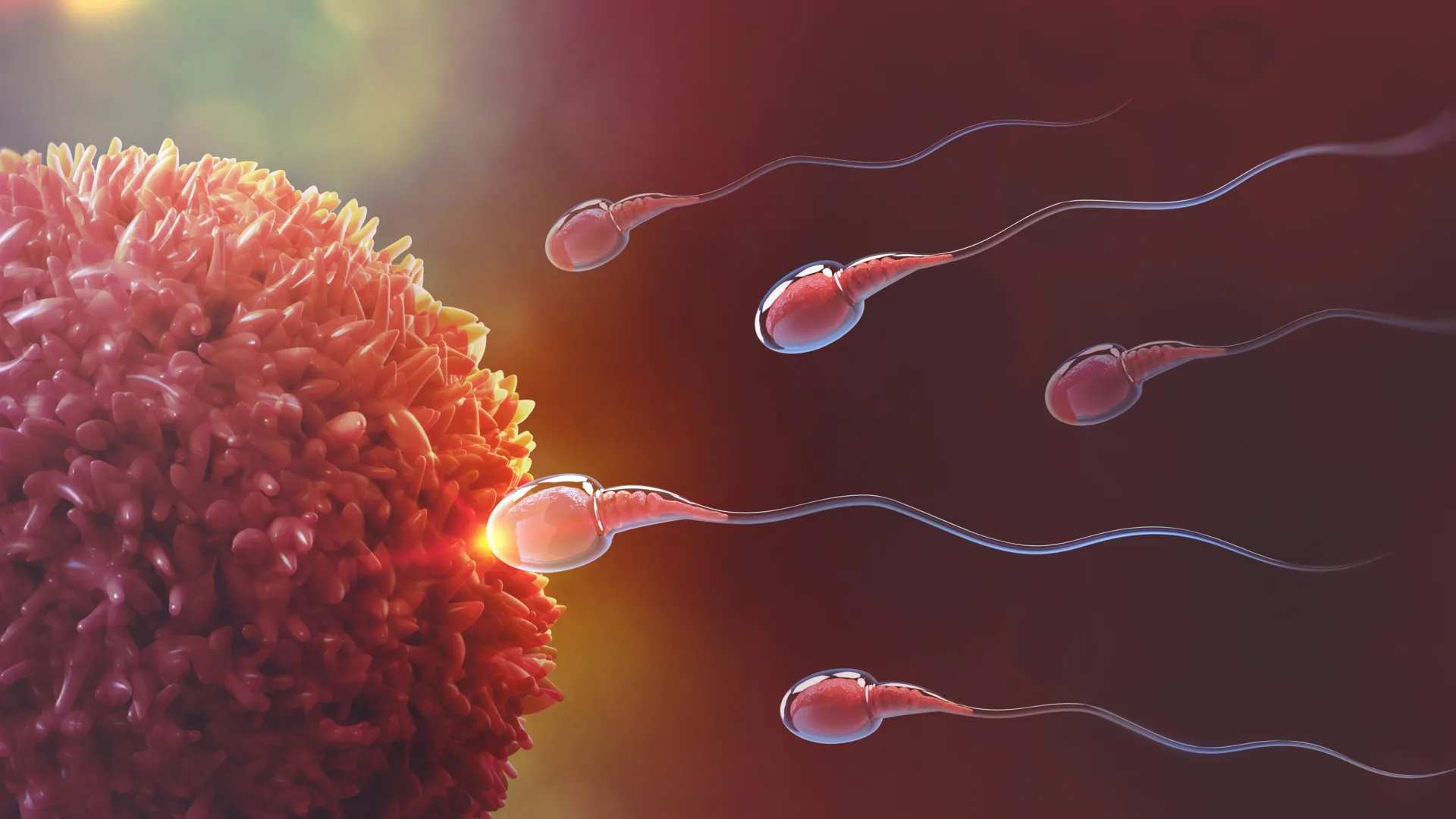
Sperm are biologically unique compared to almost any other cell type in the human body. While most cells manage energy to maintain homeostasis and perform various ongoing functions, a sperm cell is a single-use biological machine with one definitive goal: fertilization. Consequently, its metabolism is highly specialized and streamlined for a singular burst of high-performance activity.
"Sperm metabolism is special since it’s only focused on generating more energy to achieve a single goal: fertilization," explained Dr. Balbach. Before ejaculation, sperm are kept in a state of metabolic quiescence to preserve their limited resources. However, once they enter the female reproductive tract, they undergo a rapid and dramatic transformation. This process, known as capacitation, involves a change in the way the sperm swims—moving from a steady, rhythmic beat to a more forceful, whip-like motion—and a remodeling of the outer membranes to prepare for fusion with the egg.
These physiological shifts require a massive and immediate influx of Adenosine Triphosphate (ATP), the primary energy currency of the cell. Until the publication of the MSU study, the exact "intersections" of the metabolic pathways that handled this sudden demand remained largely theoretical.
Mapping the Metabolic Highway: The "Pink Car" Analogy
To uncover these pathways, Balbach’s team, in collaboration with experts from the Memorial Sloan Kettering Cancer Center and the Van Andel Institute, utilized advanced metabolomics and mass spectrometry. They developed a novel method to track how sperm process glucose, the primary sugar they absorb from their environment to fuel their journey.
The methodology involved "labeling" glucose molecules to see exactly how they were broken down and which chemical routes they took within the cell. Balbach used a vivid analogy to describe the complexity of this tracking: "You can think of this approach like painting the roof of a car bright pink and then following that car through traffic using a drone."
By monitoring these "pink cars" (the labeled glucose), the researchers observed a stark difference between inactive sperm and those that had been activated. In the activated cells, the glucose moved significantly faster through the metabolic pathways, preferring specific enzymatic "routes" that maximized energy output. Furthermore, the team could identify specific "traffic jams"—bottlenecks in the metabolic process where energy production might fail, leading to infertility.
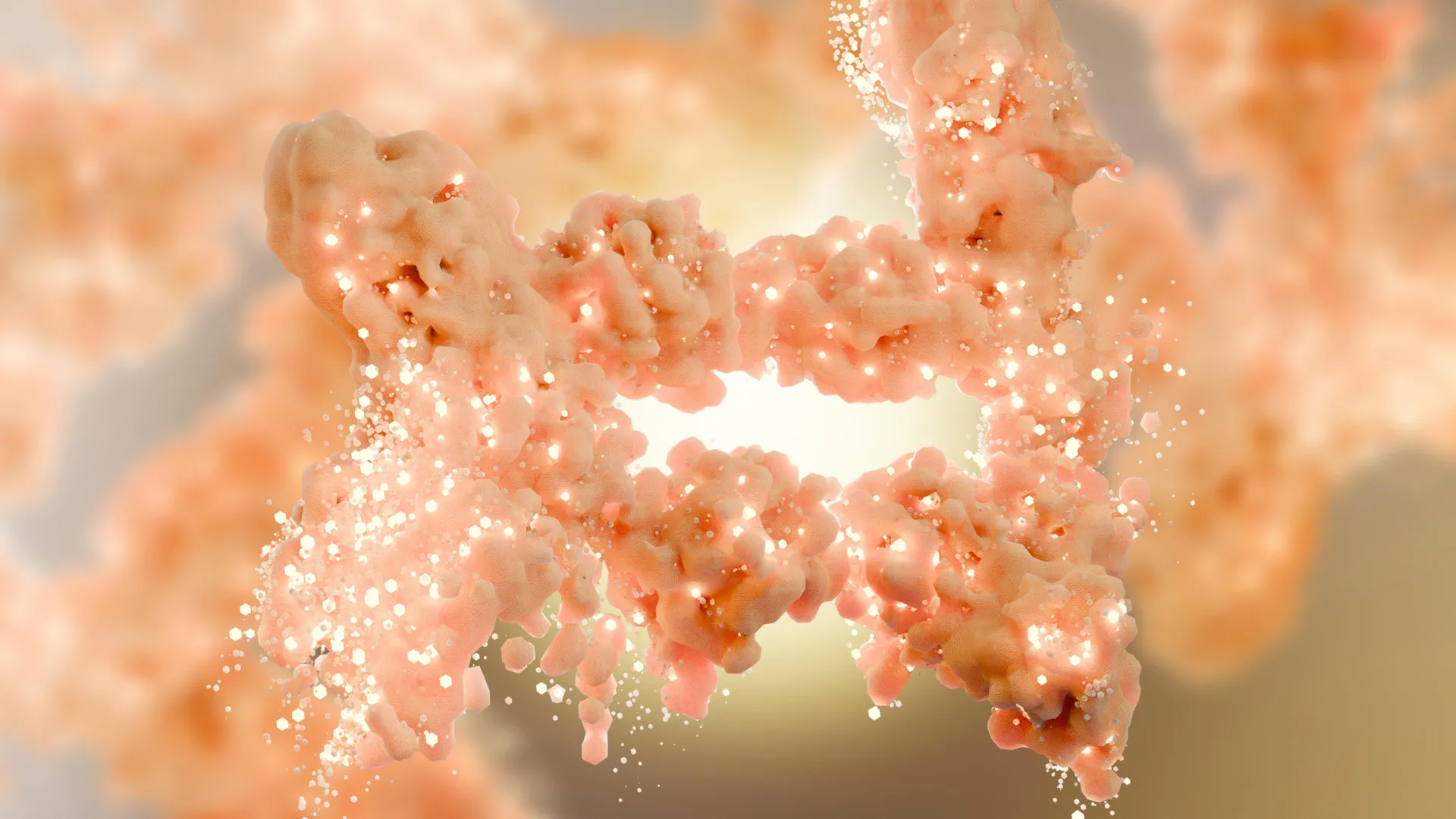
The study identified the enzyme aldolase as a critical regulator in this process. Aldolase acts as a gatekeeper in glycolysis, the metabolic pathway that converts glucose into pyruvate, releasing energy in the process. The researchers found that when sperm are activated, aldolase activity increases, effectively flipping the switch to high-energy production.
A Chronology of Discovery: From Cornell to Michigan State
The recent findings at MSU represent the latest chapter in a long-term research trajectory for Dr. Balbach. Before joining Michigan State University in 2023, Balbach conducted pivotal research at Weill Cornell Medicine. During her time there, she was part of a team that demonstrated that blocking a specific sperm enzyme could cause temporary, reversible infertility in male mice. This earlier discovery provided the proof-of-concept that sperm function could be targeted without interfering with the body’s hormonal balance.
Upon moving her laboratory to MSU, Balbach expanded her focus to the broader metabolic landscape of the sperm cell. The current study utilizes the sophisticated resources of MSU’s Mass Spectrometry and Metabolomics Core to move beyond identifying single enzymes to mapping entire metabolic networks. This systemic view is essential for understanding how sperm might adapt to different environments or utilize alternative fuel sources, such as fructose, which is found in high concentrations in seminal fluid.
Implications for Global Infertility and Assisted Reproduction
The World Health Organization (WHO) estimates that infertility affects approximately one in six people globally, with male-factor infertility contributing to roughly half of all cases. Often, the cause of male infertility remains "idiopathic" or unexplained, even when sperm count and motility appear normal in standard clinical tests.
The MSU research suggests that many of these unexplained cases may be rooted in metabolic failures—sperm that simply cannot "flip the switch" to generate the energy required for the final sprint to the egg. By identifying aldolase and other regulatory enzymes, researchers can develop new diagnostic assays to evaluate the metabolic health of sperm.
Furthermore, these insights could improve the success rates of assisted reproductive technologies (ART), such as in vitro fertilization (IVF) and intrauterine insemination (IUI). If clinicians can identify the specific fuel sources and metabolic conditions that optimize sperm energy, they can refine the media used to prepare sperm in the lab, potentially leading to higher fertilization rates and healthier embryos.
The Quest for Nonhormonal Male Contraception
Perhaps the most culturally and socially significant application of this research lies in the development of a male contraceptive. For decades, the burden of pregnancy prevention has fallen disproportionately on women. Existing female contraceptives, while effective, are largely hormone-based and are associated with a wide range of side effects, including mood changes, weight gain, and an increased risk of blood clots.
In contrast, male contraceptive development has stalled for years. Most attempts have focused on suppressing sperm production through hormonal manipulation (testosterone and progestin). However, this approach often takes weeks or months to become effective, requires a similarly long time to reverse, and can cause side effects like acne and libido changes.
The metabolic approach identified by Balbach’s team offers a different path. By targeting the energy switch (the "traffic control" enzymes like aldolase), it may be possible to develop a "pill-on-demand" or a short-acting inhibitor. Such a drug would not stop sperm production but would instead prevent sperm from ever reaching the high-energy state needed for fertilization.
"One option is to explore if one of our ‘traffic-control’ enzymes could be safely targeted as a nonhormonal male or female contraceptive," Balbach noted. This would provide a method that is fast-acting, highly reversible, and free from the systemic side effects of hormone therapy.
Analyzing the Broader Impact: Agency and Reproductive Health
The social implications of a nonhormonal male contraceptive are profound. According to data cited by Balbach, approximately 50% of all pregnancies worldwide are unplanned. A reliable, on-demand male contraceptive would provide men with greater agency over their own fertility while simultaneously relieving women of the health burdens associated with hormonal birth control.
From a public health perspective, expanding the "contraceptive toolkit" is essential for reducing unintended pregnancies and improving maternal and infant health outcomes. The ability to target sperm metabolism specifically—leaving the rest of the body’s metabolic and hormonal systems untouched—represents a "holy grail" in reproductive pharmacology.
Future Research and Clinical Translation
While the current study provides a detailed map of sperm metabolism in mouse models, the next critical step is translation to human biology. "Better understanding the metabolism of glucose during sperm activation was an important first step, and now we’re aiming to understand how our findings translate to other species, like human sperm," Balbach said.
The research team plans to investigate how human sperm utilize various fuel sources in the diverse environments of the cervix, uterus, and fallopian tubes. They are also looking into whether small-molecule inhibitors can effectively and safely target aldolase or other key enzymes to stall sperm without causing permanent damage to the cells or the reproductive system.
The study was supported by the National Institute of Child Health and Human Development, a branch of the National Institutes of Health (NIH), signaling the federal government’s interest in diversifying contraceptive options and solving the mysteries of infertility. As the MSU team continues to peel back the layers of sperm biochemistry, their work stands at the intersection of basic science and life-changing medical application, promising a future where reproductive health is more precise, equitable, and manageable for all.