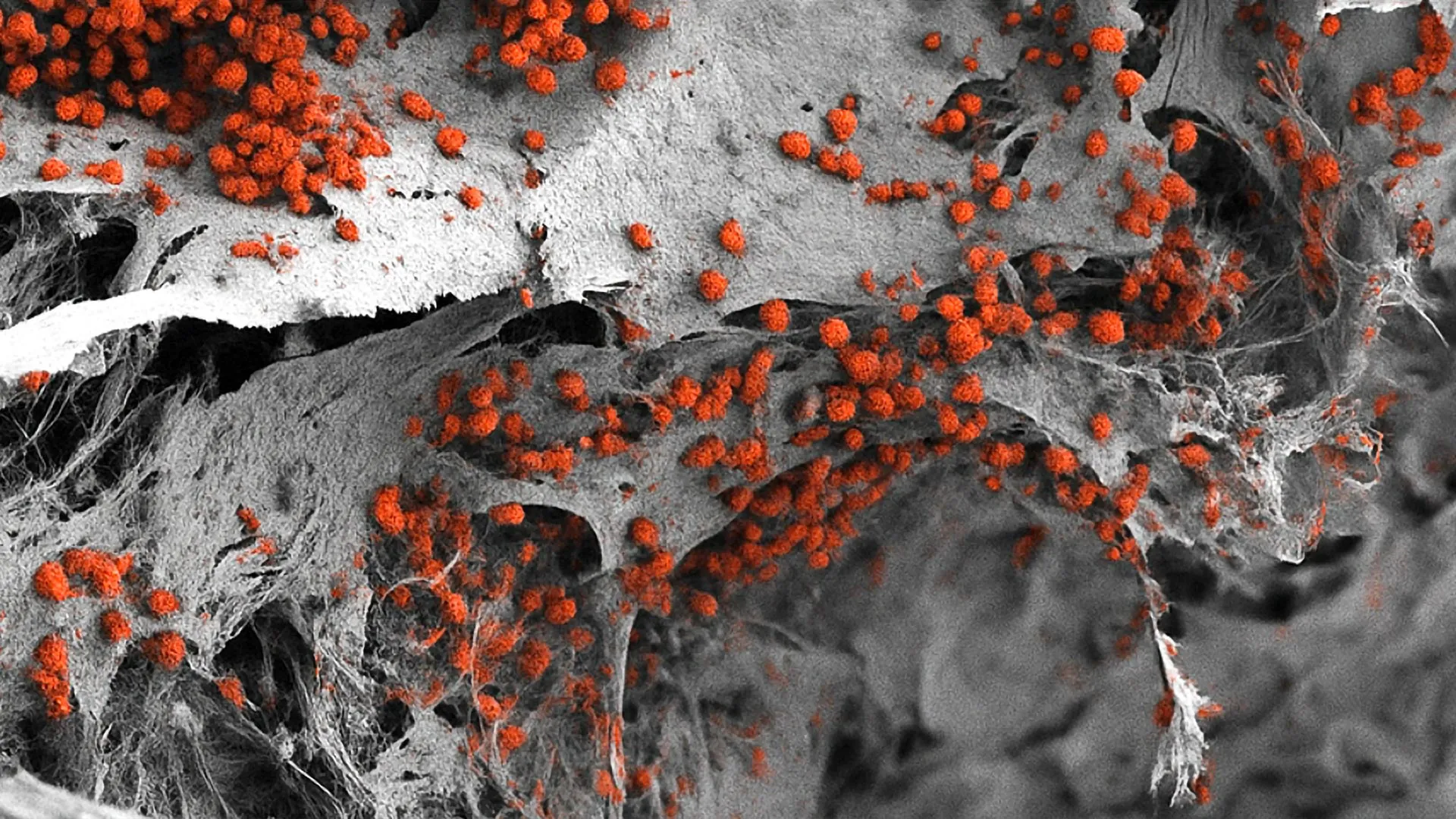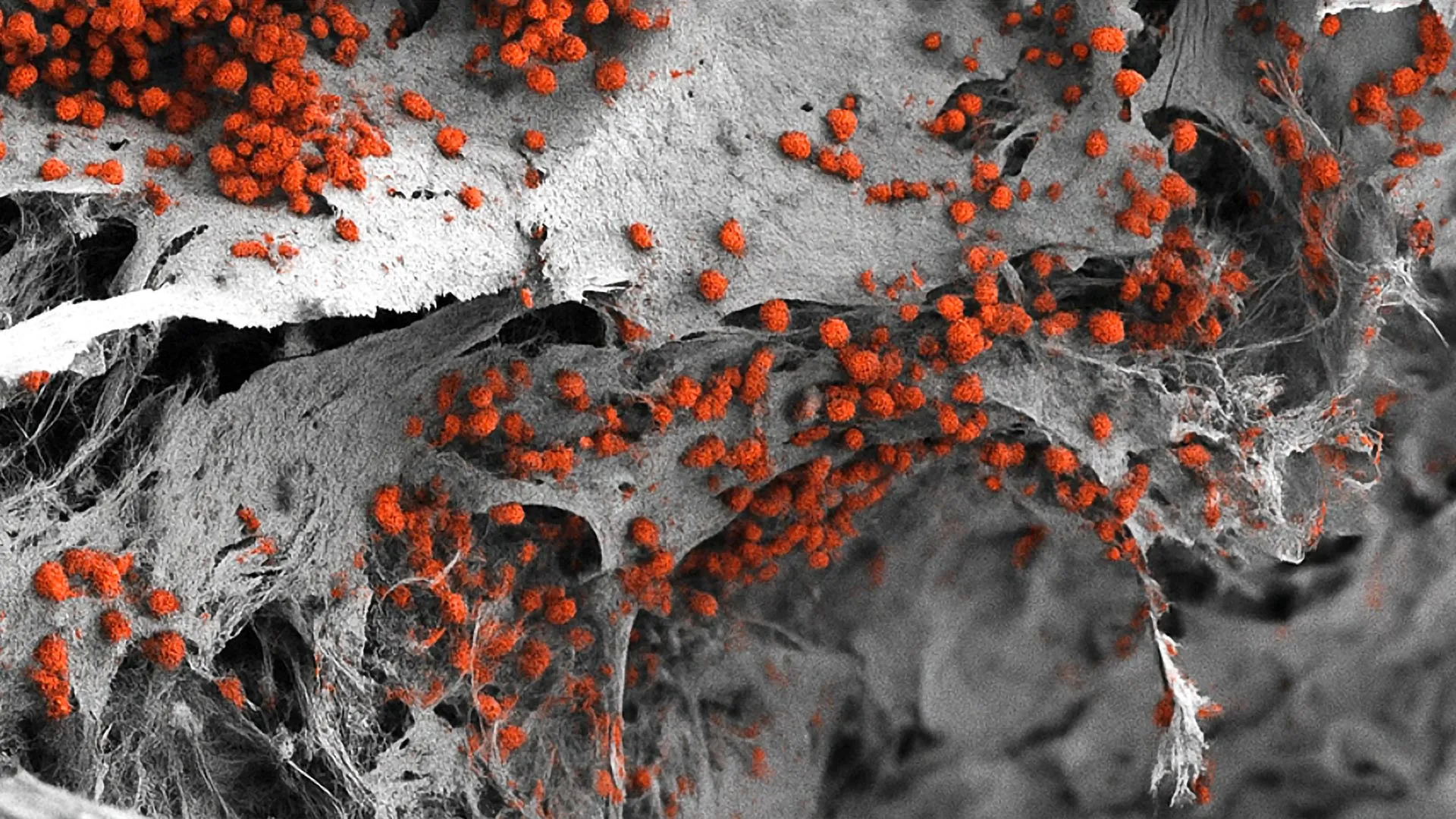
In a significant advancement for regenerative medicine and oncology, a multidisciplinary team of scientists from the University of Basel and University Hospital Basel has successfully engineered a complex, functional model of the human bone marrow using exclusively human cells. This breakthrough, recently detailed in the journal Cell Stem Cell, represents the first time researchers have managed to replicate the intricate "endosteal niche"—the specialized environment where blood formation occurs—within a laboratory setting. By utilizing an artificial bone framework and induced pluripotent stem cells (iPSCs), the team has created a three-dimensional system that mimics the biological architecture of the human body more accurately than any previous model. This development is poised to transform the landscape of hematological research, offering a high-fidelity platform for studying blood cancers, testing new pharmacological compounds, and eventually facilitating personalized therapeutic strategies.
The Biological Significance of the Bone Marrow Niche
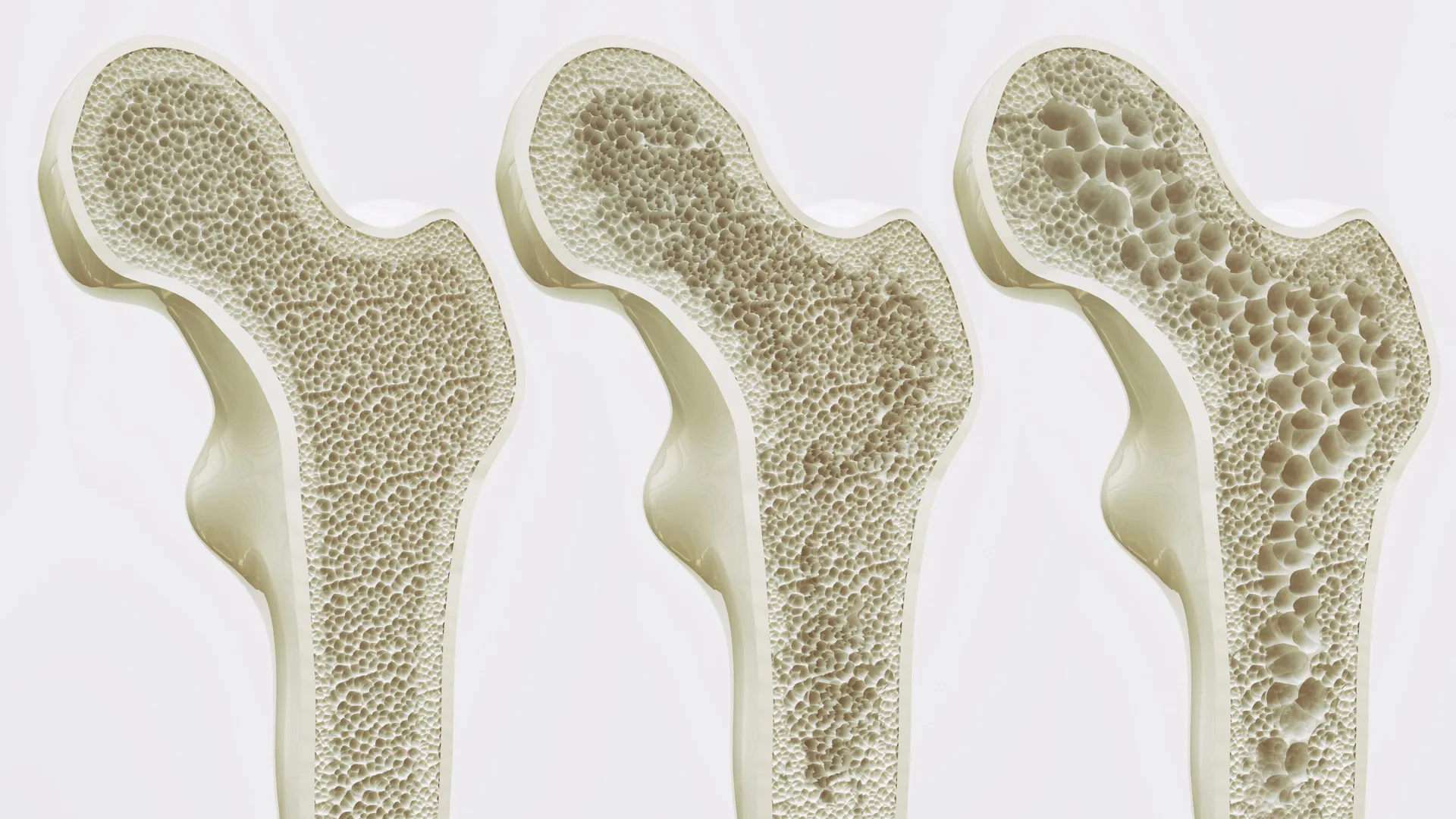
The bone marrow is often described as the body’s primary "blood factory," a highly specialized and dynamic tissue responsible for the continuous production of red blood cells, white blood cells, and platelets. Under normal conditions, this process—known as hematopoiesis—occurs seamlessly, with the marrow producing approximately 500 billion new cells every day. However, when this system malfunctions, the results are often catastrophic, leading to conditions such as leukemia, lymphoma, and various forms of anemia.
Central to this process is the "niche" concept, a theory first proposed in the late 1970s which suggests that stem cells require a specific microenvironment to maintain their function and self-renewal capabilities. The endosteal niche, located near the inner surface of the bone, is perhaps the most critical of these environments. It is a complex nexus where bone-forming cells (osteoblasts), blood vessels (endothelial cells), immune cells, and regulatory nerves converge to provide the chemical and mechanical signals necessary for blood production. Furthermore, this niche is frequently implicated in cancer resistance; malignant cells often "hide" within these protected environments to escape the effects of chemotherapy, leading to disease relapse.
A Technical Evolution in Laboratory Modeling
For decades, the scientific community has faced a significant hurdle: the inability to study the human bone marrow in its natural state without invasive procedures. Consequently, researchers have relied heavily on animal models, particularly mice, or simplified two-dimensional cell cultures. While animal studies have provided foundational knowledge, they possess inherent limitations. Murine biology differs from human biology in terms of cytokine signaling, immune response, and the specific architecture of the bone marrow. These discrepancies often mean that drugs showing promise in mice fail to perform safely or effectively in human clinical trials.
The team led by Professor Ivan Martin and Dr. Andrés García-García sought to bridge this gap by developing a model that is "human-centric" from its inception. The project began with the creation of a three-dimensional scaffold made of hydroxyapatite. Hydroxyapatite is a naturally occurring mineral form of calcium apatite that constitutes the primary inorganic component of human bone and tooth enamel. By using this material, the researchers provided the cells with a structural environment that mimics the physical stiffness and chemical composition of actual bone.
To populate this scaffold, the researchers turned to induced pluripotent stem cell (iPSC) technology. This technique involves reprogramming adult human cells (such as skin or blood cells) back into an embryonic-like state. These iPSCs can then be directed to differentiate into any cell type in the body. By applying specific molecular signals, the Basel team guided these stem cells to develop into the diverse array of components found in the endosteal niche, including mesenchymal cells, vascular cells, and neural-like precursors.
Chronology of the Development and Research Milestones
The journey toward this 3D human model is the culmination of years of iterative progress in tissue engineering and stem cell biology. The following timeline outlines the broader context of the field and the specific milestones achieved by the Basel researchers:
- 2006: The discovery of iPSCs by Shinya Yamanaka revolutionizes biology, providing a way to generate patient-specific stem cells without the ethical concerns surrounding embryonic tissue.
- 2010–2015: Early attempts at "bone-on-a-chip" models emerge, but most are limited to single cell types or lack the structural complexity of the endosteal niche.
- 2018: The University of Basel team begins exploring the use of hydroxyapatite scaffolds combined with mesenchymal stem cells to create "synthetic" bone environments.
- 2021: Initial experiments successfully demonstrate that iPSC-derived cells can survive and organize within a 3D mineralized scaffold.
- 2023: The researchers achieve the simultaneous integration of vascular, neural, and bone-forming components within a single system.
- 2024: The final model is validated, showing that it can support human hematopoietic stem cell maintenance for several weeks, leading to the publication of their findings in Cell Stem Cell.
Supporting Data and Structural Specifications
The model developed by the Basel team is notable not only for its biological complexity but also for its physical scale. Most "organ-on-a-chip" or microfluidic models are measured in micrometers, making them difficult to handle and limiting the amount of tissue available for analysis. In contrast, the Basel model measures eight millimeters in diameter and four millimeters in thickness. This "macro" scale allows for more traditional biological assays and provides a more robust environment for long-term cell culture.
Key data points from the study include:
- Cellular Diversity: The model successfully incorporated osteoblasts, endothelial cells, and perivascular cells, all derived from the same human iPSC line.
- Longevity: Human hematopoietic stem cells (HSCs) introduced into the system remained viable and continued to differentiate into various blood lineages for a period exceeding 21 days.
- Architecture: Confocal microscopy and 3D imaging confirmed the formation of vessel-like structures and the deposition of extracellular matrix proteins, mirroring the histology of native human bone marrow.
- Functional Response: The system demonstrated the ability to respond to external stimuli, such as growth factors, in a manner consistent with human physiological responses.
Official Responses and Institutional Perspectives
The researchers emphasize that this model is not intended to replace animal research entirely in the immediate future, but rather to serve as a sophisticated complement that can refine the experimental process.
Professor Ivan Martin, a lead author of the study, highlighted the evolutionary leap this represents. "We have learned a great deal about how bone marrow works from mouse studies," Martin stated. "However, our model brings us closer to the biology of the human organism. It could serve as a complement to many animal experiments in the study of blood formation in both healthy and diseased conditions."
This sentiment aligns with the University of Basel’s commitment to the "3Rs" principle: Replace, Reduce, and Refine animal experimentation. By providing a more accurate human model, researchers can filter out ineffective drug candidates early in the development process, thereby reducing the number of animals required for later-stage testing.
Dr. Andrés García-García, who co-led the research, pointed out the practical considerations for the pharmaceutical industry. While the current model is a triumph of complexity, its size presents a logistical challenge for high-throughput drug screening. "For this specific purpose, the size of our bone marrow model might be too large," García-García explained. He noted that the next phase of research would involve miniaturizing the platform to allow for the simultaneous testing of hundreds of different drug compounds or dosages.
Broader Impact and Future Implications for Personalized Medicine
The implications of an all-human bone marrow model extend far beyond the laboratory. One of the most promising applications is in the field of personalized medicine. In the future, a patient diagnosed with a specific type of blood cancer could have their own cells used to create a "personalized niche" in the lab. Doctors could then seed the patient’s malignant cells into this model to see how they interact with the environment and, more importantly, which specific chemotherapy or targeted therapy is most effective at eradicating them.
This "avatar" approach could eliminate the trial-and-error method often associated with cancer treatment, sparing patients from the toxic side effects of ineffective drugs. Furthermore, the model provides a unique window into the mechanisms of "niche-mediated resistance." By observing how cancer cells communicate with the surrounding bone and vascular tissue, scientists may discover new ways to "flush" cancer cells out of their protective environments, making them more susceptible to standard treatments.
From a regulatory perspective, the success of this model adds momentum to the global movement toward alternative testing methods. In late 2022, the U.S. Food and Drug Administration (FDA) Modernization Act 2.0 was signed into law, removing the requirement that all new drugs be tested on animals before human clinical trials. Technologies like the Basel bone marrow model provide the scientific validation needed to make these alternative pathways a reality.
In conclusion, the recreation of the human bone marrow niche using pluripotent stem cells is a landmark achievement. It represents a shift toward more ethical, accurate, and human-specific science. While further refinements are necessary to scale the technology for mass pharmaceutical use, the foundation has been laid for a new era of hematological research—one where the complexities of human blood production can be studied, understood, and healed with unprecedented precision.