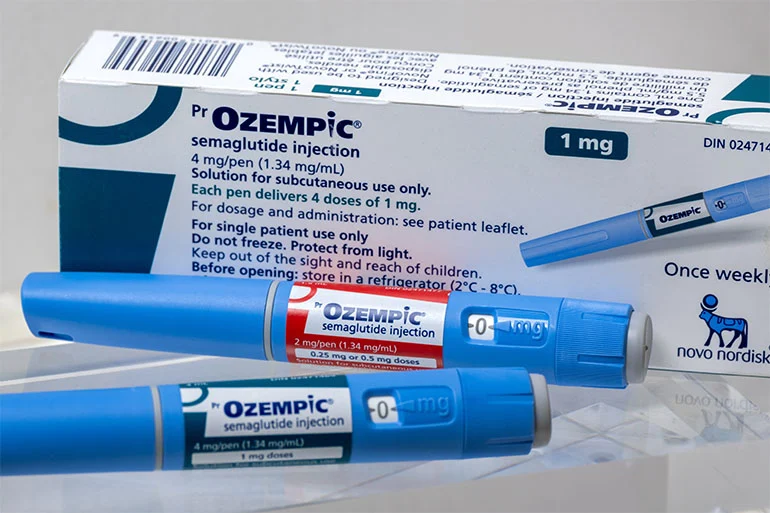
In a landmark decision poised to reshape the pharmaceutical landscape and significantly impact patient access and healthcare costs, Health Canada has authorized Dr. Reddy’s Laboratories’ generic semaglutide injection. This approval makes Canada the first G7 country to greenlight a generic version of the highly popular GLP-1 receptor agonist, Ozempic, years ahead of expected generic entry in major markets like the United States. The move stems from a critical lapse in a key Canadian patent held by Novo Nordisk, the innovator company, which failed to pay a routine maintenance fee in 2019.
The Patent Lapsus: A Costly Oversight or Strategic Maneuver?
The genesis of this unprecedented generic entry lies in a peculiar oversight or, as Novo Nordisk later claimed, a "strategic choice." In 2019, Novo Nordisk neglected to pay a maintenance fee of CAD$250 for Canadian patent CA 2601784, titled "Acylated GLP-1 compounds." With late penalties, the total due amounted to CAD$450 (approximately US$339 at the time). This seemingly minor administrative lapse had monumental consequences, leading to the permanent expiry of the patent after the time limit for reversal passed on August 31, 2020. The Canadian Patents Database explicitly lists the patent’s status as "Expired and beyond the Period of Reversal."
This particular patent was crucial, as it underpinned the exclusivity of semaglutide in Canada. Furthermore, a Certificate of Supplementary Protection (CSP), designed to compensate for delays in regulatory approval and extend patent life, was associated with patent 2601784. This CSP would have prolonged market exclusivity for semaglutide in Canada until March 20, 2028, effectively pushing back generic competition by two years beyond the original patent expiry date of March 20, 2026. The failure to maintain the foundational patent rendered the CSP moot, opening the Canadian market to generic competition far earlier than anticipated.
The pharmaceutical industry, particularly intellectual property experts, widely discussed this event. Derek Lowe, a prominent blogger at Science, was among the first to publicly flag the lapse, drawing attention to the unusual circumstances. Novo Nordisk’s subsequent assertion that this was a "strategic choice" has been met with skepticism by many industry observers, given the immense commercial success of semaglutide. For a drug projected to be Canada’s best-selling by 2025, with sales reaching $2.9 billion CAD, more than triple its closest competitor, such a decision would represent a significant relinquishment of market exclusivity and billions in potential revenue. The standard practice for pharmaceutical companies is to rigorously defend and maintain patents on blockbuster drugs, making the explanation challenging for many to accept at face value.
Semaglutide’s Dominance and Global Market Landscape
Semaglutide, marketed by Novo Nordisk under brand names like Ozempic (for type 2 diabetes), Wegovy (for chronic weight management), and Rybelsus (oral formulation for type 2 diabetes), has emerged as one of the most transformative molecular franchises in modern pharmacology. Its mechanism of action as a GLP-1 (glucagon-like peptide-1) receptor agonist works by mimicking a natural gut hormone that regulates blood sugar and appetite. This dual action has made it incredibly effective in managing type 2 diabetes and, more recently, in addressing the global obesity epidemic.
The drug’s commercial success is staggering. In Canada alone, more than a million patients are currently prescribed Ozempic. Globally, Novo Nordisk reported total GLP-1 sales across its franchises exceeding DKK 228 billion (approximately US$33 billion) in fiscal year 2025. Ozempic contributed DKK 127.1 billion, Rybelsus DKK 22.1 billion, and obesity-care sales, predominantly driven by Wegovy, reached DKK 82.3 billion. These figures underscore the drug’s profound impact on patients’ lives and the healthcare economy worldwide.
The unprecedented demand for semaglutide products led to persistent global supply shortages, beginning in 2022 and lasting until February 2025, when the U.S. FDA officially declared the shortage of semaglutide injection products resolved. During this period, access in the U.S. was often maintained through various channels, including compounding pharmacies, direct-to-patient programs, and payer initiatives. The resolution of the shortage and the subsequent regulatory clarification from the FDA regarding compounders marked a turning point, signaling a shift towards more stable supply chains and, crucially, paving the way for formal generic competition as patent landscapes permit.
Health Canada’s Rigorous Approval Process
Health Canada’s authorization of Dr. Reddy’s generic semaglutide injection was the culmination of a stringent review process. The regulatory body assessed Dr. Reddy’s submission as a generic version of Ozempic, confirming that the product met Canada’s rigorous criteria for safety, efficacy, and quality. This process ensures that generic drugs are "pharmaceutically equivalent" to their brand-name counterparts, meaning they contain the same active ingredient, are identical in strength, dosage form, and route of administration, and are bioequivalent (absorbed at the same rate and to the same extent in the body).
The agency highlighted that generic semaglutide injections are considered "complex synthetic products," implying that their development and manufacturing require sophisticated capabilities to ensure bioequivalence and consistent quality. Dr. Reddy’s confirmed that its active pharmaceutical ingredient (API) for semaglutide is produced entirely in-house, demonstrating a vertically integrated approach that can help ensure supply chain control and quality. The finished product manufacturing is handled by OneSource Specialty Pharma.
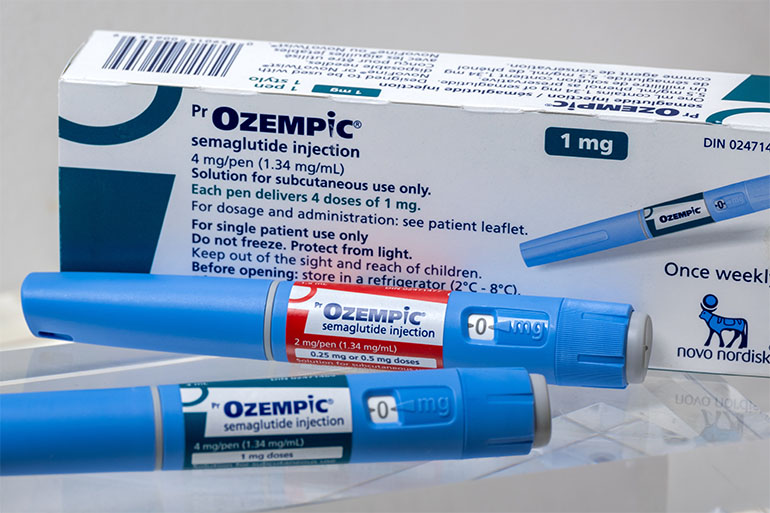
Following Dr. Reddy’s approval on April 28, Health Canada swiftly authorized another generic version from Apotex on May 1. This rapid succession of approvals underscores the agency’s preparedness and the clear pathway established by the lapsed patent. Furthermore, Health Canada has confirmed that it is currently reviewing seven more generic semaglutide submissions, signaling an impending wave of competition that will further enhance availability and potentially drive down costs.
Implications for Canadian Patients and the Healthcare System
The arrival of generic semaglutide in Canada holds profound implications for patients and the country’s healthcare system. For the more than one million Canadians currently taking Ozempic, and many others who could benefit from it, generic availability promises significantly lower costs. Brand-name prescription drugs often represent a substantial financial burden, and the introduction of generics typically leads to price reductions of 50% or more, creating substantial savings for individuals, private insurance plans, and provincial drug formularies.
Increased affordability will broaden access to this life-changing medication, particularly for individuals who may have been unable to afford the brand-name version or whose insurance coverage was insufficient. This aligns with a broader public health objective to ensure essential medications are accessible to those who need them. The availability of multiple generic options, with more expected, will also contribute to greater supply stability, mitigating the risk of future shortages that plagued the market globally.
From a healthcare system perspective, the cost savings could be enormous. With Ozempic projected to hit $2.9 billion in sales in Canada by 2025, even a 30-50% reduction in price due to generic competition could free up hundreds of millions, if not billions, of dollars annually. These funds could then be reallocated to other critical healthcare services, invested in preventive care, or used to expand coverage for other innovative treatments. This situation exemplifies how formal generic competition, driven by patent expiry, shifts the access debate from temporary "shortage-era workarounds," like unregulated compounding, to a sustainable, regulated, and more equitable model.
A Precedent for Global Pharmaceutical Markets?
Canada’s unique position as the first G7 country to approve generic semaglutide sets a fascinating precedent. In contrast, the patent landscape for semaglutide in other major markets remains robust. Novo Nordisk’s 2025 Form 20-F report indicates that the U.S. compound patent for Ozempic, Wegovy, and Rybelsus is not expected to expire until 2032. Similarly, in Japan and Europe, active-ingredient protection for these products is listed as running until 2031. This disparity means Canadian patients will benefit from generic access approximately five to six years earlier than their counterparts in these other economically developed nations.
The U.S. market, while subject to different patent laws, has seen its own battles over semaglutide exclusivity. Novo Nordisk has disclosed that several manufacturers filed Abbreviated New Drug Applications (ANDAs) for generic versions of Ozempic, Wegovy, and Rybelsus with Paragraph IV certifications, which challenge the validity or infringement of existing patents. Novo Nordisk has settled U.S. Ozempic patent litigation with multiple generic players, including Alvogen, Rio Biopharmaceuticals, Sun Pharma, Dr. Reddy’s, Mylan, Zydus, and Apotex. While the terms of these settlements are confidential, they typically involve delayed market entry for generics in exchange for certain concessions, ensuring Novo Nordisk maintains exclusivity until its patents expire. The Canadian situation, however, bypassed such negotiated settlements due to the fundamental lapse of the primary patent.
This divergence highlights the critical role of national patent laws and administrative diligence in shaping market dynamics. While Canada’s early generic entry is an anomaly rather than a blueprint for immediate emulation elsewhere, it could exert indirect pressure. It demonstrates the tangible benefits of generic competition and might intensify calls for earlier access in other countries where patent extensions or litigation continue to delay generic availability. It also serves as a stark reminder to pharmaceutical innovators about the vigilance required in managing their intellectual property portfolios globally.
Dr. Reddy’s and the Future of Generic Competition
For Dr. Reddy’s Laboratories, this approval is a significant boost, cementing its position as a key player in complex generics and peptide therapeutics. The successful in-house development and manufacturing of the semaglutide API underscore its capabilities in handling sophisticated pharmaceutical products. The company’s prompt entry into the Canadian market positions it to capture substantial market share as the first generic entrant for such a high-demand drug.
The broader GLP-1 market is experiencing rapid evolution. Beyond semaglutide, the success of this molecule has validated GLP-1 drugs at a commercial scale, attracting intense competition. Eli Lilly’s tirzepatide, a dual GIP/GLP-1 receptor agonist, has already entered the market with impressive clinical results for both diabetes and weight management, further intensifying the innovation race. As more compounds emerge and patents eventually expire in various regions, the market will become increasingly dynamic, with generics playing an ever-larger role in expanding access and affordability.
The Canadian experience with semaglutide serves as a compelling case study. It illustrates how the interplay of patent law, regulatory review, and corporate actions can drastically alter the trajectory of a blockbuster drug. It signals a crucial shift in the global access debate for GLP-1 medications, moving beyond the temporary measures adopted during shortages to embrace formal, regulated generic competition. As other G7 nations look toward their own eventual patent expiries, the Canadian model, though born from unique circumstances, offers a glimpse into the future of healthcare where critical medications become more widely available and affordable, driven by the inevitable forces of generic market entry.