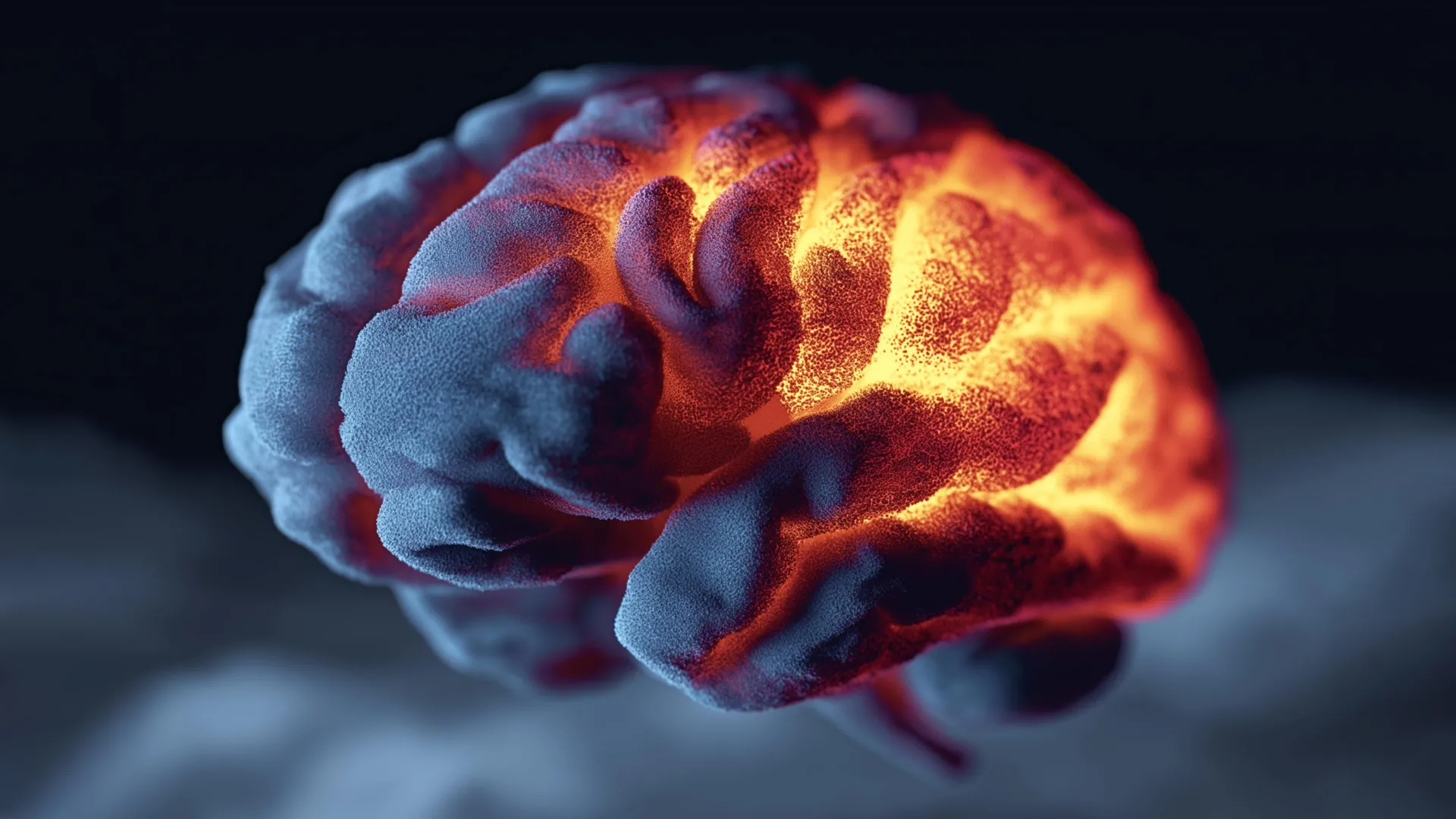
The human brain possesses an intricate, internal defense system designed to patrol for pathogens and clear away cellular debris, yet in the context of Alzheimer’s disease, this protective mechanism often malfunctions with devastating consequences. Researchers at Scripps Research have recently identified a specific molecular "switch" that causes the brain’s immune cells to transition from a state of protection to one of chronic, harmful inflammation. This discovery, published in the journal Cell Chemical Biology, highlights a chemical modification to a protein known as STING, which appears to drive the neuroinflammatory processes that destroy synaptic connections and accelerate cognitive decline.
By pinpointing the exact location of this modification and demonstrating that its inhibition can preserve brain function in experimental models, the Scripps team has opened a significant new front in the battle against neurodegenerative disease. The findings suggest that instead of completely suppressing the immune system—which could leave the brain vulnerable to infection—it may be possible to "fine-tune" the immune response, quieting the pathological overactivation while maintaining essential defensive functions.
The Neuroinflammatory Paradox in Alzheimer’s Pathology
For decades, Alzheimer’s research focused primarily on the accumulation of amyloid-beta plaques and tau tangles. However, recent clinical failures of drugs targeting these proteins have led the scientific community to look more closely at the role of the innate immune system. In a healthy brain, microglia—the primary immune cells of the central nervous system—act as sentinels. They identify threats, such as misfolded proteins or invading microbes, and initiate a controlled inflammatory response to neutralize the danger.
In patients with Alzheimer’s, however, this system enters a state of permanent "high alert." This chronic neuroinflammation is not merely a byproduct of the disease but a primary driver of its progression. As microglia remain stuck in an activated state, they release a steady stream of pro-inflammatory cytokines and reactive oxygen species. This toxic environment eventually leads to the degradation of synapses—the vital junctions where nerve cells communicate. When these connections are lost, the brain’s ability to process and store information erodes, leading to the clinical symptoms of dementia.
The Role of the STING Protein as an Early Warning System
At the heart of this inflammatory response is a protein called STING, an acronym for Stimulator of Interferon Genes. STING is a fundamental component of the innate immune system, functioning as a sensor for cytosolic DNA. Under normal conditions, the presence of DNA outside the cell nucleus or mitochondria signals a viral or bacterial invasion. STING detects these signals and triggers the production of interferons and other signaling molecules to coordinate a defense.
In the context of Alzheimer’s disease, previous research had already linked STING activation to the inflammation observed in brain tissue. However, the exact mechanism that caused STING to remain active long after the initial threat should have been cleared remained a mystery. The Scripps Research team, led by senior author Stuart Lipton, MD, PhD, and postdoctoral researcher Lauren Carnevale, PhD, set out to determine if a specific chemical change was responsible for this persistent overactivation.
A Thirty-Year Scientific Journey: The Discovery of S-nitrosylation
The breakthrough relied on a biological process known as S-nitrosylation (SNO), a phenomenon first discovered by Dr. Lipton more than 30 years ago. S-nitrosylation occurs when a molecule derived from nitric oxide (NO) attaches to a specific sulfur atom on a cysteine amino acid within a protein. This reaction creates an "SNO-protein," which can radically alter the protein’s shape, function, and stability.
Over the past three decades, Lipton’s laboratory has demonstrated that S-nitrosylation serves as a critical signaling mechanism in various physiological processes. However, when the production of nitric oxide becomes excessive—often due to aging, environmental toxins, or chronic stress—it can lead to a "SNO-STORM." This refers to a widespread, aberrant modification of proteins that disrupts cellular homeostasis and contributes to diseases such as Parkinson’s, stroke, and now, Alzheimer’s.
Identifying the "Switch" at Cysteine 148
To investigate the role of S-nitrosylation in STING activation, the Scripps team collaborated with John Yates III, PhD, a renowned expert in mass spectrometry. Using advanced proteomic techniques, the researchers analyzed human Alzheimer’s brain samples and human stem cell-derived models. They identified a specific site on the STING protein—cysteine 148—where S-nitrosylation occurs with high frequency in the presence of Alzheimer’s pathology.
The study revealed that when cysteine 148 is S-nitrosylated, the STING protein undergoes a conformational change that causes it to aggregate into large, multi-protein complexes. These complexes are significantly more active than the individual STING molecules, leading to a massive and sustained inflammatory output. This "SNO-STING" variant was found in high concentrations in the postmortem brain tissue of Alzheimer’s patients, but was notably absent or found in much lower levels in the brains of age-matched individuals without the disease.
Chronology of Experimental Validation
The research progressed through several critical stages of validation:
- Human Tissue Analysis: The team first confirmed the presence of SNO-STING in human Alzheimer’s brain samples, establishing a direct link between the chemical modification and the disease state in humans.
- Stem Cell Modeling: Using human induced pluripotent stem cells (iPSCs) converted into microglia, the researchers demonstrated that exposure to amyloid-beta and alpha-synuclein (proteins associated with Alzheimer’s and Parkinson’s) triggered the S-nitrosylation of STING.
- Molecular Engineering: To prove that cysteine 148 was the critical site, the team engineered a "mutant" version of STING where the cysteine was replaced by another amino acid that cannot undergo S-nitrosylation.
- Mouse Model Intervention: This engineered protein was introduced into a mouse model of Alzheimer’s disease. The results were striking: the mice with the non-modifiable STING showed significantly lower levels of brain inflammation. Most importantly, their synapses remained intact, and they were protected against the cognitive deficits typically seen in the model.
A Self-Sustaining Cycle of Damage
One of the most significant findings of the study is the identification of a "vicious cycle" of inflammation. The researchers found that the protein aggregates characteristic of Alzheimer’s—amyloid-beta and alpha-synuclein—directly stimulate the production of nitric oxide. This nitric oxide then promotes the S-nitrosylation of STING. Once STING is modified into SNO-STING, it drives further inflammation, which in turn produces more nitric oxide.
This feedback loop explains why neuroinflammation in Alzheimer’s is so difficult to arrest. Even if the initial triggers (like amyloid plaques) are partially cleared, the SNO-STING mechanism may keep the inflammatory machinery running at full speed. Furthermore, the study noted that external factors such as air pollution and wildfire smoke—which are known to increase nitric oxide levels in the body—could potentially act as environmental catalysts for this process, providing a molecular explanation for the link between environmental quality and dementia risk.
Supporting Data: The Growing Burden of Alzheimer’s
The urgency of finding new therapeutic targets like SNO-STING is underscored by the rising global prevalence of Alzheimer’s disease. According to the Alzheimer’s Association, an estimated 6.7 million Americans aged 65 and older are currently living with the disease. By 2050, this number is projected to rise to nearly 13 million.
The economic impact is equally staggering, with total payments for health care, long-term care, and hospice services for people with dementia estimated at $345 billion in 2023 alone. Current treatments, while providing some symptomatic relief or modest slowing of progression, do not stop the underlying neurodegeneration. A target that can specifically "quiet" the immune system without disabling it offers a more nuanced and potentially more effective approach than broad-spectrum anti-inflammatories.
Broader Implications and Future Treatment Strategies
The Scripps Research study represents a paradigm shift in how scientists approach neuroinflammation. Traditional anti-inflammatory drugs often fail in Alzheimer’s trials because they are too blunt; by suppressing the entire immune response, they may inadvertently hinder the brain’s ability to clear plaques or fight off minor infections.
"What makes this target particularly promising is that we can quiet the pathological overactivation of STING without shutting down the normal immune response," says Dr. Lipton. This precision is vital for long-term treatment in an aging population. By targeting the S-nitrosylation site at cysteine 148, researchers hope to develop small-molecule drugs that prevent the protein from "clumping" into its hyper-active state while leaving its basic defensive capabilities intact.
The scientific community has reacted to the findings with cautious optimism. While many "breakthroughs" in mouse models fail to translate to human clinical success, the fact that Lipton’s team identified the same SNO-STING pathway in human postmortem tissue and human stem cell models provides a higher level of confidence in the target’s relevance to human disease.
Next Steps in Preclinical Development
The Scripps Research team is currently moving forward with the development of small molecules designed to specifically block the S-nitrosylation of cysteine 148. These drug candidates will undergo rigorous testing in preclinical models to ensure they can cross the blood-brain barrier and effectively modulate STING activity without causing off-target effects.
If successful, this approach could potentially be applied to other neurodegenerative conditions characterized by chronic inflammation, such as Parkinson’s disease and Amyotrophic Lateral Sclerosis (ALS), where S-nitrosylation is also thought to play a role. As the global population ages, the discovery of this molecular "switch" provides a roadmap for a new generation of precision medicines designed to protect the brain’s delicate circuitry from the fires of chronic inflammation.