

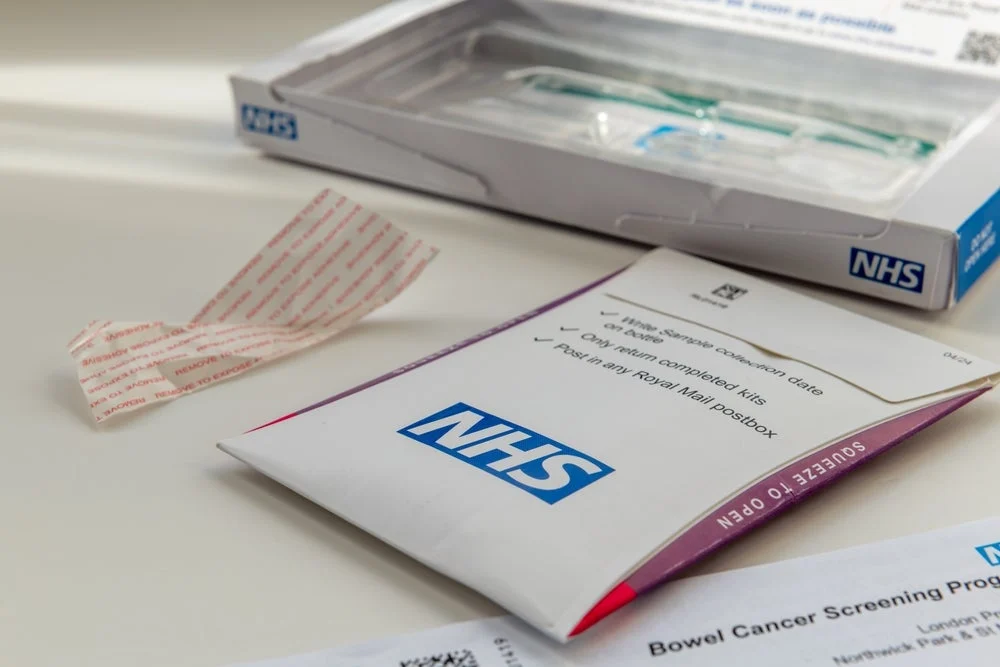
The advent of accessible home testing kits is significantly transforming the landscape of bowel cancer screening, making it more convenient and widespread than ever before. This innovation holds immense promise for increasing early detection rates and, consequently, improving survival outcomes for a disease that remains a formidable public health challenge. Bowel cancer, also referred to as colorectal cancer, ranks as the second most lethal cancer globally, trailing only lung cancer, with developed nations bearing the highest incidence rates. In the United Kingdom, it is the fourth most prevalent cancer, accounting for approximately 12% of all cancer diagnoses between 2021 and 2022, according to Cancer Research UK. Alarmingly, only half of individuals diagnosed with bowel cancer survive for more than five years post-diagnosis.
The Growing Burden of Bowel Cancer
The impact of bowel cancer on public health systems and individuals is substantial. Epidemiological forecasts predict a concerning rise in diagnosed cases within the UK. GlobalData epidemiologists estimate that there will be 50,000 diagnosed incident cases of bowel cancer in the UK in 2026. This figure is projected to climb to 55,000 diagnosed incident cases by 2031, representing an annual growth rate of 1.8%. This anticipated increase is attributed to a combination of factors, including projected population growth and an observed rise in the incidence rates of this particular cancer. This trend underscores the urgent need for effective and scalable screening strategies.
A History of Screening and Evolving Accessibility
The journey towards widespread bowel cancer screening in the UK began in 2006 with the introduction of a national program. Initially, the screening was offered to individuals aged 60 years and older. This marked a significant step forward in proactive cancer detection. Since its inception, the program has facilitated the detection of approximately 70,000 cancers among the 85 million individuals who have undergone screening. Furthermore, an additional 270,000 people have been identified as being at increased risk and are now under regular monitoring.
The recognition of evolving risk patterns prompted a crucial expansion of the screening program. Since 2021, screenings have been extended to individuals aged 50 to 59 years. This adjustment reflects the concerning increase in bowel cancer incidence observed in younger demographics, a trend that has necessitated a broader approach to early detection.
The Game-Changer: Home Testing Kits
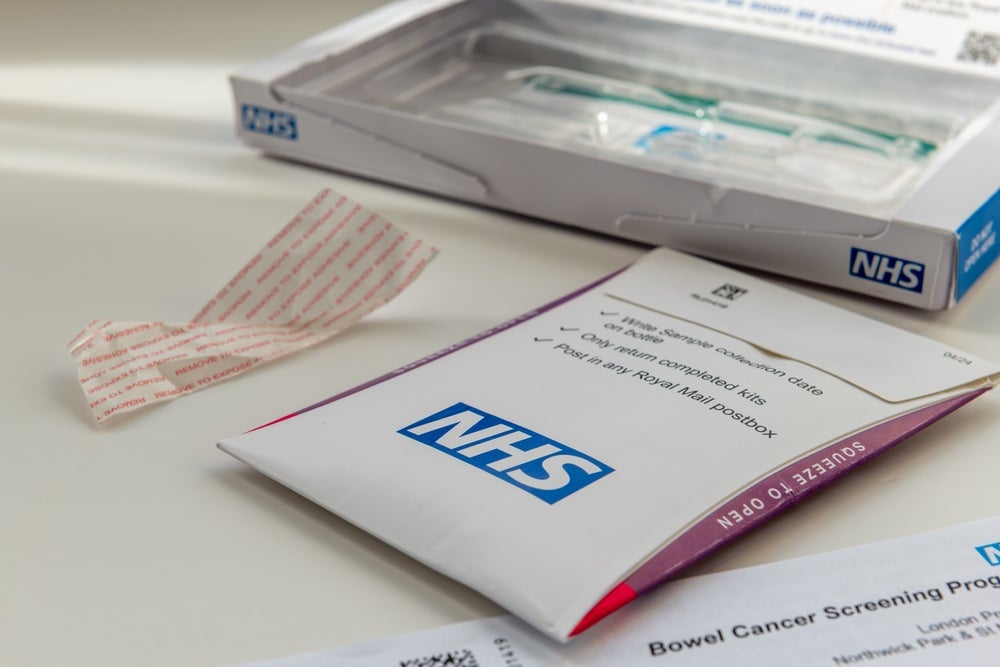
The introduction of a home testing kit has been a pivotal development, dramatically simplifying the screening process for individuals across the UK. This innovative approach has seen widespread adoption, with the National Health Service (NHS) distributing nearly 9 million home-testing kits annually to the UK population. This surge in accessibility has directly contributed to improved screening participation rates. For instance, in 2025, approximately 7 million individuals utilized the NHS bowel screening program, a significant increase from around 4.7 million in 2015.
The home testing kit is scientifically known as a faecal immunochemical test (FIT). Its efficacy lies in its ability to detect the presence of blood in a stool sample, a potential early indicator of bowel cancer. The simplicity and non-invasiveness of this test have been instrumental in its rapid uptake and success. The National Cancer Plan for England, published in February 2026, has formally recognized the profound impact of these kits, committing to achieving 17,000 earlier diagnoses by 2035 and potentially saving nearly 6,000 lives through their continued deployment.
Expert Perspectives and Public Health Impact
The shift towards more accessible screening methods is being met with positive endorsements from public health bodies and medical professionals. "The introduction of home testing kits represents a monumental leap forward in our fight against bowel cancer," stated Dr. Eleanor Vance, a leading oncologist at a major London teaching hospital. "For too long, the perceived invasiveness and logistical challenges of screening have been barriers for many. FIT kits dismantle these barriers, empowering individuals to take proactive steps for their health in the comfort and privacy of their own homes. This is not just about convenience; it’s about saving lives through early intervention."
Public health campaigns have also played a vital role in bolstering awareness and encouraging participation. "We’ve seen a tangible increase in awareness and uptake, particularly among older age groups," commented Sarah Jenkins, a public health strategist with Cancer Research UK. "Screenings in individuals aged 60 and over have risen from 50% in 2006 to an impressive 70% in 2025. The extension of screening to the 50-59 age group, coupled with the ease of home testing, is expected to further drive these numbers upward."
Broader Implications and Future Directions
The success of the home testing kit program has significant implications for the future of cancer screening and management. The National Cancer Plan’s ambitious targets underscore the confidence placed in these innovative tools. The commitment to delivering 17,000 earlier diagnoses by 2035 and saving almost 6,000 lives highlights the tangible impact of scaling up accessible screening.
Beyond the immediate benefits of increased detection, these advancements also foster a culture of proactive health management. The success of FIT kits can pave the way for the broader adoption of similar at-home diagnostic tools for other prevalent diseases. This could lead to a paradigm shift in healthcare, moving from a reactive treatment model to a more preventative and personalized approach.
Addressing Risk Factors and Promoting a Healthier Lifestyle
While screening is paramount, addressing the underlying risk factors for bowel cancer remains a critical component of a comprehensive strategy. Recent scientific understanding has illuminated the significant role of lifestyle choices in the development of this disease. Public health initiatives are increasingly focusing on educating the public about the links between diet, alcohol consumption, obesity, and the increased risk of bowel cancer.
"We are seeing a growing understanding of the modifiable risk factors," noted Professor David Chen, a researcher specializing in cancer epidemiology. "Reducing alcohol intake, maintaining a healthy weight, and moderating the consumption of red and processed meats are all evidence-based strategies that individuals can implement to lower their personal risk. Complementing these lifestyle changes with regular screening creates a powerful dual approach to combating bowel cancer."
Furthermore, advances in genetic testing and more thorough documentation of family history are proving invaluable for identifying individuals with hereditary predispositions. This allows for tailored preventive measures and more frequent, targeted screening for those at higher genetic risk, offering a personalized pathway to early detection and risk mitigation.
The Path Forward: Continued Innovation and Investment
The current trajectory of bowel cancer screening in the UK, largely driven by the success of home testing kits, presents a compelling case for continued investment and innovation. The observed increase in incidence rates, particularly in younger populations, necessitates ongoing vigilance and adaptation of screening strategies.
The National Health Service, alongside public health organizations and research institutions, faces the ongoing challenge of ensuring equitable access to these life-saving tools across all demographics and geographical regions. Continued public awareness campaigns, targeted outreach to underserved communities, and further research into optimizing the effectiveness and accessibility of screening technologies will be crucial. The positive momentum generated by the home testing kit revolution offers a strong foundation upon which to build a future where bowel cancer is detected earlier, treated more effectively, and ultimately, where survival rates are significantly enhanced. The integration of technology, public health messaging, and individual empowerment is proving to be a potent combination in the ongoing battle against this devastating disease.















Leave a Reply