In an era defined by a rapidly aging global population, the medical community is facing an unprecedented rise in age-related physical decline, with sarcopenia emerging as a primary concern for public health systems. Researchers at Duke-NUS Medical School in Singapore have recently announced a significant breakthrough in understanding the molecular mechanisms behind muscle loss. Their study, published in the prestigious journal Autophagy, identifies the protein DEAF1 (Deformed epidermal autoregulatory factor-1) as a critical factor in the maintenance, repair, and regeneration of skeletal muscle. This discovery provides a potential therapeutic roadmap for treating both age-related sarcopenia and illness-induced cachexia, two conditions that have long lacked targeted pharmacological interventions.
The Growing Crisis of Muscle Degeneration
Sarcopenia is characterized by the progressive and generalized loss of skeletal muscle mass and strength. It is a condition that significantly increases the risk of adverse outcomes, including physical disability, poor quality of life, and death. According to data from the World Health Organization (WHO), the number of people aged 60 years and older is expected to double by 2050, reaching approximately 2.1 billion. As this demographic shift occurs, the prevalence of sarcopenia—which currently affects an estimated 10% to 16% of the elderly worldwide—is projected to soar.
Parallel to the challenges of aging is cachexia, a complex metabolic syndrome associated with underlying chronic illnesses, most notably cancer, chronic obstructive pulmonary disease (COPD), and heart failure. Unlike simple starvation, cachexia cannot be reversed by increased nutritional intake. It is responsible for nearly 20% of cancer-related deaths, as it weakens the respiratory and cardiac muscles and reduces the patient’s tolerance for intensive treatments like chemotherapy. The Duke-NUS study represents a vital step toward addressing these distinct but equally devastating forms of muscle wasting.
The Role of DEAF1 in Cellular Maintenance
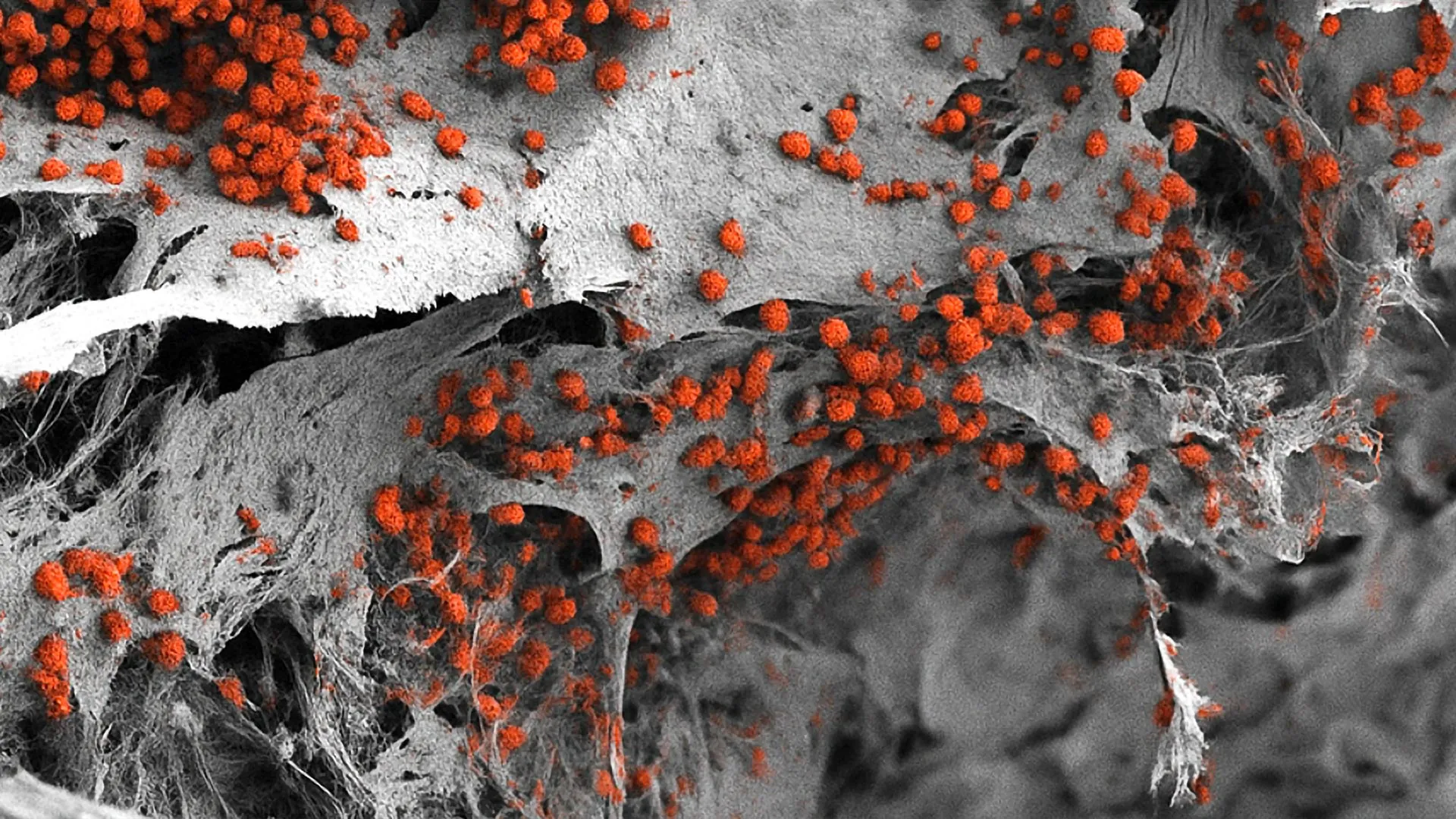
The research team, led by Assistant Professor Tang Hong-Wen from the Cancer and Stem Cell Biology Programme at Duke-NUS, focused on the behavior of muscle stem cells, also known as satellite cells. These specialized cells are the primary drivers of muscle repair. When muscle fibers are damaged through exercise, injury, or disease, these stem cells activate, proliferate, and fuse with existing fibers or form new ones to restore function.
The study revealed that the functionality of these stem cells is governed by the protein DEAF1 through its regulation of autophagy. Autophagy, often described as the cell’s "housekeeping" or "recycling" mechanism, is the process by which cells break down and remove damaged proteins and organelles. For muscle stem cells to remain healthy and responsive, autophagy must be precisely calibrated.
The researchers discovered that DEAF1 acts as a molecular "Goldilocks" factor: its levels must be kept within a very specific, optimal range. Dr. Goh Kah Yong, a Research Fellow at Duke-NUS and co-first author of the study, noted that when DEAF1 levels fluctuate outside of this range, the regenerative capacity of the muscle is compromised. If DEAF1 levels are too high, autophagy is inhibited, leading to a toxic buildup of cellular waste and eventual cell death. Conversely, if DEAF1 levels are too low, the cell undergoes excessive autophagy, essentially consuming its own vital components and losing the ability to repair tissue.
Decoding the Differences: Sarcopenia versus Cachexia
One of the most significant contributions of this study is the clarification of how DEAF1 operates differently in sarcopenia compared to cachexia. While both conditions result in muscle loss, the underlying biological pathways are markedly different, necessitating different therapeutic approaches.
Sarcopenia and the Aging Process
As humans age, the natural regenerative capacity of muscle stem cells declines. The Duke-NUS study found that in the context of aging, a group of proteins known as FOXOs (Forkhead box O), which act as upstream regulators of DEAF1, become less active. This decline in FOXO activity disrupts the balance of DEAF1, leading to impaired muscle repair. The research suggests that in older adults, decreasing DEAF1 levels to a specific beneficial threshold could actually boost the cellular cleanup process (autophagy), thereby enhancing the survival of muscle stem cells and their ability to generate new muscle tissue.
Cachexia and Chronic Illness
In contrast, cachexia involves a different disruption. In cancer-induced cachexia, the researchers observed elevated levels of FOXO proteins. These high levels of FOXO lead to a significant reduction in DEAF1 levels. This deficiency triggers hyper-autophagy—an overactive recycling process that aggressively breaks down muscle tissue, leading to the rapid wasting seen in cancer patients. In this scenario, the therapeutic goal would be the opposite of that for sarcopenia: researchers would need to increase DEAF1 levels to slow down the excessive autophagy and preserve muscle mass.
Chronology of the Discovery and Methodology
The findings are the result of several years of intensive molecular biology research within the Duke-NUS Integrated Biology and Medicine PhD Programme. The project was spearheaded by co-first authors Dr. Goh Kah Yong and Ms. Lee Wen Xing, under the mentorship of Assistant Professor Tang Hong-Wen.
The team utilized a variety of pre-clinical models to observe the interaction between FOXO, DEAF1, and autophagy. By manipulating these proteins in muscle stem cells, they were able to observe the direct impact on muscle regeneration. The study was further supported by the Diana Koh Innovative Cancer Research Fund, an award granted to Assistant Professor Tang to foster groundbreaking work in the field of oncology and stem cell biology.
The timeline of this research suggests a transition toward more targeted drug development. Following the identification of the FOXO-DEAF1 axis, the team conducted pre-clinical trials using FOXO activators. These trials demonstrated that restoring the DEAF1 balance could effectively improve muscle regeneration, particularly in aged models, providing a "proof of concept" for future human trials.
Institutional and Expert Perspectives
The implications of the study have been met with enthusiasm by the leadership at Duke-NUS and the wider scientific community in Singapore. Professor Patrick Tan, Senior Vice-Dean for Research at Duke-NUS, emphasized the importance of precision medicine in treating muscle loss.
"Understanding these differences is crucial for developing targeted treatments that specifically address the specific underlying cause of muscle loss in various conditions," Professor Tan stated. He further noted that as chronic diseases become more prevalent alongside an aging population, these molecular insights are essential for improving the quality of life for millions of patients who currently have few options to maintain their independence and strength.
Assistant Professor Tang Hong-Wen highlighted the regulatory complexity revealed by the study. "In muscle stem cells, FOXOs act as a key upstream regulator of DEAF1 to maintain appropriate levels, which is critical for balancing autophagy," Tang explained. His team’s work underscores that the "one-size-fits-all" approach to treating muscle wasting is likely to fail because the cellular drivers in a 70-year-old with sarcopenia are fundamentally different from those in a 40-year-old with stage IV cancer.
Broader Implications for Healthcare and Public Health
The potential development of DEAF1-modulating therapies could have profound socio-economic impacts. Sarcopenia is a leading cause of falls and fractures in the elderly, which often result in long-term hospitalization and a loss of autonomy. By maintaining muscle health, healthcare systems could see a reduction in the costs associated with geriatric care and long-term rehabilitation.
Furthermore, for cancer patients, treating cachexia is not just about physical appearance or strength; it is a matter of survival. Patients who maintain their muscle mass are better able to withstand the rigors of chemotherapy and radiation. If increasing DEAF1 levels can successfully mitigate muscle wasting, it could significantly improve the prognosis for patients with advanced-stage cancers.
The study also opens new doors for research into other tissues. Since autophagy and DEAF1 are present in various cell types throughout the body, the researchers are now investigating whether this protein plays a similar regulatory role in other organs. This could lead to breakthroughs in treating neurodegenerative diseases or metabolic disorders where cellular cleanup processes are known to be dysfunctional.
Conclusion and Future Outlook
The Duke-NUS study marks a pivotal moment in the study of musculoskeletal health. By pinpointing DEAF1 as the mediator of autophagy in muscle stem cells, the research team has provided a dual-purpose target for some of the most challenging conditions in modern medicine.
While the transition from pre-clinical models to human clinical trials will take time, the identification of the FOXO-DEAF1 pathway provides a clear target for pharmaceutical development. Future treatments may involve small-molecule drugs designed to either inhibit or promote DEAF1 activity depending on the patient’s specific diagnosis. As the global medical community shifts toward a more nuanced understanding of aging and chronic disease, the work of the Duke-NUS team stands as a testament to the power of molecular biology in solving urgent public health crises. The researchers continue to explore the broader applications of their findings, hoping to uncover more secrets held by the DEAF1 protein in the quest for human longevity and healthspan.