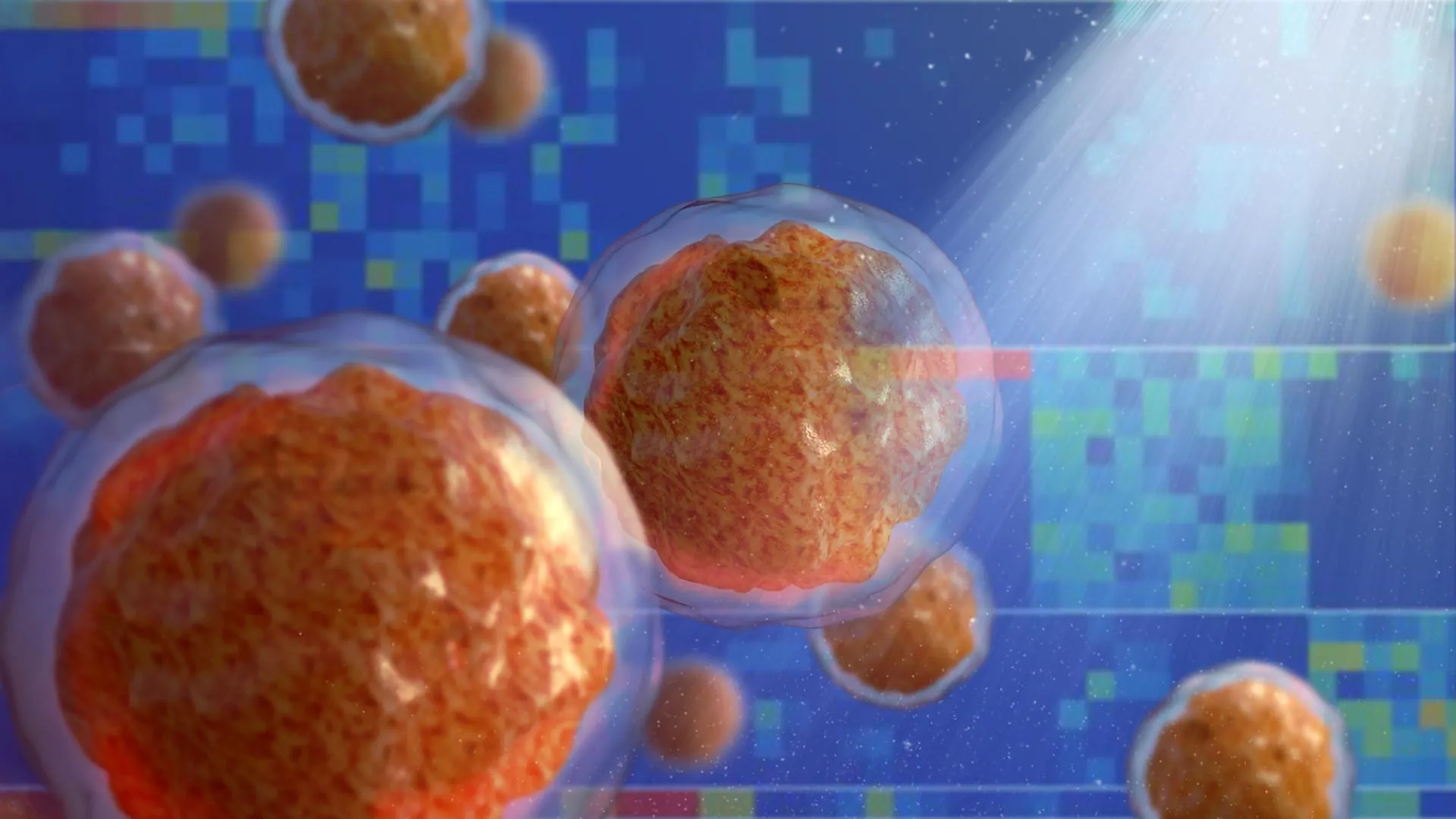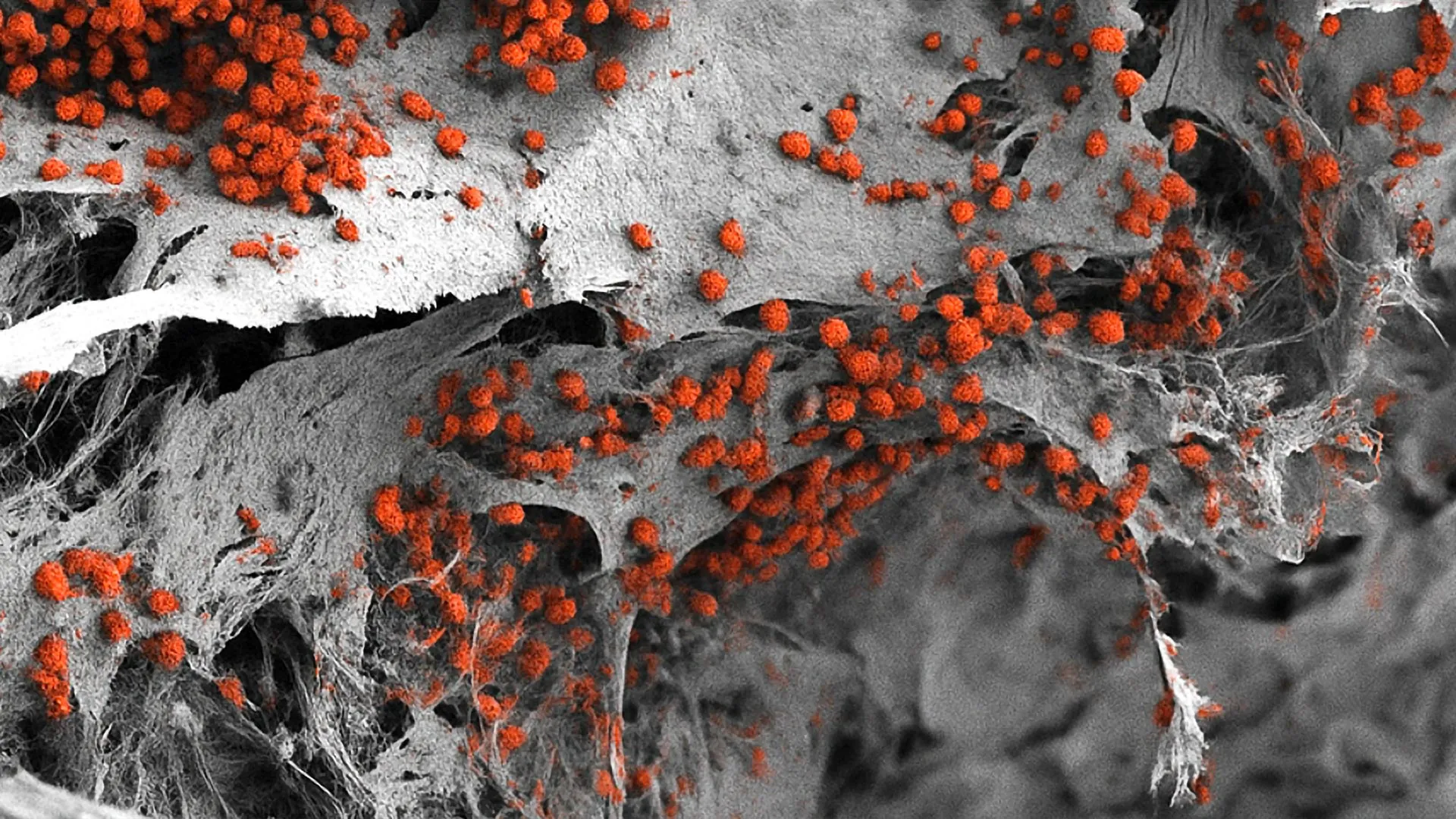
A landmark study led by the Wellcome Sanger Institute has fundamentally altered the scientific understanding of how chronic myeloid leukemia (CML) develops, revealing that the cancer undergoes a period of explosive growth years before a clinical diagnosis is ever made. The research, published in the journal Nature, utilizes advanced whole-genome sequencing to trace the ancestry of cancer cells, uncovering a growth rate that is significantly higher than that observed in almost any other form of malignancy. By creating "family trees" of blood cells, researchers have pinpointed the exact window when the disease-causing genetic mutation first occurs, providing a new temporal framework for the evolution of hematological cancers.
Chronic myeloid leukemia is a rare but serious cancer of the white blood cells and bone marrow. For decades, it has served as a model for precision medicine because its cause is remarkably singular: the fusion of two genes, BCR and ABL1. While most cancers are the result of a complex accumulation of dozens or even hundreds of genetic mutations over a lifetime, CML is often driven by this one specific event. Despite this knowledge, the "dark period" between the occurrence of the initial mutation and the appearance of symptoms has remained a mystery until now.
The Genesis of the Philadelphia Chromosome
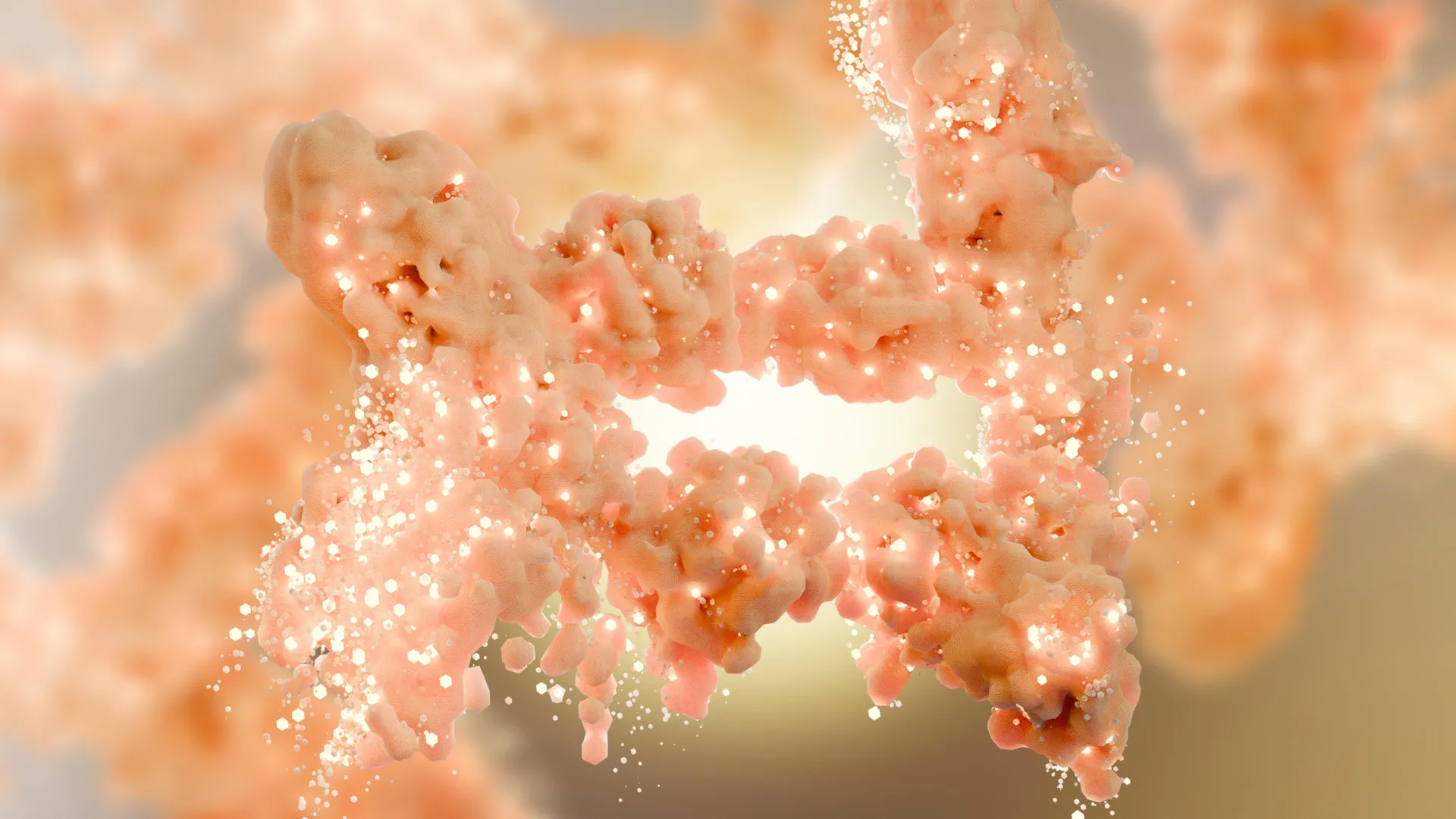
To understand the magnitude of these findings, one must first look at the biological catalyst of the disease. CML is characterized by the presence of the "Philadelphia chromosome," a discovery first made in 1960. This chromosome is formed through a process called reciprocal translocation, where pieces of chromosome 9 and chromosome 22 break off and switch places. This swap brings the ABL1 gene from chromosome 9 into contact with the BCR gene on chromosome 22, creating the BCR::ABL1 fusion gene.
This fusion gene acts as a biological "on-switch" that never turns off. It produces a tyrosine kinase protein that signals white blood cells to divide and multiply uncontrollably. While the medical community has long understood that this gene is the driver of CML, the new research from the Sanger Institute provides the first high-resolution look at the speed of this process. The study involved analyzing the genomes of over 1,000 individual blood cells from nine patients, ranging in age from 22 to 81. By tracking the somatic mutations that naturally accumulate in cells over time, the researchers were able to work backward, like forensic investigators, to determine when the BCR::ABL1 fusion first appeared.
A Timeline of Silent Expansion
The findings indicate that the BCR::ABL1 fusion typically occurs between three and 14 years before a patient presents with symptoms or receives a diagnosis. This revelation challenges the previous assumption that the disease might be a slow-burning condition that persists for decades in a dormant state. Instead, the study suggests that once the fusion gene is created, it acts with unprecedented aggression.
The researchers calculated that the tumor clones—groups of cells that are genetically identical and carry the fusion gene—can grow at rates exceeding 100,000 percent annually. This is a staggering figure in the context of oncology. In most solid tumors, such as those found in the lung or colon, and even in other blood cancers like chronic lymphocytic leukemia (CLL), the growth is a gradual, multi-decade process. These other cancers often require a "multi-hit" scenario where several different mutations must align before the cells begin to proliferate rapidly. In contrast, CML appears to be an "outlier," where a single genetic event is sufficient to trigger a massive, exponential expansion of cancerous cells.
The Role of Age and Cellular Dynamics
One of the most significant aspects of the study is the discovery that age plays a critical role in the speed of CML progression. The data revealed that younger patients tend to have much higher rates of cancerous cell multiplication than older patients. In the cohort studied, the younger individuals showed the most aggressive expansion of BCR::ABL1 clones.
This finding has profound implications for how the disease is managed across different age groups. While CML is more commonly diagnosed in older adults, the biological behavior of the cancer in younger patients may be inherently more "fit," meaning the cancerous cells are better at outcompeting healthy blood cells in the bone marrow environment. This increased fitness leads to a faster transition from the initial mutation to a full-blown clinical crisis.
The study also investigated whether the BCR::ABL1 mutation could exist in the general population without ever causing disease. By analyzing data from the "All of Us" Research Program—a massive health database in the United States involving over 200,000 participants—the team found that individuals carrying the BCR::ABL1 fusion were almost universally diagnosed with a blood disorder eventually. This suggests that the mutation is so potent that it is rarely, if ever, a "benign" passenger in the human body. Unlike some other genetic predispositions that may never manifest as illness, the presence of the Philadelphia chromosome appears to be a definitive precursor to malignancy.
Implications for Treatment and Resistance
Since the early 2000s, the standard of care for CML has been tyrosine kinase inhibitors (TKIs), such as imatinib (Gleevec). These drugs were a revolution in cancer therapy, turning a previously fatal diagnosis into a manageable chronic condition for many. TKIs work by specifically targeting the protein produced by the BCR::ABL1 gene and blocking its signaling pathway.
However, the Sanger Institute study sheds light on a persistent clinical challenge: treatment resistance. Approximately 20 percent of CML patients do not respond well to TKI therapy, or they eventually relapse. The researchers found a direct correlation between the pre-diagnostic growth rate of the cancer and the patient’s response to treatment. Patients who exhibited the fastest-growing tumor clones before diagnosis were the same individuals who were less likely to respond effectively to TKIs.
Dr. Aleksandra Kamizela, co-first author of the study and a resident doctor at the Lister Hospital, noted the clinical gap that these findings might fill. Currently, doctors use a test called reverse transcription polymerase chain reaction (RT-PCR) to monitor how much of the BCR::ABL1 gene is present in a patient’s blood during treatment. While effective for monitoring, this test does not provide information about the underlying "growth kinetics" or the evolutionary history of the cancer cells.
"Our findings provide a rationale to look at the rate of cancer growth more closely in future studies," Dr. Kamizela stated. "In a clinical setting, we are not able to routinely see differences in the genetic cause of CML in patients at the DNA level in the way this study has highlighted. Understanding these growth rates could help us predict which patients will need more intensive or alternative therapies from the outset."
A New Framework for Oncology
The study’s senior author, Dr. Jyoti Nangalia, a hematologist at the University of Cambridge and Group Leader at the Wellcome Sanger Institute, emphasized that CML should be viewed as a unique case study in cancer biology. By showing that the timeline from the first mutation to clinical presentation is relatively short—spanning years rather than decades—the research highlights the sheer power of the BCR::ABL1 fusion.
"What our study suggests is that chronic myeloid leukemia is an outlier compared to other cancers," Dr. Nangalia explained. "We have shown that these cells undergo incredibly rapid growth. This work paves the way to understanding how we might optimize treatment for those patients that currently respond poorly."
The implications of this research extend beyond CML. The use of phylogenetic trees to map the "biography" of a cancer provides a blueprint for studying other malignancies. If scientists can identify the growth rates and evolutionary trajectories of different cancers, they may be able to intervene earlier or tailor treatments to the specific "fitness" of a patient’s tumor.
Conclusion and Future Outlook
The Wellcome Sanger Institute’s research represents a significant leap forward in the field of cancer genomics. By quantifying the "explosive" nature of CML, the study refutes the idea that all cancers develop through a slow, uniform accumulation of mutations. Instead, it paints a picture of a disease that, once sparked by a single chromosomal swap, moves with terrifying speed to overwhelm the body’s blood-clearing systems.
For the medical community, the next step will be to validate these findings in larger patient cohorts. If the correlation between growth rates and TKI resistance holds true, it could lead to the development of new diagnostic tools that measure the "velocity" of the cancer at the time of diagnosis. This would allow for a more personalized approach to hematology, where treatment intensity is calibrated not just to the presence of the cancer, but to the speed at which it is moving.
As genomic sequencing technology becomes more accessible and integrated into hospital systems, the ability to look back into a tumor’s past may become a standard part of determining a patient’s future. For now, the discovery of the 3-to-14-year window of CML development provides a crucial target for future research into early detection and potential interceptive therapies that could stop the explosive growth of the Philadelphia chromosome before it reaches a critical mass.