The annual scientific sessions of the American Diabetes Association (ADA) this week served as a pivotal platform for significant announcements in metabolic health, with pharmaceutical giants Eli Lilly, Novo Nordisk, AstraZeneca, and others revealing crucial GLP-1 clinical and preclinical data. However, the conference was not solely defined by scientific breakthroughs; it also saw an unusual intervention where several prominent researchers were escorted out by police following an act of protest against perceived political interference in science. This confluence of cutting-edge research and contentious academic freedom underscored the complex dynamics at play within the scientific community and the broader healthcare landscape.
A Clash of Science and Dissent: The Conference Protest
The incident that momentarily overshadowed the scientific presentations involved a group of experts, some of whom were scheduled presenters, being removed from the convention center. Their act of defiance centered on distributing copies of a critical editorial published in the ADA’s flagship journal, Diabetes Care. Titled "Misguided Brushes of a Pen Continue to Dismantle," the editorial lambasted the science policies of the Trump administration, detailing the adverse effects of funding cuts and other administrative actions on vital diabetes research.
The timing of the protest was deliberate, coinciding with the anticipation of a speech by Jay Bhattacharya, director of the National Institutes of Health (NIH). As researchers began to hand out the copies, security staff quickly intervened, asking them to step outside and attempting to confiscate the papers. Aaron Kelly, a professor of pediatrics at the University of Minnesota and one of the researchers involved, recounted to The New York Times the escalating confrontation. Following their initial removal, the researchers attempted to re-enter the convention through a different entrance, only to be met by event security and police officers. They were informed that any further attempt to enter the premises would constitute trespassing and would result in arrest. Ultimately, five of the researchers were barred from any further participation in the conference, an outcome that ignited discussions within the scientific community regarding academic freedom, freedom of expression, and the decorum expected at professional scientific gatherings. This incident highlights the tension between the dissemination of scientific findings and the expression of political views within a professional forum, particularly when those views pertain directly to the funding and direction of scientific inquiry.
The GLP-1 Revolution: Pioneering New Frontiers in Metabolic Health
Despite the controversy, the core mission of the ADA conference—to advance diabetes and metabolic health research—remained paramount. The spotlight shone brightly on the glucagon-like peptide-1 (GLP-1) receptor agonist class of drugs, which continues to redefine treatment paradigms for type 2 diabetes, obesity, and an expanding array of related cardiometabolic conditions. GLP-1s work by mimicking the natural hormone GLP-1, which stimulates insulin secretion, suppresses glucagon release, slows gastric emptying, and promotes satiety, leading to improved glycemic control and significant weight loss. The presentations at the ADA conference showcased the rapid evolution of this drug class, from novel mechanisms of action to innovative delivery methods.
Eli Lilly’s Retatrutide: A Triple Agonist’s Broad Spectrum Impact
Eli Lilly’s retatrutide, a groundbreaking triple agonist targeting GLP-1, glucagon, and glucose-dependent insulinotropic polypeptide (GIP) receptors, emerged as a potential game-changer. The Phase 3 results presented at the conference painted a compelling picture of its efficacy across multiple comorbidities associated with obesity. The drug demonstrated an impressive average body weight loss of 28.3% over 80 weeks at its highest dose, a figure that sets a new benchmark in pharmacotherapy for obesity. This substantial weight reduction is particularly significant given the established links between obesity and numerous health complications.
Beyond weight loss, retatrutide showed remarkable promise in addressing specific obesity-related conditions. It reduced knee osteoarthritis pain by up to 73.1%, a profound impact for a condition that significantly impairs quality of life for millions of individuals with obesity. Furthermore, it led to a 60.6% reduction in the severity of moderate-to-severe obstructive sleep apnea, another prevalent and serious comorbidity of obesity. Ania Jastreboff, the lead investigator, emphasized the broader implications of these findings, stating, "These findings demonstrate what may be possible when we treat obesity and impact overall health, and what this could mean for people living with obesity and its related complications." This statement underscores the potential for retatrutide to transition from a diabetes and weight-loss drug to a foundational therapy for a constellation of obesity-driven health issues.
For patients with type 2 diabetes, retatrutide also delivered robust glycemic control, reducing HbA1c levels by up to 2%. Critically, up to 90% of participants achieved an HbA1c below 7%, aligning with the ADA’s general target for managing type 2 diabetes. The drug’s benefits extended to other crucial cardiovascular risk factors, including a reduction in triglycerides by up to 41%, non-HDL cholesterol by 24.2%, and systolic blood pressure by 12.3 mmHg. These comprehensive metabolic improvements suggest a holistic benefit that could profoundly impact long-term patient outcomes.
In terms of tolerability, Lilly reported that retatrutide’s safety profile was generally consistent with other drugs in the GLP-1 class. The most common adverse effects included gastrointestinal symptoms such as nausea, diarrhea, constipation, and vomiting. Approximately 14.2% of participants on the highest dose experienced upper respiratory tract infections, and some reported dysesthesia, a sensory abnormality that has been observed to a limited extent with related drugs. Despite these side effects, the overall tolerability supports its potential for widespread clinical use. The extensive efficacy data for retatrutide positions it as a strong contender in the evolving landscape of metabolic disease management, potentially offering a broader spectrum of benefits than existing single or dual-agonist therapies.
Novo Nordisk’s CagriSema: Navigating a Competitive Landscape
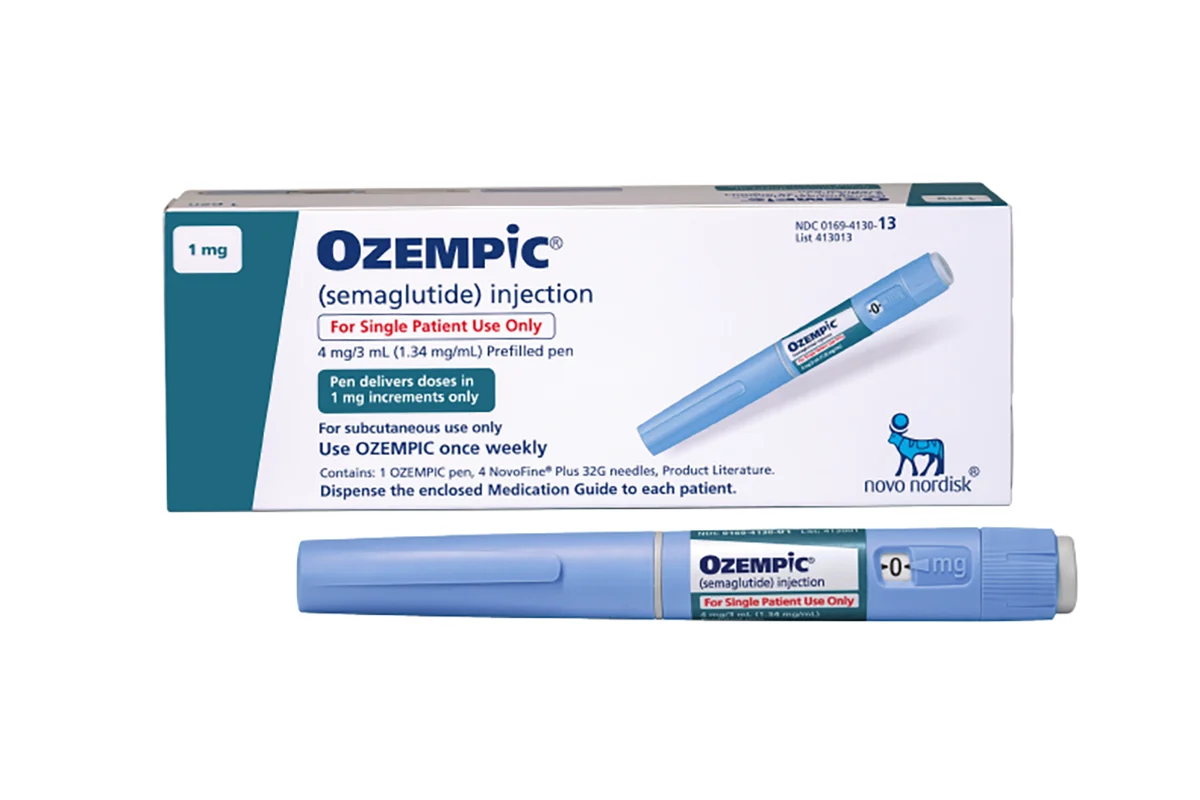
Novo Nordisk, a long-standing leader in diabetes and obesity care with its market-defining drugs Ozempic (semaglutide) and Wegovy (semaglutide for weight loss), presented new Phase 3 data for CagriSema. This innovative combination therapy pairs an amylin analog (cagrilintide) with a GLP-1 receptor agonist (semaglutide), aiming to leverage the synergistic effects of both hormonal pathways. The "REIMAGINE" program trials demonstrated significant reductions in HbA1c and body weight compared to various comparators.
Martin Holst Lange, Executive Vice President, Chief Scientific Officer, and Head of Research and Development at Novo Nordisk, highlighted the drug’s unique potential, stating, "With these findings, CagriSema has the potential to be the first amylin and GLP-1 combination therapy that addresses blood glucose control with reductions in bodyweight for people living with type 2 diabetes."
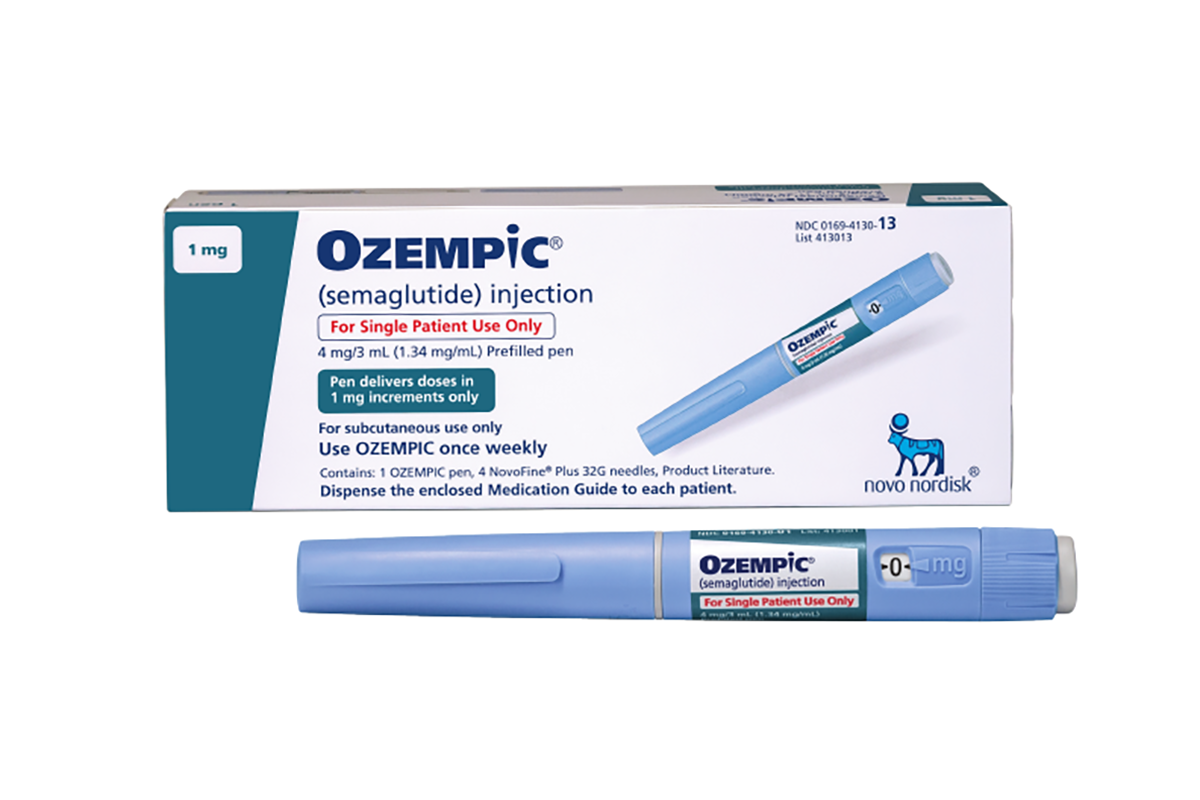
A direct comparison within the trials showed CagriSema outperforming stand-alone semaglutide (Ozempic). At the highest dose, CagriSema achieved a 14.2% reduction in body weight over 68 weeks, notably surpassing the 10.2% reduction observed with the same dose of semaglutide alone. It also demonstrated superior HbA1c reduction. These results reinforce the therapeutic advantages of combining amylin and GLP-1 agonism.
However, the competitive landscape for obesity treatments is fiercely dynamic. Earlier in the year, another Phase 3 trial had indicated that CagriSema was inferior to Eli Lilly’s tirzepatide (Zepbound), a dual GIP/GLP-1 agonist. In that comparison, CagriSema achieved a 23% weight loss after 84 weeks, while tirzepatide demonstrated a 25.5% reduction. Addressing this disparity in a call with investors, Martin Lange acknowledged that Zepbound had "performed unusually well on efficacy compared to what has typically been reported in most previous trials of a similar nature." He pointed to an earlier Phase 3 trial of tirzepatide in adults with pre-diabetes and obesity, where participants experienced an average weight reduction of 22.9% on the highest dose, a figure slightly lower than the 25.5% seen in the CagriSema comparator trial. This nuanced explanation suggests that while CagriSema remains a highly effective therapy, the bar for efficacy in obesity management continues to rise, driven by potent new entrants like tirzepatide and retatrutide. Novo Nordisk’s strategy with CagriSema likely involves emphasizing its unique mechanism and strong performance against semaglutide, positioning it as a powerful option for patients who may need more than a single-agonist therapy.
The Rise of Oral GLP-1s: Convenience Versus Efficacy
The convenience of an oral formulation remains a highly sought-after attribute in chronic disease management, and the ADA conference featured updates on several oral GLP-1 receptor agonists. While injectable GLP-1s have demonstrated superior efficacy in weight loss to date, oral options offer a significant advantage for patient adherence and comfort.
AstraZeneca presented promising results for its oral GLP-1, elecoglipron. The drug achieved an 11.8% weight reduction at 36 weeks and lowered HbA1c by 1.9% at 26 weeks, with 90% of patients reaching the ADA’s target HbA1c below 7%. These results are substantial for an oral agent and position elecoglipron to advance into Phase 3 trials for both obesity and type 2 diabetes. Crucially, these trials will also evaluate its impact on cardiovascular and kidney outcomes, reflecting the growing understanding of the broader protective effects of GLP-1s beyond glycemic control and weight management.
Ascletis also showcased data for its oral candidate, ASC30, reporting a weight loss of up to 7.7% at week 13 in Phase 2 trials. The company noted that ASC30 exhibited approximately half the rate of vomiting compared to orforglipron, another oral GLP-1 in development, suggesting a potentially improved tolerability profile. Additionally, Ascletis presented preclinical findings for its oral amylin receptor agonist, ASC37, which showed selectivity for the human amylin type 1 receptor comparable to eloralintide. The development of oral amylin agonists further diversifies the therapeutic landscape, potentially offering new combination strategies with GLP-1s in a convenient pill form. While oral GLP-1s generally show less dramatic weight loss than their injectable counterparts, their ease of administration could significantly expand access and adherence, thereby improving public health outcomes on a larger scale.
Pfizer’s Monthly Innovation: Extending Dosing Convenience
Pfizer introduced its investigational once-monthly GLP-1 receptor agonist, berobenatide, aiming to provide an even greater level of dosing convenience than existing weekly injectables. Phase 2b data for berobenatide demonstrated a significant 15.9% weight loss at 32 weeks, coupled with a 2.2% reduction in HbA1c at 18 weeks. These results are highly competitive, especially for a monthly formulation.
Jim List, Chief Internal Medicine Officer at Pfizer, expressed confidence in the drug’s potential, stating, "These data highlight the potential for berobenatide to be the first approved monthly GLP-1 RA peptide and support our extensive Phase 3 program that includes 10 studies for chronic weight management and obesity-related comorbidities." The robust efficacy and extended dosing interval could represent a significant advancement for patient convenience and adherence, potentially reducing treatment burden and improving long-term outcomes.
Pfizer’s commitment to this program is evident in its comprehensive Phase 3 development plan. The VESPER-6 study, which investigates monthly maintenance dosing for berobenatide in adults with obesity or overweight, is actively enrolling participants. Furthermore, the SOLIS-1 Phase 2b study is exploring weekly and monthly maintenance dosing of an ultra-long-acting amylin analog (PF-3945) both as a monotherapy and in combination with berobenatide. This dual-pronged approach reflects the industry’s increasing focus on combination therapies and innovative delivery methods to maximize therapeutic benefit and patient experience.
Broader Implications and Future Outlook
The ADA conference underscored a pivotal moment in the treatment of diabetes and obesity. The presented data suggest that the next generation of GLP-1-based therapies will not only offer superior efficacy in weight loss and glycemic control but also increasingly target a wider range of comorbidities, from osteoarthritis and sleep apnea to cardiovascular and renal outcomes. This holistic approach signals a shift towards treating obesity as a chronic, multifaceted disease with systemic implications, rather than merely a cosmetic concern or a risk factor.
The intense competition among pharmaceutical companies, particularly between Eli Lilly and Novo Nordisk, is driving rapid innovation, leading to a pipeline of increasingly potent and convenient therapies. This competition is beneficial for patients, offering more choices and potentially better outcomes. However, it also raises questions about accessibility and affordability, as these cutting-edge treatments often come with high price tags. Regulatory bodies will face increasing pressure to balance innovation with public health needs, ensuring that these life-changing therapies are available to those who need them most.
The protest incident, while distinct from the scientific presentations, also highlighted a critical aspect of the scientific community: its engagement with broader societal and political contexts. The researchers’ actions served as a stark reminder of the scientific community’s role in advocating for robust funding and evidence-based policy, especially when perceived threats to scientific integrity arise. This incident, alongside the scientific breakthroughs, paints a complete picture of an ADA conference that was both scientifically exhilarating and socially charged, reflecting the dynamic and often contentious environment in which medical advancements unfold. The ongoing evolution of GLP-1 therapies, combined with the continuous dialogue around scientific ethics and funding, will undoubtedly shape the future of metabolic health for years to come.