

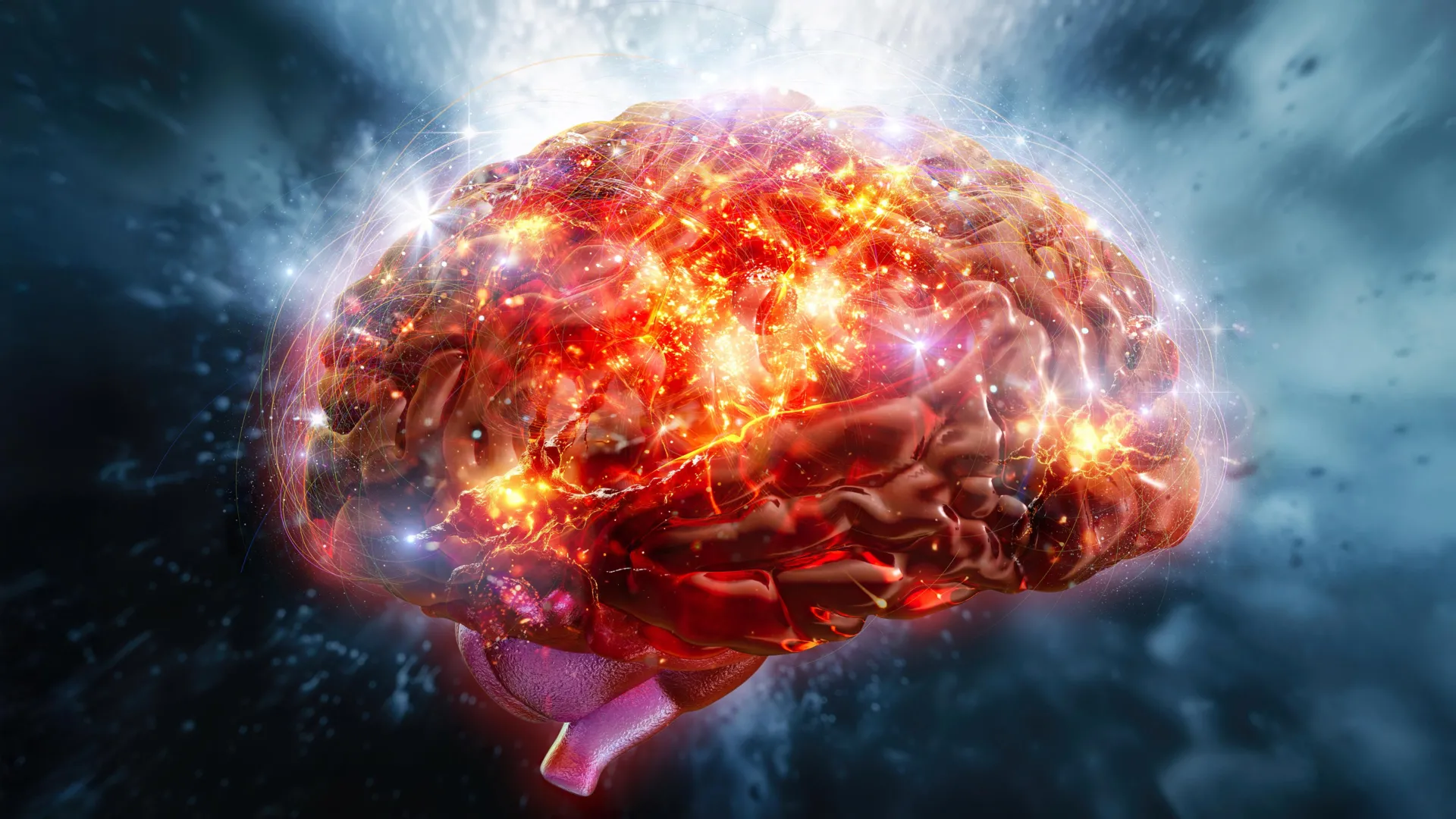
While the physical benefits of exercise on the musculoskeletal and cardiovascular systems have been documented for decades, new research published in the journal Neuron suggests that the most critical adaptations for endurance may actually occur within the brain. A study led by researchers at the University of Pennsylvania has identified a specific neural pathway that reshapes itself in response to physical activity, acting as a command center that dictates how the heart and muscles adapt to training. This discovery shifts the scientific understanding of fitness from a purely peripheral physiological process to one deeply rooted in the central nervous system, specifically within the ventromedial hypothalamus.
The research, spearheaded by J. Nicholas Betley, an associate professor of biology at the University of Pennsylvania, suggests that the brain does not merely observe physical exertion but actively manages the recovery and adaptation phases that follow. By tracking neural activity in mice during and after treadmill sessions, the team discovered that a specific population of neurons remains active long after the physical movement has ceased. This "afterglow" of neural firing appears to be the primary driver for the physiological changes that allow an organism to run farther and faster over time.
The Role of the Ventromedial Hypothalamus in Physical Adaptation
At the center of this study is the ventromedial hypothalamus (VMH), a region of the brain traditionally associated with the regulation of glucose levels, body weight, and energy balance. Within the VMH, the researchers focused on steroidogenic factor-1 (SF1) neurons. These neurons have long been known to play a role in metabolic homeostasis, but their specific involvement in exercise-induced endurance gains was previously unmapped.
During the experimental phase, the research team utilized advanced imaging and optogenetic tools to monitor these SF1 neurons in real-time. They observed that as soon as a subject began to run, these neurons spiked in activity. However, the most significant observation was not the activity during the workout, but the persistence of that activity during the recovery period. Even when the mice returned to a state of rest, the SF1 neurons continued to fire at an elevated rate for upwards of an hour.
This persistent activity suggests that the brain enters a "programming mode" following physical stress. During this window, the SF1 neurons likely signal to the rest of the body that it needs to optimize its energy usage. This includes the more efficient mobilization of stored glucose and the strengthening of cardiac output. The study indicates that without this neural signaling, the body’s peripheral systems—the heart, lungs, and muscles—do not receive the necessary instructions to improve their capacity.
Methodology and the Chronology of Endurance Gains
The study was conducted over a rigorous multi-week period to simulate the effects of a long-term training regimen. The researchers divided the subjects into various groups to test the necessity of SF1 neuron activity at different stages of the exercise cycle.
In the first phase, mice were subjected to daily treadmill sessions for two weeks. At the start of the study, the mice reached exhaustion relatively quickly. However, by the end of the fourteen-day period, their endurance had increased significantly. Brain scans conducted throughout this timeline revealed a direct correlation between fitness levels and neural density; as the mice became fitter, a greater number of SF1 neurons became active, and their individual firing rates intensified.
To prove that these neurons were responsible for the endurance gains, the researchers employed a "loss-of-function" experiment. They used chemical and genetic inhibitors to block the SF1 neurons from communicating with other parts of the brain. The results were stark: mice with inhibited SF1 activity showed no improvement in their running capacity over the two-week period, despite performing the same amount of physical work as the control group. They remained at their baseline fitness levels, failing to develop the cardiovascular and muscular resilience typically associated with training.
The Critical Post-Exercise Recovery Window
Perhaps the most groundbreaking aspect of the study is the discovery that the neurons’ activity after exercise is more important for long-term adaptation than their activity during the workout. In a secondary experiment, the researchers allowed the SF1 neurons to function normally while the mice were on the treadmill but blocked them immediately after the session ended.
Even though the mice were working hard and their brains were engaged during the actual exercise, the interruption of the post-exercise neural "afterglow" completely halted any endurance improvements. This finding challenges the traditional "no pain, no gain" philosophy that focuses solely on the intensity of the workout itself. Instead, it suggests that the biological "gain" is actually a neurological process that occurs during the hour of rest following the "pain."
This suggests a metabolic signaling pathway where the brain assesses the energy deficit created by exercise and then coordinates a systemic response to ensure the body is better prepared for the next challenge. This involves a complex interplay of glucose management and hormonal signaling that originates in the VMH.
Supporting Data and Metabolic Implications
The data collected by the University of Pennsylvania team highlights a sophisticated feedback loop. When SF1 neurons fire, they influence the autonomic nervous system, which in turn affects how the liver releases glucose and how muscles uptake nutrients.
Data from the study showed that:
- Neural Recruitment: After two weeks of training, the number of active SF1 neurons increased by approximately 30% compared to sedentary subjects.
- Firing Duration: The post-exercise firing window lasted between 60 to 90 minutes, a timeframe that aligns with the "metabolic window" often discussed in sports nutrition.
- Performance Metrics: Control subjects increased their time-to-exhaustion by 40% over the study period, while those with post-exercise neural inhibition showed 0% improvement.
This research provides a neurological basis for the phenomenon of "overtraining." If the brain’s recovery signaling is interrupted or if the body is not given sufficient time for these neurons to complete their post-exercise programming, the physical benefits of the workout are effectively lost. It also explains why some individuals may experience "exercise resistance," where they perform the work but do not see the expected physiological improvements.
Official Responses and Collaborative Efforts
The study was a massive collaborative effort, involving multiple prestigious institutions and funding bodies. The research was supported by the National Institutes of Health (NIH), the National Science Foundation (NSF), and the National Research Foundation of Korea, among others. This broad support underscores the scientific community’s interest in the intersection of neuroscience and metabolic health.
J. Nicholas Betley emphasized the psychological and clinical implications of the work. "A lot of people say they feel sharper and their minds are clearer after exercise," Betley noted. "We wanted to understand what happens in the brain after exercise and how those changes influence the effects of exercise." He further explained that by lifting weights or running, humans are essentially "building their brains" just as much as they are building their quadriceps or biceps.
Dr. Sangho Cho and other co-authors from institutions like Providence College and the Rhode Island Institutional Development Award contributed to the mapping of these neural circuits. Their collective goal is to decode the full "circuitry of fitness," moving beyond the VMH to see how these signals propagate through the rest of the central nervous system.
Broader Impact: Clinical Applications and the Future of Fitness
The implications of this research extend far beyond the gym. By identifying the neural triggers for physical adaptation, scientists may be able to develop new therapeutic interventions for populations that struggle to exercise.
1. Geriatric Care and Sarcopenia
As humans age, the body’s ability to adapt to physical stress declines, leading to muscle wasting (sarcopenia) and reduced mobility. If the decline in fitness in the elderly is partially due to "sluggish" SF1 neuron activity, future treatments could focus on stimulating these neural pathways to help older adults maintain muscle mass and cardiovascular health with less strenuous activity.
2. Stroke and Injury Recovery
For patients recovering from a stroke or major physical trauma, the barrier to rehabilitation is often the rapid onset of fatigue. Understanding how the VMH regulates endurance could lead to pharmacological or neuromodulatory treatments that "prime" the brain for recovery, allowing patients to gain more strength from shorter, more manageable physical therapy sessions.
3. Athletic Performance and Optimization
For elite athletes, this research provides a scientific roadmap for recovery. It validates the importance of the "cool-down" period and metabolic recovery. If the post-exercise neural window is the key to endurance, then nutrition, sleep, and stress management during that specific hour after training are paramount.
4. Encouraging Exercise Adherence
One of the primary reasons people quit exercise programs is the lack of immediate results. Betley suggests that if researchers can find ways to "shorten the timeline" of these neural adaptations, people might see the benefits of exercise—such as increased energy and weight loss—much sooner. This could significantly improve public health outcomes by increasing long-term adherence to active lifestyles.
Conclusion
The University of Pennsylvania study represents a paradigm shift in exercise science. By proving that endurance is a product of neural persistence rather than just muscular fatigue, the research opens a new frontier in how we approach health and fitness. The discovery that the brain must "decide" to become fit based on post-exercise activity levels provides a missing link in the complex puzzle of human physiology. As science continues to unravel the connection between the ventromedial hypothalamus and physical performance, the old adage "mind over matter" takes on a literal, biological meaning: the brain is the true engine of physical transformation.














Leave a Reply