In a groundbreaking advancement for the field of neuropsychiatry, a team of researchers has successfully identified and manipulated a specific neural circuit within the brain’s emotional center to reverse symptoms of anxiety and social withdrawal. The study, led by Dr. Juan Lerma at the Synaptic Physiology laboratory of the Institute for Neurosciences (IN), reveals that the delicate balance of activity within the amygdala is a primary driver of pathological emotional states. By restoring this equilibrium, scientists were able to effectively "reset" the behavior of laboratory mice, offering a potential blueprint for future targeted therapies in humans suffering from anxiety, depression, and autism spectrum disorders.
The research, recently published in the journal iScience, represents the culmination of years of investigation into the molecular foundations of mental health. The Institute for Neurosciences, a joint center of the Spanish National Research Council (CSIC) and Miguel Hernández University (UMH) of Elche, has long been at the forefront of mapping how genetic variations translate into complex behavioral phenotypes. This latest discovery focuses on the interplay between specific gene expression and the excitability of neuronal populations, providing a rare glimpse into the mechanical "wiring" of the anxious brain.
The Role of the Amygdala in Emotional Regulation
The amygdala has long been recognized as the brain’s "alarm system," responsible for processing threats and governing the fight-or-flight response. However, its internal architecture is immensely complex, consisting of various sub-regions that must communicate with precision to maintain emotional stability. The research team focused specifically on the relationship between the basolateral amygdala (BLA) and the centrolateral amygdala (CeA).
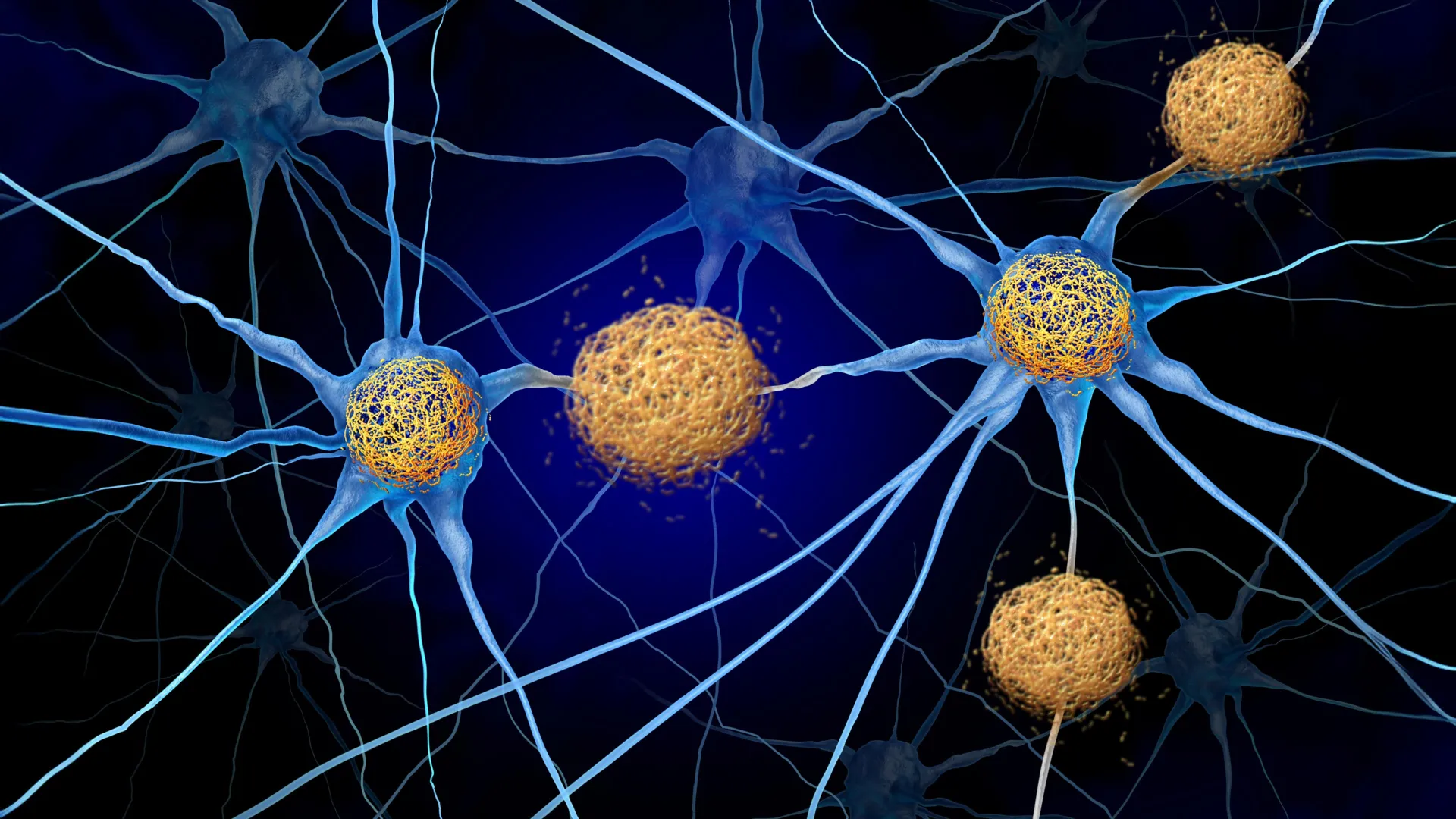
Under normal conditions, these regions work in tandem to evaluate environmental stimuli. When an individual encounters a potential stressor, the BLA processes the sensory information and sends signals to the CeA, which then coordinates the appropriate physiological and behavioral response. In the presence of anxiety disorders, however, this communication becomes distorted. The study identified that a specific population of neurons in the BLA can become hyper-excitable, leading to a cascade of inhibitory imbalances that manifest as chronic fear, social avoidance, and depressive-like lethargy.
Dr. Juan Lerma emphasized that while the amygdala’s involvement in fear was established, the identification of a specific, localized population of neurons capable of triggering such profound pathological behaviors marks a significant leap forward. "We have moved beyond knowing where anxiety happens to understanding exactly how the circuit malfunctions at a cellular level," Lerma noted.
The Grik4 Gene and the Mechanism of Hyper-Excitability
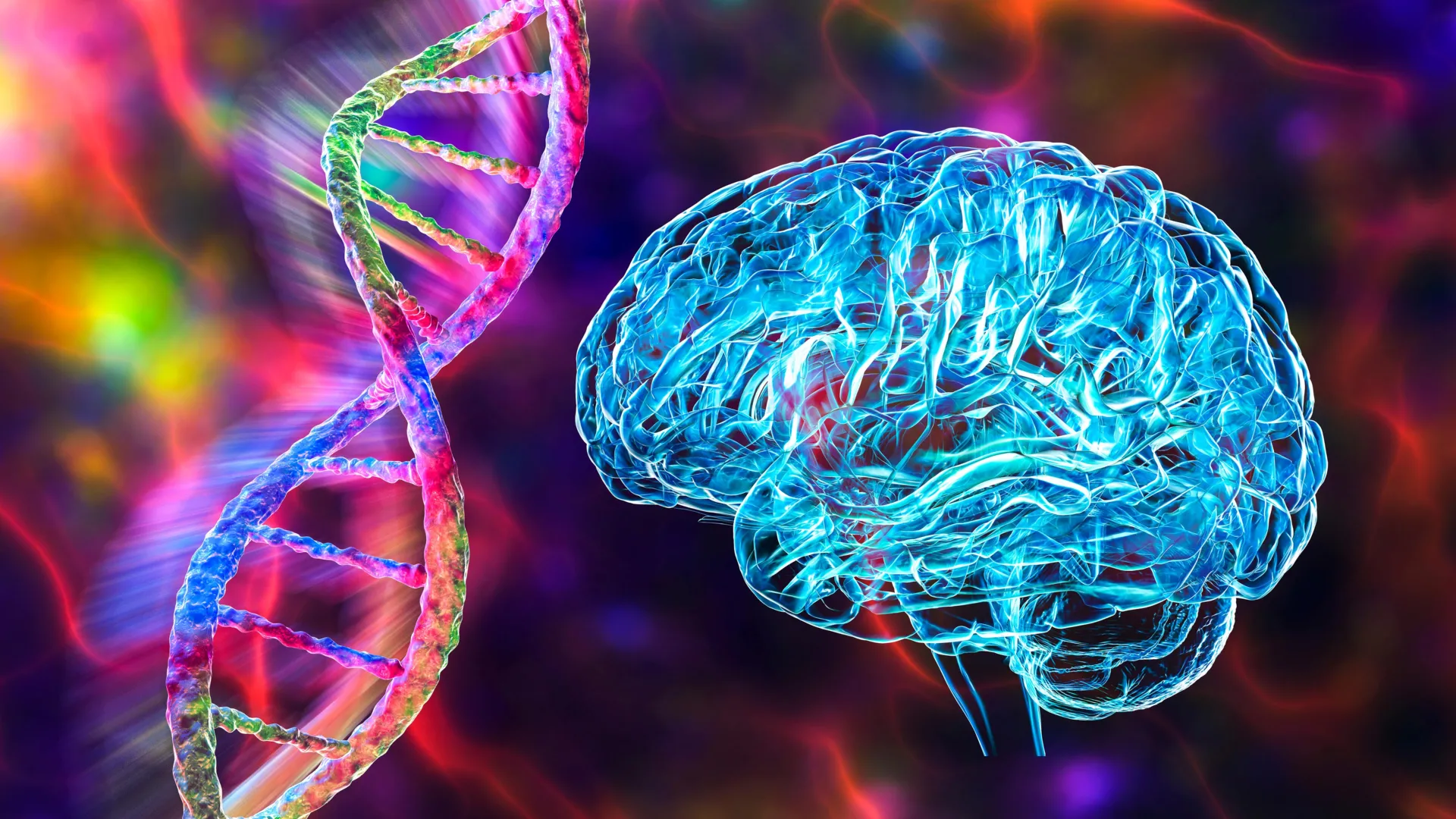
The catalyst for this neural imbalance lies in the Grik4 gene. This gene is responsible for encoding the GluK4 subunit of kainate-type glutamate receptors. Glutamate is the primary excitatory neurotransmitter in the mammalian central nervous system, and its receptors are essential for the rapid transmission of signals between neurons.
To simulate the genetic conditions often observed in human neurodevelopmental and affective disorders, the research team utilized a mouse model first developed in their laboratory in 2015. These mice were genetically engineered to carry an extra copy of the Grik4 gene, leading to an overabundance of GluK4 receptors. This overexpression makes the neurons in the basolateral amygdala significantly more sensitive to stimuli, causing them to fire more frequently and intensely than they would in a healthy brain.
This hyper-excitability disrupts the natural feedback loops of the brain. Specifically, it overwhelms the "regular firing" inhibitory neurons in the centrolateral amygdala. In a healthy state, these inhibitory neurons act as a "brake," preventing the emotional centers from overreacting. When the Grik4-driven BLA neurons become hyperactive, they effectively cut the brake lines, leading to the persistent state of high-alert and social retreat characteristic of the mouse model—and, by extension, many human patients with related conditions.
A Chronology of Discovery: From 2015 to Present
The path to this discovery was an iterative process of genetic mapping and behavioral analysis.
- 2015: The Genetic Blueprint: The Lerma lab successfully created the Grik4 overexpression mouse model. This was a pivotal moment, as it allowed researchers to observe how a single genetic change could produce a suite of behaviors mimicking human autism and schizophrenia, including social deficit and high anxiety.
- 2016–2022: Mapping the Circuitry: Following the creation of the model, the team spent several years using electrophysiological recordings to trace the exact pathways of the hyper-excitability. They discovered that the imbalance was not uniform across the brain but was concentrated in the amygdala-hippocampal axis.
- 2023: The Intervention Phase: The researchers moved from observation to correction. Using advanced genetic engineering and viral vector technology, they sought to normalize the levels of Grik4 specifically within the basolateral amygdala of the adult mice to see if the behaviors were reversible.
- 2024: Publication of Results: The findings published in iScience confirmed that local intervention in the BLA was sufficient to restore behavioral health, validating the circuit as a primary therapeutic target.
Reversing Pathological Behaviors: Experimental Results
The most striking aspect of the study was the efficacy of the intervention. The researchers used modified viruses to deliver genetic "tools" that lowered the activity of the Grik4 gene back to baseline levels in the BLA.
Following this adjustment, the mice underwent a series of standardized behavioral tests:
- The Open Field Test: This measures an animal’s willingness to explore the center of an open space—a behavior typically avoided by anxious rodents. After the treatment, the Grik4 mice showed a significant increase in exploration, indicating reduced anxiety.
- The Three-Chamber Social Test: This assesses social preference and the desire to interact with unfamiliar "intruder" mice. The treated mice, which had previously shown profound social withdrawal, began to engage in normal social sniffing and interaction.
- Elevated Plus Maze: This test measures the time spent in "open arms" versus "closed arms" of a raised platform. The intervention led to a marked increase in the time spent in open arms, further confirming the anti-anxiety effect.
Álvaro García, the study’s first author, expressed surprise at the clarity of the results. "That simple adjustment—normalizing the activity of one gene in one specific sub-region of the brain—was enough to reverse complex social deficits. It suggests that many of these seemingly permanent behavioral traits are actually the result of a physiological ‘glitch’ that can be corrected."
Validation Beyond Genetic Models
To ensure that their findings were not an artifact of their specific genetic model, the researchers applied the same intervention to "wild-type" or naturally occurring mice that displayed high levels of innate anxiety.
The results were consistent: reducing the excitability of the BLA-CeA circuit lowered anxiety levels in these non-engineered mice as well. This finding is crucial because it suggests that the Grik4 pathway is not just a quirk of a laboratory-created mouse, but a fundamental mechanism for emotional regulation across the species. It implies that even in cases where anxiety is caused by environmental stress rather than a specific genetic duplication, this circuit may still be the primary driver of the symptoms.
Limitations and the Complexity of Memory
Despite the success in treating anxiety and social withdrawal, the researchers noted that the intervention was not a "cure-all." The mice continued to struggle with object recognition memory—the ability to remember and distinguish between familiar and new items.
This persistent deficit provides a vital clue for future research. It suggests that while the amygdala governs the emotional symptoms of these disorders, other cognitive symptoms, such as memory impairment, are likely rooted in different brain regions, such as the hippocampus. The study underscores the "modular" nature of the brain, where different circuits manage different aspects of a disorder. Future treatments may need to target multiple circuits simultaneously to achieve a full recovery of both emotional and cognitive functions.
Broader Impact and the Future of Psychiatric Care
The implications of Dr. Lerma’s research extend far beyond the laboratory. Currently, many treatments for anxiety and depression involve systemic medications, such as Selective Serotonin Reuptake Inhibitors (SSRIs) or benzodiazepines. These drugs circulate throughout the entire body and brain, often leading to significant side effects and varying degrees of efficacy.
The discovery of a specific, "druggable" circuit opens the door for precision medicine in psychiatry. Potential future applications include:
- Targeted Gene Therapy: Using viral vectors to adjust gene expression in specific brain regions, as demonstrated in the study.
- Refined Pharmacotherapy: Developing drugs that specifically target the GluK4 receptor subunit, potentially offering more potent relief with fewer side effects than current broad-spectrum medications.
- Neuromodulation: Using techniques like Deep Brain Stimulation (DBS) or Transcranial Magnetic Stimulation (TMS) to specifically dampen the hyper-excitability of the basolateral amygdala.
As the global burden of mental health disorders continues to rise—with anxiety disorders affecting an estimated 300 million people worldwide—the need for such targeted interventions has never been more urgent. The work of the Institute for Neurosciences provides a beacon of hope that the most debilitating symptoms of these conditions are not just manageable, but potentially reversible.
The study was made possible through the support of several major scientific bodies, including the Spanish State Research Agency (AEI), the Severo Ochoa Excellence Program, and the European Regional Development Fund (ERDF). This collaborative funding environment highlights the international priority placed on decoding the mysteries of the human brain.
In conclusion, by pinpointing the Grik4 gene’s role in amygdala hyper-excitability, the team led by Juan Lerma has provided a definitive link between genetic expression and pathological behavior. While there is still much to learn about the cognitive components of these disorders, the ability to restore social function and alleviate anxiety through circuit-level balance represents a monumental shift in our understanding of the biological basis of emotion.