In a significant advancement for environmental chemistry, a research team led by Aarhus University has identified a critical mechanism that allows for the destruction of per- and polyfluoroalkyl substances (PFAS) without the need for supplemental chemical additives. By utilizing high-energy ultraviolet (UV) light to generate hydrogen radicals directly from water, scientists have uncovered a pathway to dismantle the carbon-fluorine bonds that render these "forever chemicals" virtually indestructible in nature. This discovery addresses one of the most pressing challenges in modern environmental engineering: the transition from merely capturing PFAS pollutants to permanently neutralizing them.
The Challenge of the Forever Chemical
PFAS represents a class of more than 12,000 synthetic organofluorine compounds that have been widely used since the 1940s in industrial and consumer products. Their unique properties—including resistance to heat, water, and oil—made them staples in the production of non-stick cookware, stain-resistant fabrics, firefighting foams, and food packaging. However, the same chemical stability that makes them useful also makes them an environmental nightmare. The carbon-fluorine (C-F) bond is one of the strongest in organic chemistry, meaning these substances do not break down through natural processes.
As a result, PFAS have permeated the global ecosystem. They are found in the blood of 97% of Americans, in the tissues of polar bears in the Arctic, and in rainwater across the globe. Chronic exposure to even minute concentrations of certain PFAS, such as PFOA and PFOS, has been linked to a litany of adverse health effects, including kidney and testicular cancer, thyroid disease, liver damage, and developmental issues in children. The persistence of these chemicals has led to a global push for remediation, yet the primary obstacle has always been the sheer energy required to break their molecular structure.
Unlocking the Mechanism: The Role of Hydrogen Radicals
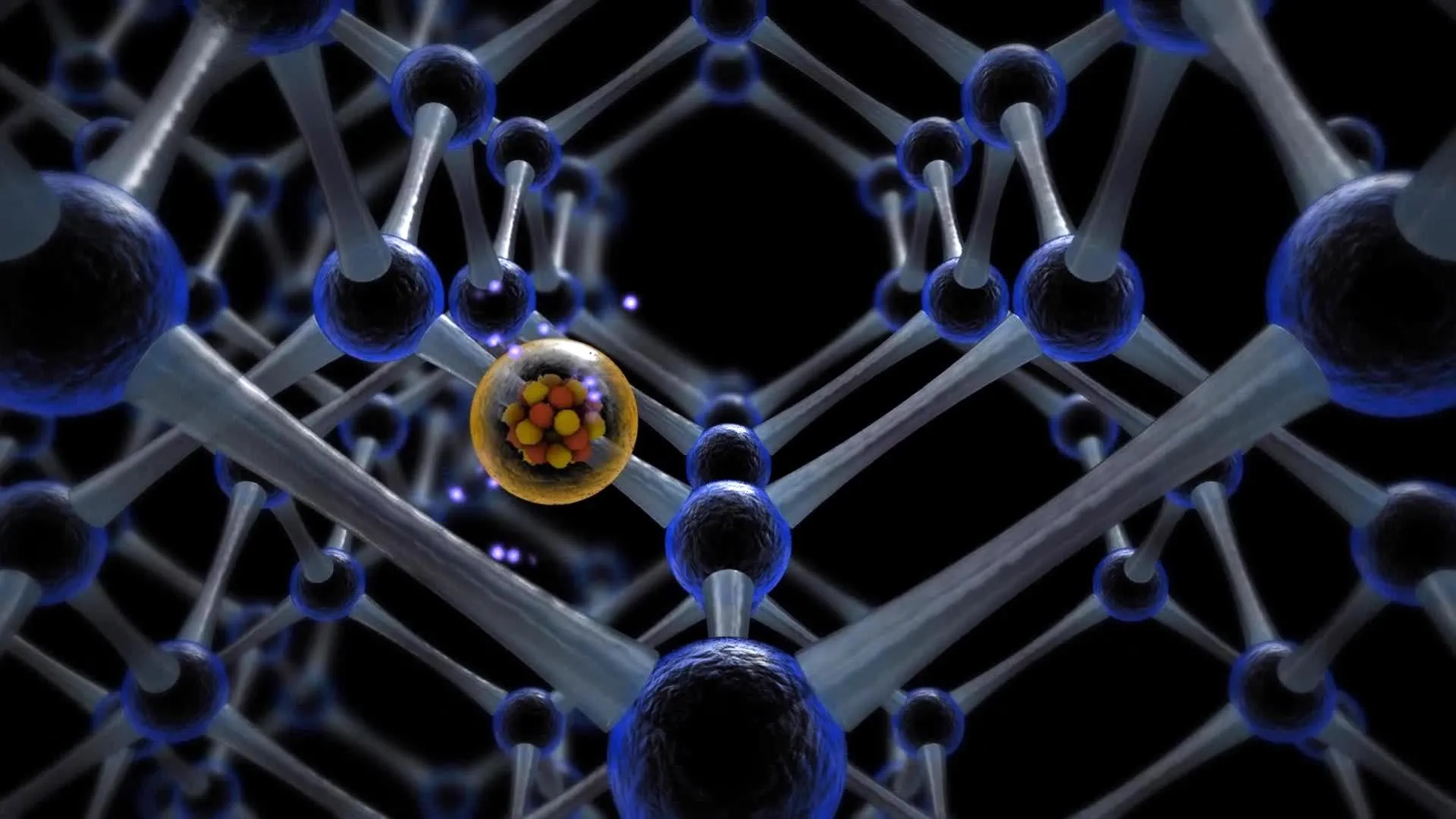
The study, led by Associate Professor Zongsu Wei at Aarhus University’s Department of Biological and Chemical Engineering, provides a new blueprint for tackling this molecular resilience. The research demonstrates that intense UV light, specifically at wavelengths below 300 nanometers, can trigger a reaction in water that produces hydrogen radicals. These radicals are highly reactive particles that possess the energy necessary to attack the carbon-fluorine bonds of PFAS molecules.
Previously, the scientific community had explored various reactive species for PFAS degradation, often focusing on hydrated electrons or hydroxyl radicals. However, the Aarhus study pinpoints hydrogen radicals as a dominant and more effective driver in specific photolytic conditions. When these radicals collide with a PFAS molecule, they initiate a process of "defluorination," systematically stripping away fluorine atoms. This converts the complex, toxic "forever chemical" into smaller, less stable, and ultimately harmless organic acids and fluoride ions.
The significance of this finding lies in its simplicity. By identifying that the reaction can be driven by the components of water itself under the influence of light, the researchers have removed the necessity for costly or secondary-pollutant-producing chemical reagents. This aligns with the principles of "green chemistry," seeking to minimize the environmental footprint of the cleanup process itself.
From Filtration to Destruction: A Paradigm Shift
Current water treatment technologies for PFAS primarily rely on "phase transfer" methods. Techniques such as Granular Activated Carbon (GAC) filtration, Ion Exchange (IX) resins, and High-Pressure Membranes (like reverse osmosis) are effective at pulling PFAS out of drinking water. However, these methods do not destroy the chemicals; they merely concentrate them onto a filter or into a waste brine.
"Today, many technologies can filter PFAS out of water, but they don’t eliminate them," Associate Professor Wei noted during the presentation of the findings. "The real goal is degradation: to break the molecules down completely. Understanding the mechanism is essential if we want to achieve that in a green and scalable way."
When filters become saturated with PFAS, they must be disposed of, often through incineration or landfilling. Incineration requires extremely high temperatures (often exceeding 1,000 degrees Celsius) to ensure the PFAS are destroyed rather than dispersed into the air, while landfilling carries the risk of the chemicals leaching back into the groundwater over time. The Aarhus discovery offers a potential pathway toward "on-site destruction," where PFAS-laden water could be treated with UV reactors to neutralize the toxins before they ever leave the facility.
Chronology of PFAS Discovery and Regulation
To understand the weight of this discovery, it is necessary to view it within the timeline of PFAS development and the subsequent regulatory response:
- 1938: Roy Plunkett at DuPont accidentally discovers PTFE (Teflon), the first major PFAS.
- 1940s-1970s: Mass production of PFOA and PFOS begins for industrial and military applications.
- 1990s: Internal documents from major manufacturers surface, suggesting early knowledge of the toxicity and persistence of these chemicals.
- 2000-2002: 3M, a major producer, begins phasing out PFOS after internal studies and EPA pressure.
- 2016: The EPA issues a non-binding health advisory of 70 parts per trillion (ppt) for PFOA and PFOS in drinking water.
- 2023: Research from Aarhus University and other global institutions begins focusing on advanced oxidation and reduction processes (AOPs/ARPs) to find energy-efficient ways to break the C-F bond.
- 2024: The EPA announces the first-ever national, legally enforceable drinking water standard for six PFAS, setting limits as low as 4 ppt. This regulatory shift has created an urgent demand for the type of destructive technology identified in the Aarhus study.
Supporting Data and Technical Analysis
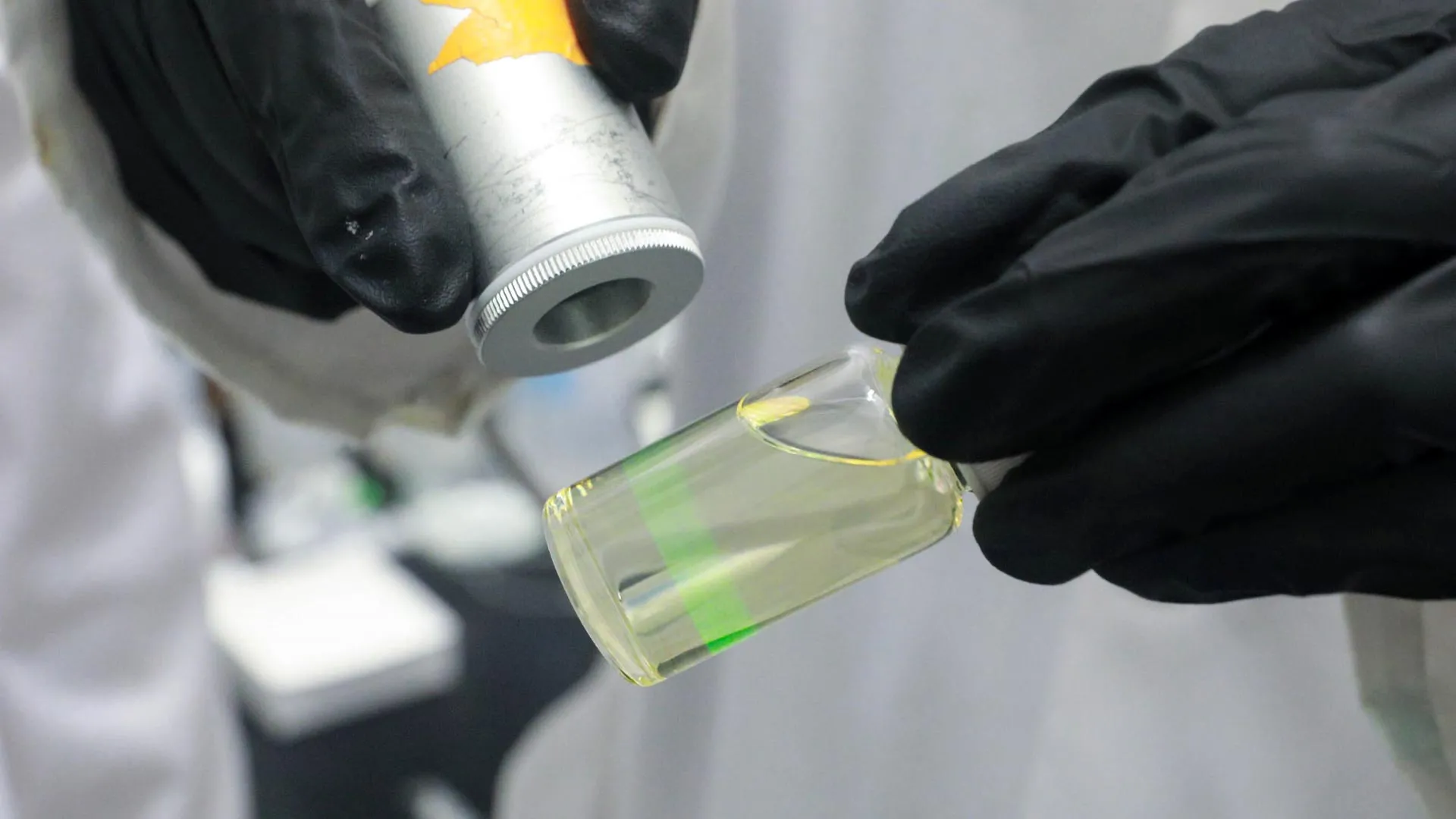
The Aarhus study utilized specialized UV lamps capable of emitting vacuum-UV (VUV) and UVC radiation. The data indicated that the rate of PFAS degradation increased exponentially as the wavelength dropped below the 300nm threshold. This is because shorter wavelengths carry higher energy photons, which are more efficient at photolyzing water molecules (H2O) into hydrogen radicals (H•) and hydroxyl radicals (•OH).
Experimental data showed that while hydroxyl radicals are effective at breaking down many organic pollutants, they are often insufficient for the complete mineralization of long-chain PFAS. In contrast, the hydrogen radicals generated in this specific UV-driven environment demonstrated a unique affinity for the reductive defluorination of the perfluorinated carbon chain.
However, the data also highlighted a significant challenge: the process is currently energy-intensive and relatively slow. In laboratory settings, achieving 90% degradation of high-concentration PFAS samples can take several hours of continuous exposure. Furthermore, the reaction can produce "shorter-chain" PFAS as intermediates—chemicals that are still persistent, though generally considered less bioaccumulative than their long-chain predecessors.
Implications for the Water Treatment Industry
The discovery has sent ripples through the environmental engineering sector. Industry experts suggest that if the hydrogen radical mechanism can be optimized, it could lead to the development of a new generation of UV-based reactors. These reactors could be placed at the tail end of existing treatment plants, acting as a "destructive polisher" for water that has already been filtered.
"The industry has been looking for a ‘silver bullet’ for PFAS for a decade," says an independent environmental consultant specializing in industrial remediation. "While we aren’t at the silver bullet stage yet, knowing that hydrogen radicals are the primary driver allows us to stop guessing. We can now engineer systems—perhaps using catalysts or pulsed light—to maximize the production of those specific radicals."
Furthermore, this chemical-free approach is particularly attractive to municipal water districts. Traditional chemical oxidation often requires the handling of hazardous materials like hydrogen peroxide or ozone. A system that only requires electricity and UV lamps simplifies logistics and reduces the risk of secondary chemical contamination in the water supply.
Broader Impact and Future Outlook
The Aarhus University study represents a critical bridge between fundamental chemistry and applied environmental science. While the researchers caution that this is not an "overnight solution" for the global PFAS crisis, it provides the necessary scientific foundation for the next decade of innovation.
The global cost of PFAS remediation is estimated to be in the hundreds of billions of dollars. In the United States alone, the new EPA mandates are expected to cost water utilities billions annually. Technologies that can lower these costs by providing more efficient destruction methods are not just an environmental necessity but an economic imperative.
As Associate Professor Wei and his team continue their work, the focus will likely shift toward "sensitizers"—substances that can be added in trace amounts to further accelerate the production of hydrogen radicals without remaining in the final treated water. The goal is to reach a point where PFAS destruction is as routine and cost-effective as standard UV disinfection is today.
Ultimately, the study reinforces a hopeful narrative in environmental science: no pollutant, regardless of how "forever" it may seem, is beyond the reach of human ingenuity. By understanding the fundamental molecular interactions driven by light and water, scientists are finally finding the tools to dismantle the legacy of the 20th century’s chemical revolution, one fluorine atom at a time.