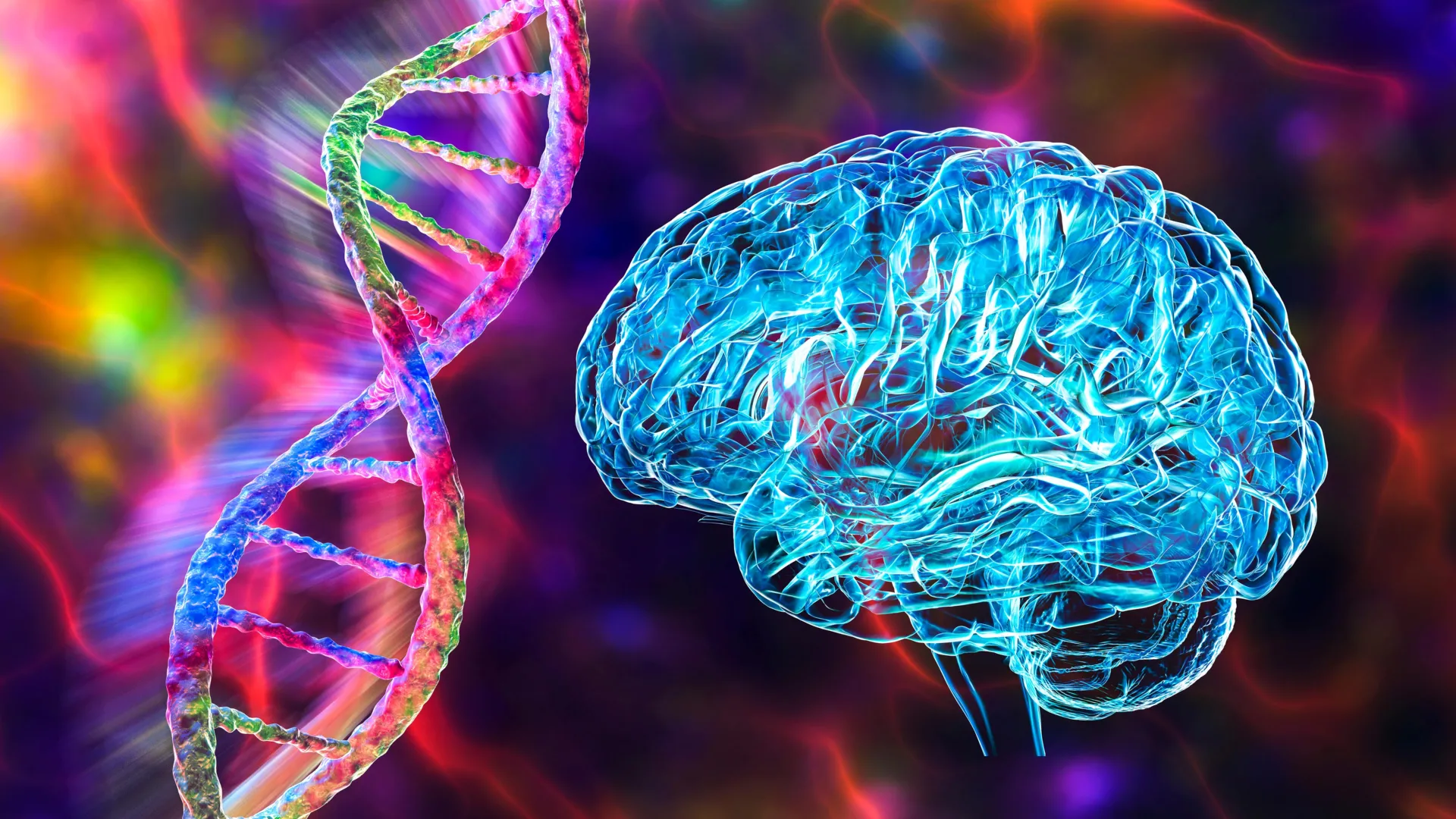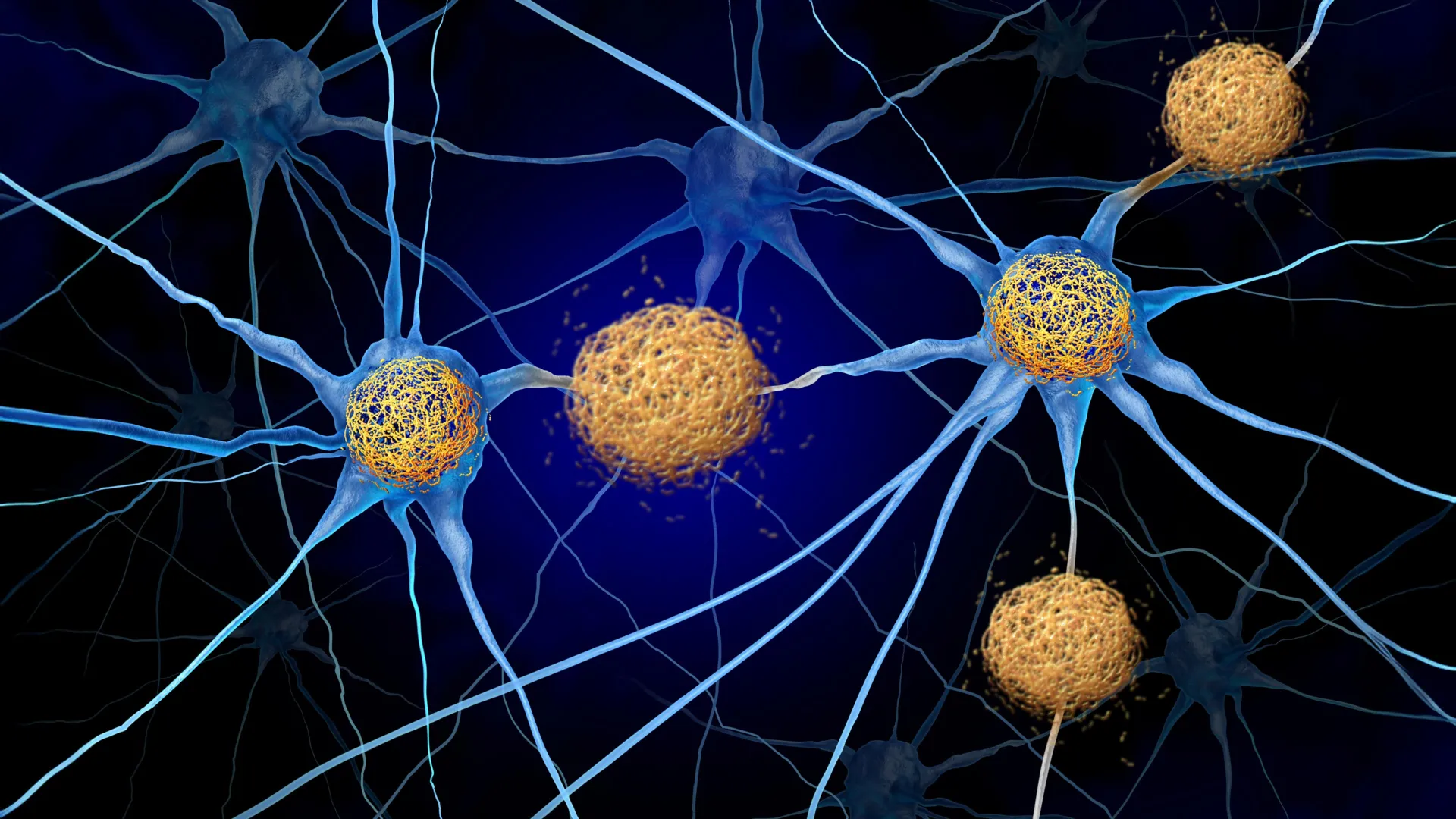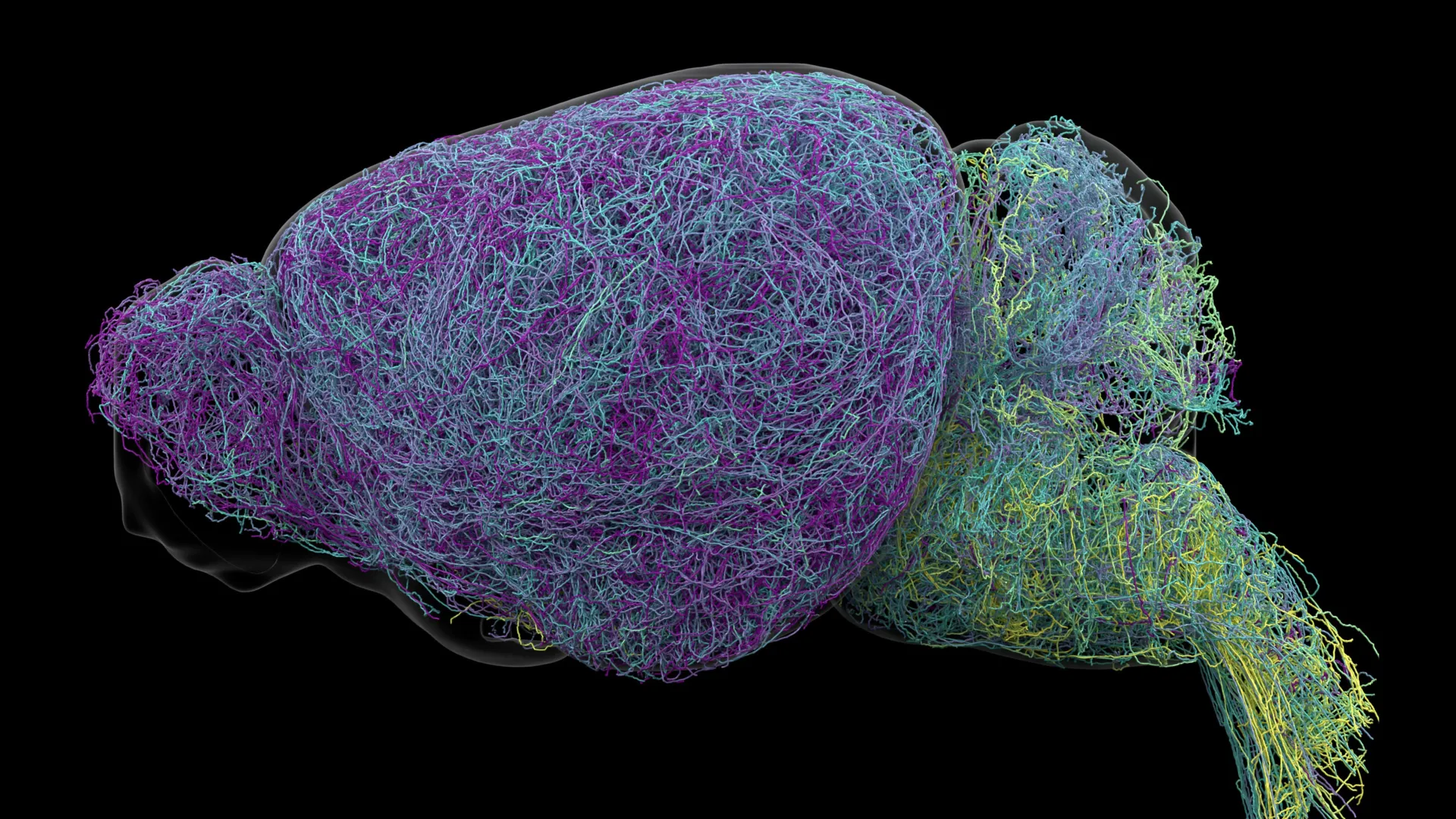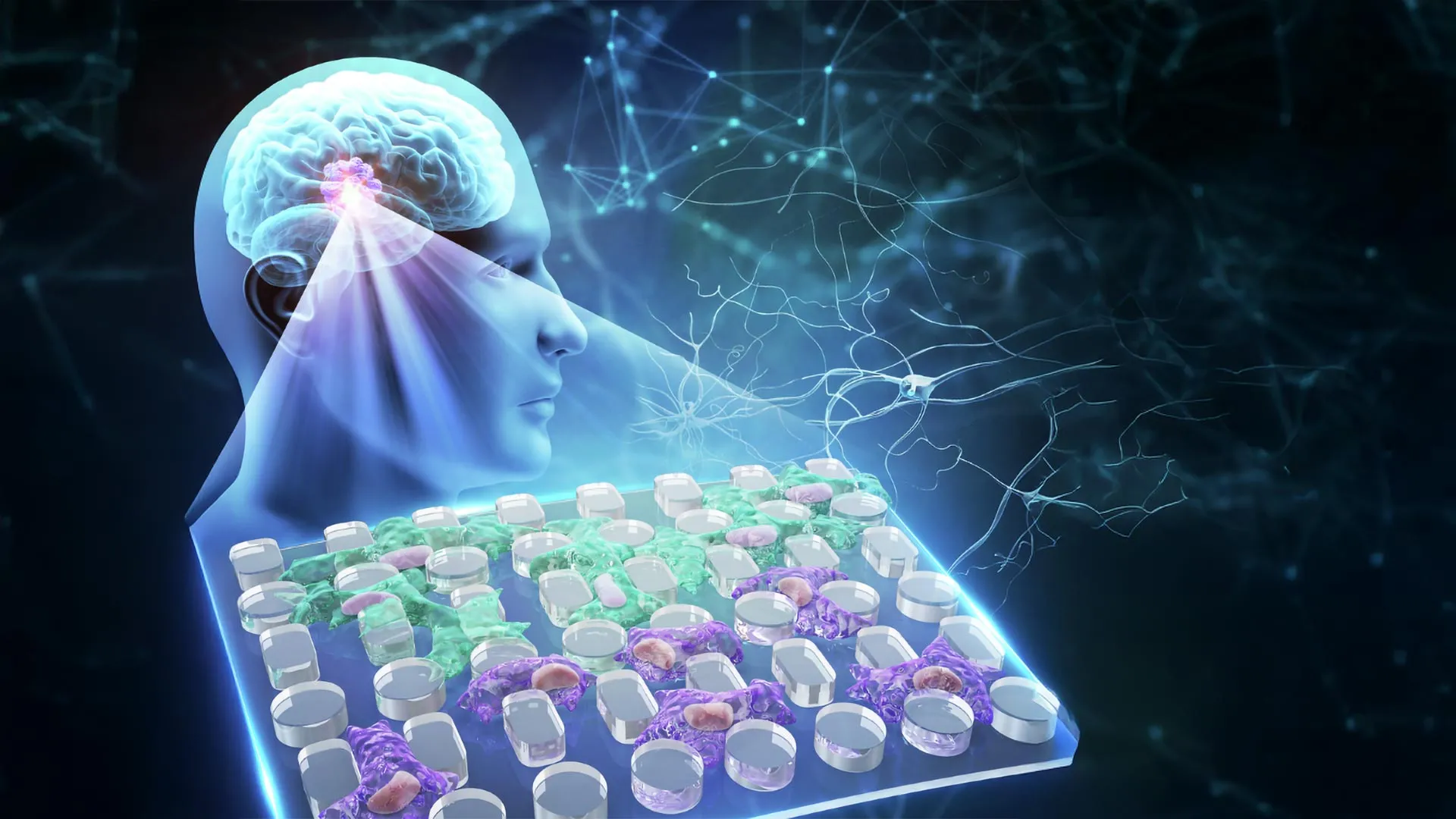
A collaborative research effort led by neurobiologist Professor Dr. Hilmar Bading at Heidelberg University has uncovered a fundamental molecular mechanism responsible for the progression of Alzheimer’s disease. In a study published in the journal Molecular Psychiatry, a joint team of scientists from Germany and Shandong University in China demonstrated that a specific, toxic protein interaction triggers the death of nerve cells, leading to the cognitive and memory deficits characteristic of the disease. By utilizing a sophisticated mouse model and a novel experimental compound, the researchers have not only mapped a previously misunderstood pathway of neurodegeneration but have also identified a potential pharmacological intervention that could revolutionize the treatment of Alzheimer’s and other neurodegenerative conditions.
The discovery centers on the formation of what researchers have termed a "death complex," a destructive pairing of two proteins that are otherwise essential for brain function. This breakthrough offers a departure from traditional Alzheimer’s research, which has long focused on the accumulation of beta-amyloid plaques as the primary driver of the disease. Instead, the Heidelberg team has focused on the downstream cellular processes that lead to actual cell death, providing a more direct target for therapeutic development.
The Architecture of the Death Complex: NMDAR and TRPM4
To understand the significance of the findings, it is necessary to examine the role of the NMDA receptor (NMDAR) and the TRPM4 ion channel. NMDA receptors are critical components of the central nervous system, serving as gated channels on the surface of nerve cells. They are primarily activated by glutamate, the brain’s most important excitatory neurotransmitter. Under normal conditions, NMDARs located within the synapses—the junctions where neurons communicate—are vital for neuroprotection, learning, and the preservation of memory.
However, the Heidelberg study highlights a dual nature of these receptors. While synaptic NMDARs promote cell survival, those located outside the synapses (extrasynaptic receptors) can initiate cell death pathways when overstimulated. The research team identified that the TRPM4 ion channel, a protein that regulates the flow of calcium and sodium into cells, interacts specifically with these extrasynaptic NMDA receptors.
Professor Hilmar Bading, who serves as the director of the Institute of Neurobiology at Heidelberg University’s Interdisciplinary Center for Neurosciences (IZN), explains that when TRPM4 binds to the NMDA receptor, it fundamentally alters the receptor’s behavior. This interaction creates a "death complex" that effectively "reprograms" the receptor from a tool for communication into a trigger for cellular suicide. This mechanism explains why glutamate, while essential for brain function, becomes neurotoxic in the context of Alzheimer’s disease—a phenomenon known as excitotoxicity.
Experimental Success with the TwinF Interface Inhibitor FP802
The research team sought to disrupt this toxic interaction using a specialized molecule known as FP802. Developed by Professor Bading’s team in previous years, FP802 is classified as a "TwinF Interface Inhibitor." The molecule is designed to target the specific physical interface, dubbed "TwinF," where the TRPM4 ion channel attaches to the NMDA receptor.
In rigorous testing using mouse models genetically engineered to exhibit Alzheimer’s-like pathology, the administration of FP802 yielded significant results. The molecule successfully bonded to the TwinF interface, preventing the two proteins from coupling. By breaking the "death complex," FP802 allowed the NMDA receptors to function without triggering the pathways that lead to cell death.
The data revealed that the levels of the NMDAR/TRPM4 complex were substantially higher in the brains of Alzheimer’s-afflicted mice than in healthy control groups. This suggests that the formation of the complex is not a random occurrence but a specific pathological hallmark of the disease’s progression.
Impact on Cellular Health and Memory Preservation
The physiological results of the FP802 treatment were profound. Dr. Jing Yan, a lead researcher on the study and formerly a member of Professor Bading’s laboratory, noted that the treated mice exhibited a marked slowing of disease progression. The study utilized various histological and behavioral metrics to quantify the drug’s efficacy.
One of the most critical findings was the preservation of synapses. In Alzheimer’s disease, the loss of synaptic connections typically precedes the death of the neurons themselves and is the most accurate predictor of cognitive decline. The mice treated with FP802 showed significantly higher synaptic density compared to the untreated Alzheimer’s group.
Furthermore, the study highlighted the protection of mitochondria—the "powerhouses" of the cell. Alzheimer’s disease is known to cause structural and functional damage to mitochondria, depriving neurons of the energy required to function and repair themselves. The intervention with FP802 prevented much of this mitochondrial decay, maintaining the metabolic health of the brain cells.
Most notably for potential human application, the behavioral data showed that the learning and memory abilities of the treated mice remained largely intact. While untreated mice struggled with spatial navigation and recognition tasks, those receiving the inhibitor performed at levels close to healthy controls. Additionally, the researchers observed a significant reduction in the buildup of beta-amyloid plaques. This suggests that the "death complex" is part of a feedback loop where cell death actually accelerates the formation of amyloid deposits, rather than amyloid being the sole cause of the damage.
A Chronology of Discovery and Research Evolution
The discovery of the NMDAR/TRPM4 death complex is the culmination of over a decade of research at the Heidelberg Interdisciplinary Center for Neurosciences.
- Early 2000s: Research into the "dual nature" of NMDA receptors begins, with scientists noticing that their location (synaptic vs. extrasynaptic) determined whether they were beneficial or harmful.
- 2017-2020: Professor Bading’s team identifies the TRPM4 ion channel as the specific partner that confers toxicity to extrasynaptic NMDA receptors. They identify the "TwinF" binding site.
- 2020-2022: The team develops FP802 and tests it in models of stroke and amyotrophic lateral sclerosis (ALS), finding that the same "death complex" plays a role in these acute and chronic neurodegenerative conditions.
- 2023-2024: The collaboration with Shandong University applies these findings specifically to Alzheimer’s disease, proving that the mechanism is a primary driver of the most common form of dementia.
This timeline illustrates a shift in the scientific community’s approach to neurodegeneration. For nearly thirty years, the "Amyloid Hypothesis" dominated the field, leading to dozens of failed clinical trials. The Heidelberg team’s work represents a new wave of research focusing on "neuroprotection"—keeping cells alive regardless of the presence of plaques.
Shifting the Paradigm: Beyond the Amyloid Hypothesis
The current landscape of Alzheimer’s treatment has been defined by drugs like lecanemab and aducanumab, which focus on clearing amyloid plaques from the brain. While these treatments have shown some success in slowing cognitive decline, they are often associated with significant side effects, such as brain swelling and bleeding, and their efficacy is modest.
Professor Bading argues that targeting the NMDAR/TRPM4 complex offers a more effective strategy because it addresses the "downstream" executioner of the cell. "Instead of targeting the formation or removal of amyloid from the brain, we are blocking a downstream cellular mechanism… that can cause the death of nerve cells and—in a disease-promoting feedback loop—promotes the formation of amyloid deposits," Bading stated.
By disrupting the feedback loop, FP802 addresses both the symptoms (cognitive decline) and the pathology (cell death and amyloid accumulation) simultaneously. This multi-pronged effect is what makes the "TwinF" inhibitor a particularly promising candidate for future therapy.
Broader Implications for ALS and Neurodegeneration
The implications of this study extend far beyond Alzheimer’s disease. The NMDAR/TRPM4 death complex appears to be a universal pathway for neuronal loss. Previous research by the Heidelberg group demonstrated that the same protein interaction is a major factor in Amyotrophic Lateral Sclerosis (ALS), a devastating motor neuron disease.
In ALS models, the "death complex" leads to the rapid degradation of motor neurons in the spinal cord and brain. The fact that FP802 has shown neuroprotective qualities in both ALS and Alzheimer’s models suggests that it could serve as a broad-spectrum neuroprotective agent. This could potentially offer hope for patients with Parkinson’s disease, Huntington’s disease, and even victims of traumatic brain injury or stroke, where excitotoxicity plays a major role in brain damage.
Future Outlook and Clinical Development
Despite the promising results in mouse models, the transition from laboratory success to human treatment remains a significant challenge. Professor Bading has cautioned that while the preclinical results are encouraging, the road to a clinical application is long and complex.
"The previous results are quite promising in the preclinical context, but comprehensive pharmacological development, toxicological experiments, and clinical studies are needed to realize a possible application in humans," Bading noted.
To facilitate this transition, the research is being advanced in collaboration with FundaMental Pharma, a spin-off company dedicated to bringing these neuroprotective inhibitors to market. The next steps involve refining the chemical structure of FP802 to ensure it can safely cross the human blood-brain barrier and remain stable in the human body over long periods.
The economic and social stakes of this research are immense. With an aging global population, the number of people living with dementia is expected to rise from 55 million to nearly 150 million by 2050. The development of a drug that can stop the progression of the disease, rather than just managing symptoms, would save healthcare systems trillions of dollars and improve the lives of millions of families.
The research was supported by a coalition of international bodies, including the German Research Foundation (DFG), the European Research Council (ERC), and the National Natural Science Foundation of China. This international backing underscores the global importance of finding a solution to the Alzheimer’s crisis. As FundaMental Pharma moves toward Phase I clinical trials, the scientific community will be watching closely to see if the "death complex" can finally be defeated in humans.