Researchers at the University of Cambridge have pioneered a transformative chemical technique that utilizes visible light to modify complex drug molecules, potentially eliminating the need for toxic reagents and streamlining the pharmaceutical manufacturing process. This breakthrough, detailed in a study published on March 12 in the journal Nature Synthesis, introduces a novel "anti-Friedel-Crafts" reaction that operates under mild conditions, offering a sustainable alternative to century-old methods that have long defined the limits of synthetic chemistry. By leveraging the power of LED technology, the research team has demonstrated a way to forge essential chemical bonds at the final stages of drug development, a feat that previously required dismantling and rebuilding molecules from scratch over several months.
A Paradigm Shift in Synthetic Chemistry
For over 140 years, the Friedel-Crafts reaction has served as a cornerstone of organic chemistry, essential for the construction of carbon-carbon bonds that form the structural backbone of medicines, plastics, and fuels. However, this traditional method comes with significant drawbacks. It typically requires harsh laboratory environments, including the use of corrosive acids, heavy metal catalysts, and high temperatures. Furthermore, because of its aggressive nature, the Friedel-Crafts reaction must usually be performed early in the synthesis of a drug. If a scientist wishes to make a minor adjustment to a complex molecule near the end of its development, they are often forced to return to the beginning of the process, wasting time and resources.
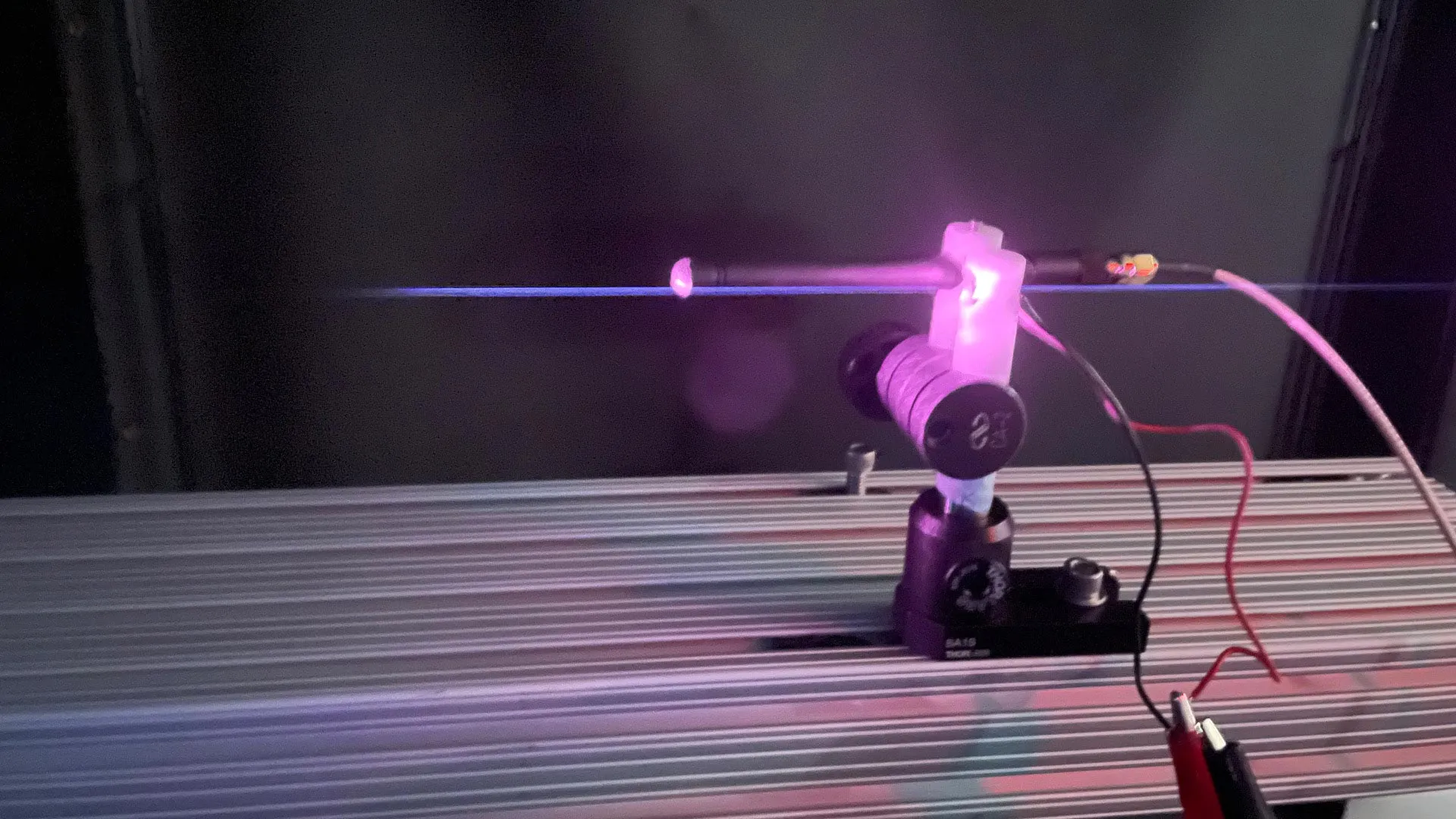
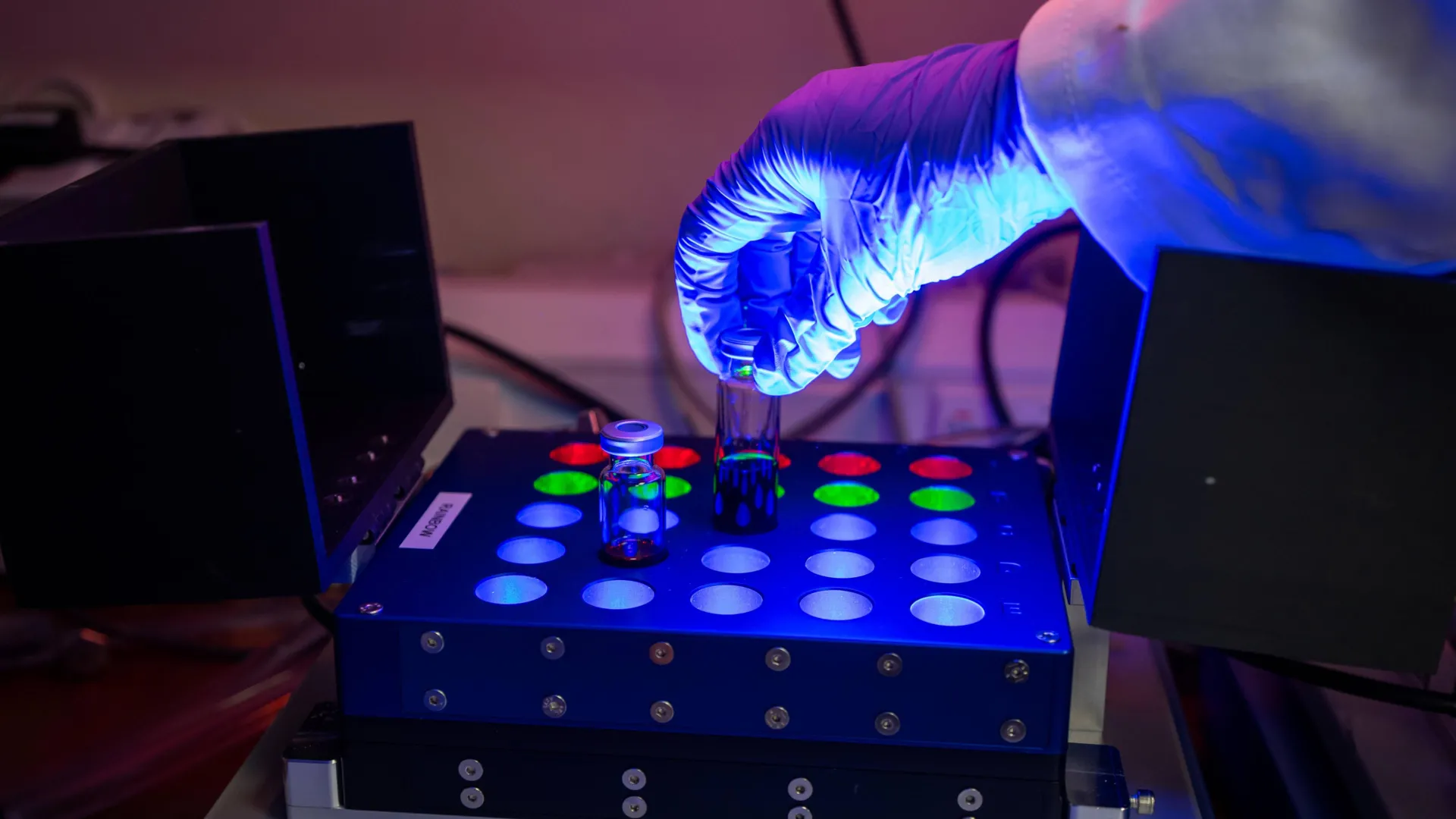
The Cambridge team, led by Professor Erwin Reisner of the Yusuf Hamied Department of Chemistry, has effectively inverted this workflow. Their "anti-Friedel-Crafts" approach allows for "late-stage functionalization," meaning chemists can now make precise, surgery-like modifications to a nearly finished drug candidate. This capability is powered not by volatile chemicals, but by a simple LED lamp operating at room temperature. When the light hits the reaction mixture, it triggers a self-sustaining chain reaction that facilitates the formation of carbon-carbon bonds without the environmental or financial burden of precious metal catalysts like palladium or platinum.
The Mechanism of Light-Activated Modification
The technical brilliance of the new method lies in its "high functional-group tolerance." In the world of medicinal chemistry, drug molecules are often decorated with various functional groups—specific clusters of atoms that determine how the drug interacts with the human body. Traditional high-energy reactions often inadvertently destroy or alter these sensitive groups while trying to change a different part of the molecule.
The Cambridge reaction is remarkably selective. It can be directed to modify one specific region of a complex molecule while leaving the rest of the structure entirely untouched. This precision is vital for the optimization phase of drug discovery, where scientists fine-tune a "hit" molecule to improve its efficacy, reduce side effects, or enhance its biological stability. By using light as the primary energy source, the researchers have created a "cleaner" chemical tool that operates under ambient conditions, drastically reducing the energy consumption typically associated with industrial-scale chemical synthesis.
Chronology of an Accidental Discovery
The path to this breakthrough was not a linear one. It began in the laboratories of the Reisner Group, which is widely recognized for its work on "artificial photosynthesis"—developing systems that use sunlight to convert waste products and carbon dioxide into sustainable fuels. David Vahey, a PhD researcher at St John’s College and the study’s first author, was initially investigating the use of specific photocatalysts to drive chemical reactions.
The "eureka" moment occurred during a routine control experiment. In a standard scientific protocol, researchers remove one variable to confirm its necessity; in this case, Vahey removed the photocatalyst he believed was essential for the reaction to occur. To his surprise, the reaction not only proceeded but, in some instances, worked more efficiently without the catalyst.
"Failure after failure, then we found something we weren’t expecting in the mess—a real diamond in the rough," Vahey remarked. Rather than dismissing the result as an error or a contaminated sample, the team spent months investigating the underlying mechanism. They discovered that the light itself, in combination with the specific starting materials, was enough to initiate a radical chain reaction. This serendipitous discovery highlights a recurring theme in scientific history: that some of the most profound advancements emerge from the investigation of unexpected anomalies.
Integrating Artificial Intelligence and Industrial Validation
To move the discovery from a laboratory curiosity to a practical industrial tool, the researchers integrated advanced technology and cross-sector collaboration. Working with machine learning experts at Trinity College Dublin, the team developed an AI algorithm capable of predicting how and where the reaction would occur on new, untested molecules.
In modern drug discovery, the sheer volume of data can be overwhelming for human researchers. The AI system analyzes patterns from known reactions to simulate outcomes, allowing chemists to identify the most promising drug variants before they ever pick up a test tube. This integration of "wet lab" chemistry and "dry lab" informatics significantly reduces the trial-and-error phase of research.
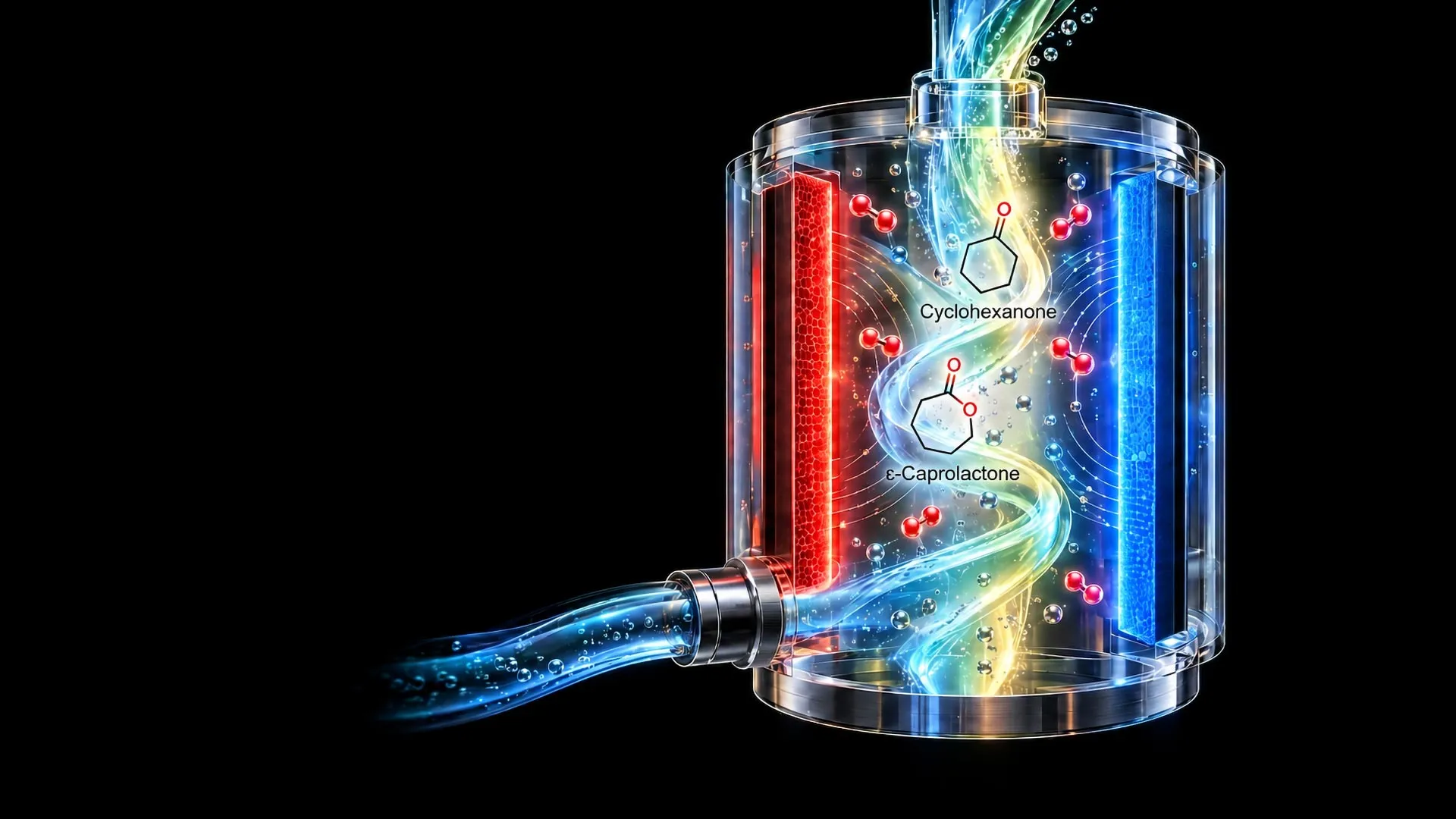
Furthermore, the team collaborated with the pharmaceutical giant AstraZeneca to test the reaction’s viability in a real-world manufacturing context. They successfully adapted the technique for "continuous flow systems"—a method of production where chemicals are pumped through a series of tubes rather than mixed in large batches. This is the preferred method for large-scale industrial manufacturing, suggesting that the Cambridge technique could be rapidly adopted by the global pharmaceutical industry.
Environmental Impact and the "Green Chemistry" Mandate
The pharmaceutical industry is under increasing pressure to reduce its environmental footprint. The production of medicines is notoriously resource-intensive, often generating significant amounts of chemical waste for every kilogram of final product produced—a metric known as the "E-factor."
By eliminating heavy metals and reducing the number of steps required to synthesize a drug, the light-driven reaction offers a path toward "Green Chemistry." Professor Reisner, who serves as the Professor of Energy and Sustainability at Cambridge, emphasized that transitioning the chemical industry is a critical component of the broader global energy transition. "This is a new way to make a fundamental carbon-carbon bond," Reisner said. "It means chemists can avoid an undesirable and inefficient drug modification process, moving toward greener manufacturing techniques."
The reduction in synthesis steps does more than just save time; it cuts down on the consumption of solvents, the energy required for heating and cooling reactors, and the costs associated with disposing of toxic metal byproducts.
The Context of Scientific Serendipity
The accidental nature of Vahey’s discovery places it within a storied tradition of scientific breakthroughs. History is replete with examples where a "failed" experiment or an unexpected observation revolutionized human knowledge.
- X-rays (1895): Wilhelm Conrad Röntgen’s observation of a glowing screen led to a diagnostic tool that transformed internal medicine.
- Radioactivity (1898): Marie Curie’s investigation into why certain minerals were more active than pure uranium laid the groundwork for nuclear physics.
- Vulcanized Rubber (1839): Charles Goodyear’s accidental heating of rubber and sulfur created the durable material essential for modern transport.
- Penicillin (1928): Alexander Fleming’s mold-contaminated Petri dish introduced the age of antibiotics.
- Teflon (1938): Roy Plunkett’s failed refrigerant experiment resulted in one of the world’s most slippery and heat-resistant substances.
- Super Glue (1942): Harry Coover’s attempt to create clear plastic gun sights led to the discovery of cyanoacrylate adhesives.
- LSD (1943): Albert Hofmann’s accidental absorption of a synthesized compound opened new doors in neuroscience.
- Pulsars (1967): Jocelyn Bell Burnell’s "scruff" in radio telescope data revealed the existence of rapidly rotating neutron stars.
- Viagra (1990s): Originally intended for heart disease, the drug’s unexpected side effects created a new class of medication for erectile dysfunction.
- Weight Loss Injections (2021): The discovery that GLP-1 agonists, designed for diabetes, caused significant weight loss has shifted the paradigm of obesity treatment.
The Cambridge discovery follows this pattern of "recognizing the value in the unexpected," as Reisner put it. It underscores the importance of human intuition in an era increasingly dominated by automated processes and AI.
Future Outlook and Broader Implications
The implications of the Cambridge study extend far beyond the laboratory. By making it easier and cheaper to explore "chemical space"—the astronomical number of possible molecular combinations—this technique could lead to the discovery of treatments for diseases that are currently difficult to target.
As the chemical industry seeks to decouple its growth from environmental degradation, the "anti-Friedel-Crafts" reaction serves as a proof of concept for a future where light is a primary reagent. While the current focus is on pharmaceuticals, the ability to form carbon-carbon bonds under mild conditions could eventually influence the production of specialty chemicals, advanced materials, and sustainable polymers.
For the researchers at Cambridge, the focus now shifts to how the wider scientific community and industry partners will implement this tool. The transition from a "good day in the lab" to a global industrial standard will require further refinement, but the foundation has been laid for a more efficient, sustainable, and innovative era of drug development. The study stands as a testament to the fact that even in a field as established as organic chemistry, there are still fundamental "diamonds" waiting to be found in the rough of failed experiments.