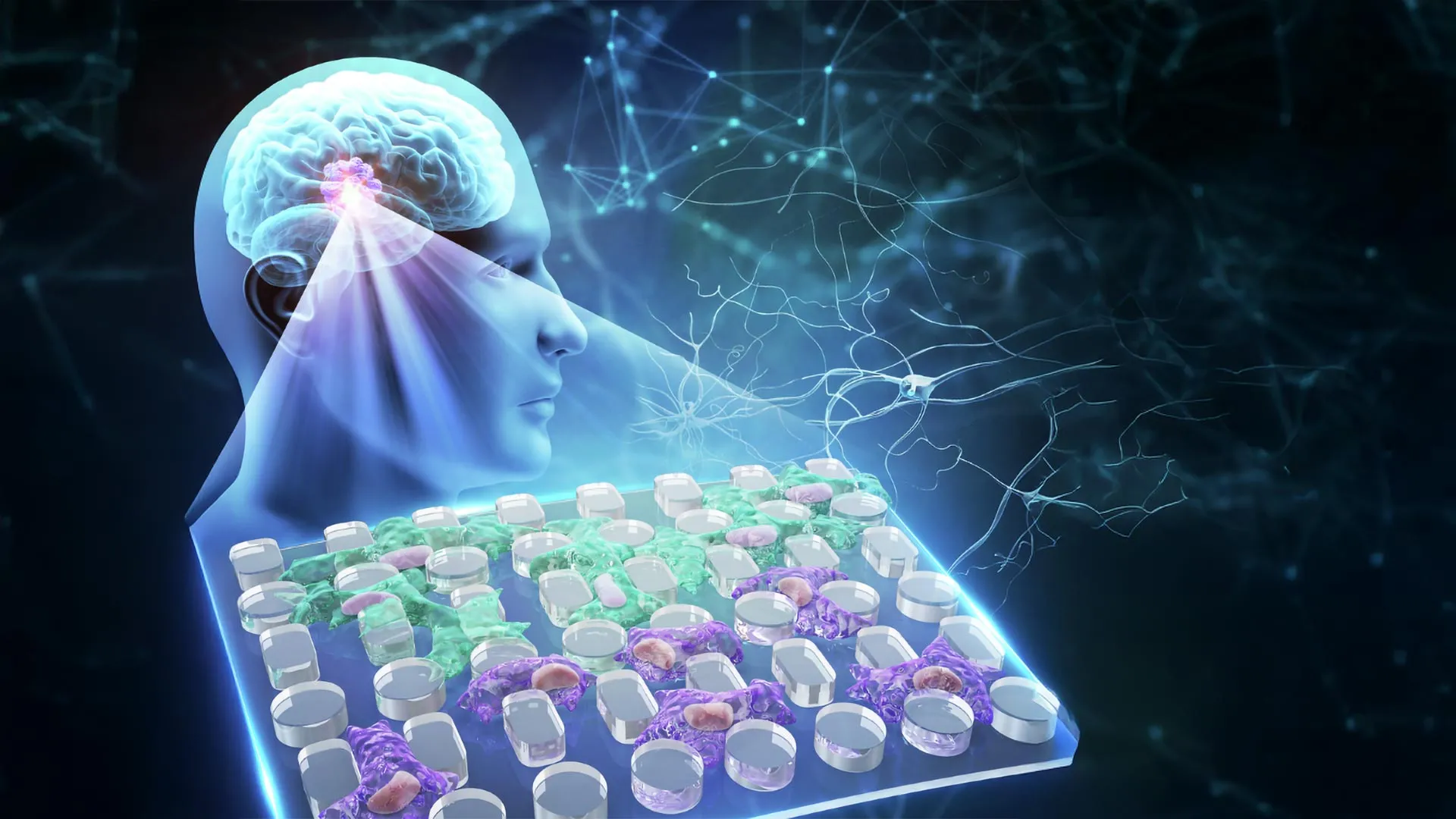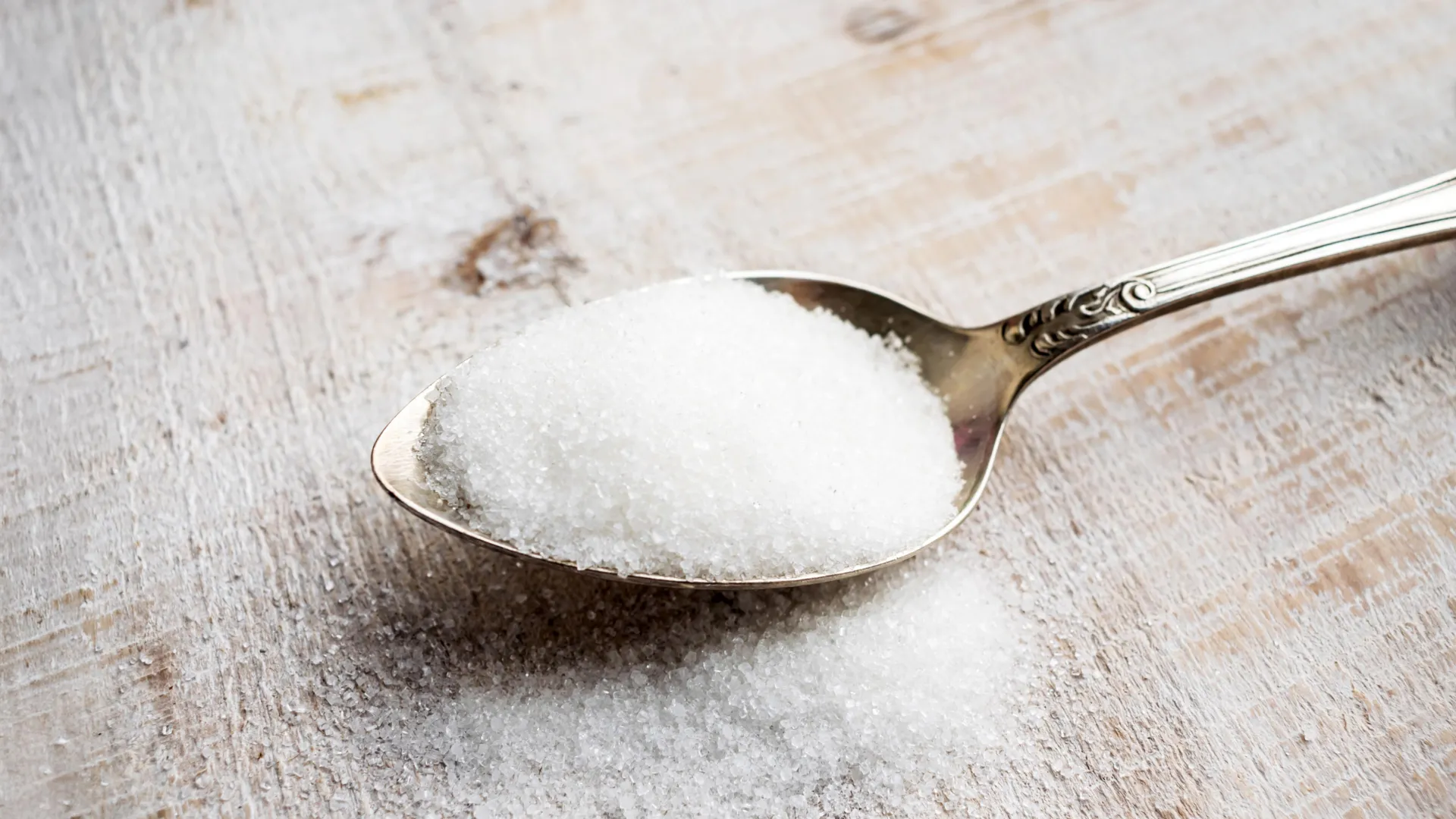
A longitudinal study published in Neurology, the medical journal of the American Academy of Neurology, has identified a significant association between the high consumption of low-calorie sweeteners and an accelerated decline in cognitive functions among adults. The research, which tracked nearly 13,000 individuals over the course of eight years, suggests that while sugar substitutes are frequently marketed as healthier alternatives to refined sugar, their long-term impact on brain health may be detrimental. The findings are particularly pronounced among middle-aged adults and those living with diabetes, raising new questions about the ubiquitous presence of these additives in the global food supply.
The study followed 12,772 participants from the Brazilian Longitudinal Study of Adult Health (ELSA-Brasil). With an average age of 52 at the study’s inception, the cohort represented a critical demographic for observing the early stages of cognitive aging. Over the eight-year monitoring period, researchers meticulously documented dietary habits and administered a battery of neuropsychological tests to measure changes in memory, language, and executive function. The results revealed a clear dose-response relationship: individuals with the highest intake of artificial and natural low-calorie sweeteners experienced a 62% faster rate of cognitive decline compared to those with the lowest intake.
Methodology and the Scope of Sweetener Consumption
To establish a baseline, researchers utilized comprehensive food frequency questionnaires that required participants to recall their consumption of specific foods and beverages over the preceding 12 months. This data allowed the team to categorize participants into three distinct groups based on their total daily intake of seven common sweeteners: aspartame, saccharin, acesulfame K, erythritol, xylitol, sorbitol, and tagatose.
The quantitative gap between the consumption groups was stark. Participants in the lowest tier consumed an average of only 20 milligrams of sweeteners per day. In contrast, those in the highest tier averaged 191 milligrams per day. To put these figures into a practical context, the researchers noted that the amount of aspartame consumed by the highest group was roughly equivalent to the amount found in a single 12-ounce can of diet soda. Despite what many consumers might consider a moderate habit—one diet beverage per day—the data suggests this level of consumption is sufficient to correlate with measurable changes in brain performance over time.
Sorbitol emerged as the most heavily consumed individual sweetener in the study, with an average daily intake of 64 mg/day among the participants. This is likely due to its dual role as both a sweetener and a humectant in a wide array of products, ranging from sugar-free chewing gum and candies to toothpastes and pharmaceutical syrups.
Quantifying Cognitive Erosion and Biological Aging
The primary metric for the study was the rate of change in cognitive performance, assessed at the start, midpoint, and conclusion of the eight-year period. The researchers utilized standardized tests to evaluate several domains of brain health:
- Verbal Fluency: The ability to retrieve information quickly from memory, often tested by asking participants to name as many words as possible within a specific category (such as animals) in 60 seconds.
- Working Memory: The capacity to hold and manipulate information over short periods, essential for reasoning and decision-making.
- Processing Speed: The time it takes for the brain to perceive, understand, and respond to external stimuli.
The findings were adjusted to account for confounding variables, including age, biological sex, educational level, smoking status, physical activity, and pre-existing conditions like hypertension and cardiovascular disease. Even after these adjustments, the high-intake group showed a 62% faster decline in global cognition. Researchers estimated that this acceleration was equivalent to roughly 1.6 additional years of biological brain aging. Even the middle-consumption group was not immune, showing a 35% faster decline than the low-consumption group, an effect comparable to 1.3 years of additional aging.
The Vulnerability of the Middle-Aged and Diabetic Populations
One of the most striking aspects of the study was the age-specific divergence in results. The association between sweetener intake and cognitive decline was significantly stronger in participants under the age of 60. In this younger cohort, high consumption was linked to a rapid drop-off in verbal fluency and overall cognitive scores. Interestingly, the researchers did not find the same statistically significant association among participants who were already over the age of 60 at the start of the study. This suggests that the middle-aged brain may be particularly susceptible to the metabolic or neurochemical shifts induced by these substances, or that the cumulative effect of these sweeteners takes hold during the decades leading up to senior citizenship.
Furthermore, the study highlighted a heightened risk for individuals with diabetes. People with diabetes often rely heavily on sugar substitutes to manage glycemic levels while satisfying a preference for sweetness. Dr. Claudia Kimie Suemoto, the study’s lead author from the University of São Paulo, noted that this reliance might inadvertently trade one health risk for another. "While we found links to cognitive decline for middle-aged people both with and without diabetes, people with diabetes are more likely to use artificial sweeteners as sugar substitutes," Suemoto explained. The data suggests that for this population, the "safe" alternative to sugar may have unforeseen neurological costs.
Specific Sweeteners Under Scrutiny
When the researchers isolated the individual effects of the seven sweeteners, six were independently linked to accelerated memory loss and cognitive decline:
- Aspartame: Found in thousands of "diet" and "zero-sugar" products.
- Saccharin: One of the oldest artificial sweeteners, often used in tabletop packets.
- Acesulfame K: Frequently blended with other sweeteners to mask bitter aftertastes in soft drinks.
- Erythritol: A sugar alcohol that has gained massive popularity in "keto" and low-carb baking.
- Sorbitol: Commonly found in sugar-free snacks and oral care products.
- Xylitol: Widely used in sugar-free gum and known for its dental benefits, yet linked here to cognitive trends.
Tagatose was the sole exception in the study, showing no significant association with cognitive decline. Tagatose is a functional sweetener that is chemically similar to fructose but metabolized differently, and it is less commonly found in mass-produced ultra-processed foods compared to the other six substances.
Contextualizing the Findings: The Rise of Ultra-Processed Foods
The study’s findings arrive amid a growing global discourse regarding the health impacts of ultra-processed foods (UPFs). Sweeteners are a hallmark of the UPF category, used to maintain palatability in products where fat or sugar has been removed. Flavored waters, energy drinks, "light" yogurts, and low-calorie desserts are primary vehicles for these additives.
In 2023, the World Health Organization (WHO) issued a conditional guideline recommending against the use of non-sugar sweeteners (NSS) to control body weight or reduce the risk of non-communicable diseases. The WHO cited potential long-term effects such as an increased risk of type 2 diabetes and cardiovascular diseases. This latest research from Brazil adds a neurological dimension to those warnings, suggesting that the "diet" industry’s reliance on these chemicals may have implications for the global burden of dementia and cognitive impairment.
Scientific Limitations and the Need for Causality
While the study is robust in its scale and duration, the authors were careful to note its limitations. As an observational study, it can identify correlations but cannot definitively prove that sweeteners cause the brain to age faster. There is a possibility of "reverse causality," where individuals already experiencing subtle cognitive shifts might change their diets in ways that include more sugar substitutes.
Additionally, the reliance on self-reported dietary data is a known hurdle in nutritional science. Participants may underreport their intake of "unhealthy" snacks or simply fail to remember every ingredient in their diet. Furthermore, the study did not include every sweetener on the market, such as stevia or monk fruit, meaning the results cannot be generalized to all sugar alternatives.
Future Implications for Public Health
The research, supported by the Brazilian Ministry of Health and various national scientific councils, signals a need for a re-evaluation of dietary recommendations. If further clinical trials confirm these findings, public health officials may need to reconsider the labeling of sugar substitutes and the "health halo" often granted to diet products.
Dr. Suemoto emphasized the importance of exploring traditional alternatives that, while containing calories, are less refined. "More research is needed to confirm our findings and to investigate if other refined sugar alternatives, such as applesauce, honey, maple syrup or coconut sugar, may be effective alternatives," she stated.
As the global population ages and the prevalence of cognitive disorders like Alzheimer’s disease continues to rise, identifying modifiable risk factors in the middle-aged diet remains a top priority for the medical community. For now, the study serves as a cautionary note for consumers: the path to brain health may not be found in a "zero-calorie" label, but rather in a return to whole, minimally processed foods.