


In a significant development poised to accelerate drug discovery, Immuto Scientific, a biotech firm co-founded in 2018 by CEO Faraz A. Choudhury, Ph.D., and CTO Daniel Benjamin, Ph.D., both electrical engineers by training, is leveraging an innovative AI-assisted mass spectrometry platform to dramatically increase the throughput of protein structure determination. This novel approach presents a compelling alternative and complement to established, yet often bottlenecked, techniques like cryo-electron microscopy (cryo-EM), particularly for critical applications such as antibody-antigen analysis. The company asserts that its platform can process approximately 1,000 samples per week, translating to the elucidation of roughly 100 protein structures within the same timeframe, a speed that could fundamentally reshape the timelines of preclinical research and therapeutic development.
The Enduring Challenge of Structural Biology
The detailed understanding of protein structures is paramount to modern drug discovery. Proteins are the workhorses of the cell, and their three-dimensional architecture dictates their function, their interactions with other molecules, and ultimately, their suitability as therapeutic targets. For decades, techniques like X-ray crystallography and, more recently, nuclear magnetic resonance (NMR) spectroscopy and cryo-electron microscopy (cryo-EM) have been the pillars of structural biology. While these methods have delivered invaluable insights, they are often characterized by significant technical hurdles, high costs, and protracted timelines.
Cryo-EM, a Nobel Prize-winning technology, has revolutionized the ability to visualize large protein complexes and challenging targets, offering near-atomic and, in favorable instances, atomic-resolution protein structures. Its rise has been particularly impactful for membrane proteins and other targets difficult to crystallize. However, the path from sample preparation to a resolved structure in cryo-EM is fraught with challenges. The meticulous process of preparing high-quality samples, optimizing grids for electron microscopy, and then painstakingly collecting and processing vast datasets can often extend over weeks or even months. As Daniel Benjamin, Ph.D., Immuto Scientific’s co-founder and CTO, noted in an interview, "Even in well-run cryo-EM pipelines, moving from sample to structure often takes weeks and can stretch longer depending on the difficulty of the target and the optimization required." These iterations of sample preparation and grid screening represent a well-known bottleneck, demanding specialized equipment, substantial financial investment—often several million dollars for a single microscope and associated infrastructure—and highly specialized expertise.
Benjamin acknowledged the continued relevance of cryo-EM, stating, "Cryo-EM is always going to be a relevant tool, especially for proteins that haven’t been solved yet." He emphasized its capability to provide "a full three-dimensional structure at atomic resolution." Yet, the limitations in throughput and accessibility underscore the critical need for complementary or alternative technologies that can accelerate specific workflows, particularly in the fast-paced environment of biopharmaceutical research.
Immuto’s Innovative Solution: AI-Powered Mass Spectrometry
Immuto Scientific’s platform offers a distinct value proposition by combining the analytical power of mass spectrometry with the predictive and interpretive capabilities of artificial intelligence. Mass spectrometry, a technique that measures the mass-to-charge ratio of ions, has long been used to identify and quantify molecules. However, its application to complex protein structural analysis at a high throughput has historically been limited. Immuto’s innovation lies in its AI-driven interpretation of mass spectrometry data, which enables the rapid extraction of residue-level structural information.
"Our technology gives residue-level information, but the barrier to entry is quite a bit lower running a mass spectrometer," Benjamin highlighted. This accessibility and ease of use contrast sharply with the specialized infrastructure and operational complexity associated with cryo-EM facilities. The practical implications of this lower barrier are significant, potentially democratizing access to crucial structural insights for a broader range of research institutions and biotech companies.
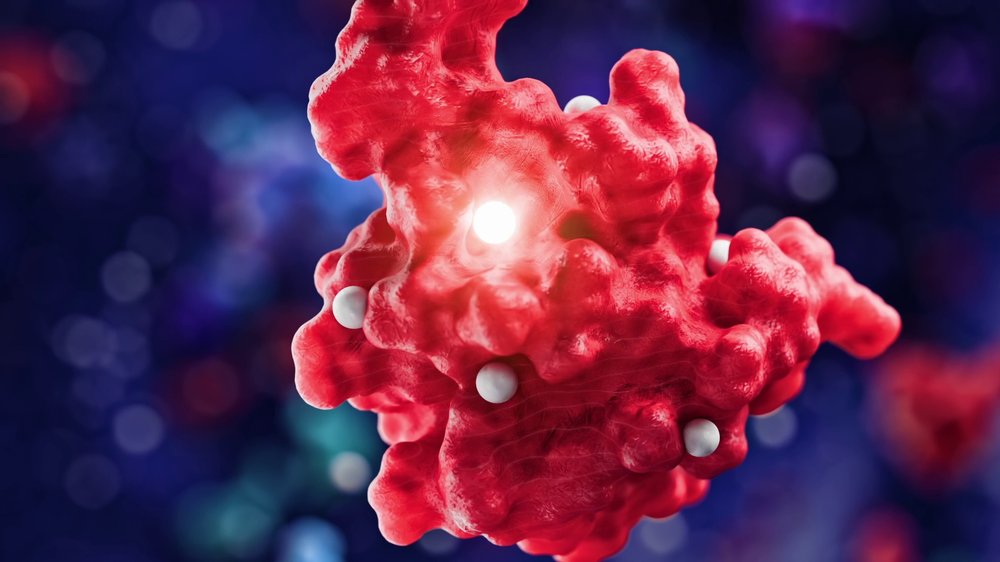
Beyond speed and accessibility, Immuto’s method offers unique advantages in probing protein dynamics. While cryo-EM excels at capturing high-resolution "snapshots" of proteins, it can struggle with inherent flexibility and disorder—critical aspects of protein function that are often difficult to resolve in a single, rigid structure. Immuto’s approach can overcome these limitations, allowing researchers to investigate proteins in their native environments, including living cells, and to track dynamic structural changes. This capability is particularly valuable for understanding conformational shifts, allosteric regulation, and the transient interactions that characterize many biological processes and drug mechanisms.
The Synergy with AI Prediction Models
The field of structural biology has been profoundly impacted by the advent of artificial intelligence, most notably with DeepMind’s AlphaFold, which has demonstrated unprecedented accuracy in predicting static protein structures from amino acid sequences. Tools like AlphaFold, Boltz, Chai, and ByteDance’s Protenix have ushered in an era where generating plausible protein structures, including complex antibody-antigen interactions, is increasingly feasible. However, a significant challenge remains: distinguishing the correct structure from a multitude of computationally generated possibilities.
As Benjamin explained, "If you were to output, let’s say, 1,000 different possible structures, the correct structure will be in there, but it won’t necessarily be the top-ranked structure." This is where Immuto’s AI-assisted mass spectrometry platform provides a crucial empirical bridge. By generating experimental data that serves as real-world constraints, Immuto’s platform can effectively filter and rank these computationally predicted structures, guiding researchers to the most accurate models. Benjamin enthusiastically described the results as "almost dead on with what you would see with Cryo-EM," underscoring the power of combining predictive AI with high-throughput experimental validation. This synergy addresses a critical limitation of purely in silico prediction, ensuring that structural models are grounded in empirical evidence.
Reimagining Antibody Development
The application of Immuto’s technology to antibody-antigen structure determination is particularly impactful. Antibodies represent a rapidly growing class of therapeutics, especially in oncology and immunology. The precise characterization of how an antibody binds to its target antigen—the epitope—is fundamental to understanding its mechanism of action, optimizing its affinity, and minimizing off-target effects.
Immuto’s structure-based approach to antibody discovery represents a strategic shift from conventional methods that often prioritize initial binding strength. Benjamin elaborated on their philosophy: "We intentionally start with medium- or low-affinity binders just to ensure they are binding to the exact right epitope. Once we know it binds to the right site, we can engineer all the binding affinity we need." This epitope-first strategy is designed to identify antibodies that bind to functionally relevant and therapeutically advantageous sites on the antigen, potentially leading to more effective and safer drug candidates. By securing the correct binding site early in the discovery process, subsequent affinity maturation efforts can be more targeted and efficient, reducing the risk of developing antibodies that, despite high affinity, lack desired therapeutic properties due to suboptimal epitope recognition.
Strategic Collaborations and Internal Programs
Immuto Scientific is not merely a technology platform provider; it is also translating its innovative capabilities into a robust therapeutic pipeline. The company’s internal pipeline is strategically focused on oncology, a field where the precise understanding of protein interactions is vital for developing targeted therapies. Immuto’s lead program is "gearing up to enter the clinic in 2027," marking a significant milestone in its transition from a technology innovator to a drug developer.
Further underscoring its impact and credibility, Immuto announced a strategic partnership last year with Daiichi Sankyo, a global pharmaceutical company renowned for its oncology portfolio. This collaboration focuses on a solid-tumor program, encompassing novel target discovery and antibody development. Such partnerships are critical for emerging biotech companies, providing validation of their technology, access to broader resources, and a clear path for clinical translation. The collaboration with Daiichi Sankyo highlights the industry’s recognition of Immuto’s potential to accelerate the identification of new therapeutic targets and the development of highly specific antibodies.

Expanding Biological Horizons
The versatility of Immuto’s platform is evident in the range of biological systems it has successfully explored. The company began its validation process with standard human cell lines, gradually expanding its capabilities to more complex and physiologically relevant models. This progression includes single-cell suspensions, 2D and 3D cultures, and even patient-derived tumors and organoids. Benjamin noted, "We’ve even used our technology to look at tissue resections."
This emphasis on patient-derived models is particularly crucial in oncology, where tumor heterogeneity and the microenvironment play significant roles in drug response. Immortalized cell lines, while useful for initial screening, often fail to fully capture the native biology and genetic diversity observed in patient tumors. By leveraging patient-derived models, Immuto aims to discover targets and develop antibodies that are more likely to be effective in a clinical setting, paving the way for more personalized and precise cancer therapies. This capability to analyze proteins in complex, biologically relevant contexts further differentiates Immuto’s platform, moving beyond the traditional limitations of in vitro studies.
Demonstrating Efficacy at PEGS
The scientific community eagerly anticipates the first public performance data for Immuto’s v1 antibody-antigen model. Daniel Benjamin plans to unveil these results at the upcoming PEGS conference, a prominent event for protein engineering, antibody development, and biotherapeutics. The model, trained and validated on approximately 30 to 40 structures, is specifically designed for antibody-antigen structure determination—an area where the ranking and selection of computationally predicted structures continue to pose significant challenges for existing AI tools. The presentation at PEGS will provide crucial empirical evidence of the platform’s accuracy and throughput, offering a detailed look at how Immuto’s technology integrates experimental data with AI to refine structural predictions.
Disrupting the Drug Discovery Landscape
Immuto Scientific’s approach represents a significant leap forward in structural biology and drug discovery. By addressing the critical bottlenecks of speed, cost, and complexity associated with traditional structural methods, the company is poised to accelerate the identification and characterization of novel therapeutic candidates. The ability to rapidly generate residue-level structural information, especially for dynamic proteins and in complex biological systems, opens new avenues for understanding disease mechanisms and designing more effective drugs.
The integration of AI with high-throughput mass spectrometry is not merely an incremental improvement; it is a transformative shift. It empowers researchers to move beyond static, isolated views of proteins towards a more dynamic and physiologically relevant understanding. This paradigm shift has profound implications for the entire drug discovery pipeline, from early target identification and validation to lead optimization and preclinical development. Faster structural elucidation means faster iteration cycles, enabling drug developers to explore more candidates and optimize therapeutic properties with unprecedented efficiency.
The collaboration with Daiichi Sankyo and Immuto’s burgeoning internal oncology pipeline underscore the commercial and clinical viability of this technology. As the pharmaceutical industry continues to seek ways to reduce the time and cost associated with bringing new drugs to market, platforms like Immuto’s, which combine cutting-edge AI with accessible experimental techniques, will become indispensable. The future of structural biology, and indeed drug discovery, is increasingly likely to be a synergistic blend of powerful AI prediction and rapid, empirically constrained experimental validation, with Immuto Scientific leading the charge in this exciting new frontier.
















Leave a Reply