The pharmaceutical industry is witnessing a profound evolution in cancer treatment, driven by the escalating demand for highly targeted therapies. In this dynamic landscape, Peptide Drug Conjugates (PDCs) are emerging as a critical frontier, promising enhanced efficacy with reduced off-target toxicity. Reflecting this burgeoning interest, Indena, a leading player in the discovery and production of active pharmaceutical ingredients (APIs) derived from natural sources, and Chemi S.p.A., part of the Italfarmaco Group and a specialist in the synthesis of complex molecules, have announced a strategic collaboration. This partnership underscores the growing industry recognition of PDCs as a sophisticated therapeutic modality and the vital importance of specialized manufacturing expertise to translate their potential into tangible patient benefits. The alliance is designed to leverage each company’s distinct strengths, positioning them as key enablers for biopharmaceutical innovators venturing into the complex realm of PDC development and production.
The collaboration between Indena and Chemi S.p.A. is a clear indicator of a broader industry trend: a strategic pivot towards specialized partnerships. As the complexity of drug development intensifies, particularly in the realm of targeted therapies, pharmaceutical and biotechnology companies are increasingly seeking external expertise to navigate multifaceted scientific and manufacturing challenges. This strategic shift recognizes that internal capabilities, while robust, may not always encompass the highly specialized skill sets required for emerging therapeutic platforms like PDCs. The agreement between Indena and Chemi S.p.A. exemplifies this approach, bringing together Indena’s established proficiency in the manufacturing of high-potency active pharmaceutical ingredients (HPAPIs) and complex chemical syntheses with Chemi S.p.A.’s deep-rooted expertise in peptide chemistry and industrial-scale production. This synergy is crucial for addressing the intricate requirements of PDC development, which span peptide synthesis, linker chemistry, payload integration, and rigorous analytical validation.
This strategic alliance is not an isolated event but rather a reflection of the significant investments being made across the pharmaceutical sector in therapies designed to precisely target diseased cells while minimizing collateral damage to healthy tissues. The success of Antibody Drug Conjugates (ADCs) has paved the way, demonstrating the substantial commercial and clinical viability of targeted delivery systems, especially within oncology. However, the industry’s gaze is increasingly shifting towards PDCs, perceived by many as a complementary and potentially more adaptable therapeutic platform. PDCs offer a unique set of advantages that are driving this heightened interest.
The Mechanics and Promise of Peptide Drug Conjugates
At their core, PDCs are sophisticated hybrid molecules engineered to deliver potent therapeutic agents directly to disease sites. They are typically comprised of three fundamental components: a targeting peptide, a chemical linker, and a cytotoxic or therapeutic payload. The primary function of the targeting peptide is to identify and bind to specific receptors overexpressed on the surface of diseased cells, thereby ensuring that the potent drug payload is delivered with unparalleled precision.
The key differentiator between PDCs and their well-established counterparts, ADCs, lies in their targeting moiety. ADCs utilize monoclonal antibodies (mAbs), which are large protein molecules, to direct the payload. In contrast, PDCs employ peptides, which are significantly smaller chains of amino acids. This structural difference has profound implications for both drug design and manufacturing processes.
The diminutive size of peptides offers several potential advantages. Their smaller molecular weight can facilitate deeper penetration into solid tumors, potentially reaching disease sites that are difficult for larger antibody-based therapies to access. Furthermore, peptides can be more amenable to synthesis and scale-up compared to complex biologic antibodies. This potential for simplified manufacturing could translate into reduced production complexity, lower costs, and improved scalability, making PDCs an attractive option for wider clinical application and commercialization. Another area of active research suggests that peptide-based targeting systems may exhibit reduced immunogenicity in certain therapeutic contexts. This could potentially lower the risk of adverse immune responses, further enhancing their therapeutic profile and patient tolerance.
These inherent characteristics are fueling a considerable surge in interest within the PDC sector. While the PDC market is still considered to be in its nascent stages, with precise standalone market figures remaining somewhat elusive, the pace of development activity has accelerated dramatically in recent years. Prominent industry players such as Merck & Co., PeptiDream, Tandem Therapeutics, and AnexAPep are actively engaged in research and development efforts related to PDCs or complementary peptide therapeutic platforms. This heightened activity signals a growing consensus regarding the future potential of this therapeutic modality.
The ADC Success Story as a Precedent for PDC Ambitions
The significant enthusiasm surrounding PDCs is largely influenced by the remarkable commercial trajectory of ADCs. The global ADC market has experienced explosive growth, expanding from an estimated $1.6 billion in 2017 to a substantial $13.6 billion by 2024, according to data from the GlobalData Epidemiology and Market Size Database. Projections indicate that this market is poised for continued rapid expansion over the next decade, driven by an increasing number of approvals and a growing pipeline of innovative ADC candidates.
While PDCs are at an earlier developmental stage compared to ADCs, many pharmaceutical companies view them as integral to the next generation of targeted therapeutics. The rapid and successful expansion of the ADC market has clearly demonstrated a strong commercial appetite for therapies capable of selectively delivering highly potent payloads to diseased cells. This precedent provides a compelling roadmap and a degree of confidence for companies investing in the development of PDC technologies.
Beyond the specific realm of conjugate therapies, the broader peptide therapeutics sector is also experiencing robust growth. Analysis by GlobalData suggests that the global peptide therapeutics market could exceed $80 billion by 2032. This expansion is fueled by the increasing demand for peptide-based treatments across a wide spectrum of therapeutic areas, including oncology, obesity, diabetes, and rare diseases. The growing sophistication of synthetic peptide development has also contributed to a sharp rise in demand in recent years, further bolstering the ecosystem for PDC innovation.
The scale of industry interest in peptide-based therapeutics is further underscored by several significant commercial agreements. In 2023, Genentech entered into a radiopharmaceutical partnership with PeptiDream, a company specializing in peptide-drug conjugate technology, reportedly valued at approximately $1 billion. Prior to this, PeptiDream had secured substantial collaborations with major pharmaceutical players like Merck and Eli Lilly, with agreements valued at roughly $2 billion and $1 billion, respectively. These multi-billion dollar deals highlight the significant financial commitments and strategic importance that leading pharmaceutical companies are placing on peptide-based platforms.
The Indispensable Role of Specialized Partnerships in a Complex Landscape

As targeted therapies, such as PDCs, become increasingly intricate, the reliance on specialized manufacturing and development partnerships is becoming not just advantageous, but essential. The development of PDCs is a highly multidisciplinary endeavor, demanding a sophisticated understanding and operational capability across several distinct domains. These include advanced peptide synthesis, intricate linker chemistry, the precise engineering of highly potent drug payloads, rigorous analytical method development and validation, the implementation of robust containment systems for HPAPIs, and adherence to stringent Good Manufacturing Practice (GMP) standards for industrial-scale production. It is a rare occurrence for any single company to possess comprehensive expertise and infrastructure across all these critical areas internally.
This is precisely where the strategic partnership between Indena and Chemi S.p.A. / Italfarmaco Group gains significant traction. Chemi S.p.A., with its extensive experience in the chemical synthesis of peptides and its robust industrial-scale manufacturing capabilities, brings a foundational element to the collaboration. Indena, renowned for its deep expertise in the development and manufacturing of high-potency active pharmaceutical ingredients derived from natural sources, complements this by providing critical capabilities in HPAPI handling, conjugation technologies, and quality-controlled production processes. Together, they are poised to offer a more integrated and streamlined solution for clients.
Furthermore, this collaboration reflects broader transformations occurring within the Contract Development and Manufacturing Organization (CDMO) sector. A growing number of biotechnology companies that are at the forefront of developing advanced therapeutics are increasingly prioritizing integrated partners. These partners are expected to provide comprehensive support, guiding projects from the initial stages of process development and optimization through to clinical trial material supply and eventual commercial manufacturing. The ability of a CDMO to offer a holistic service model can significantly de-risk the development process for emerging biotechs.
By pooling their complementary capabilities, partnerships like the one forged between Indena and Chemi S.p.A. have the potential to substantially shorten overall development timelines. Critical activities such as analytical method development, pilot-scale production, process optimization, and the preparation of regulatory documentation can be managed in a more parallel fashion rather than a strictly sequential one. This acceleration is an increasingly vital competitive advantage in an industry where speed to market for novel therapies is paramount.
Manufacturing Expertise: A Critical Differentiator in Conjugate Therapies
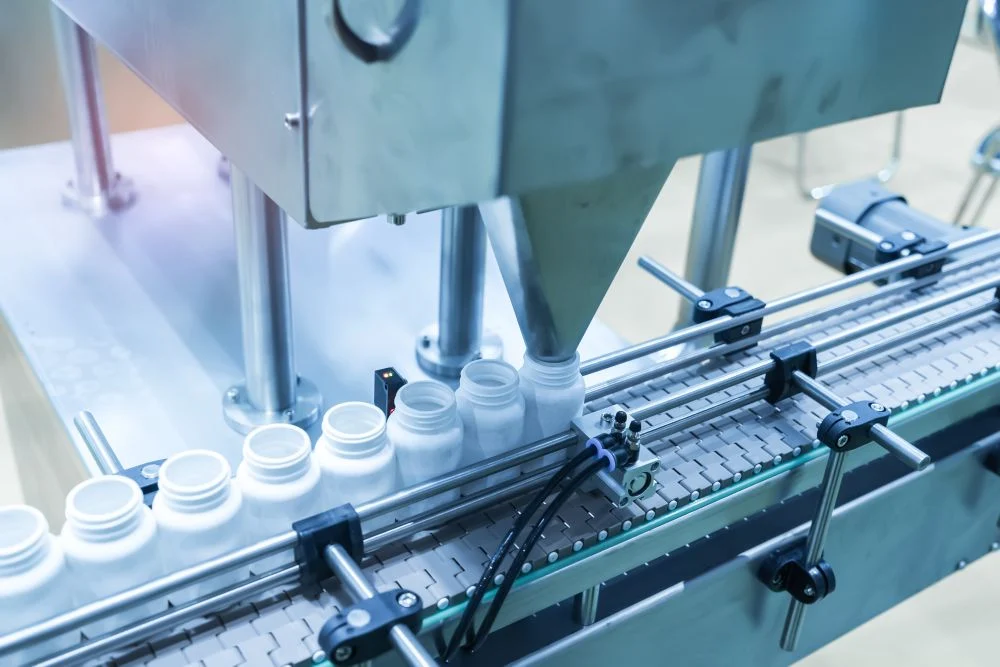
In the rapidly evolving field of advanced therapeutics, manufacturing complexity has emerged as a factor as critical as groundbreaking scientific discovery. Many conjugate therapies, including PDCs, present significant scale-up challenges, particularly when dealing with highly potent molecules and the specialized containment infrastructure required to handle them safely and compliantly. The reliable production of HPAPIs, complex peptide conjugates, and related compounds necessitates increasingly sophisticated manufacturing facilities, stringent operational protocols, and unwavering adherence to evolving regulatory expectations.
Indena has proactively addressed these challenges by undertaking significant expansions of its high-potency molecule production capabilities. Recent upgrades at its Milan facility are specifically designed to support targeted GMP drug conjugate manufacturing, incorporating containment measures up to OEB6 (Occupational Exposure Band 6). This level of containment is crucial for safely handling highly potent compounds, ensuring both worker safety and the integrity of the manufactured product.
Chemi S.p.A. / Italfarmaco Group contributes its complementary expertise in chemical synthesis, established peptide manufacturing processes, and proven capabilities in industrial-scale pharmaceutical production. By combining these distinct yet synergistic strengths, the partnership aims to establish an integrated platform that can effectively support pharmaceutical clients engaged in the development of advanced peptide-based therapeutics.
Moreover, this collaboration speaks to broader concerns within the global pharmaceutical supply chain. There is a discernible and growing demand for robust, Western-based manufacturing capacity capable of supporting the production of complex APIs, specialized peptides, and HPAPIs under increasingly stringent regulatory frameworks. For many drug developers, the assurance of more efficient supply chains, the availability of reliable GMP-compliant infrastructure, and transparent, well-documented manufacturing processes are no longer mere operational considerations but strategic imperatives that can significantly impact the success and timeline of their drug development programs.
Precision Medicine Trends Fueling New Opportunities
The burgeoning interest in peptide-drug conjugates is extending beyond the traditional focus on oncology. Researchers are actively exploring the application of peptide-based conjugates in a variety of other therapeutic domains, including radionuclide therapies for cancer, treatments for metabolic diseases, and other forms of targeted therapeutic intervention.
The inherent modularity of peptide-based systems offers a significant advantage, enabling the combinatorial approach of linking different targeting peptides with a diverse array of therapeutic payloads, tailored to the specific requirements of various disease settings. This inherent flexibility is a primary reason why many pharmaceutical companies view PDCs as a strategically important platform, even though the market is still in its relatively early stages of development.
Concurrently, the competitive landscape within the PDC field remains notably fragmented. No single entity has yet established a dominant position, and clinical development activities are distributed across a broad spectrum of biotechnology and established pharmaceutical organizations. Notably, China is rapidly expanding its pipeline of peptide and conjugate-drug candidates. However, major pharmaceutical giants such as Pfizer, Roche/Genentech, Eli Lilly, and Merck continue to advance programs that are generally considered to be at a more clinically mature stage.
For companies like Indena and Chemi S.p.A. / Italfarmaco Group, this evolving landscape presents a clear and compelling opportunity to establish themselves as pivotal enabling partners within a market that is widely anticipated to experience significant expansion over the next decade. Their role may not necessarily be as sponsors of proprietary branded therapies, but rather as crucial service providers capable of assisting drug developers in transitioning increasingly complex therapeutics from early-stage laboratory concepts through to scalable manufacturing and reliable clinical supply.
As advancements in peptide science, payload engineering, and conjugation technologies continue to accelerate, the demand for specialized manufacturing expertise is expected to grow in parallel. The strategic partnership between Indena and Chemi S.p.A. / Italfarmaco Group is a tangible manifestation of how a significant segment of the pharmaceutical sector is proactively preparing for this anticipated growth and the evolving demands of precision medicine.