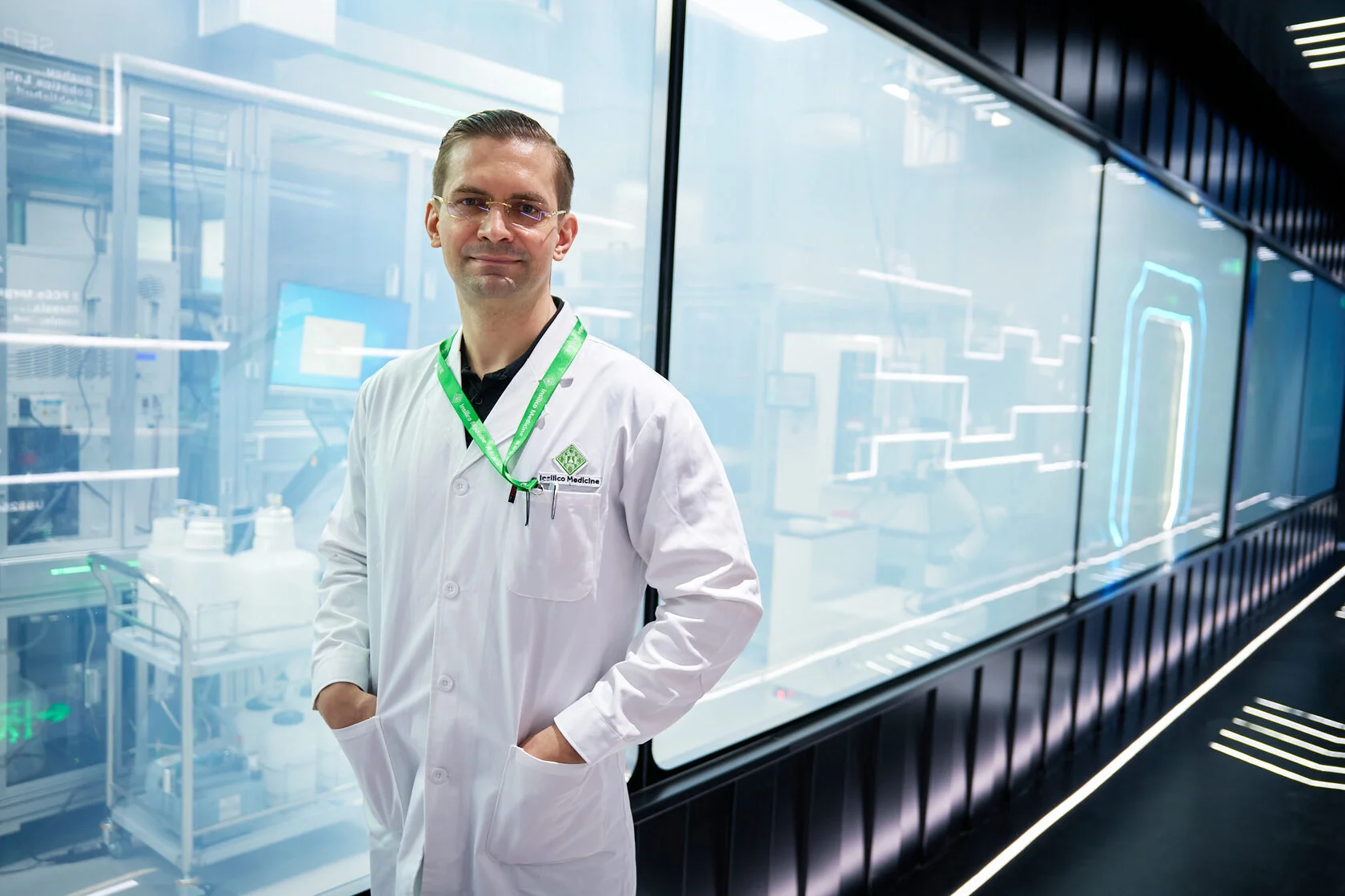
A transformative partnership has been forged between Insilico Medicine, a pioneer in artificial intelligence-driven drug discovery, and Eli Lilly, a global pharmaceutical giant, marking a significant milestone in the evolving landscape of pharmaceutical innovation. Announced on March 29, the comprehensive agreement grants Eli Lilly an exclusive worldwide license to a diverse portfolio of preclinical oral therapeutics developed by Insilico Medicine. Beyond asset licensing, the collaboration also establishes joint research and development programs spanning a wide array of therapeutic areas, underscoring a shared commitment to leveraging cutting-edge AI for accelerated drug discovery. The financial contours of the deal are substantial, with Insilico Medicine eligible to receive an upfront payment of $115 million. This figure is dwarfed by potential milestone payments that could escalate the total value of the collaboration to approximately $2.75 billion, complemented by tiered royalties on any future sales of the developed therapeutics.
A Deepening Alliance: From Software to Strategic Partnership
This landmark agreement is the culmination of a progressive relationship that began years prior, illustrating a measured yet increasingly confident embrace of AI by a major pharmaceutical player. The initial engagement between Insilico Medicine and Eli Lilly commenced in 2023 with a software licensing agreement, allowing Lilly to integrate Insilico’s advanced AI platforms into its early-stage research initiatives. This foundational step was followed by an expanded research collaboration two years later in 2025, which saw the two entities working more closely on specific discovery programs. The latest deal, announced in 2026, represents the ultimate validation of Insilico’s AI capabilities, transitioning from an assistive technology provider to a core partner in drug asset generation and development.
Alex Zhavoronkov, Ph.D., founder and CEO of Insilico Medicine, highlighted the profound shift this partnership signifies. "The industry is moving from AI-assisted science to AI-native pipelines, and this partnership reflects that shift," Zhavoronkov stated in a recent interview. He emphasized that the collaboration extends beyond mere asset partnering; it serves as a powerful validation of a novel drug discovery model where AI systems are not just supporting but actively generating, refining, and scaling therapeutic programs in concert with traditional pharmaceutical expertise. This progression underscores a growing confidence within the pharmaceutical sector in the ability of AI to not only accelerate but fundamentally redefine the drug discovery process.
The Scope of Innovation: AI-Originated Therapeutics
The portfolio licensed by Eli Lilly is strategically defined at the level of therapeutic hypotheses, rather than being restricted to single molecules. This broad definition provides Lilly with significant flexibility across multiple preclinical programs while ensuring that development remains anchored in areas where Insilico has already established robust biological and chemical starting points. Zhavoronkov explained that these are "AI-originated oral small-molecule programs where early target biology, chemistry, and optimization frameworks are already established." This approach allows for a wider scope of exploration and application within Lilly’s vast therapeutic interests.
From Insilico’s vantage point, the deal structure is typical for partnerships of this magnitude. While Lilly gains global rights to advance and commercialize selected assets, Insilico retains substantial value through the upfront payment, milestone achievements, and a share in downstream royalties from successful products. Critically, Insilico also retains invaluable internal platform learnings, continuous model improvements, and the strategic flexibility to redeploy similar AI-driven approaches across adjacent targets and disease areas. This model allows Insilico to monetize specific assets while simultaneously enhancing and compounding its underlying AI capabilities, ensuring sustained innovation and growth.
Fusing Superintelligence with Clinical Excellence: The Workflow
The operational synergy between Insilico Medicine and Eli Lilly in this collaboration is envisioned as a seamless integration of AI-driven "superintelligence" with established "clinical excellence." Zhavoronkov articulated this division of labor: "We are essentially providing the ‘Superintelligence’ for discovery, while Lilly provides the ‘Clinical Excellence’ to bring these drugs to the finish line." This framework outlines a sophisticated workflow designed to optimize each stage of drug development.
The process begins with Lilly identifying a therapeutic area of interest. Insilico then deploys its proprietary AI platform, PandaOmics, to uncover novel, "multi-purpose" targets—often referred to as "biological dark matter"—that traditional discovery methods frequently overlook. Following target identification, Insilico leads the generative design phase utilizing Chemistry42. This advanced AI engine is engineered to dramatically shorten the typical timeline for reaching a Preclinical Candidate (PCC), with an ambitious goal of 12 to 18 months, and in some cases, as rapidly as 9 months, as Insilico has demonstrated previously.
This rapid design phase is supported by a closed-loop validation system, dubbed the "From Prompt to Drug" framework. This innovative system ensures that AI-driven hypotheses are instantly tested and iterated in automated robotic laboratories, facilitating rapid, high-fidelity refinement of potential drug candidates. Once an asset progresses and enters the clinical stage, Eli Lilly assumes leadership for global development and commercialization. However, Insilico continues to provide strategic support through its InClinico platform, designed to maximize the probability of clinical success. This collaborative model, as Zhavoronkov described it, is "a perfect synergy: we deliver the discovery ‘Superintelligence,’ and Lilly provides the massive infrastructure needed to bring these life-saving medicines to patients worldwide." This approach signifies a move beyond mere "AI experiments" towards the "industrialization of generative biology and chemistry" to tackle complex human diseases with unprecedented speed.
Strategic Balance: Internal Pipeline vs. Partnerships
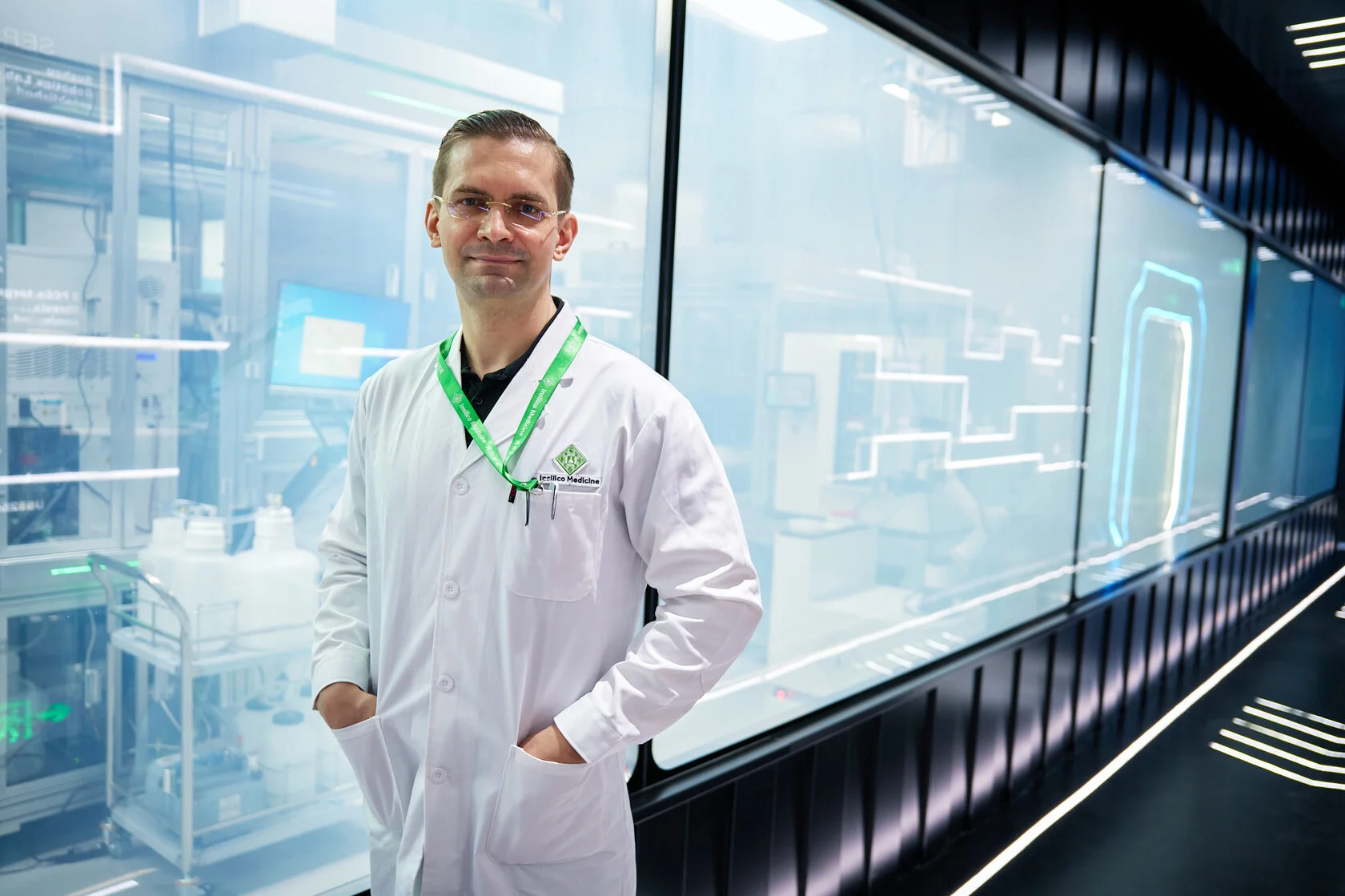
For Insilico Medicine, a deal of this magnitude significantly impacts its strategic balance between advancing wholly-owned pipeline assets and engaging in out-licensing partnerships. Zhavoronkov elaborated on their pipeline strategy, categorizing it into three buckets: internal programs, partnered programs, and platform development. This collaboration with Lilly substantially expands Insilico’s capacity to externalize a portion of its pipeline without compromising internal innovation. The financial influx from the upfront payment and potential milestones effectively funds continued platform scaling and allows Insilico to concentrate internal resources on high-conviction, potentially first-in-class programs.
The decision-making process for Insilico regarding whether to partner an asset versus retaining it internally is multi-faceted. Key factors include the therapeutic area’s strategic fit, the capital intensity required for development, the associated development risk, and the potential for market access and commercialization. By partnering with a pharmaceutical powerhouse like Eli Lilly, Insilico can de-risk certain programs, access greater capital and expertise for clinical development, and potentially reach a wider patient population much faster than it could independently. This approach is consistent with Insilico’s overarching strategy of monetizing specific assets while continuously enhancing its foundational AI capabilities.
Eli Lilly’s Strategic Imperative: Embracing the AI Frontier
Eli Lilly’s deep and escalating commitment to Insilico Medicine reflects a broader strategic imperative within the pharmaceutical industry: the urgent need to integrate advanced AI into drug discovery to maintain competitive advantage and accelerate therapeutic breakthroughs. Lilly’s journey from a software licensee to a comprehensive commercialization partner illustrates a rigorous validation process.
Initially, the software licensing in 2023 allowed Lilly to internally assess the efficacy and utility of Insilico’s AI tools. This stage likely involved internal benchmarks, proof-of-concept studies, and familiarization with the AI’s predictive capabilities. The success of this initial phase paved the way for the research collaboration in 2025, a crucial step that moved beyond mere tool evaluation to active co-creation. In this phase, Lilly could directly observe the AI’s ability to generate novel compounds, identify promising targets, and potentially accelerate preclinical timelines in real-world scenarios. This direct engagement and demonstrated success were pivotal in building the trust necessary for the subsequent, much larger commercialization deal.
Lilly’s substantial investment, particularly the potential $2.75 billion, signals a robust endorsement of AI-designed assets and AI-native pipelines. It indicates that AI is no longer merely an "assistive technology" in pharma but has matured into an "asset generator" capable of driving significant portions of the drug discovery pipeline. For a company like Eli Lilly, which already operates its own AI supercomputer and invests heavily in computational biology, this partnership complements its existing infrastructure by bringing a specialized, proven "end-to-end AI engine" and a portfolio of validated preclinical programs. This strategic move aims to diversify Lilly’s pipeline, potentially reduce development costs and timelines, and unlock novel therapeutic avenues in a highly competitive market characterized by increasing R&D expenditures and declining success rates for traditional methods.
The Winning Architecture for Modern Drug Discovery
The partnership between Insilico and Lilly also sheds light on what Zhavoronkov believes constitutes the "winning architecture" for modern drug discovery. He posits that success hinges on the synergistic integration of three critical components: frontier compute power, proprietary and high-quality data, and novel biology.
- Frontier Compute: Access to advanced computational resources, including high-performance computing and specialized AI accelerators, is essential for training and deploying complex AI models that can analyze vast datasets and simulate molecular interactions with unprecedented speed and accuracy. Eli Lilly’s existing AI supercomputer capabilities, combined with Insilico’s computational infrastructure, exemplify this aspect.
- Proprietary Data: The quality and uniqueness of the data used to train AI models are paramount. Proprietary datasets, often curated from extensive experimental work, patient data, and scientific literature, provide AI with the specific insights needed to make accurate predictions and generate novel hypotheses relevant to drug discovery. Insilico’s "From Prompt to Drug" framework, with its closed-loop validation, continuously generates and refines such data.
- Novel Biology: Ultimately, the goal is to discover truly novel biological mechanisms and targets that can lead to first-in-class therapies. Large models and abundant data are insufficient without the ability to translate these into new biological insights that have clinical relevance. Insilico’s PandaOmics, designed to uncover "biological dark matter," directly addresses this need.
Zhavoronkov emphasized that "no single component is sufficient." He stressed that "large models without good data fail. Data without strong models doesn’t scale. And neither matters without new biology that translates clinically." The success of partnerships like the one between Insilico and Lilly lies in integrating all three elements into a continuous learning system, where AI models improve dynamically as new data is generated, and biological frontiers are explored with enhanced efficiency and precision.
Implications for the Pharmaceutical Landscape
This $2.75 billion collaboration stands as a powerful testament to the maturation of AI in drug discovery, signaling a paradigm shift for the entire pharmaceutical industry. It validates AI-driven approaches as a viable and highly valuable business model, moving them from experimental ventures to core strategic pillars. For emerging biotech companies specializing in AI, this deal provides a clear pathway for monetization and growth, demonstrating that significant value can be created through AI-native pipelines. For established pharmaceutical companies, it serves as a wake-up call, emphasizing the necessity of integrating advanced AI capabilities or forming strategic alliances with AI frontrunners to remain competitive.
The long-term implications are profound. By dramatically shortening discovery timelines, potentially reducing the staggering costs associated with R&D, and increasing the probability of success in clinical trials, AI holds the promise of accelerating the delivery of life-saving medicines to patients worldwide. This partnership between Insilico Medicine and Eli Lilly is not just a commercial transaction; it is a blueprint for the future of drug discovery, where the fusion of human clinical expertise and artificial superintelligence paves the way for an era of unprecedented therapeutic innovation.