In a significant advancement for the field of molecular oncology, a multidisciplinary team of investigators at the Johns Hopkins Kimmel Cancer Center and the Johns Hopkins Bloomberg School of Public Health has identified the specific mechanism by which gene rearrangements drive the progression of a rare and aggressive form of kidney cancer. The study, published in the journal Cell Reports on April 22, reveals that fusion genes associated with translocation renal cell carcinoma (tRCC) produce proteins that aggregate into microscopic liquid droplets, or condensates, within the cell nucleus. These droplets act as specialized command centers, systematically activating and deactivating genes to facilitate rapid cancer growth and metastatic spread. This discovery not only sheds light on the fundamental biology of a poorly understood disease but also identifies a potential "Achilles’ heel" for future drug development.
Understanding Translocation Renal Cell Carcinoma
Translocation renal cell carcinoma is a distinct subtype of kidney cancer characterized by the rearrangement of chromosomes, specifically involving the TFE3 gene. While traditional renal cell carcinomas are more common in older adults and are often linked to smoking or obesity, tRCC is frequently diagnosed in children and young adults. Historically, this rare malignancy has posed a significant challenge to the medical community because it does not respond well to the standard therapies used for more common forms of kidney cancer, such as clear cell renal cell carcinoma.
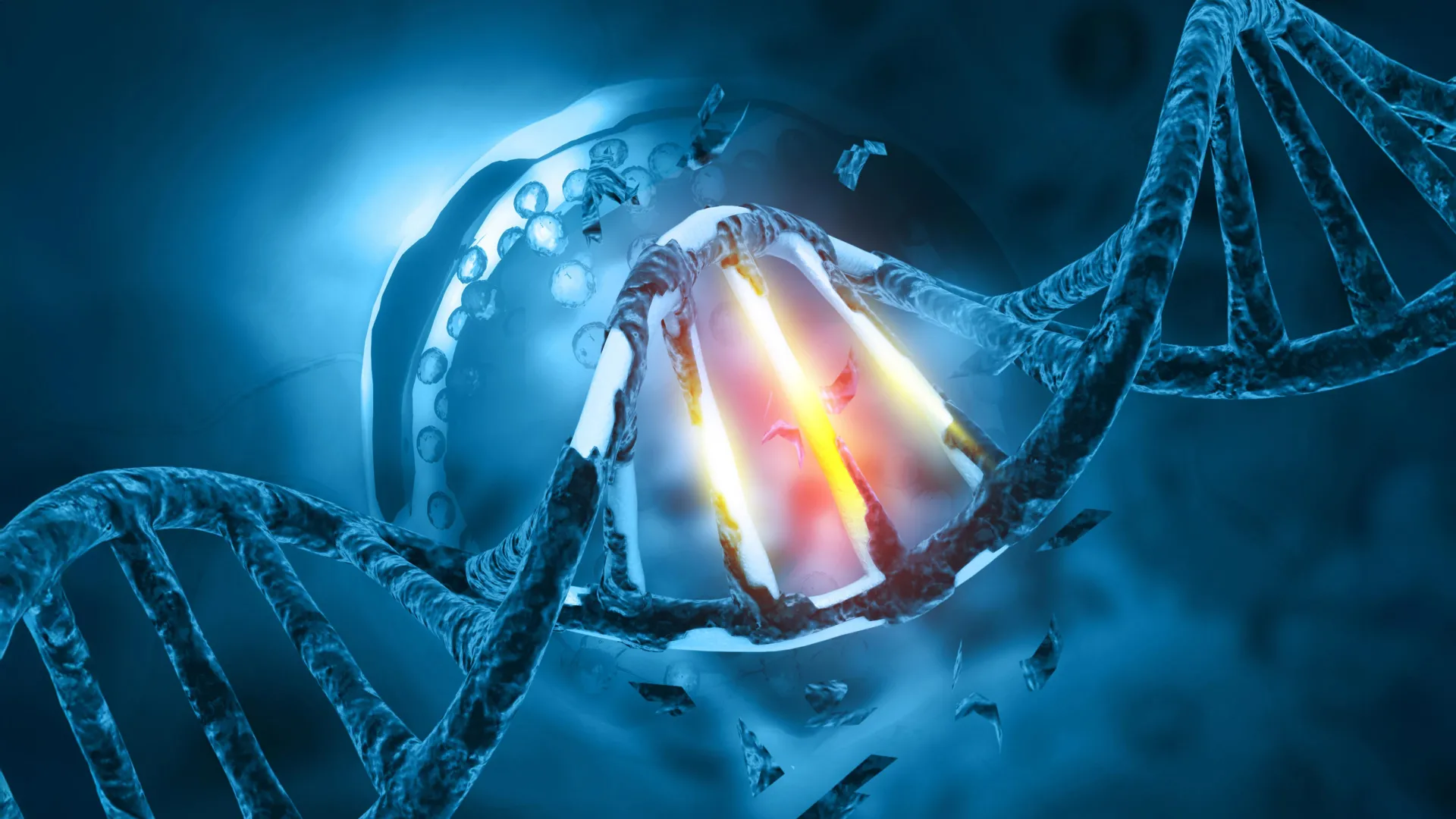
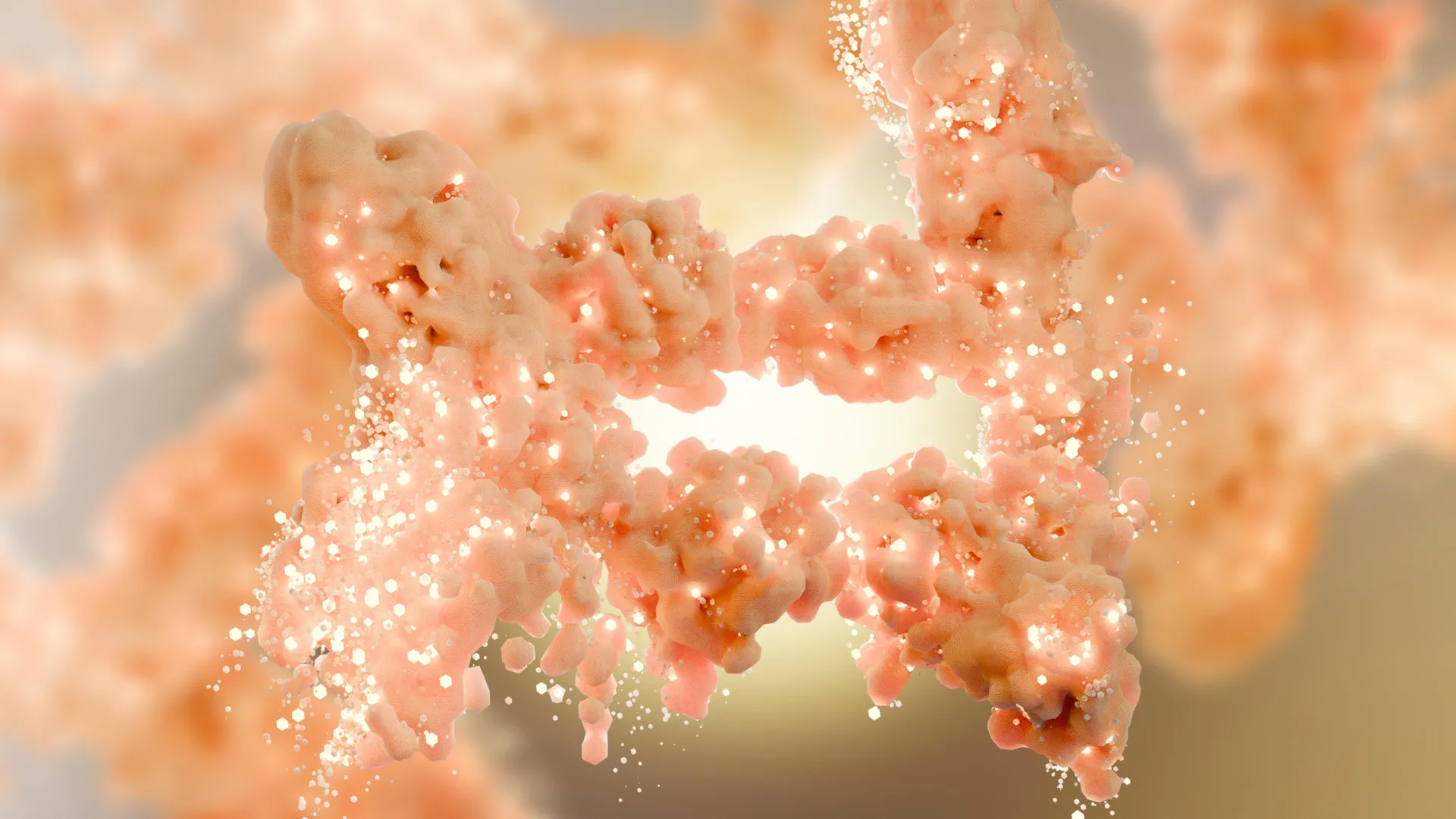
The genetic hallmark of tRCC is a chromosomal translocation that fuses the tail end of the TFE3 gene with the beginning of one of approximately 20 different partner genes. Among the most frequent partners are NONO and SFPQ, which together account for roughly 40% of all TFE3 fusion cases. Other known partners include PRCC and ASPSCR1. These fusions result in the production of chimeric proteins—TFE3 fusion proteins—that are not found in healthy human cells. Although scientists have long recognized these fusions as the primary drivers of the disease, the precise biochemical pathways they utilize to transform healthy cells into malignant ones remained elusive until now.
The Discovery of Liquid Condensates in the Nucleus
The research, led by senior author Danfeng "Dani" Cai, Ph.D., an assistant professor of biochemistry and molecular biology at the Johns Hopkins Bloomberg School of Public Health, utilized advanced imaging and molecular biology techniques to track the behavior of these fusion proteins. By attaching fluorescent tags to TFE3 fusion proteins in patient-derived kidney cancer cells, the team was able to observe their movement in real-time under high-resolution microscopy.
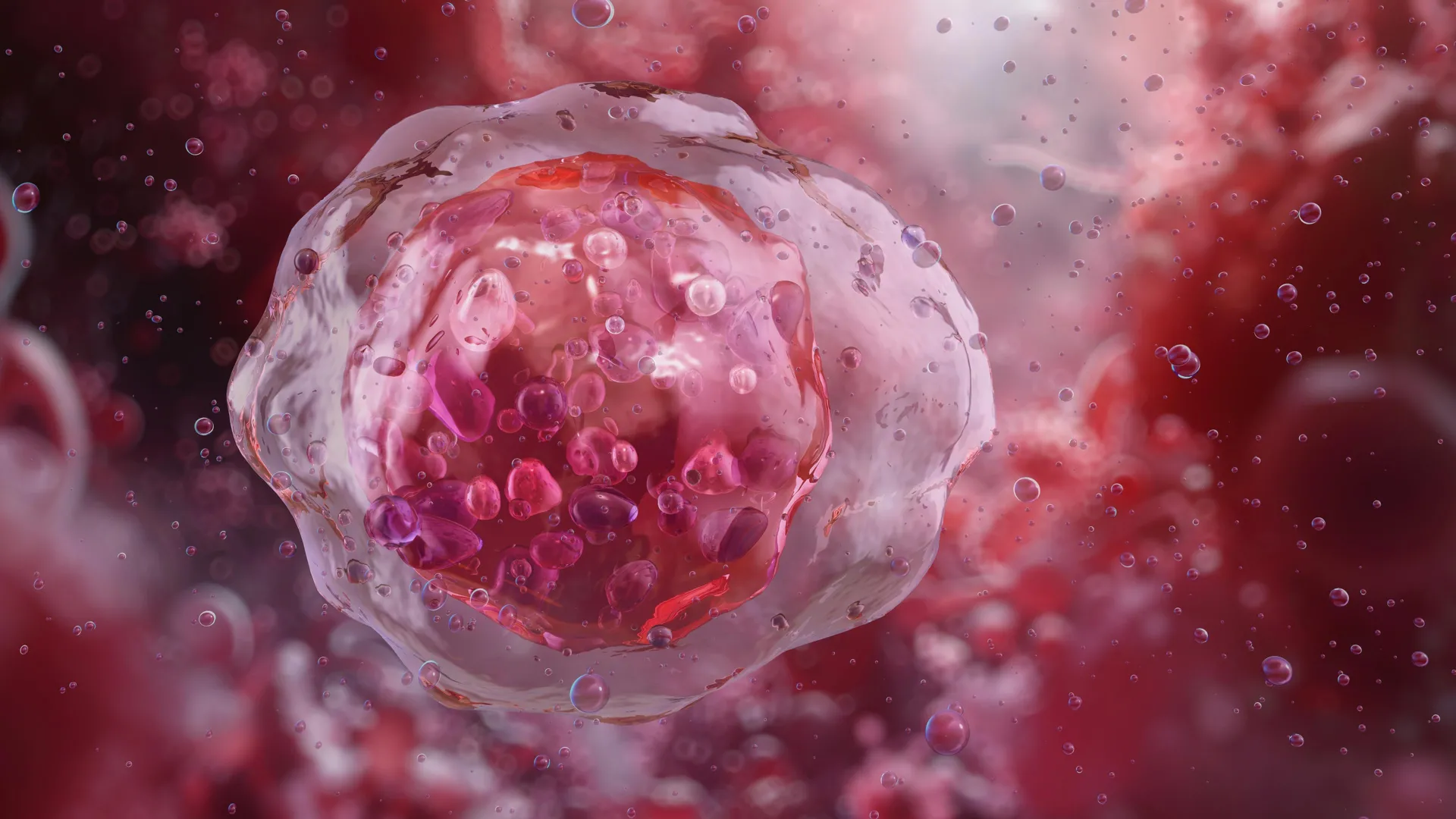
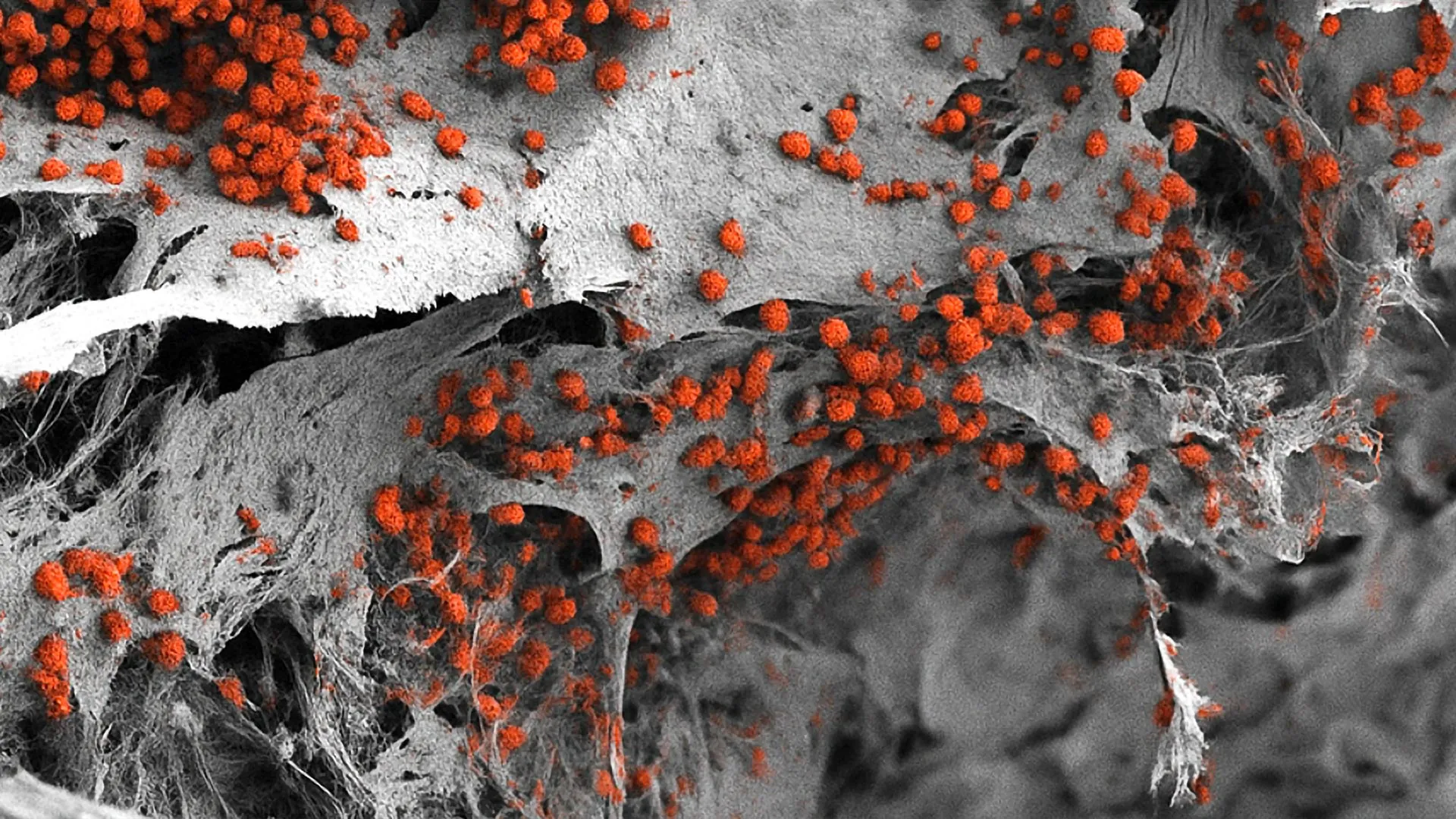
The investigators observed that the fusion proteins did not disperse evenly throughout the cell. Instead, they congregated into distinct "dots" or liquid droplets within the nucleus, the compartment where DNA is housed. These droplets are examples of liquid-liquid phase separation, a phenomenon similar to oil droplets forming in water. In a biological context, these are known as "condensates"—concentrated clusters of molecules that interact to perform specific cellular functions.
The team’s analysis revealed that these condensates were far from inert. They contained a high concentration of marker proteins typically associated with active gene transcription, as well as specialized proteins responsible for "turning on" genetic sequences. The presence of these elements suggested that the TFE3 fusion proteins were effectively hijacking the cell’s genetic machinery, creating micro-environments optimized for the activation of oncogenes (cancer-promoting genes).
Chronology of the Study and Methodological Rigor
The study progressed through several critical phases, beginning with the identification of the physical properties of the fusion proteins and culminating in the manipulation of their structure to observe functional changes.
- Protein Mapping and Visualization: The team initially focused on the two most common fusion partners, NONO and SFPQ. Using fluorescent labeling, they confirmed that these specific fusions consistently formed condensates in the nucleus of tRCC cells.
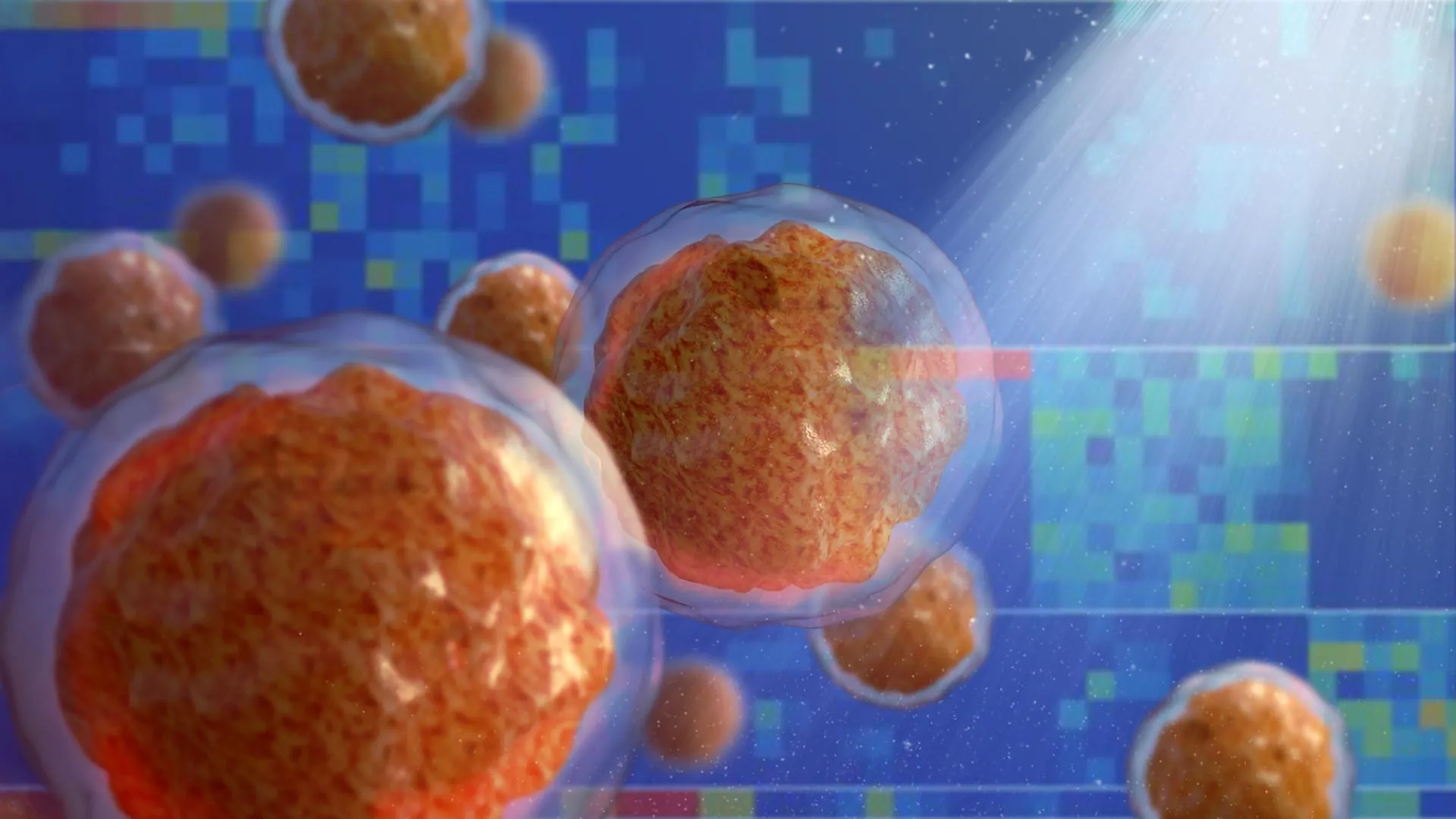
- Collaborative Genomic Analysis: To understand the genomic impact of these droplets, Dr. Cai partnered with Eneda Toska, Ph.D., an assistant professor of oncology at the Johns Hopkins Kimmel Cancer Center. Together, they mapped the interaction between the fusion proteins and the chromatin—the complex of DNA and proteins that forms chromosomes.
- Structural Dissection: The researchers used CRISPR-based gene editing and protein engineering to systematically remove different segments of the TFE3 fusion proteins. They were searching for the specific domain responsible for the formation of the liquid droplets.
- Functional Validation: By identifying a small segment known as a "coiled-coil" domain (a structural motif where alpha-helices are wrapped together), the team found the "switch" for condensate formation. When this domain was deleted, the proteins could no longer form droplets, and their ability to activate cancer-promoting genes was effectively neutralized.
The Role of Chromatin Remodeling in Cancer Progression
A central finding of the research is how these fusion proteins "redesign" the internal landscape of the cell. DNA is typically packaged tightly into chromatin, resembling beads on a string. In areas where the DNA is wound tightly (heterochromatin), genes are "silenced" because the cell’s machinery cannot reach them. In areas where the string is open (euchromatin), genes are accessible and active.
Dr. Toska’s analysis revealed that TFE3 fusion proteins act as master regulators of this landscape. By making specific chemical modifications to the chromatin, the fusion proteins force tightly wound sections of DNA to open up, specifically at sites that control cell proliferation and migration. Conversely, they may close off sites that would normally suppress tumor growth. This "chromatin remodeling" is what allows the cancer to grow uncontrollably and eventually spread to other organs.
"They bind, regulate and redesign the chromosome landscape," Dr. Toska explained. "By interacting with target genes that promote cell movement and proliferation, they provide the functions that cancer needs to survive and thrive."
Supporting Data and Broader Implications for Oncology
The implications of this study extend far beyond the rare confines of tRCC. Many other aggressive cancers, including Ewing sarcoma (a bone cancer primarily affecting children) and various forms of leukemia, are also driven by fusion genes. Dr. Cai noted that the liquid condensate mechanism observed in kidney cancer might be a universal feature of many fusion-driven malignancies.
"It is possible that these fusion genes form similar droplets, or condensates, that regulate genes in these cancers and could react to similar treatment strategies," Dr. Cai stated. This suggests that a single breakthrough in disrupting these droplets could potentially lead to a new class of "condensate-targeted" therapies applicable to a wide range of pediatric and adult cancers.
The research also highlighted a curious biological "gain-of-function." While the individual components of the fusions—full-length TFE3, NONO, and SFPQ—are present in healthy cells and involved in normal gene regulation, their fusion creates a protein with a significantly enhanced ability to control gene expression. The fusion process essentially supercharges the protein’s ability to recruit other molecules into these liquid droplets, making them far more potent than their individual parts.
Future Research and Therapeutic Development
The ultimate goal of the Johns Hopkins team is to translate these laboratory findings into clinical treatments. Currently, there is no standardized, effective chemotherapy or targeted therapy for patients with advanced translocation renal cell carcinoma. Most patients are treated with regimens designed for other types of kidney cancer, which often yield disappointing results.
In the next phase of their work, the researchers plan to identify the other molecular components residing within these liquid condensates. By understanding the full "inventory" of proteins and RNA molecules inside the droplets, they hope to identify vulnerabilities. This will allow for high-throughput screening of small molecules or drugs that can specifically dissolve or disrupt these structures without harming healthy cells.
The study received extensive support from the National Institutes of Health (NIH), including various grants from the National Cancer Institute (NCI), the National Institute of General Medical Sciences (NIGMS), and the National Human Genome Research Institute (NHGRI). Additional funding was provided by the Department of Defense Kidney Cancer Idea Development Award and the Johns Hopkins Provost Catalyst Award.
Expert Perspectives and Industry Context
The research community has reacted with optimism to these findings. The identification of a physical structure—the condensate—provides a tangible target for drug discovery that was previously overlooked. In the pharmaceutical industry, there is a growing interest in "phase-separation" biology, with several biotech startups already exploring how to modulate condensates in neurodegenerative diseases and oncology.
Dr. Eneda Toska’s involvement also brings a clinical perspective to the study, as her work is supported by partnerships with major pharmaceutical entities like AstraZeneca. This bridge between basic biochemistry and clinical application is essential for moving discoveries from the lab bench to the patient’s bedside.
The study authors, which include a diverse group of researchers from the Bloomberg School of Public Health, the Johns Hopkins University School of Medicine, and the National Cancer Institute, emphasized that this work was only possible through a cross-disciplinary approach. By combining expertise in genomics, biochemistry, and oncology, the team was able to solve a piece of the puzzle that had remained unsolved for decades.
As genomic sequencing becomes more common in clinical practice, more patients are being diagnosed with rare translocation-driven cancers. The work performed at Johns Hopkins provides a roadmap for understanding these diseases, offering hope that "orphan" cancers like tRCC will soon have dedicated, effective treatment options based on their unique molecular signatures. The discovery that liquid droplets are the engines of these cancers marks the beginning of a new chapter in precision oncology.