A groundbreaking longitudinal study conducted by researchers at UCLA Health has established a definitive link between chronic residential exposure to the pesticide chlorpyrifos and a significantly heightened risk of developing Parkinson’s disease. According to the findings, individuals living in areas with sustained exposure to this organophosphate insecticide are more than 2.5 times more likely to be diagnosed with the neurodegenerative disorder than those with minimal exposure. The research, published in the peer-reviewed journal Molecular Neurodegeneration, represents a critical advancement in environmental medicine by combining large-scale human epidemiological data with sophisticated laboratory modeling to identify the specific biological pathways through which the chemical damages the human brain.
Parkinson’s disease is currently the fastest-growing neurological condition in the world, affecting nearly one million people in the United States and approximately ten million globally. Characterized by the progressive loss of dopamine-producing neurons in the substantia nigra region of the brain, the disease manifests through debilitating motor symptoms including tremors, bradykinesia (slowness of movement), postural instability, and muscle rigidity. While genetic mutations have historically been the primary focus of research, scientists increasingly point to environmental toxins as the "missing link" in explaining the surge of cases in industrialized and agricultural regions.
The Specific Threat of Chlorpyrifos
Chlorpyrifos, an organophosphate insecticide first introduced to the market in 1965, has been one of the most widely used agricultural chemicals in the world for decades. Originally developed by the Dow Chemical Company, it functions by inhibiting the enzyme acetylcholinesterase, which is essential for nerve signaling in insects. However, the chemical’s impact on human physiology, particularly the central nervous system, has been a subject of intense scientific and regulatory scrutiny.
Although the Environmental Protection Agency (EPA) banned the residential use of chlorpyrifos in 2001 due to risks to children’s brain development, it remained a staple of American agriculture for use on corn, soybeans, almonds, and citrus fruits. In 2021, the EPA announced it would stop the use of chlorpyrifos on food crops, though this decision has faced various legal challenges and remains a point of contention in agricultural policy. Despite these restrictions, the UCLA study highlights the "legacy effect" of long-term exposure and the ongoing risk to populations living near agricultural zones where the chemical is still applied or remains in the soil and groundwater.
Methodology of the UCLA Parkinson’s Environment and Genes Study
The UCLA research team, led by Dr. Jeff Bronstein, professor of Neurology at UCLA Health, utilized data from the Parkinson’s Environment and Genes (PEG) study. This long-running project has tracked residents in California’s Central Valley, one of the most productive and pesticide-intensive agricultural regions in the world. The study cohort included 829 individuals diagnosed with Parkinson’s disease and a control group of 824 healthy individuals from the same geographic area.
To determine exposure levels, researchers utilized the California Pesticide Use Reporting (PUR) database, which is considered the most comprehensive record of pesticide application in the world. By cross-referencing these records with the residential and occupational histories of the participants, the team was able to reconstruct a high-resolution map of exposure patterns spanning several decades. This methodology allowed the scientists to account for "drift"—the movement of pesticides through the air from fields to nearby residential neighborhoods—providing a more accurate assessment than self-reported data.
Biological Evidence: From Population Data to the Laboratory
What distinguishes this study from previous epidemiological research is the inclusion of "bench-to-bedside" laboratory experiments that validate the human findings. To investigate how chlorpyrifos interacts with brain tissue, the team conducted a series of experiments using animal models, specifically mice and zebrafish.
In the mouse model, researchers utilized an inhalation chamber to expose the subjects to aerosolized chlorpyrifos for 11 weeks. This method was designed to simulate the way humans typically encounter the pesticide in the environment. The results were stark: the exposed mice exhibited significant motor deficits and a measurable loss of dopaminergic neurons, the very hallmark of Parkinson’s disease in humans. Furthermore, the researchers observed a marked increase in neuroinflammation and the accumulation of alpha-synuclein.
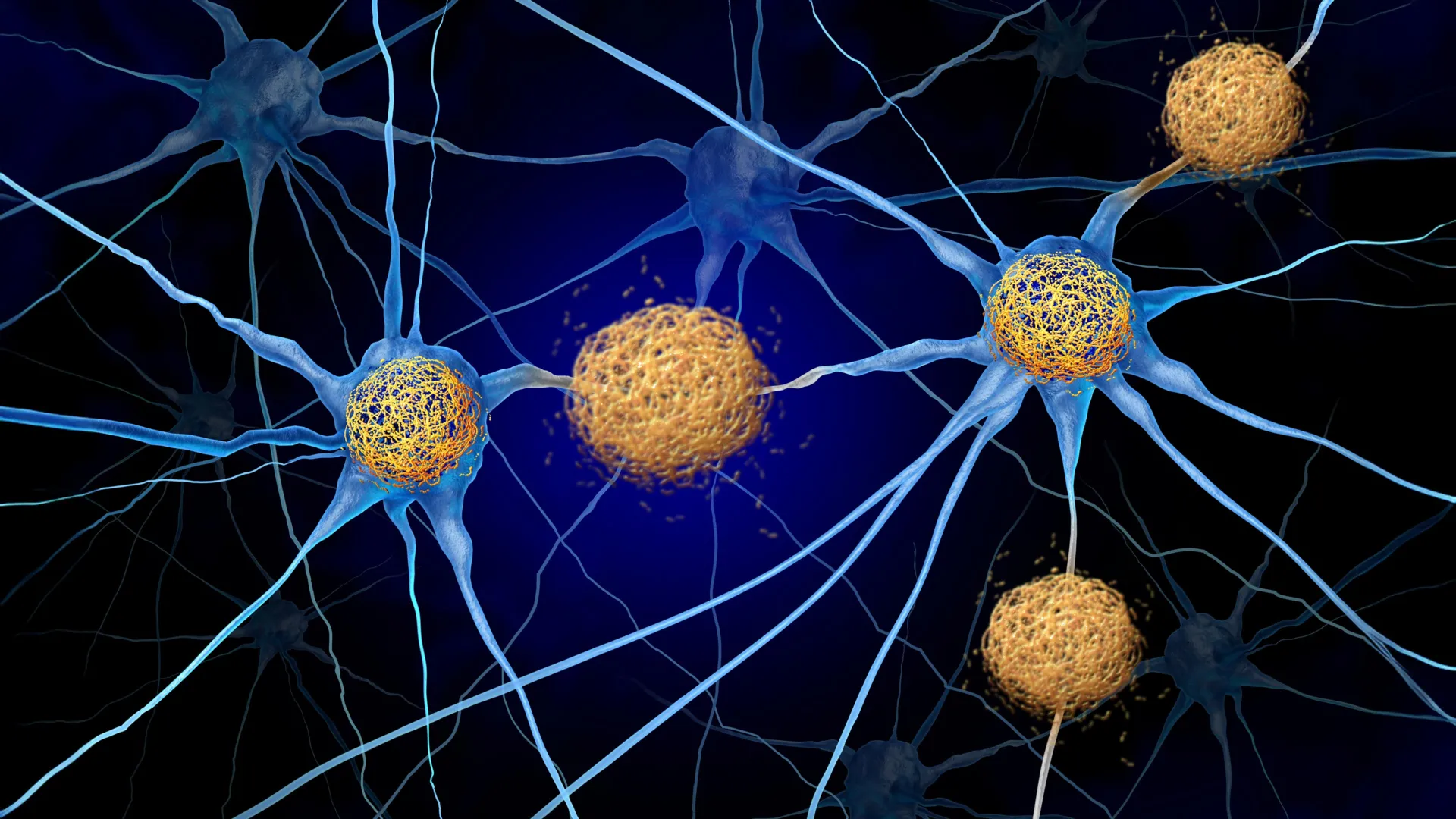
Alpha-synuclein is a protein that, under normal conditions, helps regulate communication between neurons. However, in Parkinson’s patients, this protein misfolds and forms toxic clumps known as Lewy bodies. The UCLA study demonstrated that chlorpyrifos exposure directly promotes this protein aggregation, providing a clear mechanical link between the pesticide and the pathology of the disease.
The Role of Autophagy Failure
A major breakthrough in the study was the identification of the cellular "cleanup" process known as autophagy. Autophagy is the mechanism by which cells break down and remove damaged proteins and organelles. In the zebrafish models used by the UCLA team, chlorpyrifos was found to significantly disrupt this process.
When autophagy fails, the cell becomes cluttered with biological waste, including the aforementioned misfolded alpha-synuclein. This "cellular trash" eventually becomes lethal to the neuron. Crucially, the researchers found that by using genetic or pharmacological interventions to restore autophagy or reduce synuclein levels, they could protect the neurons from the toxic effects of the pesticide. This discovery suggests that the damage caused by chlorpyrifos is not an inevitable byproduct of exposure but is driven by a specific failure in cellular maintenance that could potentially be treated.
A Chronology of Regulatory Action and Scientific Discovery
The UCLA findings arrive amid a decades-long timeline of escalating concern regarding organophosphates:
- 1965: Chlorpyrifos is registered for use in the United States.
- 1990s: Studies begin to suggest developmental neurotoxicity in children exposed to the chemical.
- 2000: The EPA reaches an agreement with manufacturers to phase out most residential uses (e.g., in-home bug sprays).
- 2012: Research links low-level prenatal exposure to changes in brain structure in children.
- 2015: EPA scientists recommend a full ban on chlorpyrifos, citing risks to brain development and water safety.
- 2017: The EPA, under a new administration, reverses the proposed ban, leading to a series of lawsuits from environmental groups and several states.
- 2021: The EPA announces a final rule revoking all "tolerances" for chlorpyrifos on food, effectively banning its use in food production.
- 2023: A federal appeals court vacates the EPA’s ban, leading to a fragmented regulatory landscape where some uses are reinstated while others remain restricted.
- 2024: The UCLA study provides the most definitive evidence to date linking the chemical specifically to Parkinson’s disease risk in adults.
Implications for Public Health and Clinical Practice
The implications of this research extend far beyond the laboratory. Dr. Jeff Bronstein emphasized that the study moves the conversation from "pesticides in general" to "chlorpyrifos specifically." By identifying a single agent and its corresponding biological mechanism, the medical community can better identify at-risk populations.
"This study establishes chlorpyrifos as a specific environmental risk factor for Parkinson’s disease," stated Dr. Bronstein. "By showing the biological mechanism in animal models, we’ve demonstrated that this association is likely causal. The discovery that autophagy dysfunction drives the neurotoxicity also points us toward potential therapeutic strategies to protect vulnerable brain cells."
From a public health perspective, the study suggests that individuals with a known history of high exposure—such as agricultural workers or long-term residents of farming communities—should perhaps undergo more rigorous neurological screening. Early detection of Parkinson’s is notoriously difficult, but understanding environmental risk factors could lead to the development of biomarkers for those in the "pre-symptomatic" phase of the disease.
The Economic and Social Context
The economic burden of Parkinson’s disease is estimated to be $52 billion annually in the United States alone, a figure expected to rise as the population ages. While chemical manufacturers have long argued that chlorpyrifos is essential for maintaining crop yields and food security, public health advocates argue that the long-term healthcare costs associated with neurodegenerative diseases far outweigh the short-term agricultural benefits.
Environmental advocacy groups have reacted to the UCLA study by calling for more permanent and comprehensive bans on the entire class of organophosphates. They argue that if chlorpyrifos acts through a common pathway of autophagy disruption, other similar chemicals may pose the same risks, even if they have not yet been studied with the same intensity.
Future Research Directions
The UCLA team intends to expand their research to investigate other commonly used pesticides. Given that farmers often use "cocktails" of various chemicals, understanding the synergistic effects of multiple exposures is the next logical step. Furthermore, the discovery of the autophagy pathway provides a new target for drug development. Scientists are now looking into "autophagy enhancers"—compounds that could boost the brain’s ability to clear out toxic proteins—as a potential preventative treatment for those who have already been exposed to high levels of pesticides.
As the scientific community continues to peel back the layers of environmental influences on brain health, the UCLA study serves as a stark reminder that the chemicals applied to our fields today may have profound consequences for the neurological health of generations to come. The transition from identifying a correlation to proving a biological mechanism marks a turning point in the fight against Parkinson’s disease, shifting the focus from managing symptoms to understanding, and perhaps one day preventing, the environmental triggers of the condition.