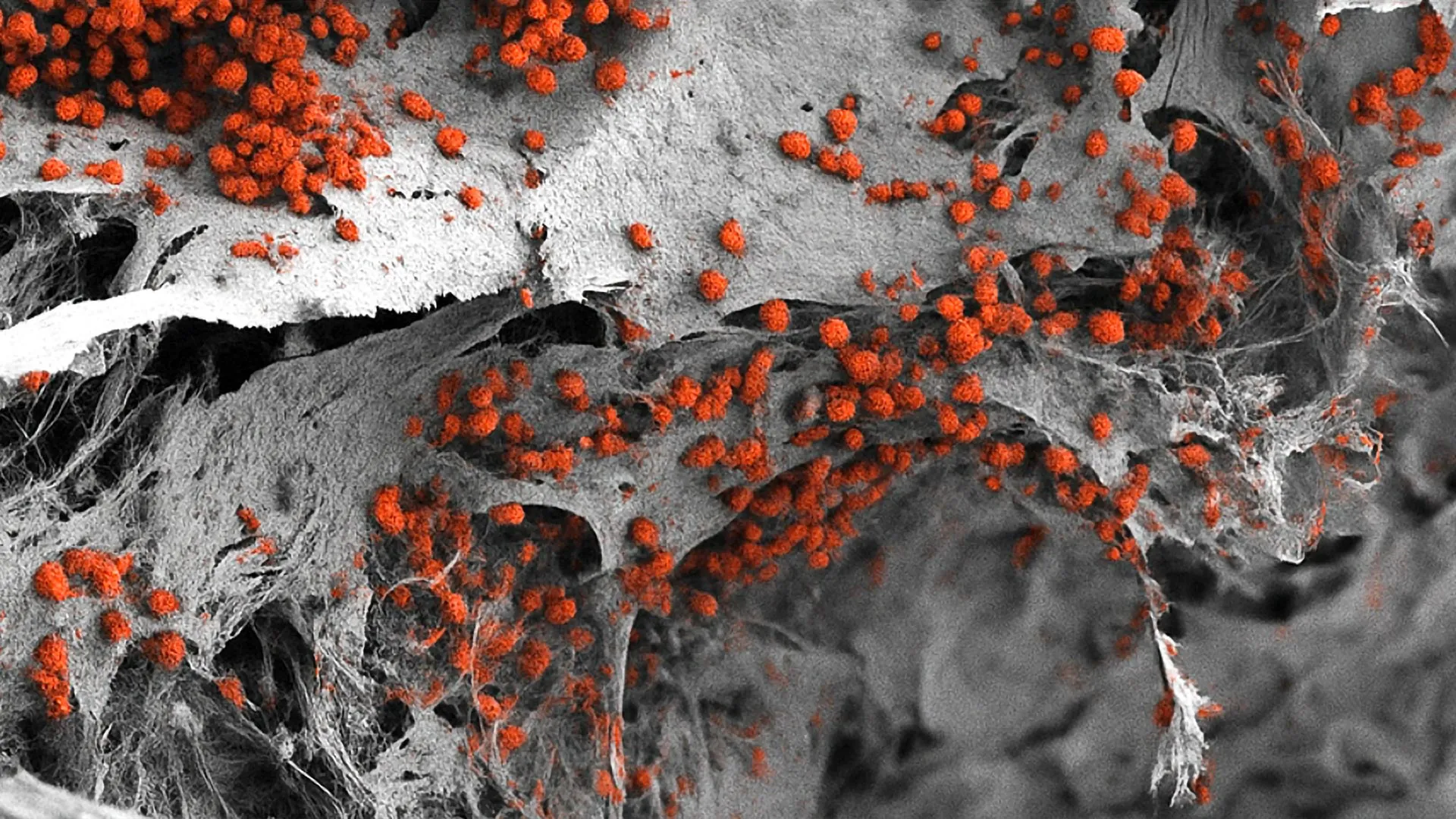
The landscape of hematological oncology is facing a potential paradigm shift following the publication of a landmark study by researchers at Ludwig Cancer Research, which identifies a sophisticated dual-drug strategy for treating acute myelogenous leukemia (AML). This aggressive and often fatal blood cancer has long remained one of the most challenging malignancies to treat, with a median survival time of just 8.5 months post-diagnosis. The findings, published in the prestigious journal Nature, detail a combination therapy that utilizes epigenetic manipulation to dismantle the biological barriers that prevent cancer cells from maturing, thereby offering a new avenue for patients who have traditionally seen poor outcomes with standard chemotherapy.
The research was a multi-institutional effort co-led by Yang Shi and Amir Hosseini of Ludwig Oxford, alongside Abhinav Dhall at Shi’s laboratory at Harvard Medical School. The team also collaborated with experts from the University of Pennsylvania and the University of Helsinki, reflecting a global push to address the genetic heterogeneity of AML. By targeting the fundamental "differentiation block" that defines the disease, the researchers have demonstrated a method to force leukemic cells into a state of maturity, rendering them less harmful and more susceptible to natural cell death.
Understanding the Differentiation Blockade in AML
Acute myelogenous leukemia is characterized by the rapid production of abnormal white blood cells that build up in the bone marrow and interfere with the production of normal blood cells. While AML is known for its vast genetic diversity—comprising various mutations across different patient populations—nearly all subtypes share a singular, devastating feature: the impaired differentiation of myeloid progenitor cells.
In a healthy individual, hematopoiesis is a highly regulated process where hematopoietic stem cells in the bone marrow mature into specialized blood cells, including oxygen-carrying red blood cells, clot-forming platelets, and infection-fighting white blood cells (myeloid and lymphoid cells). In AML patients, this process is hijacked. Myeloid progenitor cells become "stuck" in an immature, embryonic-like state. These immature precursors, known as blasts, accumulate rapidly in the bone marrow and spill into the peripheral circulation. This accumulation prevents the replenishment of healthy blood cells, leading to severe anemia, vulnerability to infections, and fatal hemorrhaging.
For decades, the oncology community has sought ways to "unstick" these cells. The concept, known as differentiation therapy, aims to bypass the developmental blockade and induce the blasts to finish their journey toward becoming mature, non-dividing cells. This strategy has already seen historic success in a specific subtype of the disease called acute promyelocytic leukemia (APL).
The Legacy of APL and the Search for a Universal Strategy
The precedent for this study lies in the treatment of APL, which was once one of the most lethal forms of leukemia. Researchers discovered that a combination of all-trans retinoic acid (ATRA) and arsenic trioxide could effectively force APL cells to differentiate. Today, this combination therapy cures approximately 95% of APL cases, largely without the need for traditional, toxic chemotherapy.
However, APL represents only a small fraction of AML cases. For the vast majority of other AML subtypes, a similar "magic bullet" has remained elusive. The genetic mutations driving the differentiation block in other forms of AML are more complex and resistant to ATRA-based protocols. The new study led by Shi and Hosseini sought to replicate the success of APL treatment by identifying a different set of molecular keys that could unlock the differentiation process in a broader range of AML patients.
The Role of Epigenetics: The LSD1 Discovery
The breakthrough centers on the field of epigenetics—the study of how chemical modifications to DNA and the proteins associated with it (histones) can turn genes on or off without changing the underlying genetic code. In 2004, Yang Shi made a seminal discovery in this field by identifying LSD1 (lysine-specific demethylase 1), the first known enzyme capable of removing methyl groups from histones.
LSD1 plays a critical role in regulating gene expression programs that maintain the "stemness" of cells. In the context of AML, LSD1 is often overexpressed, helping to keep leukemic stem cells in their immature, highly proliferative state. By erasing the chemical marks that would otherwise activate genes responsible for cell maturation, LSD1 effectively acts as a lock on the differentiation process.
"While LSD1 inhibitors have been developed and shown to induce differentiation in AML stem cells, they’ve had limited success in clinical studies owing to their toxicity when used alone," explained Amir Hosseini. The challenge for the research team was to find a way to utilize the power of LSD1 inhibition without the debilitating side effects associated with high dosages.
Identifying the Synergistic Partner: The GSK3 Connection
To overcome the limitations of LSD1 monotherapy, the researchers performed a large-scale screen of various molecular compounds to find a drug that could work in tandem with LSD1 inhibitors. Their goal was to find a synergy where the two drugs, when used together at lower, safer doses, would produce a more potent therapeutic effect than either drug could achieve alone.
The screening process, conducted using mouse leukemic cells, eventually identified an inhibitor of the GSK3α/β (Glycogen Synthase Kinase 3) enzyme as the ideal partner. GSK3 is a versatile enzyme involved in various cellular signaling pathways, including the WNT signaling pathway, which is frequently dysregulated in many types of cancer.
Significantly, GSK3 inhibitors are already well-known in the pharmaceutical world. They have been evaluated in clinical trials for conditions ranging from diabetes to Alzheimer’s disease and are currently being tested as potential cancer treatments. Because they are well-tolerated by human patients, they represented a "clinic-ready" candidate for combination therapy.
Experimental Results and Molecular Mechanisms
When the researchers combined a low dose of an LSD1 inhibitor with a GSK3 inhibitor, the results in laboratory cultures were striking. The combination successfully induced differentiation across multiple subtypes of AML, effectively "pushing" the immature blasts toward maturity. Beyond just differentiation, the therapy suppressed the rapid proliferation of the cancer cells, halting the growth of the tumor population.
The team then moved to in vivo testing, engrafting human AML cells into mouse models. The results mirrored the laboratory findings: the treatment inhibited the proliferation of the leukemic cells and significantly extended the survival of the mice.
A critical component of the study was the safety profile of the combination. One of the primary risks of any leukemia treatment is the accidental destruction of healthy hematopoietic stem cells, which would leave the patient unable to produce any blood cells at all. However, the experiments indicated that the LSD1/GSK3 combination selectively targeted the leukemic cells while sparing healthy blood-forming cells.
"We are also encouraged by the observation that the gene expression signature induced in leukemic cells by this combination therapy correlates with that observed in the cancer cells of AML patients who live relatively longer," Hosseini noted. This correlation suggests that the therapy is successfully mimicking a biological state associated with improved patient outcomes.
Rewiring the Gene Expression Program
The study provides a deep dive into the molecular "rewiring" that occurs during the treatment. By inhibiting both LSD1 and GSK3, the therapy effectively re-programs the leukemic cell’s internal instructions.
- Gene Activation: The therapy activates the specific genes required to drive the cell toward a mature myeloid state.
- Gene Suppression: Simultaneously, it shuts down the genes that promote stem cell-like traits and rapid cell division.
- WNT Signaling: The researchers found that the combination therapy specifically targets the overactivation of the WNT signaling pathway, a common driver of many cancers. This finding suggests that the LSD1/GSK3 strategy might have implications for other malignancies beyond leukemia, particularly those that rely on WNT signaling to maintain cancer stem cells.
Clinical Implications and the Path Forward
The immediate impact of this study lies in its potential for rapid clinical translation. Because both LSD1 and GSK3 inhibitors have already undergone significant development for human use and are currently in various stages of clinical trials, the path to testing this specific combination in AML patients is significantly shorter than it would be for entirely new classes of drugs.
"Our findings provide compelling evidence to support the testing of this combination therapy in AML patients," said Yang Shi. The move toward human trials will be a critical next step, as the 8.5-month median survival rate for AML has seen little improvement in recent decades compared to other forms of cancer.
The standard of care for AML currently involves intensive chemotherapy and, in some cases, bone marrow transplants. These treatments are often physically grueling and may not be suitable for older patients, who make up a significant portion of the AML population. A differentiation-based therapy that is lower in toxicity could provide a viable alternative for those who cannot tolerate traditional "scorched-earth" chemotherapy.
Institutional Support and Global Collaboration
The success of this research highlights the importance of international scientific collaboration and sustained funding. The study received support from a wide array of prestigious organizations, including:
- Ludwig Cancer Research
- The National Institutes of Health (NIH)
- The Research Council of Finland and the Cancer Foundation Finland
- The Sigrid Jusélius Foundation
- The National Institute for Health Research (NIHR)
- The Oxford Biomedical Research Centre
- Cancer Research UK
By pooling resources and expertise from Oxford, Harvard, Helsinki, and Pennsylvania, the researchers were able to bridge the gap between basic epigenetic discovery and potential clinical application.
As the oncology community looks toward the future, the work of Shi, Hosseini, and their colleagues serves as a testament to the power of understanding the fundamental biology of cancer. By focusing not just on killing the cancer cell, but on correcting its developmental path, this new combination therapy offers a beacon of hope for thousands of patients facing an AML diagnosis. The transition from the laboratory to the clinic will be watched closely by researchers and patients alike, as the promise of a "95% cure rate"—once seen only in APL—becomes a goal for all forms of acute myelogenous leukemia.