For more than a century, the medical community has operated under the fundamental assumption that the bone marrow serves as the exclusive primary factory for blood production in the human body. This biological paradigm, taught in every introductory medical textbook, posits that hematopoietic stem cells (HSCs) reside within the porous interior of bones, where they churn out the massive volume of red blood cells, white blood cells, and platelets required to sustain human life. However, groundbreaking research from the University of California, San Francisco (UCSF) has fundamentally upended this long-standing belief, revealing that the human lungs play a sophisticated and vital role in the production of blood components.
The study, published February 27 in the prestigious journal Blood, provides definitive evidence that the human lung is not merely an organ for gas exchange but also a significant reservoir for hematopoietic stem cells. These cells are capable of producing red blood cells—which transport oxygen from the lungs to every organ in the body—as well as megakaryocytes, the specialized precursor cells responsible for producing the platelets that facilitate blood clotting. Supported by the National Heart, Lung, and Blood Institute (NHLBI) of the National Institutes of Health (NIH), the findings suggest that the lungs could serve as a potent, previously unrecognized source for life-saving stem cell transplants.
A Paradigm Shift in Hematology and Pulmonology
The scale of blood production required to maintain human health is staggering. To keep oxygen flowing through the circulatory system, the body must generate approximately 200 billion new red blood cells every single day. While the bone marrow has long been credited with this Herculean task, the UCSF research team, led by Mark Looney, MD, a professor of medicine and laboratory medicine, has demonstrated that the lungs are active participants in this process.
"For decades, bone marrow transplants have been a lynchpin in the treatment of cancers like leukemia," Dr. Looney stated regarding the implications of the discovery. "The lung HSCs could prove to be a second and significant reservoir of these precious stem cells."
The discovery of these cells within human tissue follows a trajectory of research that began in animal models. In 2017, Dr. Looney’s team first observed that mouse lungs were responsible for producing more than half of the animal’s total platelet count. Furthermore, they identified stem cells in the mouse lung that could regenerate all constituents of blood, including immune cells. The transition from mouse models to human verification represents a critical leap in understanding human physiology and opens new doors for regenerative medicine.
The Human Study: Methodology and Comparative Analysis
To determine if the findings in mice translated to human biology, the UCSF team conducted a rigorous comparative analysis. They obtained donated samples of human lung tissue, bone marrow, and peripheral blood, allowing them to map the cellular landscape of each environment.
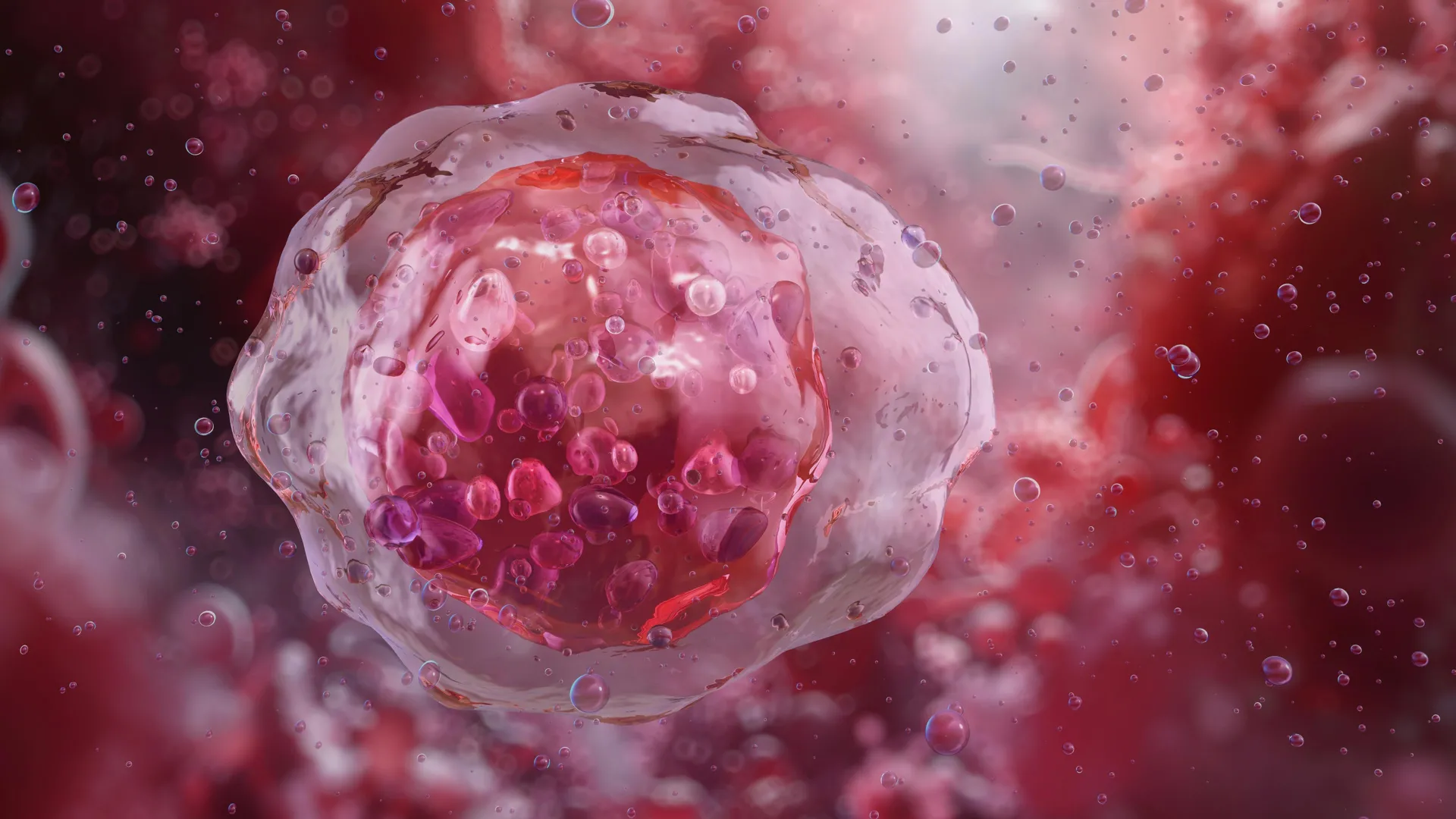
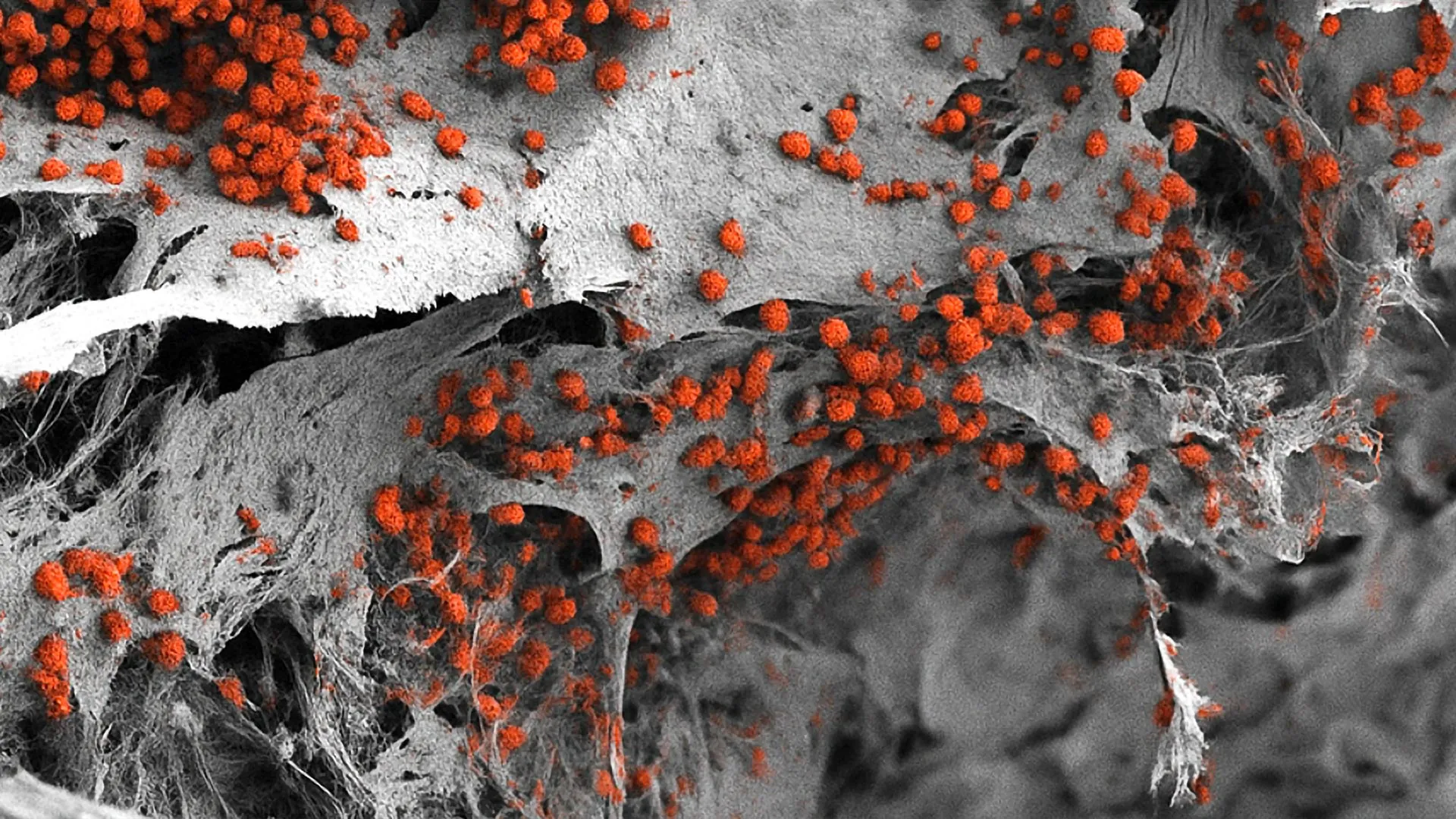
The researchers screened a volume of lung tissue roughly the size of a golf ball. Using advanced cellular markers and imaging techniques, they identified a population of stem cells that bore a striking resemblance to the well-known HSCs found in bone marrow. The density of these cells was particularly surprising; the researchers found that HSCs were present in the lung at rates comparable to those found in the bone marrow, suggesting that their presence was not incidental but structural.
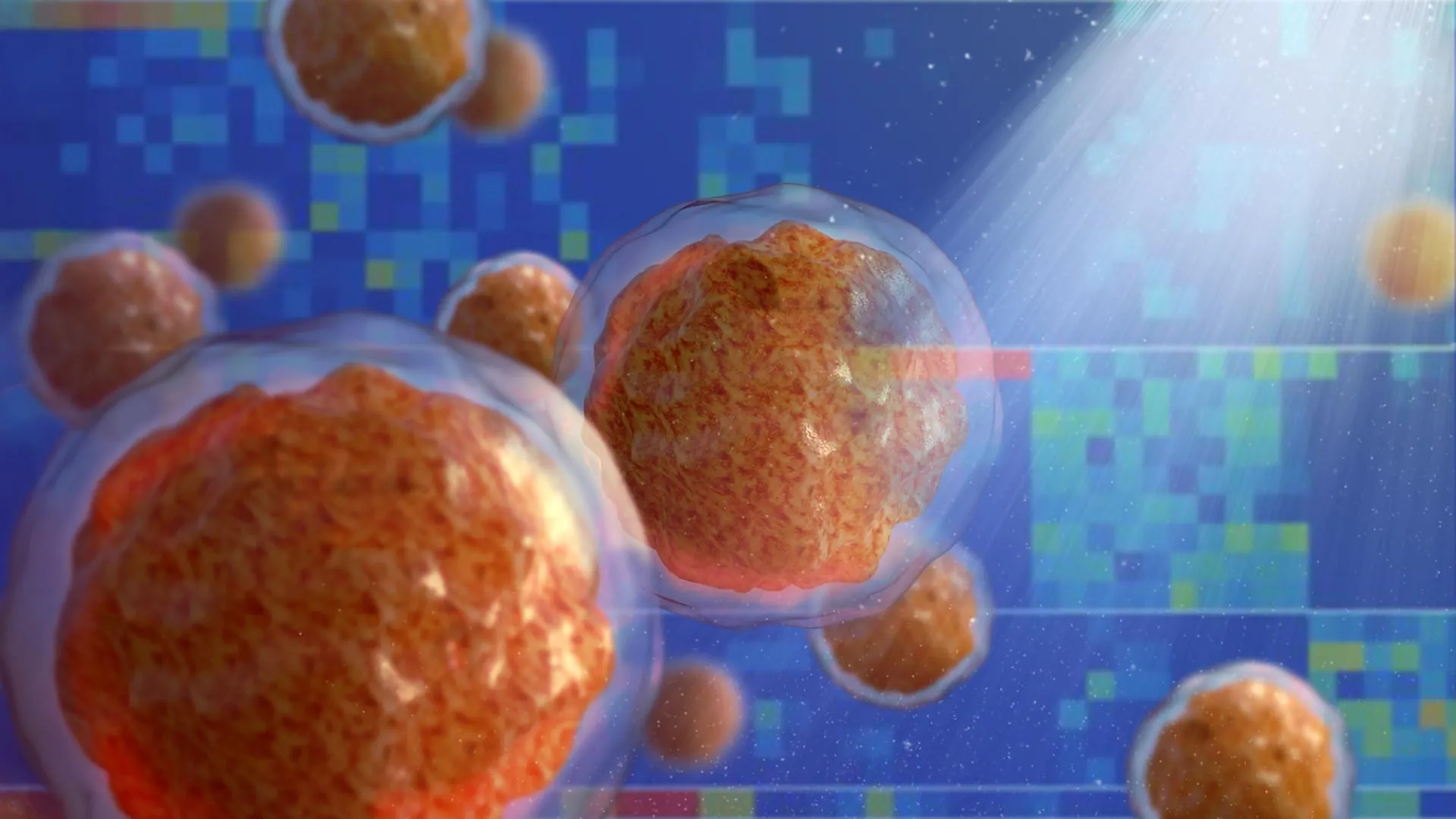
"The lung HSCs weren’t one-offs—they were a reliable presence in the lungs," said Catharina Conrad, MD, PhD, a postdoctoral scholar in Looney’s lab and the study’s first author. To prove that these cells were functional rather than dormant, the team conducted "gold-standard" stem cell experiments. They placed both lung-derived and bone-marrow-derived HSCs into petri dishes and coaxed them to mature.
The results revealed a nuanced division of labor. While both types of stem cells thrived and produced blood components, the lung HSC colonies were significantly more productive in generating red blood cells and megakaryocytes. Conversely, the bone marrow colonies showed a higher propensity for producing immune cells. This suggests that while the two reservoirs are similar, they may be specialized to meet different physiological demands.
The Lung as an "Emergency Reservoir"
One of the most compelling aspects of the study involved testing the regenerative capacity of these lung-based stem cells. In a series of experiments using HSC-deficient mice, the researchers found that human lung HSCs were capable of migrating to the bone marrow and restoring blood production. This confirmed a reciprocal relationship between the two organs: the lung and bone marrow appear to complement one another, sending stem cells back and forth to maintain systemic balance.
Dr. Looney and his team propose that the lungs act as an "emergency reservoir" for hematopoiesis. Because the lungs are central to the circulatory system and are the first point of contact for oxygen, they are uniquely positioned to respond to physiological stress. If the body experiences a sudden drop in red blood cells or platelets—due to trauma, surgery, or disease—the lung HSCs may be activated to rapidly bolster the blood supply.
"We think these HSCs could be a reservoir of hematopoiesis in a particular organ, in this case the lung, that gets activated whenever the body needs more of any part of the blood," Dr. Looney explained. This theory aligns with the anatomical findings of the study; the researchers located these HSCs nestled between blood vessels in the lung, in an arrangement that mirrors the protective "niches" found in bone marrow.
"They really seem to live there and aren’t just passing through," Dr. Conrad added, addressing the possibility that the cells were merely transient passengers from the bone marrow caught in the lung’s extensive capillary network.
Implications for Bone Marrow Transplants and Cancer Therapy
The discovery has immediate and profound implications for the field of hematology, particularly regarding hematopoietic stem cell transplantation (HSCT). Currently, stem cell transplants—often used to treat leukemia, lymphoma, and various blood disorders—typically involve harvesting stem cells from a donor’s bone marrow or through a process called apheresis, which collects stem cells from the blood.
In a retrospective analysis of routine bone marrow transplants, the UCSF team made a remarkable discovery: nearly 20% of the stem cells currently isolated for these transplants carry the specific molecular signature of lung HSCs. This suggests that for years, clinicians have already been utilizing lung-derived stem cells in transplants without realizing their origin.
By identifying the unique characteristics of lung HSCs, scientists may be able to refine transplant procedures. If lung HSCs are indeed more efficient at producing red blood cells and platelets, they could be specifically targeted or enriched for patients suffering from severe anemia or thrombocytopenia (low platelet count). Furthermore, the realization that the lung is a viable source of these cells could expand the pool of available stem cells for patients who have difficulty finding a bone marrow match.
Historical Context and Future Research Directions
The traditional view of the bone marrow as the sole site of hematopoiesis dates back to the late 19th century. While minor sites of "extramedullary hematopoiesis" (blood production outside the bone marrow) have been documented in the spleen and liver, these were generally considered pathological responses to disease rather than normal physiological functions. The UCSF study challenges this by establishing the lung as a standard, healthy site for blood production.
However, the discovery also raises a series of new scientific questions that the team intends to investigate:
- Therapeutic Specificity: Can lung-derived HSCs be used to treat specific lung diseases, such as pulmonary hypertension or chronic obstructive pulmonary disease (COPD)?
- Environmental Influence: How does the unique, oxygen-rich environment of the lung influence the genetic expression and behavior of these stem cells compared to the hypoxic (low-oxygen) environment of the bone marrow?
- Clinical Harvesting: Is it possible to safely harvest these cells from the lungs of organ donors or even through minimally invasive procedures in living donors?
The research also prompts a re-evaluation of how the medical community views lung health. If the lungs are essential for blood production, then respiratory illnesses may have far-reaching effects on a patient’s hematological health that were previously misunderstood.
Conclusion: A New Frontier in Human Biology
The identification of the human lung as a blood-producing organ represents a landmark shift in our understanding of human anatomy. By demonstrating that HSCs are a "reliable presence" in the lungs and that they possess the capacity to restore the body’s blood supply, the UCSF team has provided a new lens through which to view both respiratory and circulatory health.
As Dr. Looney noted, "The lungs are critical to blood circulation, so it’s tantalizing to see the lung HSCs as an emergency reservoir. Now that we know they exist, it opens up a lot of new opportunities for a therapy that is very commonly used for patients with the need."
For patients awaiting stem cell transplants and for the clinicians who treat them, this "second reservoir" of life-saving cells offers hope for more effective treatments and a deeper understanding of the body’s internal resilience. The study serves as a potent reminder that even in the 21st century, the human body still holds fundamental secrets waiting to be uncovered through rigorous scientific inquiry.