In the complex field of reproductive medicine, the success of in vitro fertilization (IVF) remains a delicate balance of biological timing, environmental conditions, and cellular health. A primary hurdle in both human and veterinary IVF has long been the preservation of sperm viability outside the natural reproductive tract. Recently, a breakthrough study from the University of Illinois Urbana-Champaign has introduced a novel methodology to address this challenge by replicating the biochemical environment of the fallopian tube. By utilizing specific complex sugars known as glycans, researchers have developed a system that not only selects for high-quality sperm but also significantly extends their functional lifespan in a laboratory setting. This development promises to reduce the inherent variability of the IVF process and improve success rates across multiple species.
The Biological Foundation of the Sperm-Oviduct Interaction
To understand the significance of this discovery, one must look at the natural mechanisms of the mammalian reproductive system. In a natural conception, the fallopian tube—scientifically referred to as the oviduct—serves as more than just a conduit for eggs and sperm. It acts as a sophisticated reservoir that maintains sperm health, regulates their maturation, and ensures they are released in a controlled manner to meet the egg. This biological "holding pattern" is essential because sperm and eggs do not always arrive in the same location at the same time.
For decades, IVF procedures have struggled to replicate this reservoir. Once sperm are removed from the body and placed in standard laboratory culture media, their viability begins to decline rapidly. "The fallopian tube in women, or the oviduct, has an ability to lengthen sperm lifespan that, until now, we couldn’t recreate in IVF," explained David Miller, a professor in the Department of Animal Sciences at the University of Illinois and the senior author of the study. This limitation has historically forced clinicians and technicians to work within very narrow windows of time, often leading to lower fertilization rates or the need for higher concentrations of sperm, which carries its own set of complications.
In 2020, Miller’s research team made a pivotal discovery: the components responsible for this life-extending interaction are complex sugars called glycans. These molecules, which line the surface of the oviduct, possess the specific chemical architecture required to bind to sperm and keep them in a quiescent, yet viable, state.
Methodology: Harnessing suLeX for Laboratory Application
Following the 2020 discovery, Miller’s group collaborated with specialized chemists to identify which specific glycans were most effective at binding sperm. After testing hundreds of variations for their affinity to porcine (pig) sperm, the researchers identified a specific compound: sulfated Lewis X trisaccharide, or suLeX.
The selection of pig sperm for this study was a strategic choice. While the ultimate goal includes human application, the porcine model is highly relevant for several reasons. First, it serves as a robust proof of concept for mammalian biology. Second, the animal agriculture industry relies heavily on IVF and artificial insemination. In pig IVF, a common failure point is "polyspermy"—a condition where multiple sperm fertilize a single egg. Because pig eggs lack some of the robust blocks to polyspermy found in other species, a high concentration of free-swimming sperm in a petri dish often leads to inviable embryos.
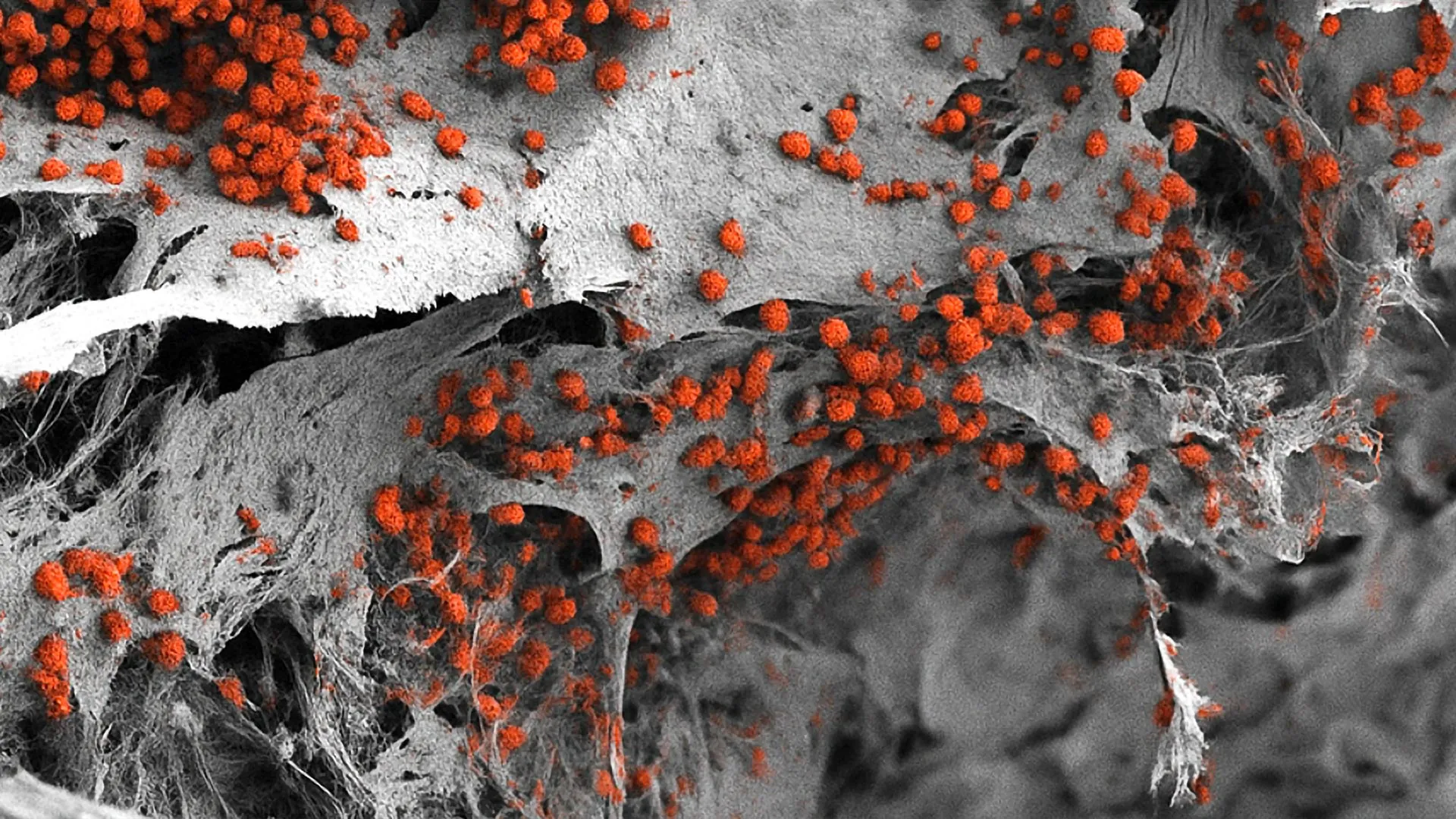
To test the efficacy of suLeX, the researchers developed a controlled experimental setup. They attached the suLeX glycans to the bottom of glass culture dishes, creating a biomimetic "carpet." Sperm were then introduced to these dishes and allowed 30 minutes to adhere to the glycan compounds. A critical component of this methodology was the ability to wash away any sperm that did not bind to the suLeX. This ensured that only the sperm with the specific surface proteins required to bind to the oviduct-like sugars remained in the dish.
Chronology of the Experiment and Statistical Outcomes
The researchers designed a time-lapse experiment to measure how well suLeX could preserve sperm function compared to standard methods. They introduced eggs to the sperm-laden dishes at four distinct intervals: 0, 6, 12, and 24 hours after the initial sperm binding.
The results, published in the journal Scientific Reports, demonstrated a stark difference between the glycan-treated groups and the controls.
-
Immediate Fertilization (0 Hours): At the initial time point, the IVF efficiency—defined as the percentage of fertilized zygotes relative to the total number of eggs—was 53% for the suLeX group. In contrast, the control group, which used standard culture dishes without oviduct compounds, showed an efficiency of only 36%. Two other "control" compounds tested by the team yielded approximately 40% efficiency, indicating that the specific structure of suLeX was the driving factor behind the improvement.
-
The 24-Hour Decline: As time progressed, fertilization rates naturally dropped across all groups due to the degradation of cellular components. However, the rate of decline was significantly mitigated in the suLeX dishes. By the 24-hour mark, the control group had effectively reached a point of failure, with only 1% of eggs being successfully fertilized. The suLeX group, however, maintained a fertilization rate of 12%.
While a 12% fertilization rate after 24 hours may seem modest, it represents a twelvefold increase over the current standard, effectively widening the "fertile window" for laboratory procedures.
Addressing the Challenge of Polyspermy
Beyond simply keeping sperm alive longer, the glycan-based system addressed the mechanical issue of sperm density. In traditional IVF, a high concentration of sperm is often used to ensure that at least some will reach the egg. However, in species like pigs, this "brute force" approach frequently leads to multiple sperm entering the egg simultaneously, resulting in a chromosomal imbalance that prevents the embryo from developing.
By using the suLeX-coated droplets, the researchers could bind a specific number of sperm to the surface and then wash away the "free-swimmers." This created a controlled environment where the sperm were released from the glycans more gradually, mimicking the natural release from the oviduct reservoir. "Because the sperm were bound securely to the glycan compound, we could reduce the overall number of sperm, which meant fewer cases where more than one sperm fertilized the eggs," Miller noted. This reduction in polyspermy is a significant hurdle cleared for the livestock industry.
Implications for Global Agriculture and Food Security
The agricultural implications of this research are substantial. The livestock industry, particularly dairy and swine production, is increasingly dependent on advanced reproductive technologies to meet global food demands. In the dairy sector, IVF is used to propagate embryos from high-genetic-merit cows—those that produce milk more efficiently or have higher resistance to disease.
By improving the efficiency of IVF in cattle and pigs, producers can more reliably generate high-quality offspring. "This technology could potentially help produce meat and milk more efficiently," Miller said. As the global population grows, the ability to produce more protein with fewer resources and higher success rates in breeding is a cornerstone of sustainable agriculture.
Furthermore, the ability to extend the lifespan of sperm in the lab allows for better logistics. In many agricultural settings, embryos are produced in centralized laboratories and then transported to farms. Extending the window of viability for the gametes involved in this process reduces the pressure of tight logistical timelines and decreases the economic loss associated with failed fertilization cycles.
Potential for Human IVF and Clinical Application
While the study focused on porcine models, the bridge to human medicine is a primary objective for the research team. In human IVF, one of the most common challenges is the "timing mismatch." During a typical IVF cycle, a woman’s eggs are harvested after a regimen of hormone treatments. However, not all eggs reach the same stage of maturity at the exact same moment. Similarly, sperm samples provided for the procedure may have varying levels of maturity and longevity.
"Both eggs and sperm have to undergo a maturation phase before they’re ready for fertilization, so the timing is critical," Miller explained. "There’s variability in the time it takes sperm to complete their final major maturation step."
If a human-specific glycan can be identified and utilized in a similar manner to suLeX, it could allow clinicians to "park" sperm in a viable state on a glycan-coated dish, waiting for the eggs to reach peak maturity. This would eliminate the need for precise synchronization that currently limits IVF success rates and often requires patients to undergo multiple expensive and physically demanding cycles.
While the specific glycans that bind human sperm have not yet been fully identified, the success of the suLeX model provides a clear roadmap for discovery. Researchers are now looking toward identifying the human equivalent of these oviduct sugars, which could lead to a new generation of IVF culture ware designed to mimic the human female reproductive tract.
Expert Perspectives and Future Directions
The study, titled "Porcine sperm bind to an oviduct glycan coupled to glass surfaces as a model of sperm interaction with the oviduct," represents a collaborative effort involving experts in animal sciences, genomics, and chemistry. Authors Sandra Soto-Heras, Larissa Volz, and Nicolai Bovin worked alongside Miller to bridge the gap between carbohydrate chemistry and reproductive biology.
The research was supported by the Eunice Kennedy Shriver National Institute of Child Health and Human Development, a branch of the National Institutes of Health (NIH). This federal backing underscores the perceived importance of the work for both basic biological understanding and clinical application.
Industry analysts suggest that if this technology is commercialized, it could integrate seamlessly into existing IVF workflows. Rather than requiring entirely new machinery, the innovation lies in the coating of the consumables—the dishes and tubes already used in labs. This "low-friction" path to adoption makes it an attractive prospect for biotech companies specializing in reproductive health.
As the team at the University of Illinois moves forward, the next steps involve verifying these results in other species and beginning the search for the human-specific glycan profiles. The ultimate goal is a standardized, glycan-enhanced IVF protocol that reduces the stress on the cells and increases the joy of successful outcomes for both farmers and families.
In the broader context of biotechnology, this research highlights a shift toward "biomimicry"—the practice of looking to nature’s refined systems to solve complex engineering and medical problems. By acknowledging that the oviduct is not merely a tube but a sophisticated biological incubator, Miller and his team have opened a new door in the quest to understand and assist the beginning of life.