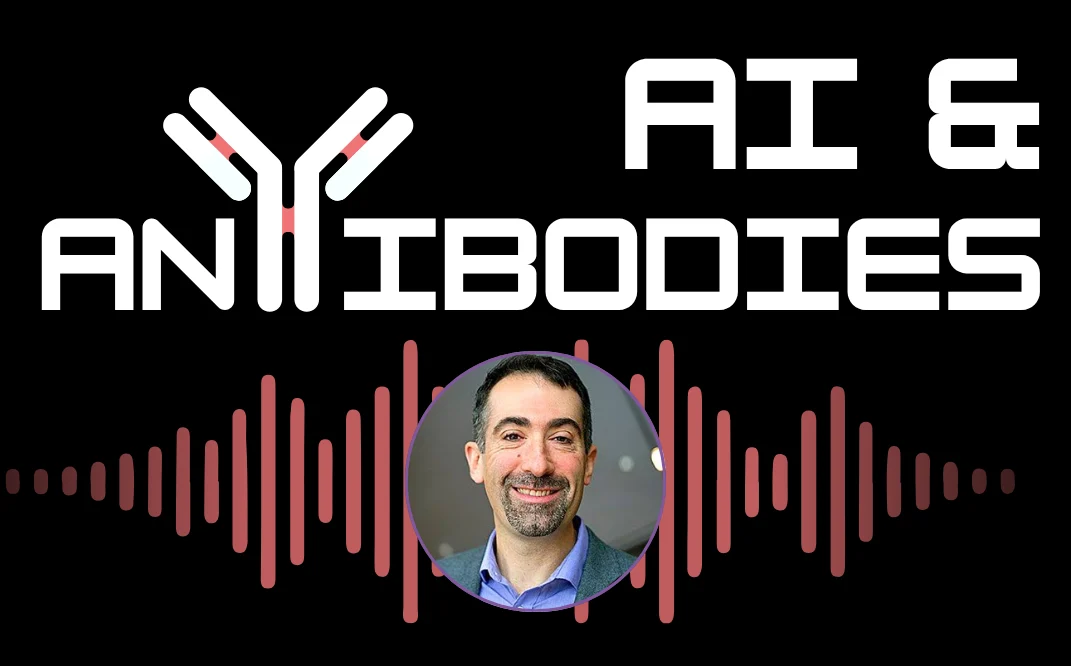
In a significant advancement for pharmaceutical sciences, Professor Peter Tessier, the esteemed Albert M. Mattocks Professor of Pharmaceutical Sciences and Chemical Engineering at the University of Michigan (MI, USA), is leading groundbreaking research into the application of machine learning to fundamentally transform the development and administration of therapeutic antibodies. His work focuses on predicting and improving the deliverability of these critical biopharmaceuticals by systematically altering key characteristics that historically lead to issues in formulation, most notably antibody viscosity. This innovative approach promises to unlock the full potential of subcutaneous antibody delivery, offering patients unprecedented convenience and enhancing the accessibility of life-saving treatments.
The Evolving Landscape of Therapeutic Antibodies and Delivery Demands
Therapeutic antibodies represent one of the fastest-growing classes of pharmaceuticals, revolutionizing treatment paradigms for a wide array of conditions, including various cancers, autoimmune diseases, infectious diseases, and inflammatory disorders. Since the approval of the first monoclonal antibody (mAb), Muromonab-CD3, in 1986, the market has exploded, with hundreds of mAbs now approved globally and thousands more in various stages of development. The global therapeutic antibody market, valued at over $150 billion in 2020, is projected to exceed $300 billion by 2027, underscoring their pivotal role in modern medicine.
Traditionally, many therapeutic antibodies are administered intravenously (IV), requiring patients to visit clinics or hospitals for lengthy infusions, often lasting several hours. While effective, IV administration places a significant burden on healthcare infrastructure, increases patient travel time and costs, and can disrupt daily life. Recognizing these limitations, there has been a concerted push within the biopharmaceutical industry over the past two decades to develop subcutaneous (SC) formulations. Subcutaneous delivery offers a paradigm shift, enabling patients to self-administer their medication at home, similar to insulin injections, thereby enhancing convenience, improving treatment adherence, and reducing healthcare expenditures.
However, the transition from IV to SC formulations presents substantial scientific and engineering hurdles. A primary challenge is the need for highly concentrated antibody solutions. While IV infusions can dilute antibodies over a large volume, SC injections are limited to a much smaller volume, typically 1-2 mL, necessitating antibody concentrations that can reach hundreds of milligrams per milliliter. At these high concentrations, antibodies often exhibit increased viscosity, transforming the drug into a thick, gel-like substance that is difficult, if not impossible, to inject using standard needles and syringes. Viscosity thresholds for practical subcutaneous injection are typically below 20-50 centipoise (cP), whereas highly concentrated antibody formulations can easily exceed 100 cP or more, rendering them uninjectable.
The Viscosity Conundrum: A Historical Bottleneck
The phenomenon of high viscosity in concentrated antibody solutions stems primarily from undesirable protein-protein interactions. At elevated concentrations, antibodies can self-associate, forming transient networks or aggregates that impede flow. These interactions are complex, influenced by a myriad of factors including the antibody’s primary amino acid sequence, its three-dimensional structure, surface charge distribution, hydrophobicity, and the presence of various excipients (e.g., salts, sugars, surfactants) in the formulation.
For many years, addressing high viscosity has largely been a trial-and-error process, an expensive and time-consuming bottleneck in drug development. Scientists would typically synthesize various antibody variants or screen different excipient combinations, testing each for viscosity and stability. This empirical approach often involved extensive experimental campaigns, delaying drug development timelines and sometimes forcing companies to abandon promising therapeutic candidates due to intractable formulation challenges. The inability to reliably predict viscosity early in the drug discovery pipeline meant that significant resources could be invested in an antibody only to discover late in development that it was unsuitable for high-concentration SC formulation.
A New Era: Machine Learning Predicts and Optimizes Antibody Deliverability
Professor Tessier and his team at the University of Michigan have ushered in a new era for addressing the viscosity challenge by leveraging the power of machine learning (ML). Their pioneering work focuses on developing sophisticated computational models that can predict the viscosity of an antibody formulation based on its inherent biophysical properties, primarily its amino acid sequence and inferred structural characteristics. This predictive capability is a monumental leap forward, moving beyond reactive problem-solving to proactive design.
The core of their innovation lies in training machine learning algorithms on vast datasets comprising experimentally determined viscosity measurements for numerous antibody variants, correlated with their sequence and structural attributes. These attributes include parameters such as hydrophobicity, charge distribution, propensity for aggregation, and specific amino acid motifs. By identifying intricate patterns and correlations that are often too complex for human interpretation, the ML models learn to map sequence-structure features to macroscopic viscosity behavior.
Once trained, these models can then be used in two critical ways:
- Prediction: Given the amino acid sequence of a novel antibody candidate, the model can rapidly predict its likely viscosity at high concentrations, providing an early assessment of its developability for SC formulation. This allows researchers to identify problematic candidates much earlier, saving significant time and resources.
- Optimization: More powerfully, the models can be employed to suggest specific amino acid modifications or mutations to an antibody sequence that are predicted to reduce viscosity while preserving its therapeutic efficacy and stability. This directed engineering approach replaces blind experimentation with intelligent design, allowing for the rational optimization of antibody properties for improved deliverability. For instance, the model might identify specific "hotspots" on the antibody surface contributing to self-association and suggest mutations to more hydrophilic or less charged residues in those regions to mitigate interactions.
The Chronology of an Innovation
The journey towards AI-driven antibody engineering is a testament to years of foundational research in protein biophysics and the accelerating integration of computational methods in drug discovery.
- Early 2000s: The biopharmaceutical industry increasingly recognized the patient and economic benefits of subcutaneous antibody delivery, leading to intensified research into high-concentration formulations.
- Mid-2000s to Early 2010s: Initial attempts to address high viscosity involved empirical screening of excipients and limited rational design based on general protein engineering principles. The limitations of these approaches became evident, highlighting the need for more predictive tools.
- Early 2010s: With the rise of big data and advancements in computational power, machine learning began to gain traction in various scientific fields, including drug discovery, primarily for small molecule prediction.
- Mid-2010s: Professor Tessier’s lab, building on its extensive expertise in protein engineering and biophysical characterization, began to explore the potential of machine learning specifically for complex protein properties like viscosity and aggregation. This involved meticulous collection and generation of high-quality experimental data on antibody variants.
- Late 2010s: The development and iterative refinement of early machine learning models capable of correlating antibody sequence features with experimental viscosity data. This phase involved significant computational biology and data science expertise.
- Early 2020s: Validation and enhancement of these models, demonstrating their predictive power and utility in guiding rational antibody design. The work presented in the "AI in Antibodies mini-series" represents the maturation and broader dissemination of these groundbreaking findings, marking a pivotal moment in the application of AI to solve long-standing biopharmaceutical challenges.
Impact and Implications for Drug Development and Patient Care
The implications of Professor Tessier’s work are far-reaching, promising to reshape several facets of the biopharmaceutical landscape:
Accelerated Drug Development: By enabling early prediction and rational optimization of antibody deliverability, development timelines can be significantly shortened. Drug candidates with inherent viscosity issues can be identified and modified early, preventing costly late-stage failures. This accelerates the journey from discovery to market, bringing life-saving therapies to patients faster.
Reduced Costs: Fewer failed candidates and more efficient formulation development translate directly into reduced research and development costs for pharmaceutical companies. This efficiency can potentially contribute to more affordable treatments in the long run.
Enhanced Patient Convenience and Adherence: The primary beneficiary of this research is ultimately the patient. Easier, at-home subcutaneous administration vastly improves the quality of life for individuals requiring chronic antibody therapy, reducing the burden of frequent clinic visits and empowering them with greater autonomy over their treatment. Improved convenience is also strongly correlated with better patient adherence to prescribed regimens, leading to superior treatment outcomes.
Broader Accessibility: For patients in rural areas or those with limited access to specialized infusion centers, at-home SC administration dramatically improves access to essential therapies. This has significant implications for global health equity.
New Therapeutic Possibilities: The ability to reliably formulate highly concentrated antibody solutions may unlock the development of novel therapeutic antibodies that were previously deemed undeliverable due to their biophysical properties. This could expand the therapeutic arsenal for currently untreatable or poorly treated diseases.
Industry Reactions and Future Outlook
The biopharmaceutical industry has greeted advancements in AI-driven protein engineering with considerable enthusiasm. Industry analysts and executives recognize that predictive modeling tools, such as those developed by Professor Tessier’s team, are indispensable for navigating the increasing complexity of biologics development.
"The traditional hit-or-miss approach to antibody formulation is becoming untenable given the pipeline of next-generation biologics," stated a senior R&D executive at a leading biopharmaceutical company, who wished to remain anonymous to discuss competitive strategies. "Tools that can predict developability from sequence data are not just an advantage; they are rapidly becoming a necessity to stay competitive and efficient."
Furthermore, patient advocacy groups are keenly interested in these innovations. "Anything that makes life easier for patients needing long-term treatment, especially for chronic conditions, is a huge step forward," commented a spokesperson for a national patient organization. "The prospect of administering complex therapies at home, safely and effectively, is incredibly empowering."
Looking ahead, the research from Professor Tessier’s lab is poised to influence not only antibody development but potentially other complex protein therapeutics, such as multi-specific antibodies, antibody-drug conjugates (ADCs), and even components of gene therapies. The underlying principles of using machine learning to predict and optimize biophysical properties from sequence data are broadly applicable. Future work may also involve integrating more complex structural data, dynamic simulations, and expanding the scope of predictions beyond viscosity to include aggregation, stability, and immunogenicity. The continued refinement of these AI models, coupled with ongoing advancements in high-throughput experimental validation, will solidify the role of computational design as an integral component of modern biopharmaceutical research and development.
Professor Tessier’s work at the University of Michigan stands as a beacon of innovation, demonstrating how the convergence of advanced computational science and biophysical understanding can resolve critical bottlenecks in drug development, ultimately leading to more accessible, effective, and patient-centric therapeutic options. This shift towards intelligent, data-driven design represents a profound transformation in how we discover, develop, and deliver the medicines of tomorrow.