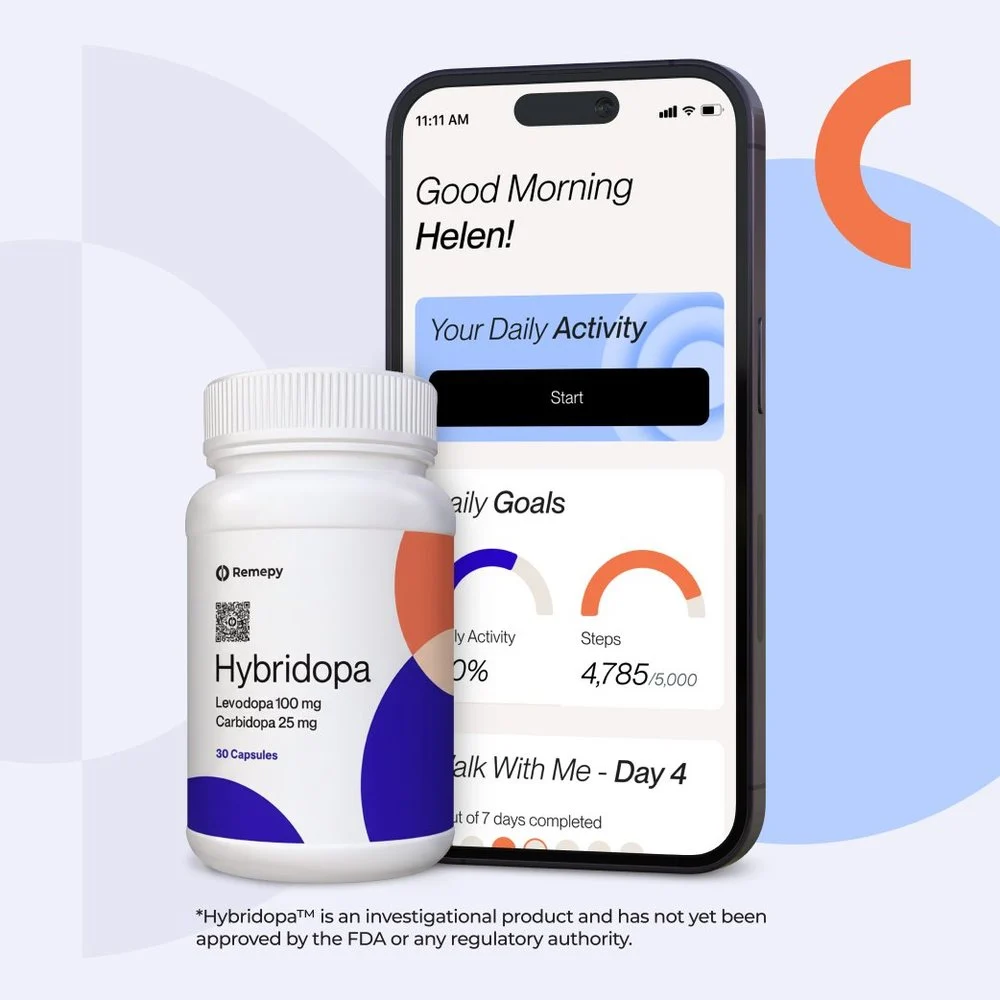
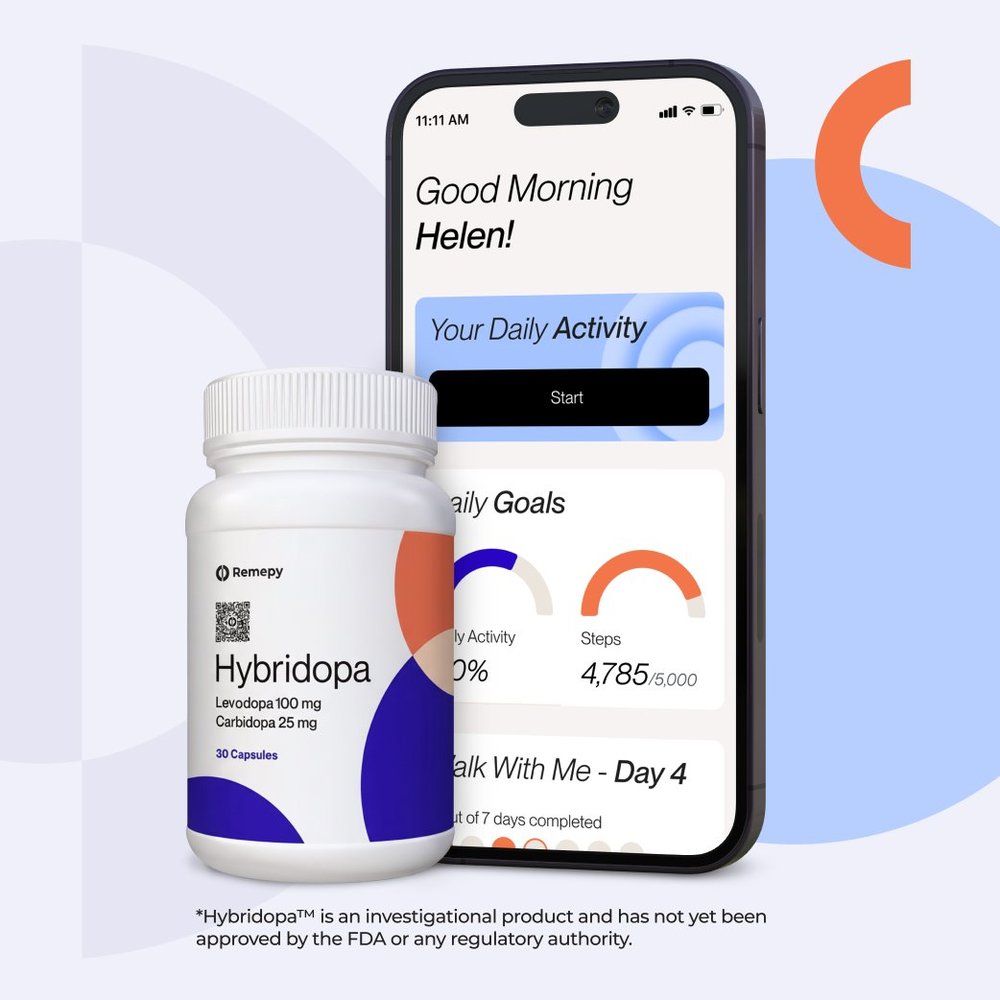
In a significant advancement for integrated medicine, Remepy, a pioneering startup, has announced successful Phase IIa clinical trial results for its innovative "hybrid drug," Hybridopa, designed for Parkinson’s disease. This marks a pivotal moment in the convergence of pharmaceutical treatment and digital health, demonstrating the potential for artificial intelligence (AI)-driven applications to profoundly enhance the efficacy of conventional medications. Hybridopa combines the established Parkinson’s medication carbidopa-levodopa with an AI-powered, phone-based daily protocol, DopApp, aiming to provide a more holistic and personalized treatment approach. The positive outcomes, detailed in a recent publication in Brain Communications, suggest a new paradigm for chronic disease management, potentially doubling the therapeutic effect of medication alone.
The Vision Behind Hybrid Drugs: A New Frontier in Integrated Care
The concept of integrating technology into healthcare is not new. The early smartphone era, sparked by the launch of Apple’s App Store in 2008 and closely followed by Android Market, birthed the ubiquitous phrase, "There’s an app for that." This technological boom quickly permeated medical discourse, with visionary clinicians like Scripps cardiologist Eric Topol and physician-innovator Daniel Kraft predicting a future where smartphones, sensors, and apps would revolutionize disease diagnosis, monitoring, and management. They envisioned a time when digital tools would be prescribed with the same regularity as pills.
However, this ambitious vision has largely remained aspirational, despite the emergence of FDA-cleared digital therapeutics (DTx). These standalone software programs, designed to prevent, manage, or treat a medical disorder, have faced substantial hurdles, particularly concerning reimbursement and commercial viability. Michal Tsur, Ph.D., co-founder and co-CEO of Remepy, attributes this slow adoption to the nascent stage of the digital therapeutic ecosystem itself. Remepy’s response is the "hybrid drug" – a carefully engineered combination of a conventional pharmaceutical agent and an AI-driven, app-delivered treatment protocol. "I think one reason nobody has done it before is that the digital therapeutic ecosystem had to evolve first," Tsur stated, highlighting the necessity of a matured digital infrastructure for their model to thrive.

Remepy’s foundational philosophy critiques the fragmented nature of conventional medical care, advocating for a cohesive, multidisciplinary approach to improve patient outcomes. "Everything we do is the understanding that most medical conditions are better treated with a multidisciplinary, integrative approach," Tsur explained. This integration can encompass pharmaceutical treatments alongside a spectrum of non-pharmaceutical interventions, including physiotherapy, mental health support, cognitive neuromodulation, and speech therapy. The increasing power and sophistication of mobile technology now enable the delivery, measurement, and personalization of these high-quality interventions directly through a handheld device, thereby consolidating disparate elements of care into a single, unified therapeutic package.
Strategic Focus: Identifying the Right Conditions for Hybrid Therapy
Remepy’s selection criteria for target diseases are rigorous, focusing on conditions where non-pharmaceutical interventions have already demonstrated meaningful efficacy and where patients are likely to remain engaged with a structured digital protocol. Tsur emphasized the potential for significant clinical impact: "For many diseases, such as Parkinson’s, certain oncology indications, many neurology and immunology indications, and definitely many women’s health indications, integrating a drug with non-pharmaceutical interventions can sometimes double the clinical effect." This prioritization ensures that Remepy directs its efforts towards therapeutic areas where the synergistic effect of pharmaceutical and digital interventions promises the largest potential improvement in patient health.
Parkinson’s disease, a progressive neurodegenerative disorder affecting millions globally, emerged as a prime candidate for Remepy’s hybrid approach. Characterized by motor symptoms like tremors, rigidity, and bradykinesia, as well as a wide array of non-motor symptoms, Parkinson’s often requires a multifaceted treatment strategy. While levodopa, typically combined with carbidopa, remains the gold standard for motor symptom management, its long-term efficacy is limited by the development of motor fluctuations and dyskinesias. A 13-year cohort study, for instance, revealed that over half of patients experienced motor fluctuations within five years of treatment, and virtually all within a decade. This inherent "ceiling effect" of pharmacological monotherapy presents a clear opportunity for augmentation through integrated digital interventions. Remepy’s hypothesis is that levodopa’s benefits can be extended and enhanced when combined with a daily protocol addressing movement, speech, cognition, and mood – all within a single therapeutic package.
Learning from the First Wave: Overcoming Commercial Hurdles of Digital Therapeutics
The trajectory of digital therapeutics has been marked by both innovation and significant commercial challenges. A prominent example is Pear Therapeutics, once heralded as a pioneer in prescription digital therapeutics, which filed for Chapter 11 bankruptcy in 2023. Despite demonstrating that its software could be prescribed by doctors and used by patients, Pear ultimately failed to secure sustainable reimbursement models. This commercial failure underscored a critical flaw in the initial DTx ecosystem: while clinical utility was proven, the economic framework for widespread adoption was absent.
Remepy was designed with these lessons in mind. "That’s where we decided to invent this new type of product, which we call hybrid drugs, integrating a pharmaceutical drug with a digital protocol delivered by an app," Tsur explained. By intertwining the software with a drug, Remepy aims to translate the clinical benefits of digital health into established pharmaceutical economics. This is achieved through leveraging regulatory frameworks such as combination-product regulation and the FDA’s Prescription Drug Use-Related Software (PDURS) pathway. The PDURS pathway, in particular, represents a significant "tailwind" for Remepy, potentially allowing the software component to support an expanded drug label based on its proven therapeutic effect. This strategic alignment with existing pharmaceutical regulatory and commercial models is crucial for ensuring the long-term viability and accessibility of hybrid drugs.
The inherent advantage of an app in this hybrid model lies in its ability to integrate multiple therapeutic mechanisms simultaneously, unlike a single drug which typically targets one. "Drugs usually have one mechanism. An app can have many," Tsur noted. This multi-modal capability is particularly valuable in diseases with high patient variability, where a broad set of interventions can overcome individual differences in symptoms, underlying mechanisms, and treatment responses. By personalizing and adapting exercises, cognitive tasks, and behavioral prompts, the app can address the diverse and evolving needs of patients more comprehensively than a fixed drug regimen alone.
Hybridopa for Parkinson’s: Mechanism, Trial Design, and Compelling Results
Remepy’s foray into Parkinson’s disease treatment materializes in Hybridopa, an investigational combination product. It integrates carbidopa-levodopa, the venerable cornerstone of motor therapy, with a dynamic, AI-driven digital protocol delivered through an application dubbed DopApp. This protocol encompasses physiotherapy, speech exercises, and occupational therapy interventions, which are continuously adapted and refined based on the patient’s real-time progress and changing condition.

In May 2026, Remepy publicly reported the compelling results of its Phase IIa trial for Hybridopa, which were subsequently peer-reviewed and published in Brain Communications. This three-week, double-blind study involved 41 patients, all of whom continued on their existing levodopa doses. Participants were randomized to either receive the active DopApp protocol or a placebo app. The primary endpoint of the study was met with remarkable success. Patients in the active protocol group demonstrated a mean improvement of 9.7 points on the Movement Disorder Society-Unified Parkinson’s Disease Rating Scale (MDS-UPDRS), the globally recognized standard for assessing Parkinson’s severity. This contrasted sharply with a mere 1.95-point improvement observed in the placebo group. Furthermore, an impressive 90% of patients receiving the active DopApp protocol cleared a clinically meaningful five-point response threshold.
Tsur provided crucial context for these results, comparing them to the established efficacy of carbidopa-levodopa alone. "Carbidopa/levodopa reduces the Unified Parkinson’s Disease Rating Scale by about eight to ten points, and we reduced it by an extra 9.7 points compared to 1.95 for placebo, with a 90% response rate," she explained. By this measure, the digital intervention effectively doubled the therapeutic impact of the pharmaceutical component, pushing beyond the known ceiling effect of levodopa monotherapy. This statistically significant and clinically meaningful improvement underscores the transformative potential of Remepy’s hybrid drug model.
Integrating Fragmented Care: A Streamlined Approach for Physicians and Patients
Current Parkinson’s care guidelines unequivocally acknowledge the critical role of rehabilitative services, including physiotherapy, occupational therapy, and speech-language therapy. However, in practice, these disciplines are often fragmented, existing as separate referral pathways that patients must navigate in addition to their pharmacological regimen. A neurologist might prescribe levodopa but then only recommend various non-pharmacological interventions, leaving the patient to independently seek and coordinate these disparate services. This often leads to inconsistencies in adherence, suboptimal integration, and potentially diluted overall treatment effects.
Hybridopa directly addresses this fragmentation by collapsing the multidisciplinary care plan into a single, prescribable product. Remepy’s innovation is designed to simplify the treatment paradigm for both physicians and patients. "We’re making physicians’ lives easier," Tsur affirmed, "because instead of prescribing a drug and then recommending many other therapies, which they do, they just prescribe a hybrid drug." This streamlined approach could enhance patient adherence to non-pharmacological interventions, ensure their consistency, and ultimately lead to more predictable and improved clinical outcomes. For patients, it means a more integrated, user-friendly, and potentially more effective path to managing their complex condition. The app’s ability to track daily movement, prompt activities, and allow patients to log symptoms like pain and stiffness, with an option to share this data with their care team, further enhances this integrated experience, fostering a more informed and collaborative patient-provider relationship.

Broader Implications and the Road Ahead
The success of Hybridopa’s Phase IIa trial carries profound implications across the healthcare spectrum. For Parkinson’s patients, it offers hope for a more effective and sustained management of their symptoms, potentially delaying disease progression and significantly improving their quality of life. For the pharmaceutical industry, Remepy’s model presents a compelling blueprint for drug development, suggesting that the "ceiling effect" of many existing medications can be overcome by intelligent digital augmentation, thereby extending product lifecycles and therapeutic value.
For the wider digital health and digital therapeutics sector, Remepy’s hybrid drug strategy could represent the long-sought pathway to commercial viability and widespread adoption. By integrating software directly into a drug’s regulatory and economic framework, the model effectively bypasses many of the reimbursement challenges that plagued earlier standalone DTx companies. This could unlock substantial investment and innovation in the digital health space, fostering a new generation of integrated therapeutic solutions.
From a regulatory standpoint, the FDA’s evolving stance on combination products and the PDURS pathway demonstrates a clear recognition of the potential of such integrated therapies. Remepy’s successful navigation of these frameworks will provide valuable precedents for future innovations at the intersection of pharmacology and digital technology. The next critical step for Remepy will be to advance Hybridopa into larger-scale Phase III clinical trials, which will be essential for validating its long-term efficacy and safety, and ultimately, for securing regulatory approval for this groundbreaking hybrid drug. The successful conclusion of the Phase IIa trial marks a pivotal moment, signaling a tangible shift towards a future where intelligent digital solutions are not merely adjuncts but integral components of medical treatment.