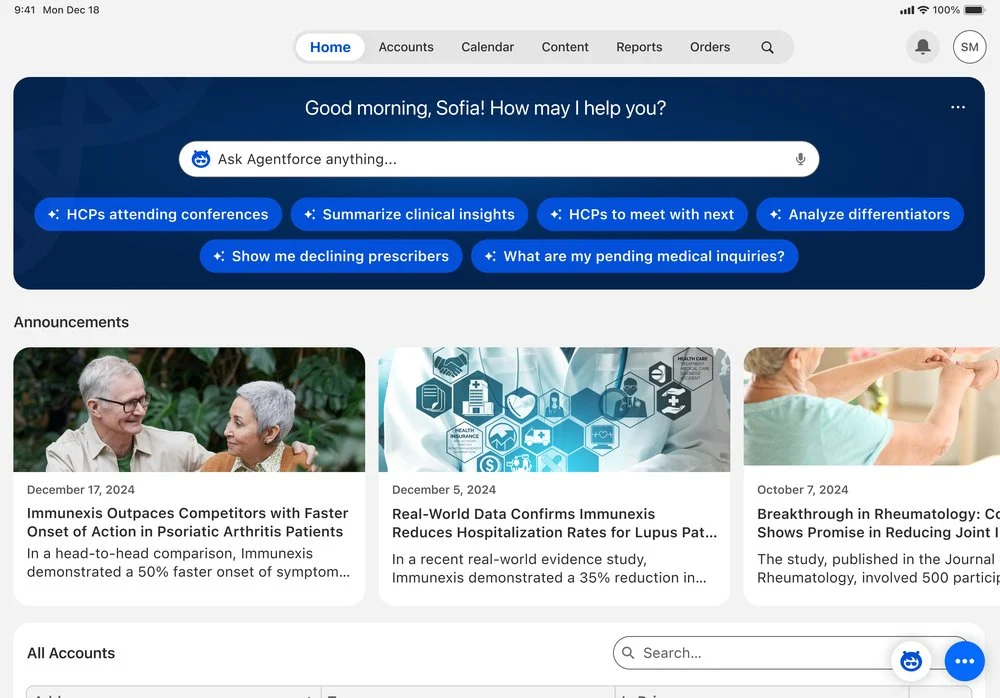
Boston, MA – As Peter Gassner, CEO of Veeva Systems, a dominant cloud software provider in the life sciences sector, addressed attendees at the Veeva Commercial Summit in Boston, rival Salesforce simultaneously announced a significant expansion of its footprint within the industry. Salesforce revealed that over 140 life sciences organizations have now adopted its competing Agentforce Life Sciences platform, marking a strategic escalation in the intensely competitive market for pharmaceutical and biotech enterprise solutions. Among the notable clients leveraging Salesforce’s offerings are industry giants such as Novartis, AstraZeneca, Moderna, and Merck Animal Health, underscoring the platform’s growing appeal to a diverse range of companies.
Joe Ferraro, Senior Vice President and General Manager of life sciences at Salesforce, emphasized the breadth of the platform’s application across its new client base. "The 140 represents customers across our entire portfolio," Ferraro stated, "regardless of whether they are using it for patient engagement, clinical engagement, commercial engagement or medical engagement." This comprehensive adoption highlights Salesforce’s ambition to position Agentforce Life Sciences as a versatile, AI-native platform capable of addressing critical functions throughout the entire drug lifecycle, from research and development to commercialization and post-market surveillance.
The Intensifying Battle for Life Sciences AI Dominance
The simultaneous announcements from Salesforce and Veeva underscore a pivotal moment in the digital transformation of the life sciences industry, characterized by an accelerating arms race in artificial intelligence capabilities. Both companies are aggressively championing "agentic AI" as the future of enterprise software, promising to revolutionize how pharmaceutical and biotech companies operate. Veeva’s Peter Gassner, speaking at his company’s Commercial Summit, articulated this shift, proclaiming, "The Agentic Commercial model changes everything about how we approach commercialization." He pointed to its profound impact on diverse areas, from "digital and non-personal promotion" to field team operations and content approval workflows, signaling a paradigm shift in how drugmakers engage with healthcare professionals, patients, and regulators.
This direct competition reflects a broader industry trend where AI is no longer a peripheral tool but a core strategic imperative. Life sciences companies, facing increasing pressure to accelerate drug discovery, optimize clinical trials, enhance patient engagement, and streamline commercial efforts, are actively seeking advanced AI solutions. The rivalry between Salesforce and Veeva, two titans of cloud software, is therefore not just about market share but about shaping the fundamental operational models of one of the world’s most critical and regulated industries.
Salesforce’s Long-Standing AI Commitment and the Rise of Agentforce
While the recent surge in AI interest might seem new to some, Salesforce asserts a deep-seated commitment to artificial intelligence that predates the current generative AI boom. Ferraro underscored this historical advantage, stating, "Salesforce has been pioneering AI for the last decade, whereas many legacy systems have been slow to innovate." He further suggested that Salesforce’s sustained vision, coupled with significant customer demand, has spurred competitors like Veeva to accelerate their own AI development.
Salesforce CEO Marc Benioff’s vision for an "AI-first company" dates back to an internal all-hands meeting in 2014. That same year, the company acquired the machine-learning startup RelateIQ for an estimated $390 million, a move that laid foundational capabilities for integrating predictive intelligence into its core CRM offerings. The culmination of these early efforts was the launch of Einstein, Salesforce’s first CRM AI, at Dreamforce in 2016. Einstein brought machine learning, predictive analytics, and natural language processing capabilities directly into Salesforce applications, empowering sales, service, and marketing teams with data-driven insights.
In recent years, Benioff has dramatically amplified Salesforce’s focus on autonomous agents, especially following the widespread public awareness generated by platforms like ChatGPT. This renewed emphasis led to the launch of the Agentforce platform at Dreamforce in September 2024, branded as "digital labor." Benioff set an ambitious goal: to empower one billion agents by the end of 2025, signaling the company’s belief in the transformative power of AI-driven automation. This commitment continues to drive significant investment and growth. On the company’s first-quarter fiscal 2027 earnings call on May 27, Benioff informed investors that Salesforce had processed a staggering 28.6 trillion AI tokens, marking a 152% increase quarter-over-quarter. He unequivocally declared agentic AI as "the biggest growth opportunity" for the company since its pioneering move to bring CRM to the cloud, noting that Agentforce annual recurring revenue had already reached $1.2 billion.
"We have thousands of engineers working on AI at Salesforce right now," Ferraro asserted, highlighting the scale of Salesforce’s development efforts. "There is nowhere near that scale for Veeva, so we are able to move a lot faster from an agentic standpoint." This statement underscores a core competitive differentiator Salesforce aims to leverage: its extensive resources and long-standing AI infrastructure to outpace rivals in developing advanced agentic capabilities.
Veeva’s Strategic Response and Agentic Offerings
Veeva Systems, for its part, is not ceding ground lightly. Acknowledging the rapidly evolving AI landscape, Veeva announced its own significant advancements on May 27 with the introduction of Falcon, an agentic platform designed specifically for drug development. Falcon includes a suite of standard agents intended to deliver "agentic labor" across Veeva Development Cloud, encompassing its clinical, regulatory, and safety applications. Early adopter availability for Falcon is slated for November 2026, marking Veeva’s formal entry into this new frontier of AI-driven automation. Gassner characterized Falcon as the company’s "first offering in agentic labor," a clear signal of its strategic importance.
Prior to Falcon, Veeva had already begun integrating AI agents into its existing product ecosystem. Vault CRM’s Free Text, Voice, and Pre-call agents went live in December 2025, aimed at enhancing productivity and customer-centricity for commercial teams. Veeva’s public roadmap for 2026 included Safety and Quality agents, and its 26R1 release further introduced a Narrative Agent for Veeva Safety, designed to automate the generation of narratives from safety data.
Beyond internal development, Veeva has also pursued strategic acquisitions to bolster its AI capabilities. In March 2026, it acquired Ostro, an AI brand-engagement platform for life sciences, for approximately $100 million. This acquisition significantly enhances Veeva’s conversational AI capabilities, enabling it to answer patient and healthcare professional (HCP) questions using only Medical, Legal, and Regulatory (MLR)-approved content, thereby ensuring compliance and accuracy without generating novel, unvetted responses. At its Commercial Summit, Gassner also previewed a forthcoming Vault AI Tab, expected in August, which will provide a conversational layer allowing users to query their Vault data within existing security permissions, further embedding AI directly into their core applications.
The Architectural Divide: Headless AI vs. In-App Integration
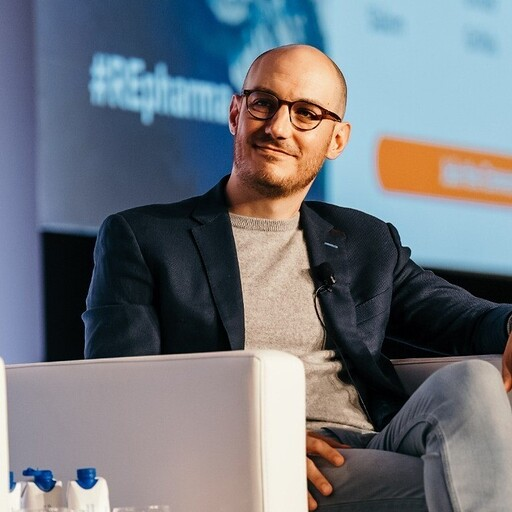
A fundamental difference in strategy between Salesforce and Veeva lies in their architectural approach to agentic AI: Salesforce champions a "headless" model, while Veeva prioritizes deep, in-app integration.
Salesforce’s "headless" strategy, as described by Ferraro, involves "popping the top off the platform, exposing all the APIs, and exposing all the data models and workflows as MCP tools." MCP, or Model Context Protocol, is an open standard introduced by Anthropic in 2024, which has since been donated to the Agentic AI Foundation, a Linux Foundation directed fund, in December 2025. This approach means that instead of requiring users to interact solely within Salesforce’s proprietary interfaces, the company exposes its productized workflows as MCP servers. These servers can then surface within whatever AI tool a customer is already utilizing. "I was with a customer yesterday who has made a significant investment in Anthropic, and they are going to use our MCP service for Agentforce Life Sciences to bring all of those compliant workflows directly inside Claude," Ferraro explained, illustrating the flexibility this model offers. This "surface-it-anywhere" philosophy aims to meet customers where they are, integrating Salesforce’s robust life sciences capabilities into their existing AI environments. Salesforce also offers flexibility in the model layer, supporting a range of Salesforce-managed models alongside customer-supplied models for Agentforce.
In contrast, Veeva’s Vault AI Agents are designed to run intrinsically within Veeva’s own applications, working "in-context" against its data, documents, and workflows. This represents a "depth-inside-the-app" posture, where the AI agents are tightly integrated into the familiar Veeva user experience. While third-party connectors like CData exist to expose Veeva data to external models, Veeva’s primary strategy for its standard agents (including Vault CRM’s) is to fix the model layer, running them on Anthropic and Amazon models hosted on Amazon Bedrock. Model choice is offered only for custom agents, where customers can opt for Veeva-hosted models or bring their own on Bedrock or Microsoft Azure AI Foundry. This approach emphasizes security, compliance, and seamless integration within a unified Veeva ecosystem.
Accelerating Adoption and Operational Efficiency through Agents
One of the tangible benefits highlighted by Salesforce for its Agentforce Life Sciences platform is the accelerated onboarding process for new clients. Salesforce has observed that some of its smaller life science customers have completed onboarding in approximately one month, a significantly reduced timeline compared to traditional enterprise software deployments. Large pharmaceutical and biotech companies like Chiesi Group and CSL are already leveraging Salesforce to unify customer data and orchestrate engagement across their commercial and medical operations.
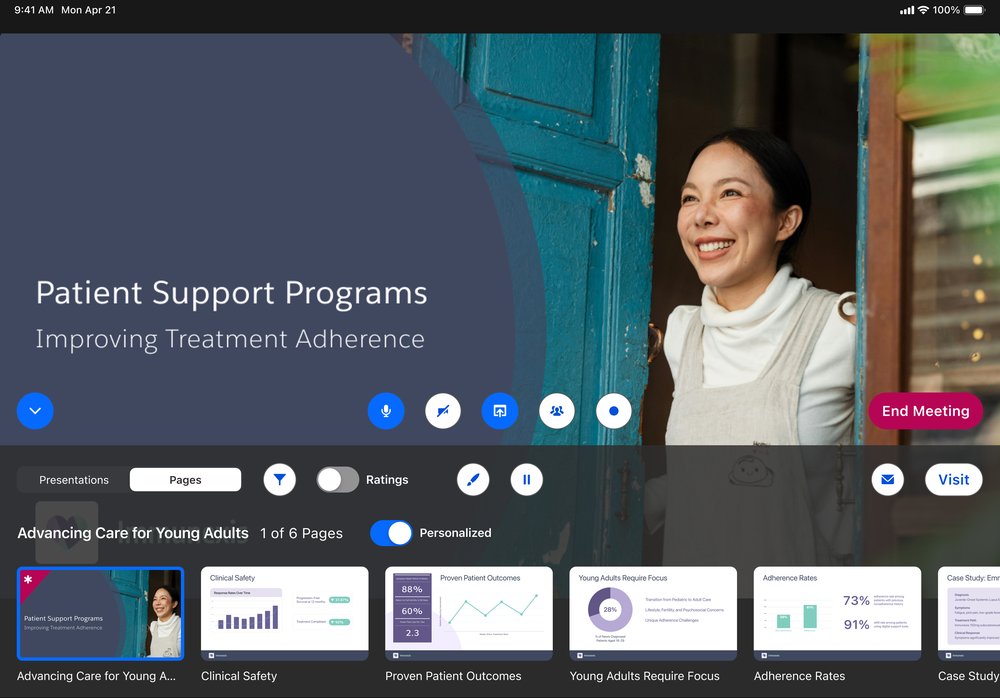
Ferraro attributes a substantial part of this rapid onboarding to the efficiency gains provided by AI agents. These agents dramatically reduce the need for extensive teams of consultants typically required to oversee complex implementations. "You get one forward-deployed engineer, and they can do the work of five or 10 previously, because they have Claude Code, or they have Codex, and they can point those tools at the Salesforce platform," he explained. For instance, Salesforce has developed an MCP server within Agentforce Life Sciences that can self-configure the product. A complex task such as adding a quick action to an iPad app that launches a specific UI prompt – a process that a human user would typically navigate through multiple nested configuration screens – can now be executed automatically by an AI agent, streamlining deployment and customization.
Navigating the Regulatory Labyrinth: Determinism and Compliance in AI
The life sciences industry operates under a stringent regulatory framework, where precision, predictability, and compliance are paramount. Large language models, by their very nature, are probabilistic, trained to predict the most likely next token based on context. While this capability is excellent for summarizing vast documents or generating creative content, it poses significant challenges for workflows demanding absolute determinism, such as how often a sales representative can contact a physician, the exact wording of a promotional message, or the verification of patient consent. These actions are heavily regulated, and any deviation can lead to severe penalties.
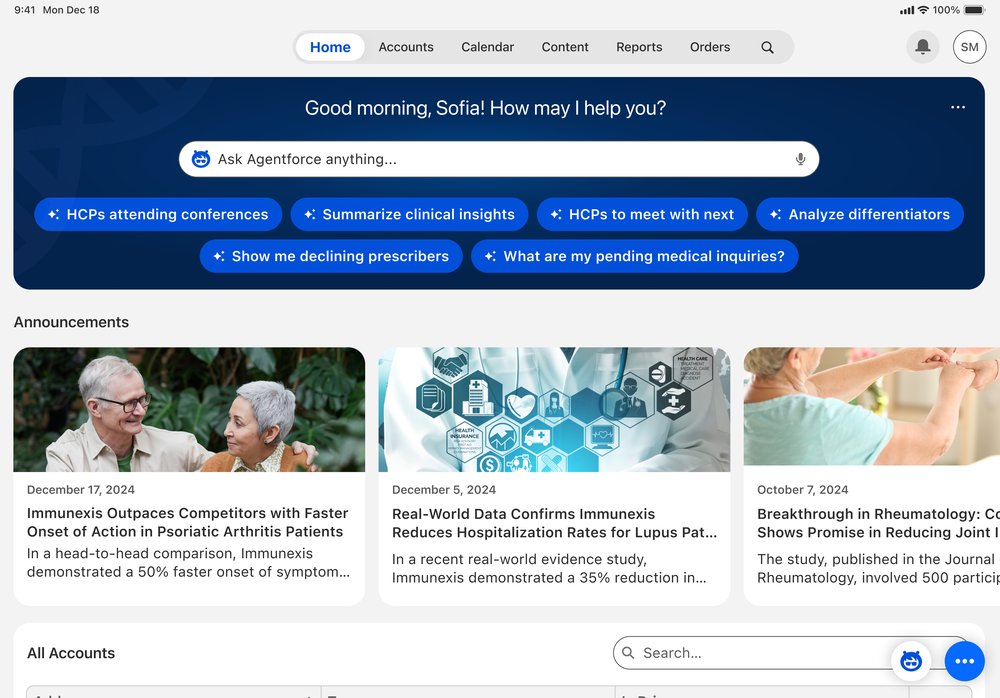
Both Salesforce and Veeva recognize this critical need for determinism in a regulated environment and have implemented specific safeguards. Salesforce addresses this through a feature called Agent Script, which integrates deterministic checks, pre-approved templates, and consent status directly into the probabilistic layer of its AI agents. This ensures that while the model can synthesize information and surface insights, any regulated action must flow through a fixed set of predefined tools backed by deterministic workflows and confined actions. "The model cannot go off script, because those tools are unavailable," Ferraro affirmed. "The tools are outside its toolbox." This approach provides a crucial balance between AI’s generative power and the absolute necessity of regulatory adherence.
Veeva adopts a similar philosophy by running its standard agents "in-context" within its own applications, leveraging its established data models and workflows. This architecture inherently confines the AI’s actions within the boundaries of Veeva’s compliant ecosystem, ensuring that outputs and actions conform to industry regulations and internal policies. The acquisition of Ostro further exemplifies this commitment, as its conversational AI is specifically designed to retrieve and present only MLR-approved content, preventing the generation of unverified or non-compliant information.
Broader Implications for the Life Sciences Industry
The intensifying AI competition between Salesforce and Veeva carries profound implications for the life sciences industry. For pharmaceutical and biotech companies, it means access to increasingly sophisticated tools that promise to transform various facets of their operations. From accelerating drug discovery through AI-driven target identification and lead optimization to streamlining clinical trial design and patient recruitment, the impact on R&D could be revolutionary. In the commercial sphere, agentic AI promises hyper-personalized HCP engagement, optimized marketing campaigns, and more efficient field force operations. Patient engagement can also be significantly enhanced, offering tailored support programs and real-time information access, all while navigating complex regulatory requirements.
The rivalry is also expected to drive rapid innovation. As these two market leaders vie for dominance, their continuous development and deployment of advanced AI capabilities will push the boundaries of what is possible, creating a more dynamic and technologically advanced ecosystem for their customers. This competition will likely result in more robust, secure, and compliant AI solutions tailored specifically to the unique needs of the life sciences sector.
However, the choice between Salesforce’s "headless" and Veeva’s "in-app" approaches presents a strategic decision for companies. Those with diverse technology stacks and a preference for open integration might lean towards Salesforce’s MCP-driven flexibility, allowing them to embed life sciences workflows into their chosen AI platforms. Conversely, organizations prioritizing a unified, deeply integrated, and highly controlled environment within a single vendor’s ecosystem might find Veeva’s approach more appealing.
Ultimately, the beneficiaries of this technological arms race will be the life sciences companies themselves, gaining access to powerful AI tools that can drive efficiency, foster innovation, and ultimately improve patient outcomes, all while navigating the complex ethical and regulatory landscape of a critical global industry. The future of drug development, commercialization, and patient care will undoubtedly be shaped by the intelligent agents these platforms bring to life.