The quest to understand and treat Alzheimer’s disease has reached a significant milestone as researchers from VIB and KU Leuven have decoded the precise biological mechanism behind Lecanemab, a landmark monoclonal antibody therapy. Marketed under the brand name Leqembi, Lecanemab was the first drug to receive full FDA approval for its ability to not only target the underlying pathology of Alzheimer’s but also measurably slow cognitive decline. While the drug’s clinical efficacy has been established through large-scale trials, the exact "how" of its operation within the complex environment of the human brain remained a subject of intense scientific debate. The new findings, published in the prestigious journal Nature Neuroscience, reveal that the drug’s success hinges on a specific structural component known as the Fc fragment, which serves as a molecular bridge to activate the brain’s innate immune system.
The Biological Foundation: Understanding Amyloid and Microglia
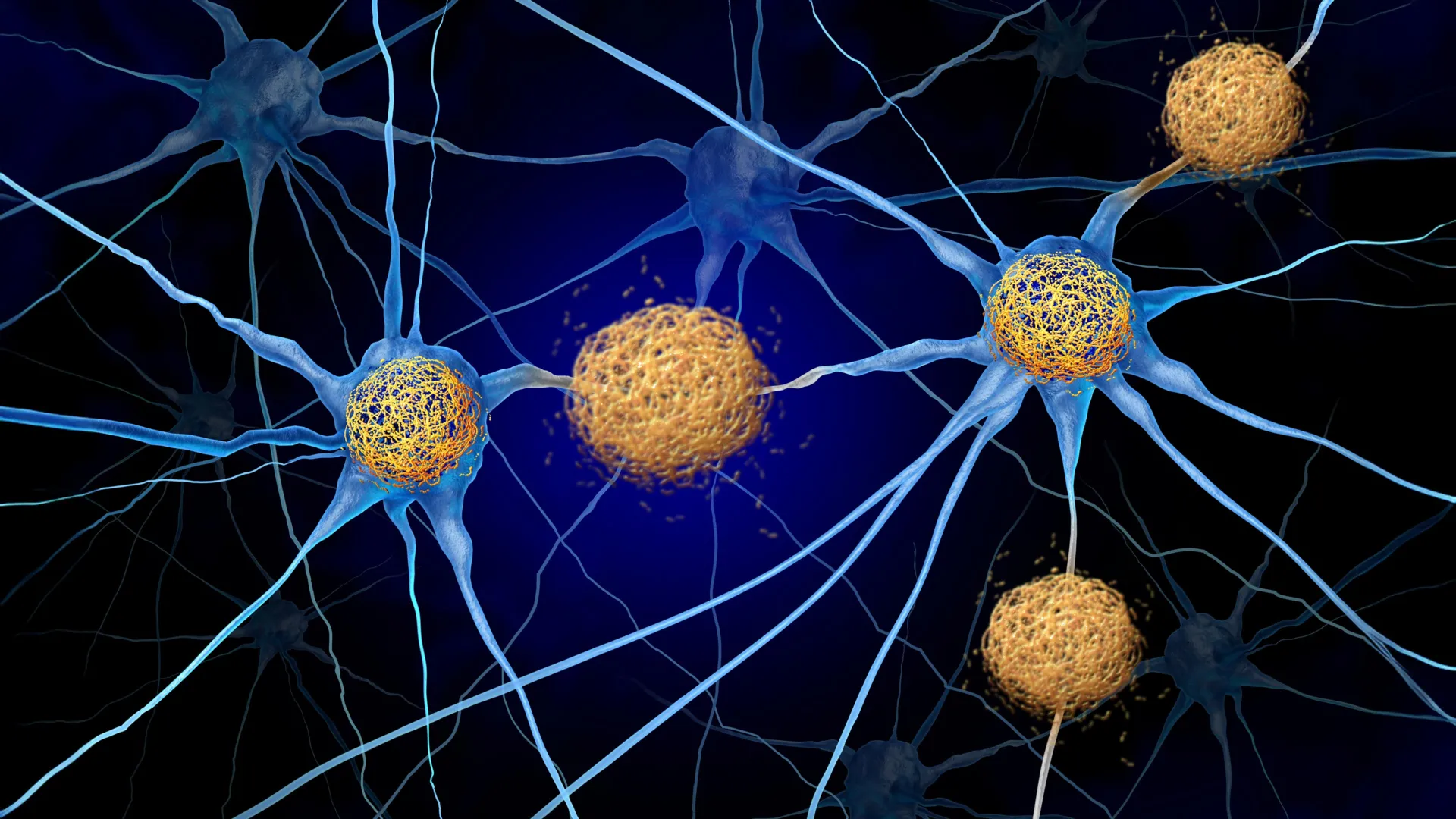
Alzheimer’s disease is a neurodegenerative condition currently affecting more than 55 million people globally, a number projected to triple by 2050 as populations age. The disease is characterized by the progressive accumulation of amyloid-beta protein fragments, which clump together to form toxic plaques between neurons. These plaques disrupt cell-to-cell communication and trigger a cascade of neuroinflammation, eventually leading to the death of brain cells and the symptomatic decline in memory, reasoning, and personality.
For decades, the "Amyloid Hypothesis" has dominated research, suggesting that clearing these plaques is the key to slowing the disease. The brain possesses its own cleanup crew: microglia. These specialized immune cells are responsible for patrolling the central nervous system, removing debris, and attacking pathogens. However, in the brains of Alzheimer’s patients, microglia often become dysfunctional. While they cluster around amyloid plaques, they frequently fail to ingest or neutralize them, sometimes even contributing to harmful inflammation instead of resolving the pathology. Lecanemab was designed to rectify this failure, but until now, the precise interaction between the antibody, the plaque, and the microglial cell was not fully mapped.
The Discovery of the Fc Fragment’s Role
Antibodies are Y-shaped proteins. The "arms" of the Y, known as the Fab (Fragment antigen-binding) region, are designed to recognize and latch onto a specific target—in this case, amyloid-beta protofibrils. The "tail" of the Y is the Fc (Fragment crystallizable) region. Traditionally, some researchers hypothesized that the mere binding of the antibody to the plaque might be enough to dissolve the protein clusters through passive interference. Others suggested that the Fc region was the primary driver of the immune response.
The team at the VIB-KU Leuven Center for Brain & Disease Research, led by Professor Bart De Strooper, has provided the first definitive proof that the Fc fragment is indispensable. Through a series of rigorous experiments, the researchers demonstrated that without a functional Fc fragment, Lecanemab loses its ability to clear plaques.
"Our study is the first to clearly demonstrate how this anti-amyloid antibody therapy works in Alzheimer’s disease," stated Dr. Giulia Albertini, co-first author of the study. "We show that the therapy’s efficacy relies on the antibody’s Fc fragment, which activates microglia to effectively clear amyloid plaques. The Fc fragment works as an anchor that microglia latch onto when they are near plaques, as a consequence of which these cells are reprogrammed to clear plaques more efficiently."
Methodology: The Human-Mouse Chimeric Model
One of the primary challenges in Alzheimer’s research is that mouse microglia differ significantly from human microglia. Many treatments that show promise in standard animal models fail in human clinical trials because of these evolutionary differences. To bypass this hurdle, the VIB-KU Leuven team utilized a sophisticated "chimeric" mouse model.
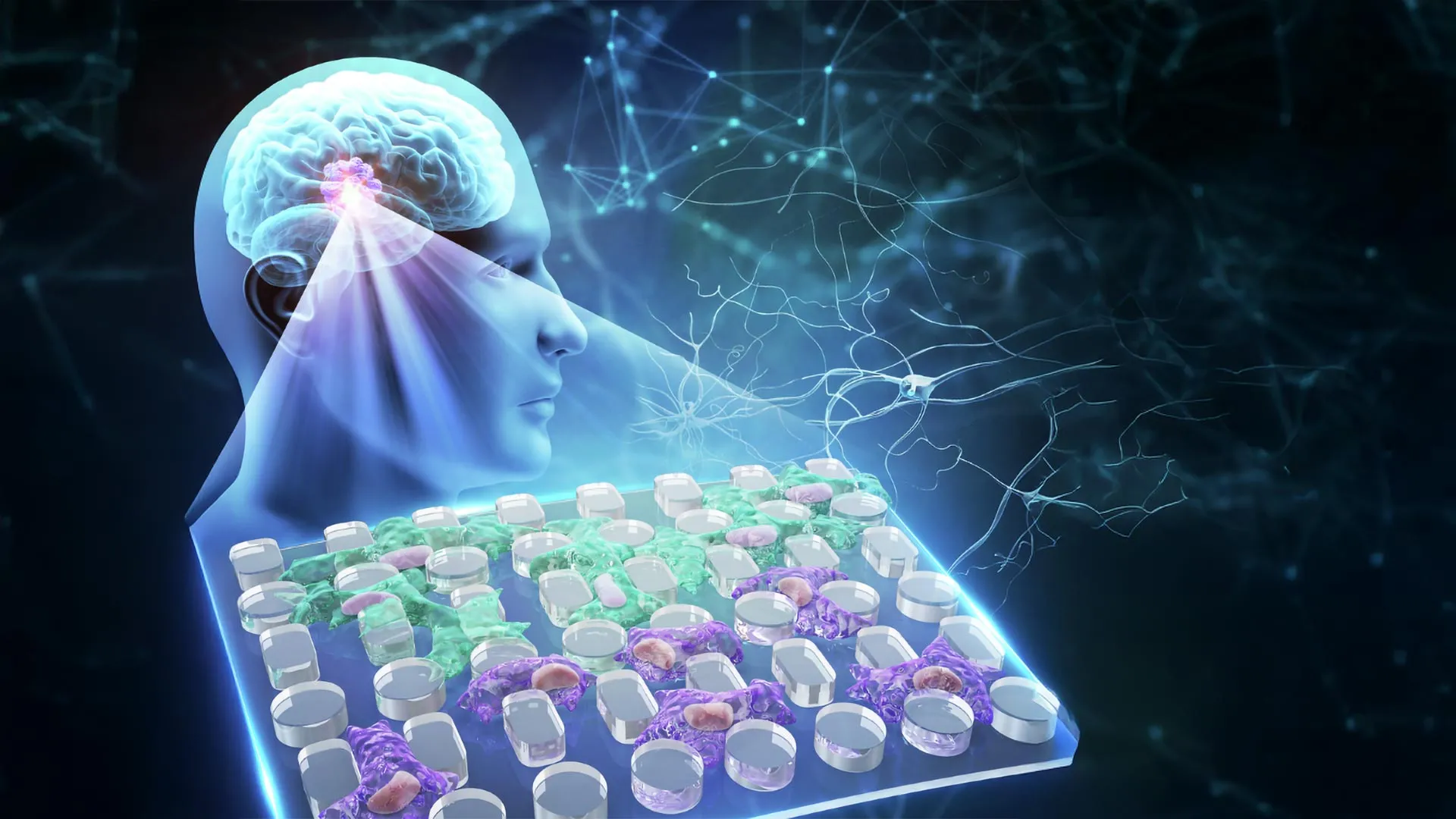
In this model, the researchers transplanted human microglial cells into the brains of Alzheimer’s-model mice. This allowed the team to observe, for the first time with high resolution, how a humanized antibody interacts with actual human immune cells in a living brain environment. By comparing the effects of standard Lecanemab against a version of the antibody where the Fc fragment had been disabled, the researchers observed a stark contrast. The standard antibody triggered a robust immune response and plaque reduction, while the modified version left the plaques untouched, despite the antibody arms still binding to the amyloid.
Magdalena Zielonka, co-first author, emphasized the importance of this approach: "The fact that we used human microglia within a controlled experimental model was a major strength of our study. This allowed us to test the very antibodies used in patients and observe human-specific responses with unprecedented resolution."
Mapping the Cellular Cleanup: Phagocytosis and the SPP1 Gene
The study went beyond merely identifying the Fc fragment’s necessity; it mapped the entire transcriptomic "program" that the microglia undergo once activated. Using advanced techniques like single-cell RNA sequencing and spatial transcriptomics (specifically the NOVA-ST method), the researchers identified the specific genes that are turned on when Lecanemab is present.
The activation of the Fc receptor on microglia triggers two critical processes:
- Phagocytosis: The physical engulfing and "eating" of the amyloid plaques.
- Lysosomal Activity: The internal degradation of the ingested amyloid using enzymes within the cell.
A key finding was the heightened expression of the SPP1 gene (which encodes the protein Osteopontin). Microglia expressing high levels of SPP1 were found to be the most effective at clearing plaques. This genetic signature provides a "fingerprint" for successful therapeutic intervention, offering a benchmark for future drug development.
A Timeline of Therapeutic Evolution
The journey to Lecanemab has been decades in the making, marked by both high-profile failures and recent breakthroughs:
- 1906: Dr. Alois Alzheimer first describes the plaques and tangles in the brain of a deceased patient.
- 1984: The amyloid-beta protein is identified as the main component of plaques.
- 2000s: First-generation amyloid vaccines and antibodies enter trials but are largely halted due to safety concerns (brain inflammation).
- 2021: Aducanumab (Aduhelm) receives controversial accelerated approval from the FDA, sparking debate over its clinical benefit.
- 2023 (January): Lecanemab (Leqembi) receives accelerated FDA approval based on Phase 2 data.
- 2023 (July): Lecanemab receives full traditional FDA approval following the Clarity AD Phase 3 trial, which showed a 27% slowing of cognitive decline over 18 months.
- 2024: The VIB-KU Leuven study is published, providing the mechanistic "missing link" that explains the drug’s success.
Addressing Safety and the "ARIA" Concern
While Lecanemab is a breakthrough, it is not without risks. One of the primary side effects associated with anti-amyloid antibodies is ARIA (Amyloid-Related Imaging Abnormalities), which can manifest as brain swelling or micro-hemorrhages. ARIA is thought to occur when the immune system’s response to plaque removal becomes too aggressive or when plaques are removed from the walls of blood vessels, weakening them.
By identifying the Fc fragment as the engine of the immune response, this study provides a roadmap for mitigating these risks. If scientists can fine-tune the Fc fragment’s interaction with microglia, they may be able to "dial down" the intensity of the response to prevent ARIA while maintaining enough activity to clear the plaques. This "precision immunology" approach could make future versions of the drug significantly safer for a broader range of patients, including those on blood thinners or those with specific genetic predispositions like the APOE4 allele.
Broader Impact and Future Directions
The implications of this research extend far beyond Lecanemab. By proving that microglia can be "reprogrammed" to fight Alzheimer’s, the study opens the door to entirely new classes of therapeutics.
Professor Bart De Strooper noted the potential for antibody-free treatments: "This opens doors to future therapies that may activate microglia without requiring antibodies. Understanding the importance of the Fc fragment helps guide the design of next-generation Alzheimer’s drugs."
Such future treatments could involve small-molecule drugs that target microglial receptors directly, potentially reducing the cost of treatment—monoclonal antibodies are expensive to produce and require intravenous infusion—and improving the drug’s ability to cross the blood-brain barrier. Furthermore, the identification of the SPP1 gene marker allows researchers to screen for new compounds that can induce this specific "plaque-clearing" state in immune cells.
Institutional Support and Global Collaboration
The research was a collaborative effort involving several of the world’s leading neurological research institutions. The work at the VIB-KU Leuven Center for Brain & Disease Research was supported by a diverse array of funding bodies, reflecting the global urgency of the Alzheimer’s crisis. Supporters included the European Research Council (ERC), the Alzheimer’s Association USA, the Research Foundation Flanders (FWO), the Queen Elisabeth Medical Foundation for Neurosciences, and the UK Dementia Research Institute at University College London.
As the medical community continues to integrate Lecanemab into clinical practice, this study provides the scientific foundation necessary for clinicians to understand what is happening at the cellular level in their patients’ brains. It marks a transition from "empirical" medicine—knowing that a drug works—to "mechanistic" medicine—knowing exactly why it works and how to make it better. For the millions of families affected by Alzheimer’s, this clarity brings not just a treatment, but the promise of more refined, safer, and more effective cures in the years to come.