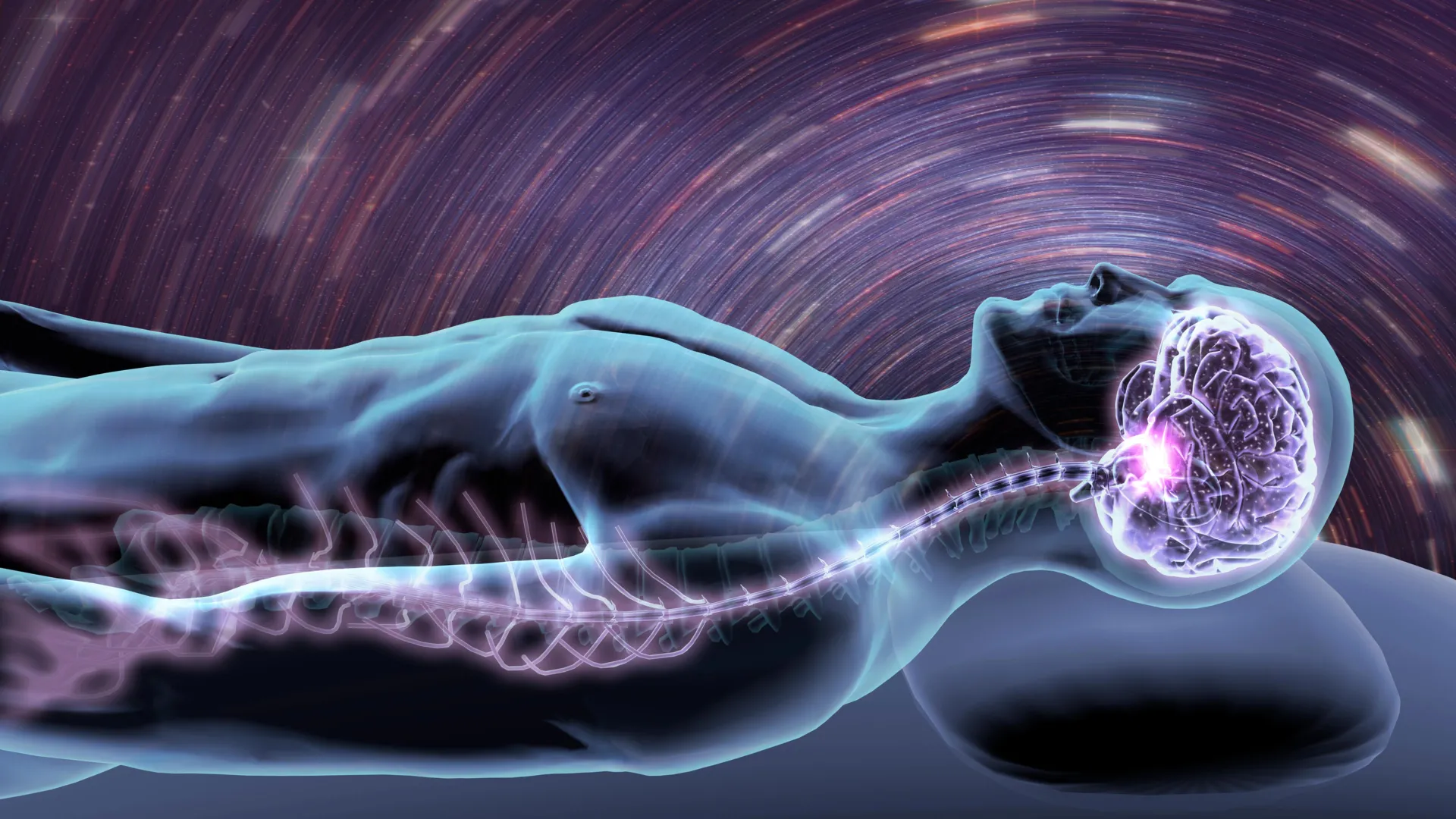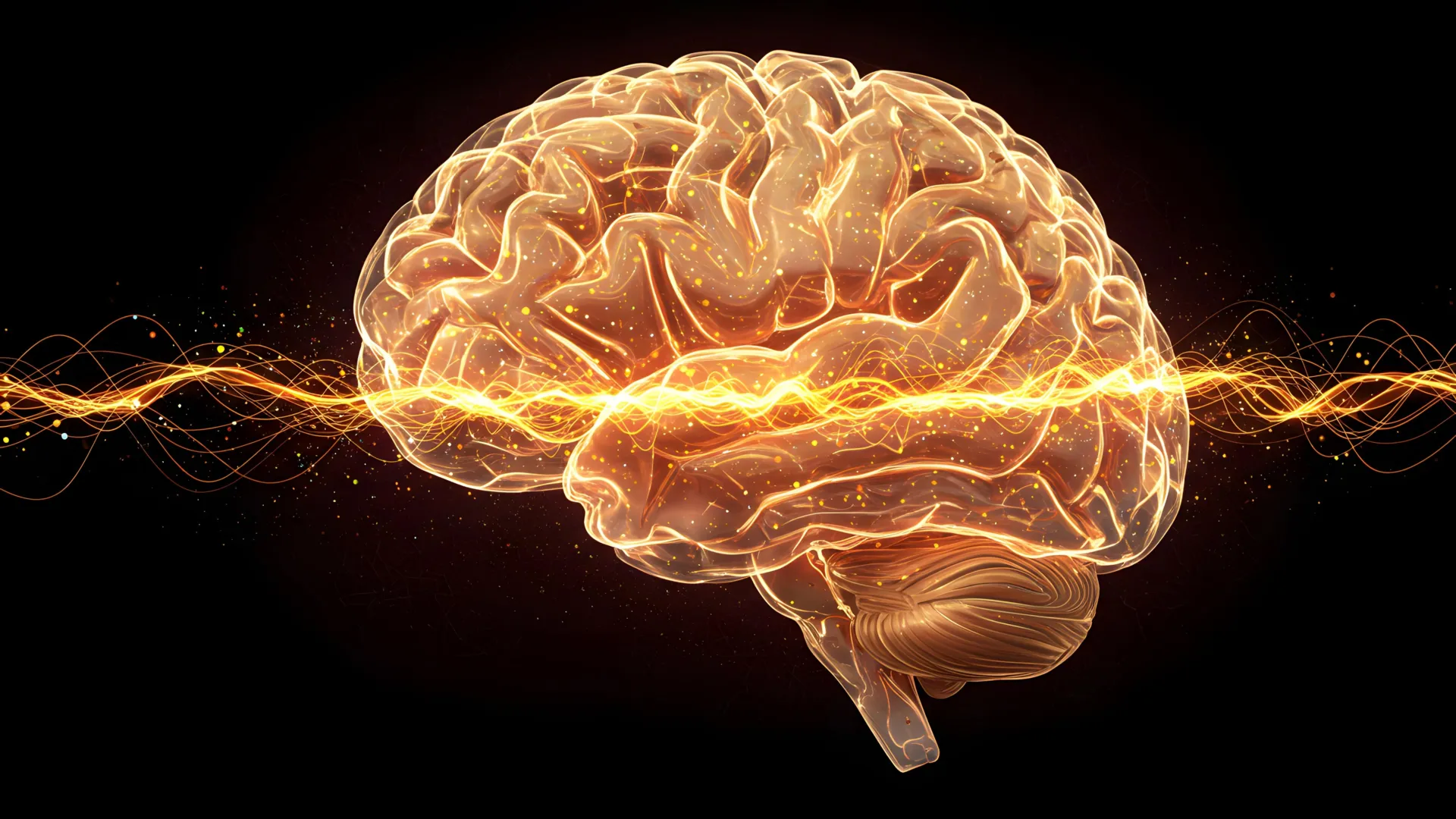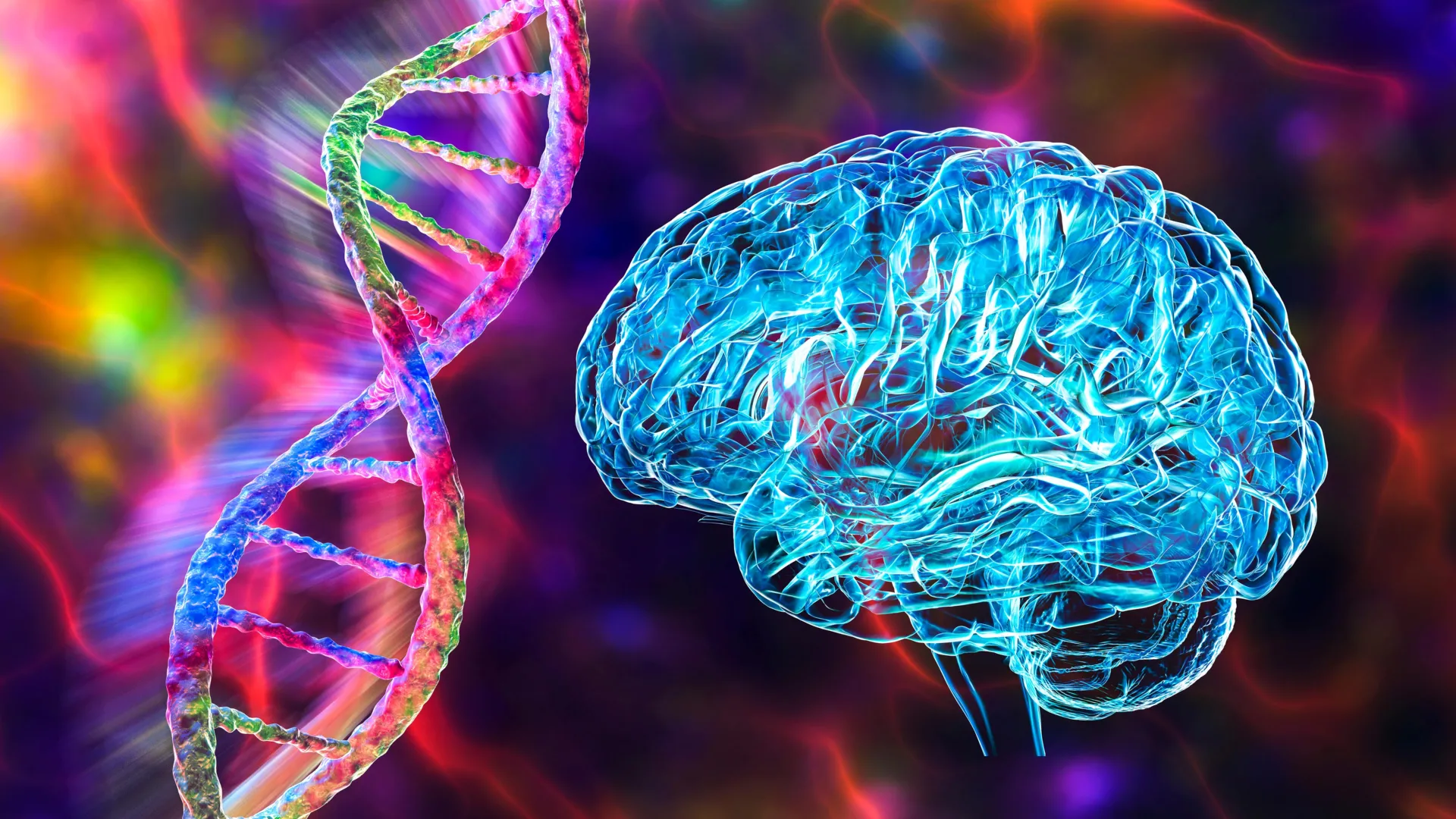
A groundbreaking meta-analysis led by researchers at UC Davis Health has identified a measurable chemical shift in the brains of individuals diagnosed with anxiety disorders, potentially opening new avenues for both diagnosis and nutritional intervention. The study, published in the prestigious Nature journal Molecular Psychiatry, reveals that patients across various anxiety diagnoses exhibit significantly lower levels of choline, an essential nutrient critical for memory, mood regulation, and cellular integrity. By synthesizing decades of neuroimaging data, the research team has provided one of the most consistent biological markers for anxiety discovered to date, centered in the regions of the brain responsible for executive function and emotional control.
The Discovery of a Consistent Chemical Marker
For decades, the search for a "biological signature" of anxiety has been elusive, as the condition often manifests through a diverse array of symptoms and psychological profiles. However, the UC Davis team, led by senior author Richard Maddock and co-author Jason Smucny, utilized a rigorous meta-analytical approach to look past clinical variations and focus on underlying brain metabolism. The researchers reviewed data from 25 previous studies involving 712 participants—370 individuals diagnosed with anxiety disorders and 342 healthy control subjects.
The standout finding of the analysis was a consistent 8% reduction in choline-containing compounds among those with anxiety disorders. While an 8% difference might appear modest in a general biological context, neuroscientists emphasize that such a shift in the brain’s chemical equilibrium is highly significant. This reduction was most pronounced in the prefrontal cortex, the "command center" of the brain tasked with regulating complex thoughts, decision-making, and emotional responses.
Jason Smucny, an assistant professor in the Department of Psychiatry and Behavioral Sciences at UC Davis, noted that this represents the first meta-analysis to establish a definitive chemical pattern across the spectrum of anxiety disorders. The findings suggest that anxiety is not merely a psychological state or a result of neurotransmitter imbalances like serotonin or norepinephrine, but is also deeply tied to the brain’s metabolic health and nutrient availability.
Understanding the Role of Choline in Neurobiology
Choline is an essential nutrient that the human body requires for several critical functions, yet it remains relatively obscure in public health discussions compared to vitamins like C or D. It serves as a precursor to acetylcholine, a neurotransmitter vital for memory, mood, and muscle control. Furthermore, choline is a foundational component of phospholipids, which make up the structural membranes of every cell in the body, including neurons.
While the liver can produce small amounts of choline, the vast majority of the body’s requirement must be met through dietary intake. In the brain, choline is involved in the synthesis of signaling molecules and the maintenance of the myelin sheath, which insulates nerve fibers and ensures rapid communication between brain regions. The UC Davis study suggests that when choline levels are depleted, the brain’s ability to maintain these structures and signals may be compromised, leading to the heightened sensitivity and emotional dysregulation characteristic of anxiety.
The Mechanics of Fear: The Prefrontal Cortex and the Amygdala
The study’s focus on the prefrontal cortex is particularly relevant to the clinical understanding of anxiety. In a healthy brain, a delicate balance exists between the amygdala—the almond-shaped structure that detects threats and triggers the "fight-or-flight" response—and the prefrontal cortex, which provides rational oversight. When the amygdala senses danger, the prefrontal cortex evaluates the situation and, if the threat is not immediate or real, sends signals to calm the amygdala down.
In individuals with anxiety disorders, this inhibitory connection often weakens. The UC Davis research posits that the reduction in choline in the prefrontal cortex may physically impair this region’s ability to perform its regulatory duties. Without sufficient chemical resources, the prefrontal cortex cannot effectively "brake" the amygdala’s alarm signals, leaving the individual in a state of chronic hyper-arousal and worry.
Methodology: The Power of Proton Magnetic Resonance Spectroscopy
The data analyzed in this study were primarily gathered using proton magnetic resonance spectroscopy (1H-MRS). Unlike a standard MRI, which produces detailed images of the brain’s physical structure (the "hardware"), 1H-MRS allows scientists to measure the concentration of specific metabolites within the tissue (the "software").
This noninvasive technique uses the same machinery as a traditional MRI but applies different software protocols to detect the magnetic signatures of various chemicals. Richard Maddock, a psychiatrist and researcher at the UC Davis Imaging Research Center, has spent years refining the use of 1H-MRS to study mental illness. His earlier work had already hinted at low choline levels in patients with panic disorder, but the new meta-analysis confirms that this deficiency is a broader hallmark of generalized anxiety disorder, social anxiety, and various phobias.
Beyond choline, the researchers also observed reduced levels of N-acetylaspartate (NAA), a marker often associated with the health and viability of neurons. However, the choline signal remained the most robust and consistent across the different studies and patient populations, reinforcing its importance as a primary target for future research.
The "Fight-or-Flight" Drain: A Chronology of Stress
One of the most compelling theories proposed by the researchers involves the relationship between chronic stress and nutrient depletion. The human stress response is governed largely by norepinephrine, a hormone and neurotransmitter that prepares the body for action. In individuals with anxiety disorders, norepinephrine levels are frequently elevated.
The UC Davis team suggests a biological "supply and demand" problem: high levels of arousal and constant "fight-or-flight" activity may increase the brain’s metabolic demand for choline. If an individual’s dietary intake is insufficient to keep up with this accelerated consumption, the brain’s choline stores become depleted over time. This creates a vicious cycle where the biological stress of anxiety further weakens the brain’s chemical ability to manage that very stress.
Prevalence and Public Health Implications
Anxiety disorders are the most common mental health conditions in the United States, affecting approximately 30% of adults at some point in their lives. Despite their prevalence, treatment remains a significant challenge. Traditional therapies, including Selective Serotonin Reuptake Inhibitors (SSRIs) and cognitive-behavioral therapy (CBT), are effective for many but do not work for everyone. Furthermore, the stigma surrounding mental health and the cost of treatment often prevent individuals from seeking help.
The identification of a nutritional component to anxiety offers a potentially low-cost, low-stigma intervention. However, Maddock and his colleagues are quick to urge caution. While the link between low choline and anxiety is clear, it has not yet been proven that taking choline supplements will cure anxiety.
"We don’t know yet if increasing choline in the diet will help reduce anxiety," Maddock warned. "More research will be needed, and people should not attempt to self-medicate with high doses of supplements without professional guidance."
The Nutritional Gap in the American Diet
The findings arrive at a time of increasing interest in "nutritional psychiatry," a field that examines how diet impacts mental well-being. According to national health surveys, a staggering majority of Americans do not meet the recommended daily intake for choline. The National Institutes of Health (NIH) suggests 550 mg per day for men and 425 mg per day for women, yet most adults and even children fall short of these targets.
Rich sources of choline include:
- Beef Liver: One of the most concentrated sources available.
- Eggs: Specifically the yolk, which contains high amounts of phosphatidylcholine.
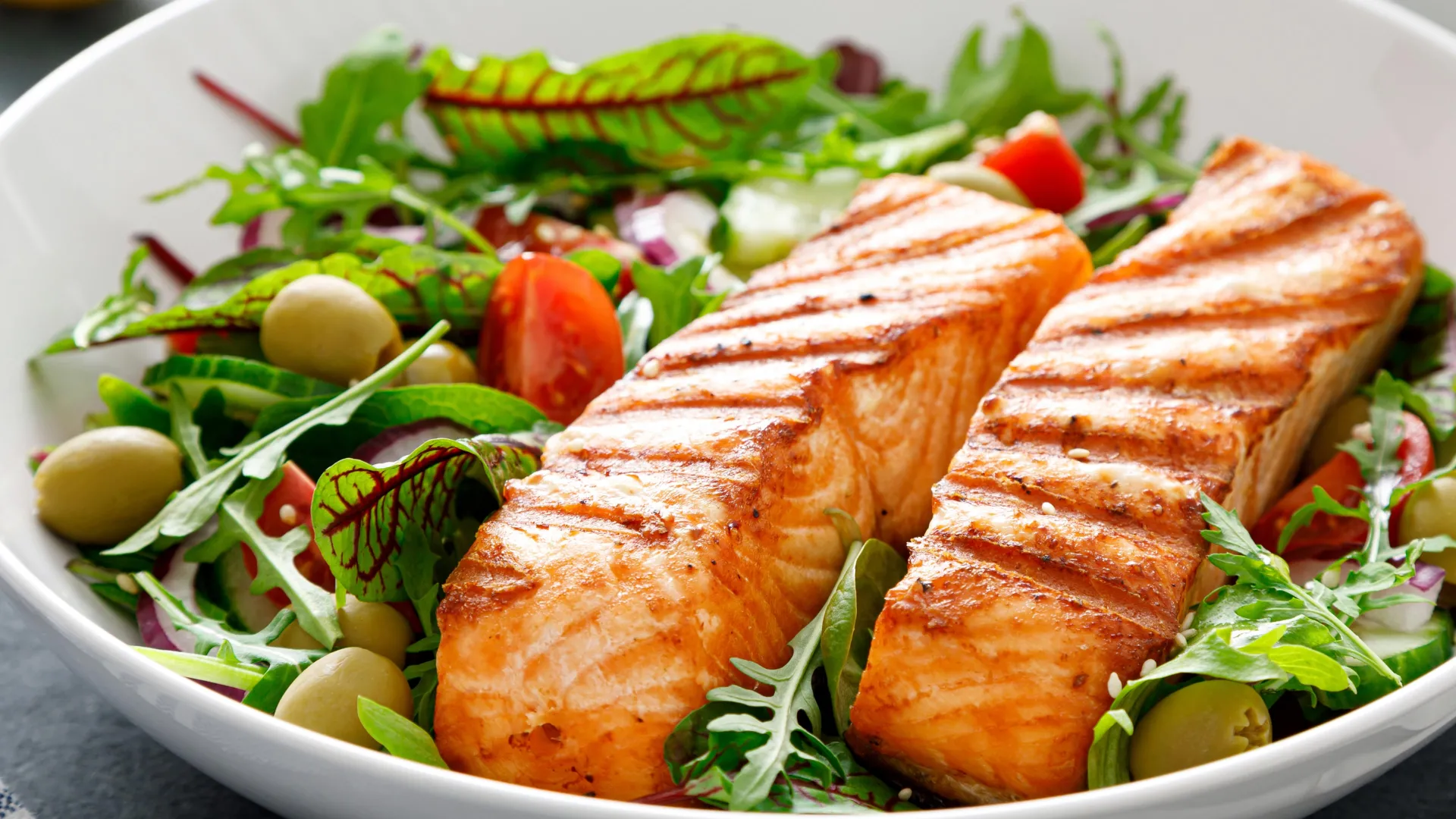
- Salmon and Cod: These also provide omega-3 fatty acids, which may help transport choline to the brain.
- Cruciferous Vegetables: Broccoli and Brussels sprouts offer modest amounts for those on plant-based diets.
- Soybeans and Dairy: Essential sources for a variety of dietary preferences.
The UC Davis researchers suggest that for those struggling with anxiety, a logical first step is to evaluate their diet and ensure they are at least meeting the basic nutritional requirements established by health authorities.
Future Directions: Clinical Trials and Personalized Medicine
The next phase of research will likely involve controlled clinical trials to determine whether choline supplementation can objectively change brain chemistry and improve clinical outcomes for anxiety patients. If successful, this could lead to a more personalized approach to psychiatry, where brain imaging or blood tests for nutrient levels help dictate a combination of dietary, pharmaceutical, and therapeutic interventions.
The study also raises questions about the long-term impact of choline deficiency on other neurological conditions. If choline is essential for maintaining the "wiring" of the prefrontal cortex, could chronic deficiency contribute to age-related cognitive decline or other mood disorders?
Conclusion: A New Piece of the Puzzle
The UC Davis Health study marks a significant step forward in de-stigmatizing anxiety by framing it as a condition with a clear biological and chemical basis. By identifying the 8% reduction in brain choline, researchers have moved closer to understanding the physical toll that chronic worry takes on the human body.
While the discovery does not provide an overnight cure, it offers a vital new target for scientists and a practical reminder for the public: the health of the mind is inextricably linked to the nutrients provided to the brain. As the field of nutritional psychiatry continues to grow, the humble nutrient choline may soon move from the periphery of health discussions to the center of mental health treatment strategies. For now, the research serves as a foundation for a future where mental health care is as much about nourishing the brain as it is about treating the symptoms of the mind.