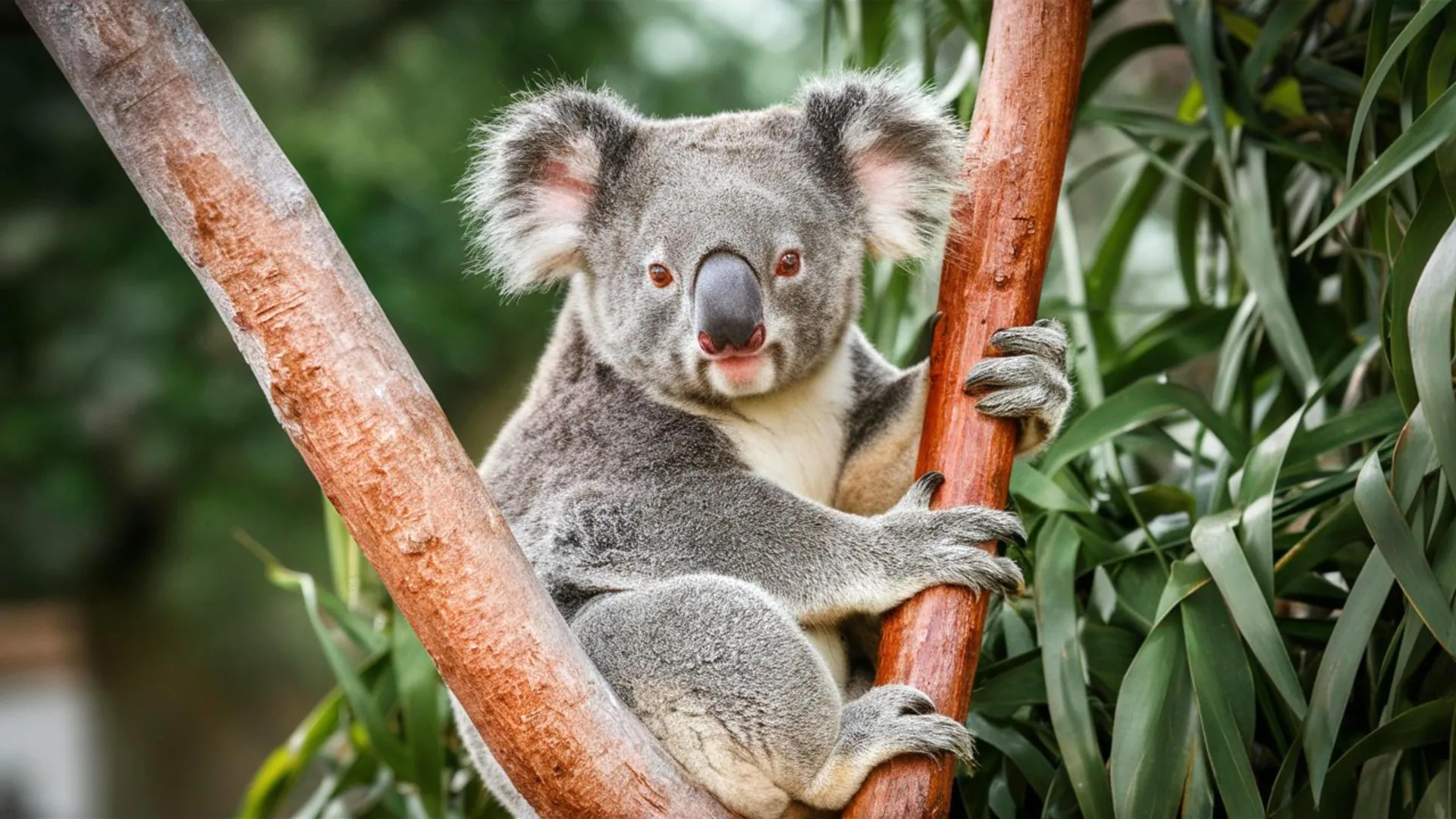
A groundbreaking genomic analysis is fundamentally reshaping scientific understanding of koala evolution, revealing that these iconic marsupials endured a dramatic population collapse approximately 100,000 years ago, a period predating the arrival of humans in Australia. This extensive research indicates that all koalas alive today are descendants of a single, resilient ancestral population that successfully navigated severe environmental upheavals, including intense glacial cycles. The findings, published in the prestigious journal Molecular Biology and Evolution by Oxford University Press, were spearheaded by researchers from the University of Sydney and Texas A&M University, challenging previous assumptions that koala population declines were solely a post-human phenomenon.
"This study fundamentally rewrites the timeline of the koala’s genetic history in Australia," stated Toby Kovacs, a PhD student and lead researcher on the project. "By meticulously calculating the mutation rate within modern koala populations, we’ve been able to project backwards, constructing a detailed genetic timeline reaching 100,000 years ago. This offers an unprecedented glimpse into the genetic diversity and population sizes of ancient koala communities."
Koala DNA Unveils a Hidden Population History
The scarcity of fossil evidence has historically limited precise estimations of koala populations in Australia tens of thousands of years ago. Genomic data, however, offers a powerful alternative, preserving vital clues about ancestral population dynamics and shifts in genetic diversity. The research employed sophisticated analytical techniques to reconstruct this deep evolutionary past.
"Our genomic analyses conclusively demonstrate that koalas have weathered significant population declines in the past, primarily driven by climatic shifts and subsequent habitat loss," Kovacs explained. "Remarkably, as environmental conditions ameliorated, their populations not only recovered but also expanded their range across vast swathes of eastern Australia."
He stressed the critical distinction between past and present threats: "It is crucial to emphasize that many of the dangers confronting modern koala populations are directly attributable to human activities, including extensive habitat destruction and hunting." By studying the resilience and recovery mechanisms of koalas in response to past population crashes, scientists are hopeful that this research will pave the way for more effective conservation strategies for the species in the present day.
Reconstructing Koala Evolution: A Methodological Deep Dive
The core of this transformative research lies in the scientists’ meticulous reconstruction of the koala’s genetic history, focusing on the species’ intrinsic mutation rate within its genome – the complete set of genetic information within an organism. New mutations, essentially genetic alterations, naturally arise in an organism’s genome with each reproductive cycle. The mutation rate quantifies the frequency of these changes per generation, a rate that varies significantly across species, with some accumulating genetic changes more rapidly than others.
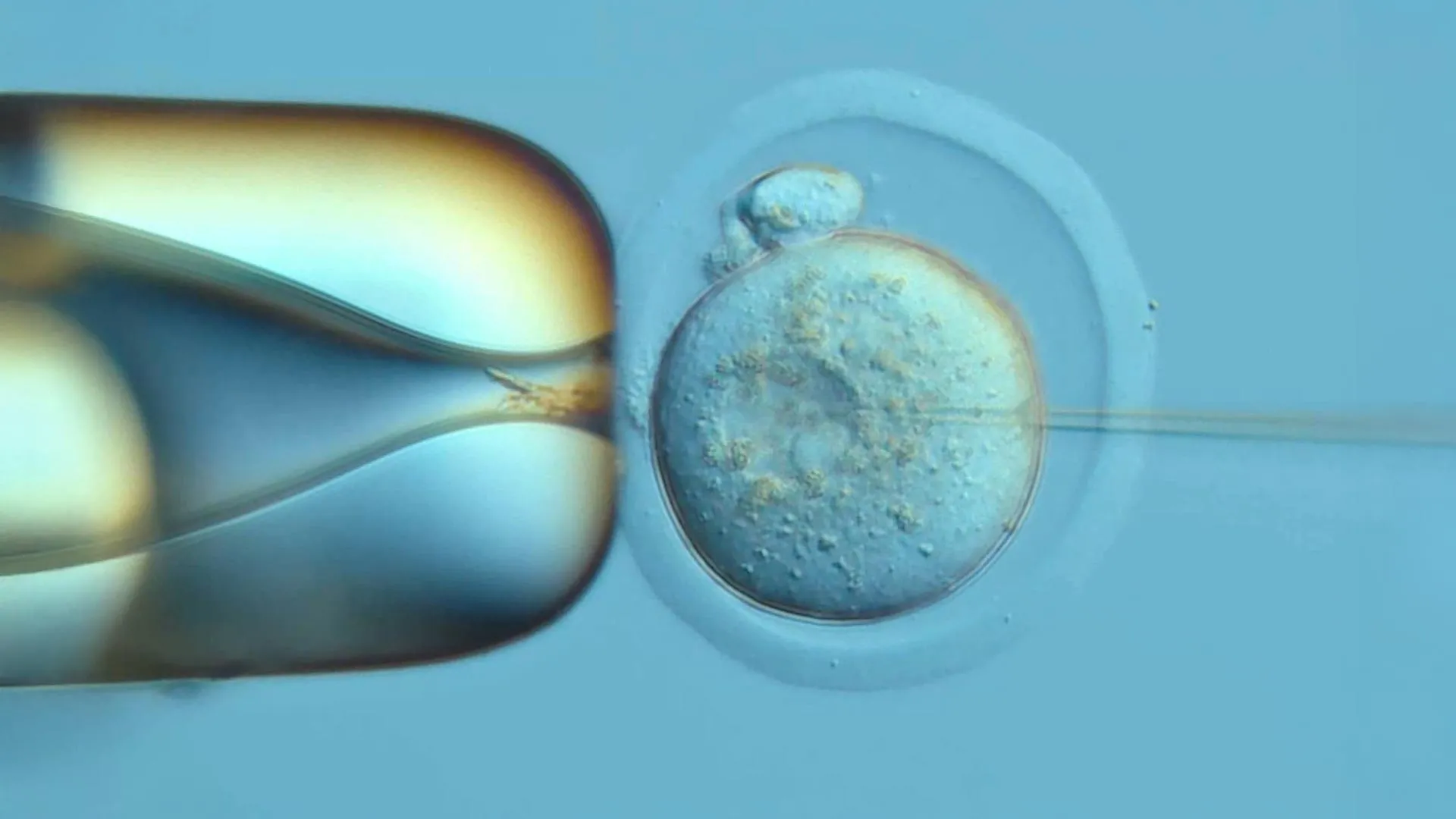
The research team embarked on a rigorous process, sequencing the genomes of four parent-offspring trios to accurately count the novel mutations that emerged. This painstaking work allowed them to establish a precise mutation rate for koalas, which was found to be approximately half the rate observed in humans.
Armed with this newly calibrated mutation rate, the researchers then applied it to an extensive dataset comprising 457 koala genomes. This innovative approach enabled them to chart the expansion, contraction, and divergence of koala populations with unparalleled accuracy over millennia. This study marks the first direct estimation of a mutation rate for koalas and, indeed, for any member of the marsupial order Diprotodontia, a group that also encompasses familiar Australian fauna such as wombats, kangaroos, and possums.
Previous studies, which had estimated koala population declines occurring after the arrival of modern humans in Australia around 65,000 years ago, relied on mutation rates extrapolated from distantly related mammals like humans and mice. The inaccuracies inherent in these borrowed rates likely contributed to the discrepancies in historical timelines.
Koala Population Decline Preceded Human Arrival
The new genomic analysis provides compelling evidence that a significant koala population decline commenced around 100,000 years ago. This decline culminated in a critical genetic bottleneck nearly 60,000 years ago. The timing of this collapse aligns precisely with a period of profound environmental upheaval during the late Pleistocene epoch, specifically the most recent glacial period. This temporal correlation firmly places the koala’s major population reduction well before any documented contact with indigenous human populations.
Australia’s geological and climatic history played a pivotal role in shaping these ancient population dynamics. During the Paleogene period (approximately 23 to 66 million years ago), the landmass that would eventually become Australia was characterized by expansive, humid forests. However, dramatic climatic shifts during the Miocene epoch (5 to 23 million years ago), driven by the northward drift of the Australian tectonic plate, began to transform the continent’s landscapes.
The Pleistocene epoch (2.5 million to 11,700 years ago) witnessed recurring cycles of extreme climate change. Australia repeatedly transitioned between glacial periods, marked by frigid and arid conditions, and interglacial periods, characterized by warmer and wetter climates. These relentless cycles progressively aridified the continent, creating landscapes increasingly susceptible to widespread bushfires.
A particularly significant event occurred around 70,000 years ago with the expansion of the Nullarbor Plain. This vast expanse of semi-arid shrubland drastically reduced the availability of suitable koala habitat and, crucially, led to the geographical isolation of koala populations in eastern and western Australia. Tragically, the western koala population eventually succumbed to these environmental pressures and disappeared. A small, tenacious population in the east, however, managed to endure the harshest glacial conditions.
A Resilient Remnant: How a Small Population Rebuilt the Species
The onset of the current interglacial period, with its more favorable warmer and wetter conditions, provided a crucial reprieve for the surviving eastern koala population. This enabled them to begin a process of recovery and expansion. Between approximately 16,500 and 6,000 years ago, this recovering population diversified, splitting into five genetically distinct groups. These distinct lineages ultimately gave rise to the diverse koala populations that are now found along Australia’s eastern seaboard.
The implications of these findings extend beyond the koala. "Given these remarkable results, we are now eager to investigate whether other Australian species, including the closest relatives of extinct megafauna, also experienced significant population declines prior to the arrival of humans," Kovacs commented.
The newly established mutation rate for koalas offers more than just a window into their ancient past. It is also a critical tool for scientists to analyze recent changes in population size and to refine modern conservation planning efforts. Current estimates for the most recent koala generations indicate a continued decline in populations within Queensland and New South Wales. In stark contrast, koala populations in Victoria appear to be exhibiting signs of recovery. This regional disparity underscores the complex and varied pressures facing koalas across their range. It is important to note that koalas have been officially listed as endangered in Queensland, New South Wales, and the Australian Capital Territory since 2022, reflecting the severity of their current predicament.
Genomic Insights: A Compass for Conservation
"Understanding the trajectory of koala populations, whether they are shrinking or expanding, empowers conservationists to intervene proactively," Kovacs emphasized. "Early intervention can prevent populations from losing vital genetic diversity and succumbing to the increased risks associated with inbreeding."
He drew a direct parallel between past and present challenges: "Koalas have endured substantial population retractions in the past, driven by significant climate shifts and the subsequent disappearance of suitable habitat. Today, the surviving koalas are again experiencing a similar contraction, but this time, the primary drivers are human-induced factors such as land clearing, devastating bushfires, hunting, and the pervasive threat of disease."
Kovacs further elaborated on the significance of the genomic data: "Our team is actively generating extensive genomic resources for koalas. However, to fully comprehend the insights these datasets can provide, it is imperative that we also understand the rate at which new genetic changes arise within the species."
"Accurately estimating the mutation rate significantly enhances our capacity to reconstruct koala population history, assess their inherent ability to adapt to changing environments, and ultimately, to formulate more informed and effective conservation decisions for their future," he concluded. This comprehensive genomic approach offers a beacon of hope for the long-term survival of this beloved Australian icon, providing the scientific foundation for targeted and impactful conservation action.