In a significant stride for developmental biology and genome editing, researchers at the University of Cambridge, UK, have for the first time successfully employed a precision genome editing technique known as base editing to identify a pivotal "master gene" indispensable for the earliest stages of human embryo development. This landmark study, which involved knocking out the pluripotency gene NANOG, not only underscores its critical role in human embryogenesis but also establishes base editing as a powerful and potentially safer tool for investigating the intricate processes of human life’s genesis. The findings are poised to profoundly influence future research into regenerative medicine, infertility, and early pregnancy loss, fields that have long sought more precise and ethically sound methodologies for exploration.
The Precision Revolution: Base Editing Deciphers NANOG‘s Role
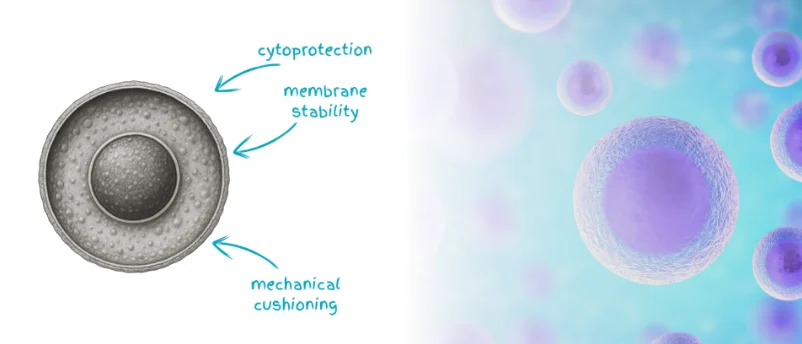
The Cambridge team’s groundbreaking work focused on NANOG, a gene widely recognized for its crucial role in maintaining the pluripotent state of embryonic stem cells—the ability of these cells to differentiate into any cell type in the body. By applying adenine base editing, a sophisticated form of gene editing, the scientists targeted an exon splice donor site within the NANOG gene, thereby introducing a splicing defect that effectively "knocked out" its function. The results were compelling: the absence of functional NANOG profoundly disrupted pluripotent epiblast specification. This disruption caused cells to deviate from their normal developmental trajectory, instead embarking on pathways towards becoming either primitive endoderm (which forms part of the yolk sac) or trophectoderm (which contributes to the placenta), rather than the foundational epiblast from which the embryo proper develops.
What distinguishes this research is not only the revelation of NANOG‘s specific function in human development but also the methodology employed. Unlike conventional nuclease-based genome-editing approaches, such as the widely known CRISPR-Cas9 system, base editing does not rely on creating double-strand breaks in the DNA. Double-strand breaks, while effective for gene disruption, carry the inherent risk of inducing unintentional chromosome errors, including large deletions or insertions, which can be detrimental to cellular integrity and make them less suitable for highly sensitive applications like human embryo research. Base editing, in contrast, enables targeted modification of a single nucleotide—changing one DNA base letter to another (e.g., A to G, or C to T) with exquisite precision—without severing the DNA backbone. This "search and replace" mechanism significantly reduces the risk of genotoxicity and off-target editing, making it a "lower-risk option" for investigating gene function in delicate biological systems. The researchers meticulously confirmed that their approach did not trigger genotoxicity and showed limited off-target editing, affirming its enhanced safety profile.
Dr. Kathy Niakan, who led the study, articulated the significance of their findings: "Our results indicate that the NANOG gene is critical for the development of pluripotent cells, the building blocks that are fundamentally important to human development." This statement encapsulates the core scientific achievement and its profound implications for understanding the earliest blueprints of human life.
Charting the Evolution of Gene Editing: From CRISPR to Base Editing
The journey to this precision milestone has been decades in the making, reflecting a rapid evolution in our ability to manipulate the genetic code. The concept of gene editing gained widespread prominence with the advent of CRISPR-Cas9 technology in the early 2010s. Building upon naturally occurring bacterial immune systems, CRISPR-Cas9 provided an unprecedentedly accessible and versatile tool for making precise cuts in DNA, opening new avenues for research and potential therapeutic applications. Its ease of use and high efficiency quickly propelled it to the forefront of genetic research, leading to its application in diverse fields, from agriculture to medicine.
However, the very mechanism that makes CRISPR-Cas9 powerful—the induction of double-strand breaks—also presents its primary challenge, particularly in contexts where genomic integrity is paramount, such as human embryos or therapeutic applications. The cell’s repair mechanisms, while robust, can sometimes introduce unpredictable errors during the repair of these breaks, leading to undesired genetic alterations.
It was this challenge that spurred the development of next-generation gene-editing tools, with base editing emerging as a leading contender for precision and safety. Pioneered in 2016 by David Liu and his team at Harvard University, base editors are essentially modified CRISPR-Cas9 systems where the nuclease activity is disabled, and instead, an enzyme capable of directly changing one DNA base into another is tethered to the guide RNA. This innovation sidesteps the need for double-strand breaks entirely, offering a "cleaner" editing outcome. The prior successful application of adenine base editing in preclinical studies, such as demonstrating a profound impact on rare diseases like severe childhood epilepsy by targeting the root cause, further solidified its promise and paved the way for its first application in human embryo developmental studies.
Unraveling the Intricacies of Early Human Development
Understanding how cells are specified and maintained during the very early stages of human embryonic development is foundational for numerous medical applications. The journey from a single-celled zygote to a complex organism involves a tightly orchestrated series of cell divisions, differentiations, and patterning events. Pluripotent cells, found in the inner cell mass of the blastocyst (an early-stage embryo), are the progenitors of all cell types that make up the fetus, while other cells give rise to extraembryonic tissues like the placenta.
Transcription factors like NANOG are master regulators in this intricate process, acting as genetic switches that dictate cell fate decisions. For decades, mouse models have been instrumental in pinpointing these transcription factors and elucidating developmental pathways. However, the Cambridge study has highlighted a critical distinction: the role of NANOG in humans appears to differ slightly from that observed in mice. In rodents, the loss of the NANOG gene disrupts both the epiblast and the endoderm. Intriguingly, in human embryos, the researchers observed that primitive endoderm-like cells were retained even after NANOG knockout. This divergence underscores a crucial point: while animal models provide invaluable insights, human-specific models are indispensable for a complete and accurate understanding of human developmental biology. This particular finding emphasizes the limitations of extrapolating directly from animal studies and reinforces the necessity for direct research on human embryos, conducted under stringent ethical guidelines.

Ethical Governance and Societal Impact
Research involving human embryos is, by its very nature, a sensitive area, governed by strict ethical considerations and regulatory frameworks globally. In the UK, the Human Fertilisation and Embryology Authority (HFEA) provides a robust regulatory environment, ensuring that such research is conducted responsibly and transparently. A key ethical guideline, widely accepted internationally, is the "14-day rule," which stipulates that human embryos cannot be cultured in vitro beyond 14 days post-fertilization or the appearance of the primitive streak, whichever comes first. This study, like others before it, operates well within these established boundaries.
The ethical discourse surrounding genome editing in human embryos often centers on the distinction between research applications, which aim to understand fundamental biology, and clinical applications, particularly germline editing that could lead to heritable changes. This study falls squarely into the former category, utilizing base editing as a research tool to gain insights into basic biological processes. The meticulous design, ensuring no genotoxicity and limited off-target effects, is paramount in demonstrating the ethical viability of such precision tools for research.
Helen O’Neill, an Associate Professor in Reproductive and Molecular Genetics at University College London, who was not involved in the research, highlighted the broader societal implications and the importance of ethical governance: "Understanding the embryo is the foundation for improving IVF, reducing embryo loss, and eventually supporting families carrying serious genetic disease who may currently go through repeated IVF cycles and still have no unaffected embryo to transfer." She further emphasized, "If we want safer IVF, better embryo selection, and more informed options for patients with inherited disease, we need this type of careful, transparent and ethically governed research." These statements underscore the delicate balance between scientific advancement and the imperative for ethical oversight, ensuring that research benefits humanity while upholding moral principles.
Broader Implications: A Catalyst for Regenerative Medicine and Reproductive Health
The implications of this pioneering research extend across several critical medical domains:
Advancing Regenerative Medicine
A deeper understanding of pluripotency and the master genes that control it, such as NANOG, is central to the field of regenerative medicine. By elucidating the precise mechanisms governing cell differentiation, scientists can develop more effective strategies for generating specific cell types from pluripotent stem cells. This has immense potential for treating a wide array of diseases, from neurodegenerative disorders like Parkinson’s and Alzheimer’s to heart conditions, diabetes, and spinal cord injuries. The ability to control cell fate with greater precision could lead to the production of safer and more functional cells for therapeutic transplantation, reducing the risk of unintended cell differentiation or tumor formation. Furthermore, this research paves the way for creating more sophisticated in vitro models of human development and disease, enabling drug screening and disease modeling in a human context, which is often more predictive than animal models.
Improving Infertility Treatments and Reducing Pregnancy Loss
Infertility affects a significant portion of the global population, with estimates suggesting that one in six couples worldwide experience infertility. Early pregnancy loss, often due to unknown embryonic defects, is also a distressing and common occurrence. The ability to precisely study genes like NANOG that are vital for early human development offers unprecedented opportunities to improve assisted reproductive technologies (ART) such as in vitro fertilization (IVF). By understanding the genetic determinants of embryo viability and quality, clinicians may one day be able to identify healthier embryos more effectively, leading to higher success rates for IVF and reducing the emotional and financial burden on prospective parents. This research could also shed light on the causes of recurrent pregnancy loss, providing avenues for diagnosis and intervention where currently none exist.
Insights into Genetic Diseases
While direct therapeutic gene editing in human embryos for inheritable conditions remains a distant and highly debated prospect, the knowledge gained from studies like this is invaluable for understanding the genetic basis of congenital diseases. Insights into how master genes regulate development can inform pre-implantation genetic diagnosis (PGD), allowing for the identification of embryos free from specific genetic disorders before implantation. In the longer term, should the ethical and safety hurdles be overcome, such precise editing tools could theoretically offer a pathway to correct disease-causing mutations at the earliest stages of life, preventing inherited diseases from manifesting. However, it is crucial to reiterate that this study’s immediate impact is on fundamental research, not clinical application.
The Path Forward: Challenges and Future Prospects
Despite the monumental achievement, the journey from foundational research to widespread clinical application is long and arduous. Several significant challenges must be addressed before base editing can be considered for therapeutic use in humans:
- Long-term Safety and Efficacy: Comprehensive studies are required to assess the long-term effects of base editing, including any subtle or delayed off-target effects that might not be immediately apparent.
- Delivery Mechanisms: Efficient and safe delivery of base editing components to specific cells or tissues in a clinical setting needs further refinement.
- Regulatory Approval: The rigorous process of obtaining regulatory approval for any novel genetic therapy is complex and demanding, requiring extensive clinical trials.
- Ethical Consensus: Continuous public engagement and robust ethical debate are essential to ensure that scientific progress aligns with societal values and moral principles, particularly concerning germline editing.
However, the immediate and profound impact of this study lies in its establishment of base editing as an indispensable research tool. It empowers scientists to investigate other crucial developmental regulators with greater confidence and precision than ever before. Future research will undoubtedly build upon this foundation, exploring the interplay of various master genes, developing more sophisticated human embryo models, and continuing to unravel the mysteries of human development. This pioneering work from the University of Cambridge represents a crucial step in our quest to understand the very beginnings of human life, promising to unlock new possibilities for health and well-being in the decades to come.