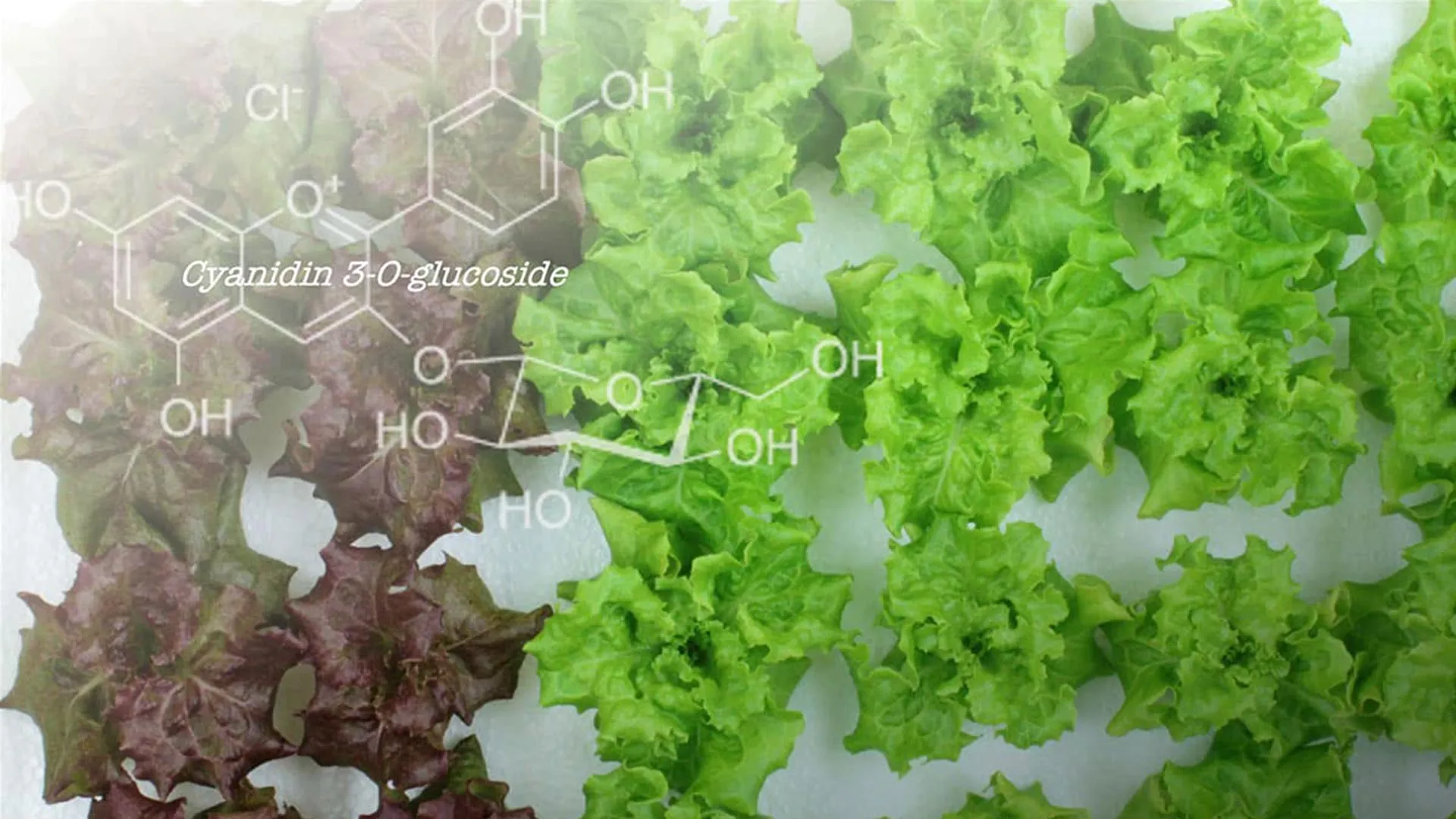
The vibrant red hues of red leaf lettuce are a visual testament to the complex biochemical artistry of nature, a spectacle driven by anthocyanins, a class of polyphenol pigments renowned for their potent antioxidant properties. These natural compounds, responsible for the striking colors in many fruits and vegetables, are synthesized through intricate, enzyme-catalyzed pathways originating from the fundamental amino acid phenylalanine. This metabolic journey is a cascade of reactions that not only culminates in anthocyanins but also generates a diverse array of flavonoids, a broad spectrum of plant-derived molecules that play crucial roles in plant physiology before potentially being transformed into the sought-after anthocyanins. A groundbreaking study, leveraging the precision of genome editing technology, has recently illuminated a critical juncture in this pathway, offering profound insights into plant metabolism and opening new avenues for agricultural innovation.
Deciphering the Pigment Pathway: A Gene Editing Intervention
In a meticulously designed experiment, a team of researchers focused on a pivotal enzyme within the flavonoid biosynthesis pathway: dihydroflavonol 4-reductase (DFR). This enzyme plays a critical role in the penultimate step leading to the formation of anthocyanins in red lettuce. By employing advanced genome editing techniques, the scientists were able to effectively "switch off" the gene responsible for producing DFR. The immediate and dramatic consequence of this genetic modification was the complete cessation of red pigmentation in the lettuce plants. What were once ruby-hued leaves transformed into a spectrum devoid of their characteristic crimson, underscoring the direct link between DFR activity and anthocyanin production.
A Shift in Biochemical Fortunes: The Rise of Other Flavonoids
The implications of disabling the DFR gene extended beyond the mere absence of red color. Subsequent in-depth analysis of the genetically modified lettuce revealed a fascinating metabolic redistribution. Levels of several other flavonoids, compounds that precede or run parallel to anthocyanin synthesis, saw a significant increase. Among these elevated compounds was quercetin, a well-studied flavonoid known for its own array of health benefits. This observation strongly suggests that by blocking the pathway’s progression towards anthocyanins, the plant’s biochemical machinery was ingeniously rerouted. The metabolic resources and precursor molecules that would have been channeled into anthocyanin production were instead directed towards the accumulation of these alternative flavonoids. This finding is not merely an academic curiosity; it hints at the plant’s remarkable adaptability and the intricate balance of its metabolic networks.
Growth Unimpeded: Maintaining Productivity Through Metabolic Repurposing
A crucial aspect of this research, and one that holds significant promise for agricultural applications, is the finding that the modified lettuce plants exhibited no discernible reduction in growth or overall plant health. Despite the dramatic alteration in their pigment composition and the significant shift in their flavonoid profile, these plants maintained their vigor and productivity. This outcome is particularly encouraging, as it suggests that it may be possible to manipulate the balance of flavonoids within lettuce – specifically, to encourage the accumulation of precursor compounds and other beneficial flavonoids – without compromising the plant’s ability to grow and thrive. This is a critical distinction, as many genetic modifications aimed at altering plant traits can inadvertently impact growth rates or yield, posing challenges for commercial viability. The resilience of these modified plants suggests a potential pathway for developing "functional" lettuce varieties that are not only visually appealing but also nutritionally enhanced, all while maintaining robust agricultural performance.
Red Lettuce: A Foundation for Functional Food Development
While the researchers have yet to conduct direct comparative studies between their modified plants and conventional green lettuce varieties, the existing knowledge base regarding red lettuce provides a valuable context. Red lettuce is already recognized for its inherent capacity to produce high levels of polyphenols, including anthocyanins. This inherent biochemical richness makes it an ideal candidate for further refinement. The strategy employed in this study – the redirection of metabolic flow – offers a promising avenue for developing specialized lettuce varieties with tailored functional components. Imagine lettuce bred not just for its crispness or color, but for a specific, enhanced profile of beneficial flavonoids, potentially offering targeted health benefits to consumers. This could represent a significant step forward in the field of functional foods, where agricultural products are designed to deliver specific health-promoting properties.
The Role of Environmental Control: Cultivating Precision in Plant Factories
The researchers also highlighted a critical environmental factor influencing flavonoid production: its high sensitivity to external conditions such as light intensity and temperature. This sensitivity is particularly relevant in the context of modern agricultural practices. The rise of controlled environment agriculture, or "plant factories," offers growers unprecedented control over these environmental variables. By precisely managing light, temperature, and other factors, it becomes possible to optimize the conditions for specific metabolic pathways. The findings from this study could therefore play a pivotal role in the development of specialized lettuce varieties that are not only genetically predisposed to produce certain flavonoids but are also cultivated under optimal environmental conditions within these advanced indoor farming systems. This synergy between genetic engineering and precision agriculture could unlock new possibilities for producing highly customized and nutritionally optimized crops on a large scale, potentially contributing to food security and improved public health.
A Deeper Dive into the Flavonoid Biosynthesis Pathway
The journey from phenylalanine to anthocyanins is a complex symphony of enzymatic reactions. It begins with the activation of phenylalanine, which is then converted into cinnamic acid. This molecule undergoes further modifications to form chalcones, which are key intermediates in the flavonoid pathway. From chalcones, a variety of flavonoids can be synthesized, including flavanones, flavones, and flavonols. Dihydroflavonols are a specific subclass of these compounds, and it is at this stage that the DFR enzyme plays its crucial role in directing the flow towards anthocyanin production.
The flavonoid biosynthesis pathway is not a linear, one-way street. Instead, it is a branching network where intermediates can be shunted into different branches, leading to the production of diverse compounds. The researchers’ manipulation of DFR essentially closed off one of the major branches leading to anthocyanins. This forced diversion of metabolic flux likely increased the availability of precursor molecules for other branches, leading to the observed increase in compounds like quercetin.
Quercetin, a prominent flavonol, is a well-researched plant compound with a broad range of biological activities. It exhibits antioxidant, anti-inflammatory, and potentially anti-cancer properties. The increased accumulation of quercetin in the modified lettuce could therefore translate into a more nutritionally valuable product, even in the absence of anthocyanins. This highlights the potential for creating a spectrum of beneficial compounds within a single crop, catering to different nutritional needs and consumer preferences.
Historical Context: The Evolution of Understanding Plant Pigments
The scientific fascination with plant pigments like anthocyanins is not a recent phenomenon. For centuries, humans have observed and utilized the colors of plants for dyes, food coloring, and medicinal purposes. However, it is only in the last century that modern science has begun to unravel the intricate biochemical mechanisms behind these vibrant hues. Early research focused on identifying the chemical structures of these pigments and understanding their basic properties. Over time, advancements in molecular biology and genetics have enabled scientists to delve deeper into the enzymatic pathways and genetic regulation of pigment production.
The development of genome editing technologies, such as CRISPR-Cas9, has revolutionized this field. These tools allow for precise and targeted modifications of plant genomes, enabling researchers to study gene function in unprecedented detail and to engineer desired traits. The current study represents a significant application of these technologies to unlock the secrets of flavonoid biosynthesis in a common and agriculturally important crop.
Implications for Crop Breeding and Functional Foods
The findings from this research have far-reaching implications for the future of crop breeding and the development of functional foods.
- Enhanced Nutritional Value: By understanding and manipulating these pathways, it may be possible to breed lettuce varieties with significantly higher concentrations of specific beneficial flavonoids, offering consumers enhanced nutritional benefits.
- Customized Crop Development: The ability to redirect metabolic pathways opens the door to creating a "menu" of flavonoids that can be enhanced in crops. This could lead to the development of specialized varieties for specific health applications or dietary needs.
- Sustainable Agriculture: By optimizing the production of valuable compounds within the plant itself, this research could contribute to more sustainable agricultural practices, reducing the need for external nutrient supplements or processing.
- Resilience and Adaptability: The plant’s ability to adapt its metabolism in response to genetic changes suggests that future breeding efforts could focus on developing crops that are more resilient to environmental stresses by leveraging their intrinsic metabolic flexibility.
Future Research Directions and Unanswered Questions
While this study provides a significant leap forward, several avenues for future research remain:
- Direct Comparison: A direct comparison of the modified plants with both conventional red and green lettuce varieties is essential to fully understand the nutritional and functional differences. This would involve detailed phytochemical analysis of all three types.
- Long-Term Effects: Further studies are needed to assess the long-term effects of these genetic modifications on plant health, yield stability over multiple generations, and potential interactions with pests and diseases.
- Sensory Properties: The impact of altered flavonoid profiles on the sensory attributes of lettuce, such as taste and texture, will need to be investigated to ensure consumer acceptance.
- Broader Applicability: The principles learned from this study could potentially be applied to other flavonoid-rich crops, expanding the possibilities for functional food development across a wider range of produce.
The research, spearheaded by the Ezura group, was made possible through the generous funding from the Program on Open Innovation Platform with Enterprises, Research Institute and Academia, Japan Science and Technology Agency (JSTOPERA, JPMJOP1851). This support underscores the national and international recognition of the importance of this line of inquiry.
In conclusion, the precise genetic manipulation of dihydroflavonol 4-reductase in red leaf lettuce has not only illuminated the intricate biochemical pathways governing pigmentation but has also revealed a remarkable metabolic flexibility within the plant. The ability to redirect flavonoid synthesis towards other beneficial compounds, without compromising growth, presents a compelling paradigm for the future of agriculture. This research lays the groundwork for developing not just visually appealing, but functionally superior lettuce varieties, paving the way for a new era of nutritionally enhanced and sustainably produced food.