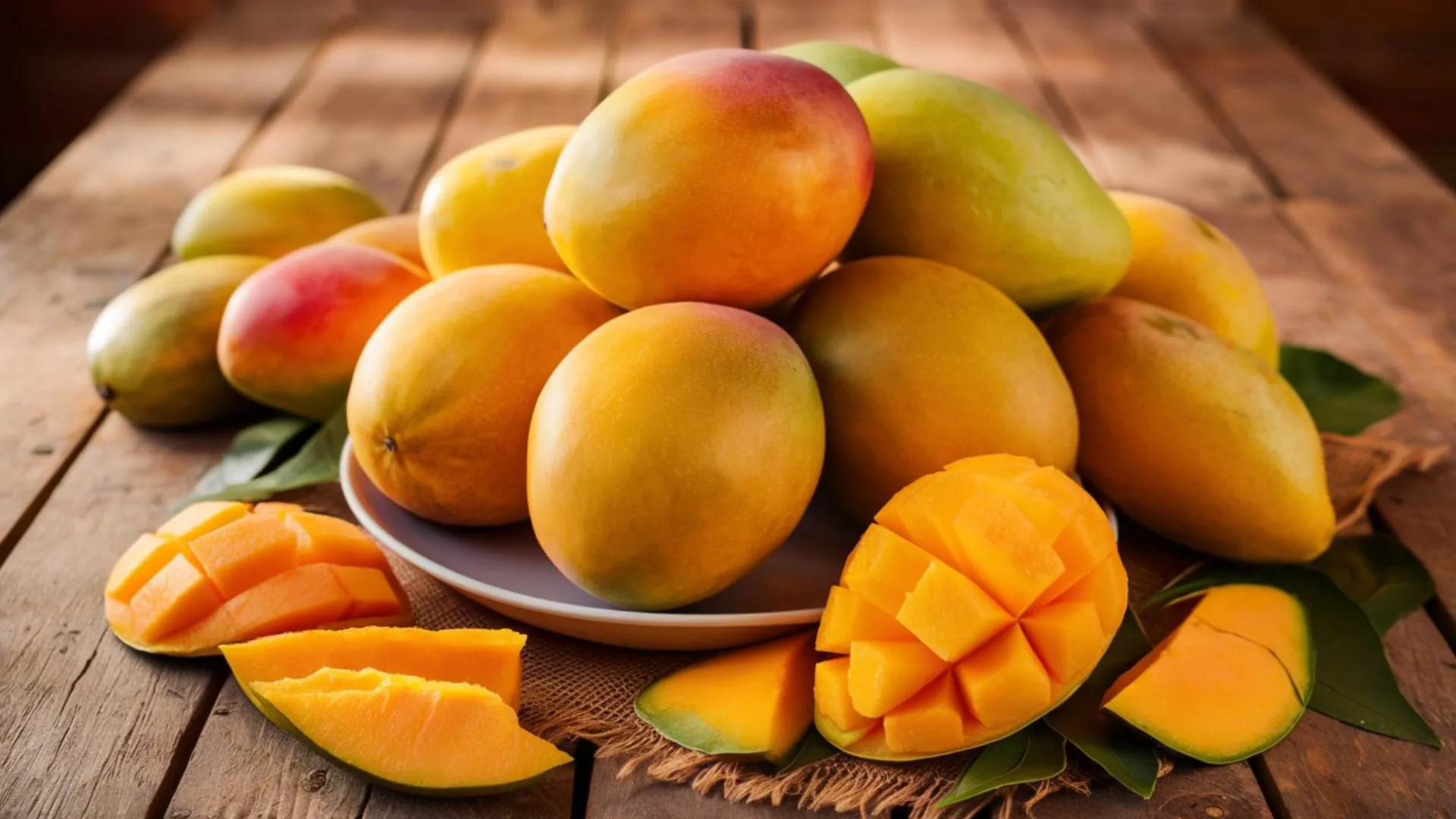
Mangoes, celebrated globally for their unparalleled sweetness and robust nutritional profile, face a significant challenge once harvested: their rapid post-harvest ripening. This inherent characteristic renders them highly susceptible to softening, moisture depletion, and eventual spoilage during the intricate journeys of storage and transportation. However, a groundbreaking study by researchers at Hainan University has illuminated a crucial factor that dramatically extends the shelf life of these beloved tropical fruits without triggering detrimental cold damage. The investigation, meticulously detailed in the latest issue of the esteemed journal Tropical Plants, reveals that maintaining mangoes at a precise temperature of 12°C (54°F) effectively decelerates the ripening process, preserves the integrity of the fruit’s structure, and crucially, activates the mango’s innate antioxidant defense mechanisms.
This discovery holds profound implications for the global cold-chain logistics of tropical produce, promising to significantly curtail food waste and extend the commercial viability of mangoes and potentially other similarly sensitive fruits.
The Delicate Dance of Ripening: Understanding Temperature’s Influence
In many of the world’s primary mango-producing regions, the prevailing practice for transporting these delicate fruits involves ambient temperatures ranging from a warm 26°C (79°F) to a considerably warmer 30°C (86°F). While these temperatures are often convenient and readily available, they create an environment that accelerates the mango’s metabolic processes. This accelerated respiration and ripening lead to rapid softening of the flesh and a diminished shelf life, presenting a substantial challenge for distributors and retailers aiming to deliver pristine fruit to consumers.
Horticultural science has long recognized that cooler storage conditions can effectively slow down the ripening cascade. However, a persistent hurdle has been the susceptibility of many tropical fruits, including mangoes, to chilling injury. This phenomenon occurs when fruits are exposed to temperatures below a certain threshold, leading to physiological damage that can manifest as discoloration, pitting, and impaired flavor development. Previous empirical observations had suggested that 12°C was a beneficial temperature for preserving the quality of specific mango cultivars, such as the ‘Tainong No.1’. Nevertheless, the underlying biological mechanisms that made this temperature so effective remained largely unexplored, leaving a critical knowledge gap in optimizing post-harvest handling.
A Rigorous Scientific Inquiry: Designing the Experiment
To address this knowledge deficit, the research team at Hainan University embarked on a comprehensive comparative study. They meticulously selected uniformly mature mangoes and divided them into two distinct groups for a duration of 24 days. One group was subjected to storage at the identified optimal temperature of 12°C, while the control group was kept at the commonly employed warmer temperature of 30°C. This controlled experimental design aimed to isolate the impact of temperature on the complex biochemical and physical changes that occur during mango post-harvest life.
Unveiling the Metrics: What the Researchers Measured
The scientific rigor of the study was further demonstrated by the extensive array of parameters the researchers monitored to comprehensively assess the impact of storage temperature on mango quality. Their meticulous data collection included:
- Physical Attributes: Fruit color development (tracking the transition from green to yellow and red hues), flesh firmness (quantifying the degree of softening), and weight loss (indicating moisture retention).
- Biochemical Composition: Levels of soluble solids (representing sugars), titratable acidity (a key indicator of tartness and flavor balance), and respiration rate (a direct measure of metabolic activity).
- Cellular Stress Indicators: Concentration of reactive oxygen species (ROS), which are unstable molecules known to cause oxidative damage at the cellular level, and malondialdehyde (MDA), a marker of lipid peroxidation and cellular membrane damage.
- Antioxidant Arsenal: Quantification of vital antioxidant compounds, including ascorbic acid (Vitamin C), total phenolics, and flavonoids.
- Enzymatic Activity: Measurement of the activity levels of key protective enzymes crucial for mitigating oxidative stress, specifically ascorbate peroxidase (APX), superoxide dismutase (SOD), phenylalanine ammonia-lyase (PAL), and peroxidase (POD).
- Genetic Expression: Analysis of gene expression patterns associated with the activation and regulation of the mango’s endogenous antioxidant defense systems.
- Microscopic Examination: High-resolution microscopic imaging was employed to observe and document structural changes within the mango pulp cells over the experimental period, providing visual evidence of cellular integrity or degradation.
The Cold Advantage: Preserving Mango Quality at 12°C
The divergence in quality between the two storage conditions became increasingly apparent as the experiment progressed. During the initial 12 days, mangoes stored at both 12°C and 30°C exhibited relatively similar visual and textural characteristics. However, by day 16, the differences became pronounced and undeniable.
Mangoes held at the warmer 30°C began to show rapid yellowing, a visual cue of accelerated ripening. In stark contrast, those maintained at 12°C retained their vibrant color for a significantly longer duration, a phenomenon attributed to the substantial slowing of chlorophyll degradation. Sugar accumulation, a hallmark of ripening, surged rapidly in the warmer fruit, only to subsequently decline. Conversely, mangoes at 12°C displayed a more gradual and sustained increase in sugar content, indicative of a more controlled ripening process.
The rate of acidity loss also presented a significant disparity. Acidity diminished much more rapidly at 30°C, leading to a loss of the desirable tartness that balances the sweetness of mangoes. The mangoes stored at 12°C, however, retained significantly higher levels of acidity throughout the 24-day period, contributing to a more complex and prolonged flavor profile.
The physical integrity of the fruit revealed even more dramatic contrasts. Mangoes stored at 30°C experienced a substantial weight loss exceeding 17%, a clear indication of excessive moisture evaporation. In comparison, fruit kept at 12°C lost less than 4% of its weight, signifying superior moisture retention and reduced dehydration. Firmness, a critical quality attribute for consumer acceptance, also declined at a significantly slower pace under the cooler storage conditions.
At the cellular level, the differences were equally striking. Microscopic analysis revealed that mangoes stored at 12°C maintained intact cell walls and preserved their starch granules even after 24 days of storage. This structural integrity is fundamental to the fruit’s firmness and texture. In sharp contrast, mangoes stored at 30°C displayed early signs of cell wall thinning, premature starch depletion, and ultimately, cell collapse, leading to the mushy texture characteristic of overripe fruit.
Fortifying Defenses: Antioxidant Pathways Under Cooler Conditions
Beyond the visible and textural changes, the study delved into the underlying biochemical mechanisms. The researchers observed that storage at 12°C significantly reduced the accumulation of malondialdehyde (MDA) and reactive oxygen species (ROS). This reduction is crucial because high levels of MDA and ROS are directly linked to oxidative stress, a major driver of cellular damage and spoilage in fruits.
Concurrently, the cooler temperatures played a vital role in preserving higher concentrations of essential antioxidant compounds, including Vitamin C, phenolics, and flavonoids. These compounds act as cellular protectors, neutralizing harmful free radicals. Furthermore, the activity of protective antioxidant enzymes remained more robust and sustained for longer periods in mangoes stored at 12°C.
The genetic analysis provided a molecular-level explanation for these observed benefits. Gene expression profiling revealed a notable upregulation of antioxidant-related genes, specifically MiAPX1, MiAPX2, MiSOD1, and MiSOD2. The researchers posited that the enhanced activity of these genes contributes to strengthening the fruit’s intrinsic defense systems, promoting a more stable redox balance within the cells, and consequently, minimizing cellular damage during the storage period.
Correlation analyses further solidified these findings. The study demonstrated a clear link between elevated ROS and MDA levels and increased fruit softening and water loss. Conversely, a stronger antioxidant defense capacity was directly associated with reduced oxidative stress and demonstrably better fruit preservation.
Broadening the Horizon: Implications for the Mango Industry
The comprehensive findings of this Hainan University study offer practical and actionable insights for the global mango industry and the sophisticated cold-chain logistics systems that support it. The research provides strong evidence that maintaining storage temperatures in the vicinity of 12°C can revolutionize post-harvest management.
This optimal temperature regime could enable several key operational improvements:
- Earlier Harvesting: With extended shelf life, mangoes could potentially be harvested at an earlier stage of maturity, reducing the risk of field losses due to overripening or adverse weather events.
- Extended Transportation Distances: The enhanced durability of the fruit would allow for longer and more complex transportation routes, opening up new markets and reducing reliance on air freight for distant destinations.
- Ripening Closer to Markets: Mangoes could be transported to distribution hubs or retail locations in a firmer, less ripe state, allowing for controlled ripening closer to the point of sale. This would improve the quality experienced by the consumer and reduce spoilage during transit and retail display.
- Minimized Spoilage and Quality Loss: The overarching benefit is a significant reduction in post-harvest losses, leading to greater profitability for growers and distributors, and more consistently high-quality fruit for consumers.
The implications extend beyond just mangoes. This research could serve as a foundational blueprint for optimizing the storage and transportation of other tropical fruits that share similar sensitivities to temperature and post-harvest ripening processes. The scientific community eagerly awaits further studies that might explore the application of these findings to other valuable tropical commodities, potentially transforming global trade and food security for these vital agricultural products.
The research was made possible through the generous support of the Hainan Province Agricultural Reclamation Team Joint Innovation Project (Grant No. HKKJ202432), the National Key Research and Development Program Project (Grant No. 2023YFD2300803-7), and the Hainan University Mango Industry Technology System Construction Project, underscoring a collective commitment to advancing agricultural science and innovation.