A groundbreaking study by researchers at the Massachusetts Institute of Technology (MIT) has unveiled a significant discovery regarding the regenerative capabilities of the human intestine. The findings, published in the prestigious journal Nature, reveal that cysteine, a sulfur-containing amino acid readily available in many protein-rich foods, plays a crucial role in activating an immune response that promotes the repair and regeneration of intestinal tissue following damage. This discovery holds substantial potential for developing novel therapeutic strategies, particularly for individuals undergoing treatments like radiation therapy and chemotherapy, which are known to cause significant intestinal injury.
The Power of a Dietary Nutrient: Cysteine’s Role in Intestinal Stem Cell Activation
For years, scientists have explored various dietary interventions and lifestyle choices, such as intermittent fasting and calorie restriction, that can positively influence stem cell activity and tissue repair. However, pinpointing a single, specific nutrient responsible for directly enhancing intestinal stem cell regeneration had remained an elusive goal. The MIT research team, led by Omer Yilmaz, director of the MIT Stem Cell Initiative and an associate professor of biology, has now achieved this breakthrough by identifying cysteine as a key player in this vital biological process.
The study meticulously investigated the impact of individual amino acids on intestinal stem cell health. Researchers fed mice diets enriched with one of the 20 standard amino acids and subsequently measured the regenerative effects on intestinal stem cells and their progeny, progenitor cells. The results were compelling: cysteine emerged as the amino acid that elicited the most potent regenerative response. This finding was not merely observational; the team delved deeper to understand the intricate biological mechanisms at play.
Unraveling the Molecular Cascade: From Cysteine to Immune Cell Activation
The research elucidated a fascinating molecular pathway initiated by the absorption of dietary cysteine by intestinal cells. Upon uptake, these cells metabolize cysteine into a molecule known as CoA. This CoA is then released into the intestinal lining, where it is readily absorbed by a specific type of immune cell: CD8 T cells.
The absorption of CoA by CD8 T cells triggers a critical activation process. Once activated, these T cells undergo rapid proliferation and, crucially, begin to produce Interleukin-22 (IL-22). IL-22 is a potent signaling protein, classified as a cytokine, that is well-established to be vital for intestinal repair, barrier function, and the maintenance of stem cell populations.
This discovery is particularly significant because, prior to this study, the capacity of CD8 T cells to produce IL-22 in a manner that directly supports intestinal stem cell regeneration was not fully understood. "What’s really exciting here is that feeding mice a cysteine-rich diet leads to the expansion of an immune cell population that we typically don’t associate with IL-22 production and the regulation of intestinal stemness," stated Professor Yilmaz. "What happens in a cysteine-rich diet is that the pool of cells that make IL-22 increases, particularly the CD8 T-cell fraction." This indicates a previously unappreciated synergy between dietary intake and the adaptive immune system in maintaining gut health.
Strategic Positioning of Immune Cells for Rapid Healing
A critical aspect of the study involved observing the behavior of these cysteine-activated CD8 T cells. The researchers found that these immune cells strategically migrate and accumulate within the lining of the small intestine. This precise localization places them in an optimal position to respond swiftly and effectively when intestinal damage occurs. The observed effect was largely confined to the small intestine, as this is the primary site for the absorption of dietary proteins, including cysteine.
Clinical Implications: Mitigating Treatment-Related Intestinal Damage
The potential clinical applications of these findings are far-reaching, especially in the context of cancer treatment. Intestinal damage, often manifesting as mucositis, is a common and debilitating side effect of chemotherapy and radiation therapy. This damage can lead to severe pain, diarrhea, malabsorption, and a significant reduction in quality of life, often necessitating treatment interruption.
The MIT study demonstrated that mice fed a cysteine-rich diet exhibited significantly improved recovery from radiation-induced intestinal damage. Furthermore, preliminary, unpublished experiments by the team showed similar regenerative benefits when mice were treated with 5-fluorouracil, a widely used chemotherapy drug for cancers such as colorectal and pancreatic cancers, which also carries the risk of intestinal injury.
Professor Yilmaz articulated the potential therapeutic impact: "The study suggests that if we give these patients a cysteine-rich diet or cysteine supplementation, perhaps we can dampen some of the chemotherapy or radiation-induced injury." He further emphasized the elegance of this approach: "The beauty here is we’re not using a synthetic molecule; we’re exploiting a natural dietary compound." This points towards a more natural, potentially less toxic, avenue for therapeutic intervention.
Sources of Cysteine: A Dietary Overview
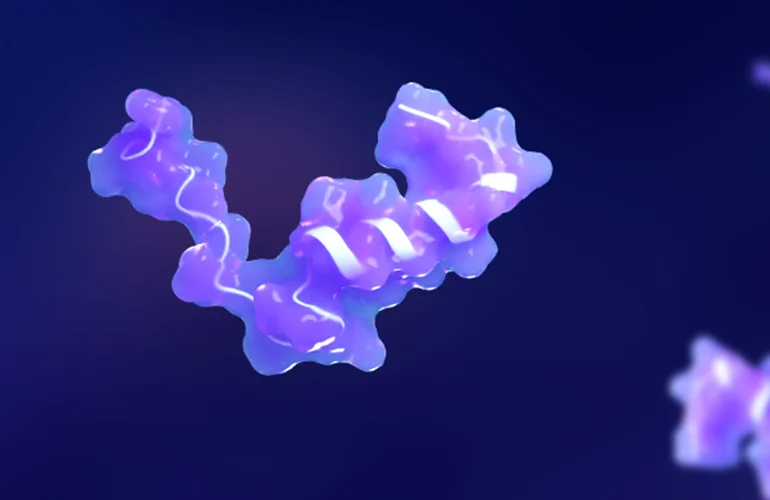
Cysteine is a semi-essential amino acid, meaning the body can produce it from another amino acid, methionine, primarily in the liver. However, dietary intake plays a significant role in ensuring adequate levels, particularly for localized effects in the gut. It is naturally abundant in a variety of protein-rich foods, including:
- Meats: Beef, poultry, pork
- Dairy Products: Milk, cheese, yogurt
- Legumes: Lentils, beans, chickpeas
- Nuts and Seeds: Almonds, sunflower seeds, walnuts
- Eggs
- Certain Grains: Oats, wheat germ
While the body can synthesize cysteine, the research suggests that direct dietary intake has a more pronounced effect on the intestine. This is because dietary cysteine reaches the gut directly before being extensively metabolized and distributed throughout the body. "With our high-cysteine diet, the gut is the first place that sees a high amount of cysteine," explained Dr. Ruibo Chi, a co-author of the study. This direct exposure likely maximizes its impact on intestinal cells and the associated immune microenvironment.
Historical Context and Novelty of the Findings
Cysteine has long been recognized for its antioxidant properties and its role in protein structure. However, this latest research marks the first time it has been definitively shown to directly stimulate intestinal stem cell regeneration through an immune-mediated pathway. Previous research had focused on broader dietary interventions, such as caloric restriction, which can influence stem cell activity but lacked the specificity of identifying a single nutrient’s direct role. The publication in Nature, a journal known for its rigorous peer review and high impact, underscores the significance and scientific validity of these findings.
Future Directions: Expanding the Scope of Cysteine’s Regenerative Potential
The MIT team is not resting on their laurels. Their research is actively expanding to explore whether cysteine’s regenerative capabilities extend beyond the intestine. One promising area of investigation involves examining its potential to stimulate hair follicle repair and regrowth, a project that could have implications for treating conditions like alopecia.
Furthermore, the researchers are continuing to study other amino acids that exhibited preliminary signs of influencing stem cell behavior. "I think we’re going to uncover multiple new mechanisms for how these amino acids regulate cell fate decisions and gut health in the small intestine and colon," Professor Yilmaz commented, suggesting a broader understanding of how nutrition impacts gut physiology is on the horizon.
A Timeline of Discovery: From Hypothesis to Publication
The research leading to this significant publication likely involved several stages:
- Initial Hypothesis and Planning (Potentially 2-3 years prior): Building on existing knowledge of stem cell biology and nutrient metabolism, the researchers likely formulated the hypothesis that specific dietary nutrients could directly influence intestinal stem cell regeneration. This phase would involve designing experimental protocols and securing necessary funding.
- Experimental Design and Execution (Approximately 1-2 years): The core experimental work, involving feeding mice various amino acid-enriched diets, measuring cellular responses, and conducting molecular analyses, would have been conducted during this period. This would involve meticulous data collection and preliminary analysis.
- Data Analysis and Interpretation (Several months): Rigorous statistical analysis of the vast amounts of data generated from the experiments would be crucial. Researchers would interpret the findings to identify significant trends and mechanisms.
- Manuscript Preparation and Submission (Several months): Compiling the research findings into a comprehensive manuscript for submission to a high-impact journal like Nature is a lengthy process involving detailed writing, figure preparation, and internal review.
- Peer Review and Revision (Several months): The manuscript would undergo a stringent peer-review process by experts in the field. Revisions based on reviewer feedback are common and can take a significant amount of time.
- Publication (Present): The culmination of this extensive process is the publication of the findings, making them accessible to the global scientific community.
Broader Implications and Expert Reactions (Inferred)
The implications of this research extend beyond direct therapeutic applications. It underscores the profound connection between diet and the immune system, highlighting how everyday nutritional choices can influence fundamental biological processes like tissue repair. This could lead to a paradigm shift in how we approach gut health and the management of inflammatory and degenerative conditions.
While direct quotes from other experts are not available in the provided text, the scientific community’s response to a Nature publication on such a fundamental aspect of biology is typically one of keen interest and cautious optimism. Oncologists, gastroenterologists, and nutritionists are likely to view these findings as a promising new avenue for patient care, potentially leading to the development of evidence-based dietary recommendations or targeted nutritional supplements for individuals at risk of or suffering from intestinal damage.
The study’s emphasis on a "natural dietary compound" aligns with a growing trend in medicine towards leveraging the body’s intrinsic healing mechanisms and exploring natural sources for therapeutic agents. This approach is often perceived as having a more favorable safety profile and fewer side effects compared to purely synthetic compounds.
Funding and Support
This pivotal research was made possible through substantial support from various national and institutional bodies. Key funding sources included:
- The National Institutes of Health (NIH)
- The V Foundation for Cancer Research
- The Kathy and Curt Marble Cancer Research Award
- The Koch Institute-Dana-Farber/Harvard Cancer Center Bridge Project
- The American Federation for Aging Research
- The MIT Stem Cell Initiative
- The Koch Institute Support (core) Grant from the National Cancer Institute
This diverse funding landscape reflects the interdisciplinary nature of the research and its broad relevance to multiple fields of scientific inquiry, from basic biology to cancer research and aging.
In conclusion, the discovery that cysteine can activate a potent immune-mediated pathway for intestinal regeneration represents a significant leap forward in our understanding of gut health and repair. The potential for translating these findings into practical clinical applications, particularly for mitigating the debilitating side effects of cancer treatments, offers a beacon of hope for patients worldwide. As research continues, the role of this vital amino acid in promoting healing and well-being is likely to become even more apparent.