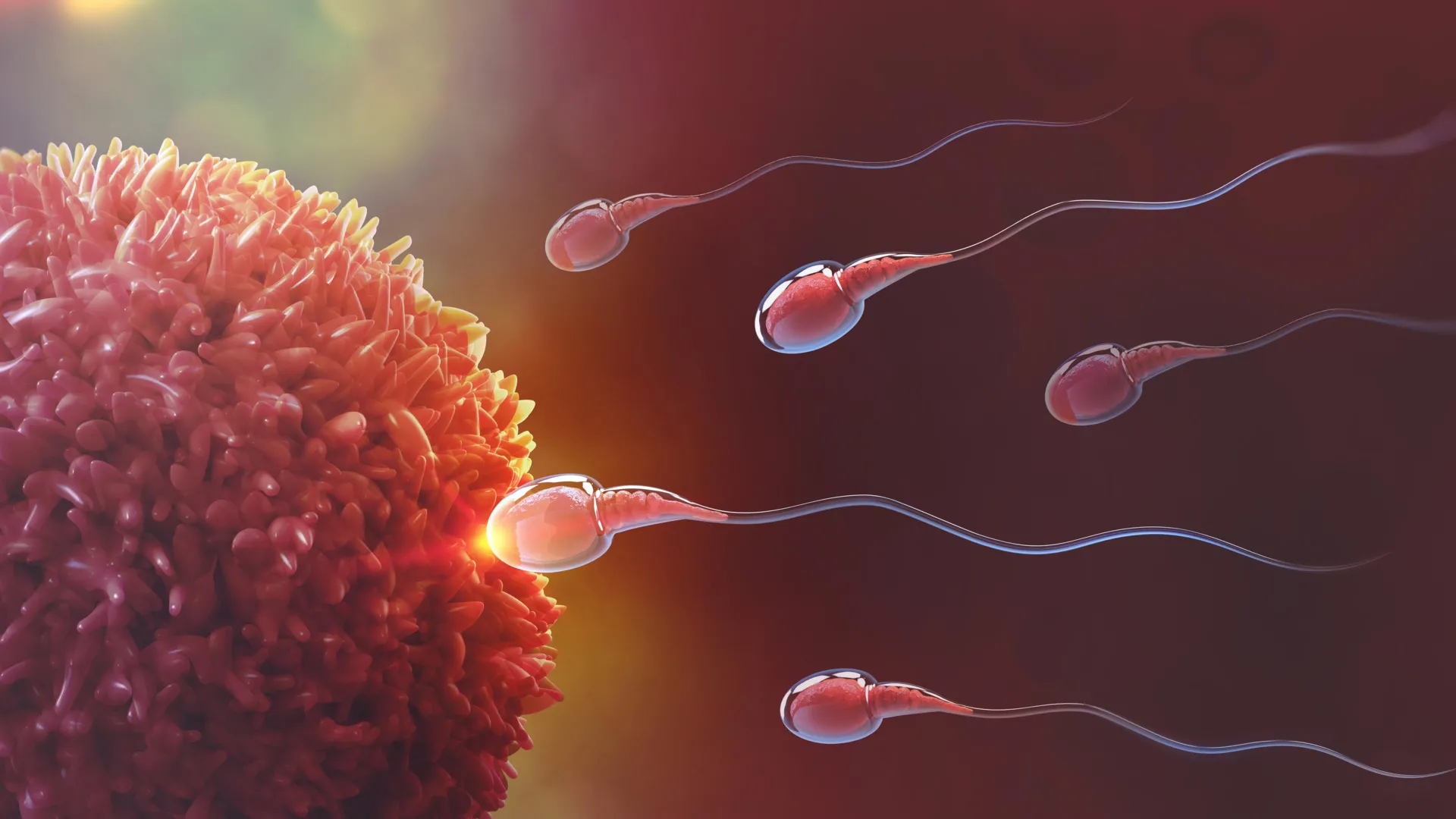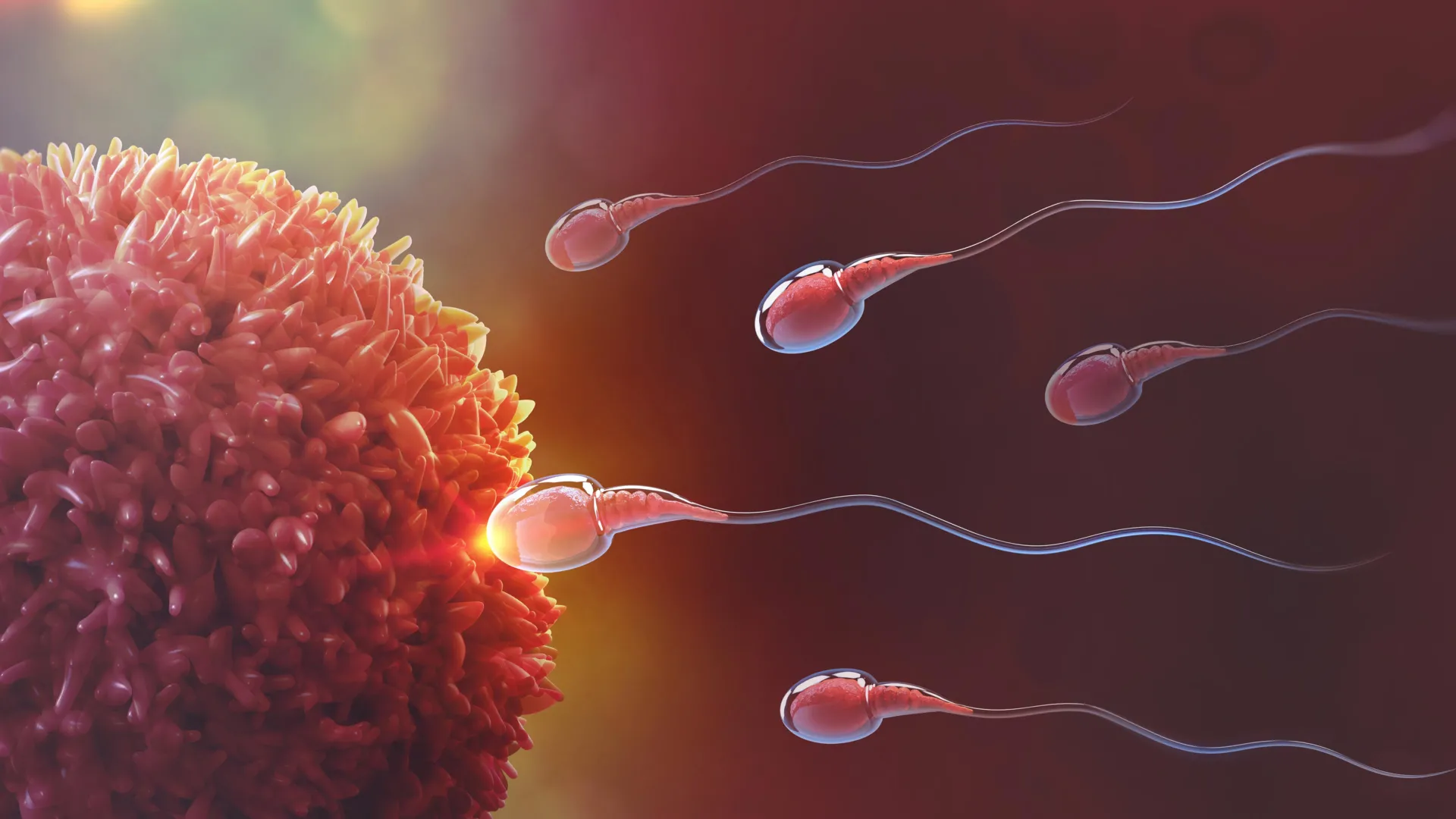
In a significant advancement for reproductive biology, a multi-institutional research team led by Osaka University has identified a critical protein-to-protein interaction that governs the intricate process of sperm maturation. The study, recently published in the Proceedings of the National Academy of Sciences (PNAS), sheds light on the molecular mechanisms of spermiogenesis, the final stage of sperm development where round spermatids transform into mature, motile spermatozoa. By disrupting specific genetic expressions in mouse models, the researchers discovered that the interaction between the proteins TEX38 and ZDHHC19 is essential for structural integrity, providing a potential roadmap for addressing male infertility and developing novel male contraceptives.
The Complex Architecture of Spermiogenesis
Spermiogenesis is one of the most sophisticated examples of cellular remodeling in the human body. During this phase, a relatively simple, spherical cell undergoes a dramatic metamorphosis to become a highly specialized delivery vehicle for paternal DNA. This process requires several coordinated physical changes: the condensation and shrinking of the nucleus to protect genetic material, the formation of the acrosome (a cap-like structure that helps penetrate the egg), the growth of a long flagellum for motility, and the shedding of unnecessary cytoplasm.
If any of these stages are disrupted by genetic mutations or environmental factors, the resulting sperm may be malformed—a condition known as teratozoospermia—rendering them incapable of reaching or fertilizing an oocyte. Despite the clinical importance of this process, the specific molecular "switches" that trigger these morphological changes have long remained elusive.
"Abnormal sperm formation impairs their ability to fertilize egg cells," explained Yuki Kaneda, the study’s lead author. "While some genes that are essential for spermiogenesis have been identified, there is much that remains unknown about the molecular mechanisms of this intricate process."
Unveiling the TEX38 and ZDHHC19 Interaction
The research team focused their investigation on TEX38, a protein known to be expressed almost exclusively within the testes. To determine its function, the scientists utilized CRISPR/Cas9 gene-editing technology to create "knockout" mice—animals that lack the gene responsible for producing TEX38.
The results were immediate and definitive. While the TEX38-deficient mice appeared healthy in all other biological aspects, the males were completely infertile. Microscopic analysis of their semen revealed a consistent structural abnormality: the sperm heads were bent backwards, and the cells failed to shed excess cytoplasm. This "bent-head" phenotype prevented the sperm from swimming effectively and interacting with the female reproductive tract.
To understand why the absence of TEX38 caused such a specific deformity, the team performed a series of biochemical assays to identify other proteins that interact with TEX38. They discovered a high-affinity bond between TEX38 and ZDHHC19, an enzyme belonging to the zinc-finger DHHC-type-containing family.
"The results were striking," said Masahito Ikawa, the study’s senior author and a prominent figure in reproductive genomics. "We found that TEX38 interacts with ZDHHC19; deleting either protein resulted in the same sperm deformity, and if one of the proteins was absent, the other was expressed at much lower levels."
This finding suggests that TEX38 acts as a stabilizing partner or a chaperone for ZDHHC19. Without TEX38, ZDHHC19 is degraded or fails to reach its functional destination within the cell, leading to a total breakdown of the sperm-shaping machinery.
The Role of S-Palmitoylation in Sperm Morphology
The discovery of ZDHHC19’s involvement is particularly significant because of its role as an enzyme. ZDHHC19 is responsible for S-palmitoylation, a post-translational modification where a lipid (specifically palmitic acid) is chemically attached to a protein. This lipid "tail" acts as a membrane anchor, allowing proteins to latch onto cellular membranes where they can perform their specific functions.
In the context of sperm development, the researchers found that ZDHHC19 targets a third protein called ARRDC5. Previous studies had already established that ARRDC5 is vital for sperm head formation and cytoplasm removal. The Osaka University study successfully connected these dots: ZDHHC19 palmitoylates ARRDC5, and TEX38 ensures that ZDHHC19 is present and active to perform this task.
When the team prevented this lipid modification, the ARRDC5 protein could not function correctly. The failure of this pathway resulted in the retention of excess cytoplasm—essentially leaving the sperm "too heavy" and structurally unsound. The researchers concluded that the TEX38-ZDHHC19 complex serves as a regulatory hub that ensures the correct proteins are moved to the right places at the right time during the final stages of sperm construction.
Contextualizing Male Infertility and Global Health
The implications of this study arrive at a time of increasing concern regarding global fertility rates. According to data from the World Health Organization (WHO), infertility affects approximately 1 in 6 people globally. While reproductive health has historically focused on female factors, contemporary research indicates that male factors contribute to roughly 50% of all infertility cases.
Many cases of male infertility are classified as "idiopathic," meaning the underlying cause remains unknown even after standard clinical evaluations. By identifying the TEX38-ZDHHC19-ARRDC5 pathway, the Osaka University team has provided a new set of genetic markers that clinicians can use to diagnose specific types of sperm malformation.
Furthermore, the study addresses a critical gap in contraceptive technology. Currently, male contraceptive options are largely limited to barrier methods (condoms) or permanent surgical procedures (vasectomies). There has been a long-standing demand for a "male pill" that is effective, reversible, and non-hormonal.
"Our findings show that TEX38 and ZDHHC19 form a complex in developing sperm," Kaneda noted. "This complex regulates S-palmitoylation of the proteins that are essential for generating functional sperm with the correct morphology."
Because ZDHHC19 is an enzyme, it represents a highly "druggable" target. A pharmacological agent designed to temporarily inhibit the interaction between TEX38 and ZDHHC19, or to block the enzymatic activity of ZDHHC19 itself, could theoretically induce a temporary state of infertility by causing the production of non-functional, bent-headed sperm. Once the medication is stopped, the protein interaction would resume, and healthy sperm production would return, offering a reversible contraceptive solution.
Chronology of the Research and Methodology
The journey to this discovery involved several years of incremental research and high-tech biological modeling. The timeline of the study can be summarized through the following phases:
- Gene Identification (Initial Phase): The researchers utilized transcriptomic data to identify genes that are specifically expressed in the testes but not in other tissues, narrowing their search to TEX38.
- CRISPR/Cas9 Validation (Middle Phase): Using gene-editing tools, the team generated TEX38-knockout mouse lines. Initial observations confirmed male-specific infertility and morphological defects in sperm.
- Proteomic Mapping (Analytical Phase): Using mass spectrometry and yeast two-hybrid screening, the team mapped the "interactome" of TEX38, leading them to the discovery of its partnership with ZDHHC19.
- Biochemical Verification (Final Phase): The team performed in vitro assays to confirm that ZDHHC19 palmitoylates ARRDC5 and that this process is dependent on the presence of TEX38.
- Publication (May 2024): The findings were compiled and published in PNAS, providing the scientific community with a new model for understanding spermiogenesis.
Supporting Data and Experimental Evidence
The study provided rigorous quantitative data to support its conclusions. In the control group (wild-type mice), over 90% of sperm exhibited normal morphology with streamlined heads and minimal residual cytoplasm. In contrast, in the TEX38-knockout mice, the percentage of normal sperm dropped to near zero.
Key data points included:
- Fertility Rate: 100% of wild-type males sired litters, while 0% of TEX38-knockout males were able to produce offspring through natural mating.
- Protein Expression: Western blot analysis showed that in the absence of TEX38, ZDHHC19 protein levels were reduced by more than 70%, suggesting that TEX38 is required for the stability of the enzyme.
- S-Palmitoylation Levels: Using an Acyl-Biotin Exchange (ABE) assay, the researchers demonstrated a significant decrease in the palmitoylation of ARRDC5 in the testes of mice lacking the TEX38-ZDHHC19 complex.
Broader Implications and Future Research
The discovery of the TEX38-ZDHHC19 complex opens several new avenues for medical science. Beyond the immediate applications in fertility and contraception, the study highlights the broader importance of S-palmitoylation in cellular development. This specific type of lipid modification is involved in various physiological processes, including neurological function and cancer progression, and the Osaka University study provides a blueprint for how to investigate tissue-specific palmitoylation pathways.
Looking forward, the research team plans to investigate whether similar mutations or deficiencies in the TEX38 and ZDHHC19 genes exist in human men suffering from unexplained infertility. If the human versions of these proteins function identically to their mouse counterparts—which is often the case for fundamental reproductive proteins—this could lead to the development of diagnostic kits for fertility clinics.
Furthermore, the team is interested in exploring other substrates of the ZDHHC19 enzyme. While ARRDC5 is a primary target, it is possible that the TEX38-ZDHHC19 complex modifies other proteins essential for sperm motility or egg-binding, suggesting that this pathway is a "master regulator" of sperm quality.
In summary, the identification of the TEX38-ZDHHC19 interaction represents a milestone in reproductive genomics. By deciphering the molecular code that shapes a sperm cell, the researchers from Osaka University have not only solved a fundamental biological mystery but have also paved the way for future interventions that could transform the landscape of reproductive medicine and family planning.